
REVIEW · JOZANI FOREST AND RED COLOBUS MONKEYS
Zanzibar: Jozani Red Colobos Monkey & Salaam Turtle Santuary
Monkeys first, then turtles. I like this tour because you get Zanzibar’s red colobus monkeys in their natural forest home, and you also see why mangroves matter for the ecosystem. One possible drawback to plan for: Salaam Cave can feel busy, so it helps to keep expectations flexible and stay respectful around the animals.
This is a very practical half-day format. You spend the morning finding wildlife in Jozani Chwaka Bay National Park, then head to Kizimkazi for the Salaam Turtle Sanctuary experience. It is structured enough to feel smooth, but not so long that you lose the feeling of being outdoors.
You should go in with comfortable shoes and a bit of patience for the search. The tour focuses on wildlife spotting, so even with a high chance to see monkeys, you are still walking, scanning, and waiting for the forest to show you what it has.
In This Review
- Key things to know before you go
- Jozani Forest, red colobus monkeys, and the mangroves behind the wow factor
- How the guided wildlife search really plays out (and how to make it easier)
- The Jozani rhythm: photo stops, guided talk, and a cultural break
- What else you learn in Jozani: medicinal plants and conservation context
- Kizimkazi transfer: getting from forest to sea turtle conservation
- Salaam Cave and sea turtles: what the sanctuary visit is like
- Swimming with turtles, in some cases: your safety and your respect checklist
- Price and value: is $40 a good deal for this Zanzibar combo?
- Transfers, language, and meeting point, so you do not waste time
- What to bring, rules to follow, and small comfort moves that matter
- Who should book this tour, and who should reconsider
- Should you book Jozani Red Colobus and Salaam Turtle Sanctuary?
- FAQ
- How long is the tour?
- What is included in the price?
- Where do we meet for the tour?
- Is pickup from my hotel available?
- Can I swim with the turtles?
- What should I bring and what is not allowed?
Key things to know before you go
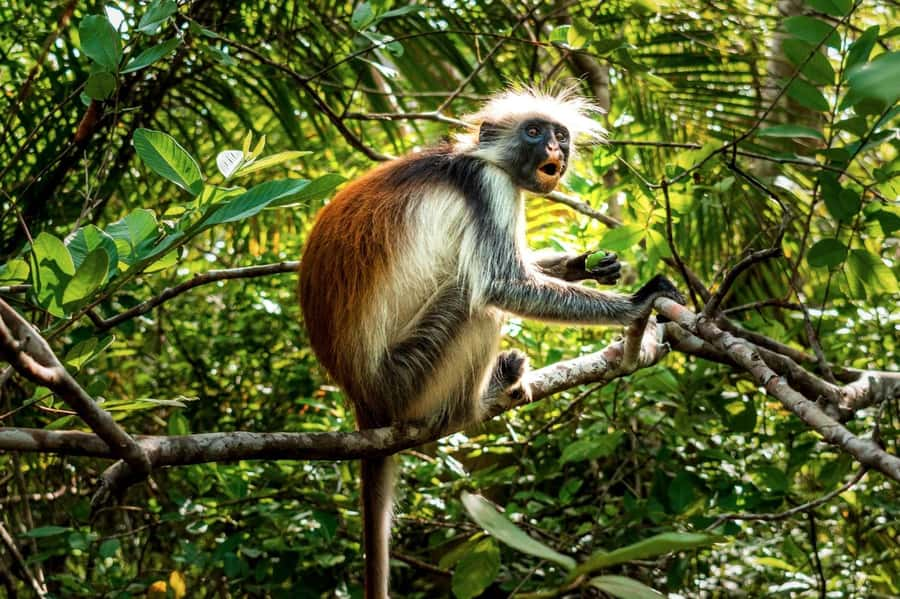
- Endemic red colobus monkeys: Zanzibar’s iconic monkey, seen in the park’s forest habitat
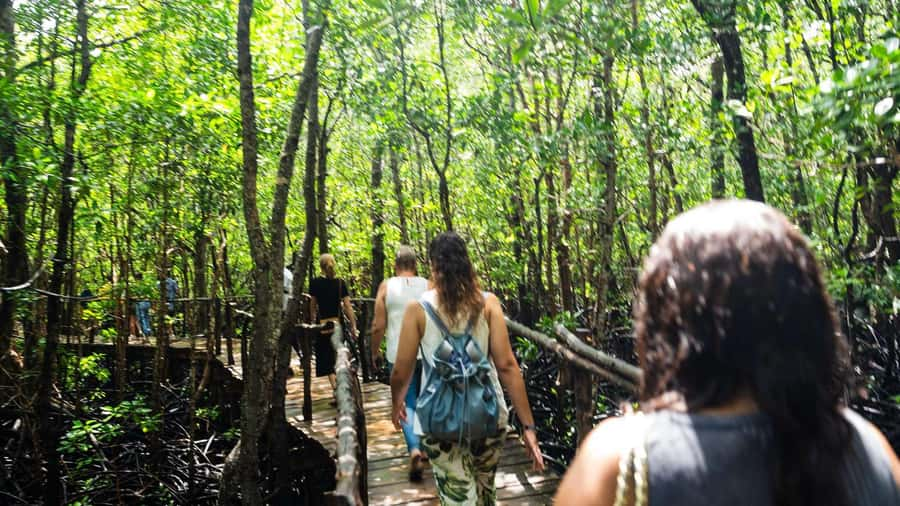
- Jozani’s mangrove ecosystem: you will learn how mangroves and small species like black crabs fit together
- Wildlife beyond monkeys: you might also spot dik-diks, elephant shrews, and chameleons
- Conservation-focused turtle visit: Salaam Cave is geared toward sea turtle rehabilitation and protection
- A chance to swim, sometimes: turtle encounters can include time in the water, depending on conditions
- Not a tough hike, but still walking: you need steady footing and it is not ideal for mobility impairments
Jozani Forest, other times and other guides
- Zanzibar: Jozani Forest & Red Colobus Monkeys Private Tour★ 4.5 · 13 reviews
- Zanzibar Nature Combo: Salaam Cave Swim & Jozani Forest Tour★ 4.8 · 11 reviews
- ZANZIBAR; JOZANI FOREST★ 3.9 · 6 reviews
- Mnemba Island, Prison Island, Secret Garden, Jozani Forest★ 4.4 · 5 reviews
Jozani Forest, red colobus monkeys, and the mangroves behind the wow factor
Jozani Chwaka Bay National Park is Zanzibar’s best place to meet wildlife that feels truly local. This park is the island’s only national park, and it is set up to show you the mix of forest and mangrove life that makes Zanzibar different from typical beach-only trips. If you like nature travel that feels grounded, this tour gets you out of cruise-ship mode and into a living habitat.
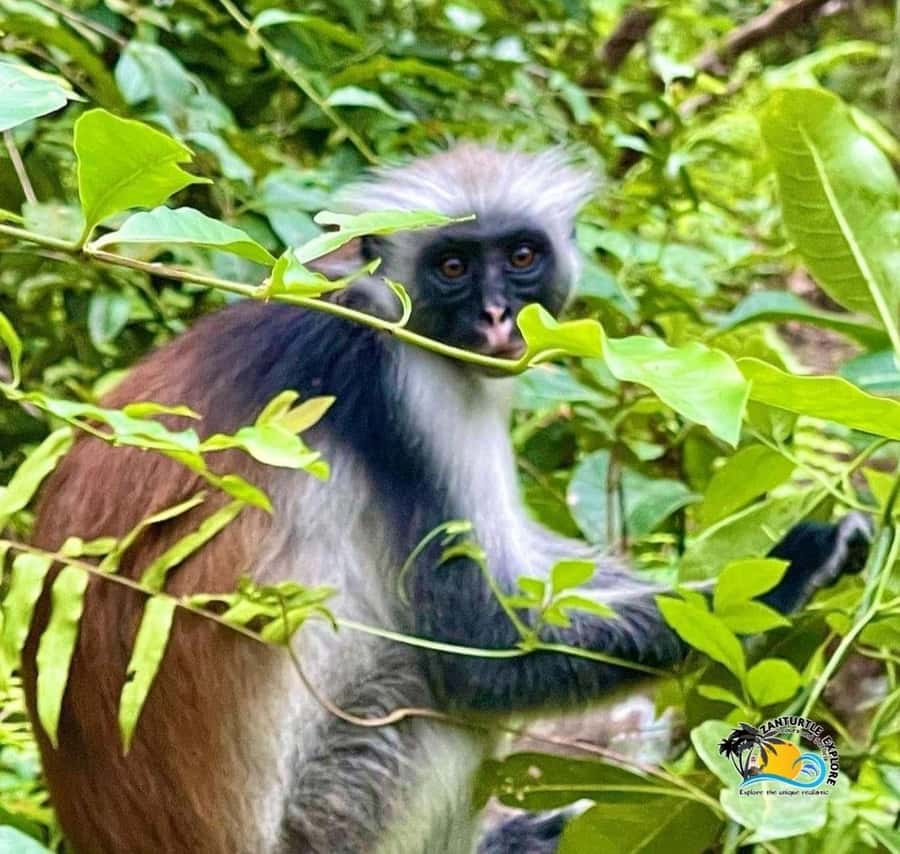
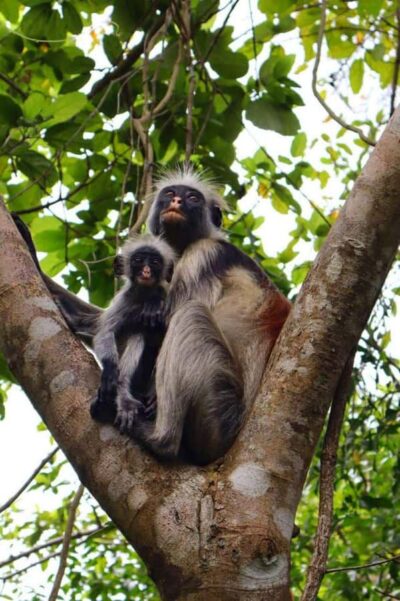
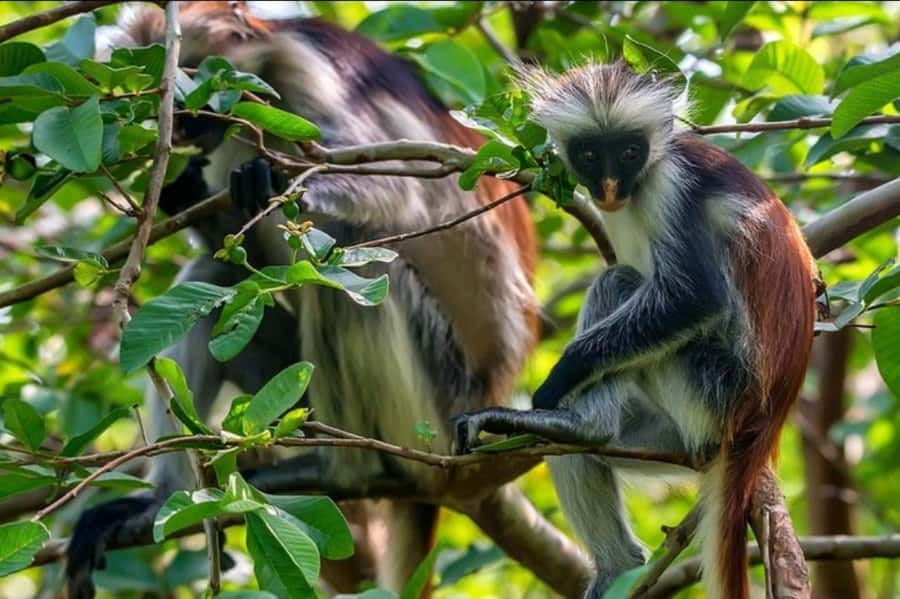
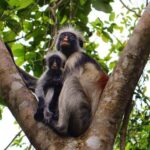
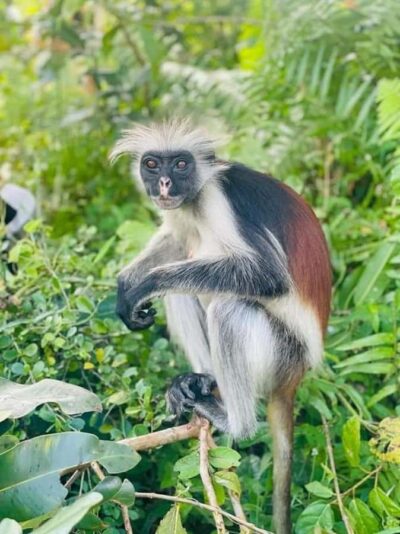
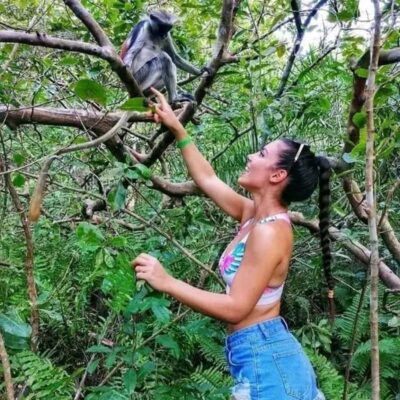
My favorite part is how the red colobus monkeys are not treated like a zoo stop. They are there in the forest, and the guide helps you look in the right spots. These are Zanzibar’s endemic monkeys, and the tour notes that they are known for a distinctive look and friendly demeanor. Even if you are not a big monkey person, seeing an animal that is local to this place makes the whole morning feel more meaningful.
The other big reason I like Jozani is the focus on mangroves and what they do. You do not just take photos near scenery. You learn why mangrove forests matter ecologically, and you can spot small life along the way, including black crabs. That kind of detail turns a walk into understanding. You start to notice how everything is connected, from the plants to the animals that depend on that shoreline ecosystem.
How the guided wildlife search really plays out (and how to make it easier)
This tour is built around wildlife searching. That is the point, and it means your experience depends on what the forest decides to show that day. The good news is the activity notes a high possibility of seeing red colobus monkeys, up to 90%. Still, you should treat it like a guided nature hunt, not a guaranteed photo safari.
What I recommend for a smoother search is simple: move slowly, keep your eyes up, and be ready to stop often. A lot of wildlife in dense vegetation does not announce itself. You will often get your best sightings when the group pauses and lets the guide point out where to look.
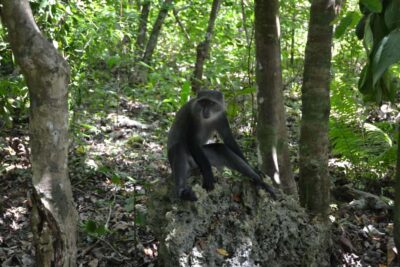
The tour also mentions other species you might encounter, like dik-diks, elephant shrews, and chameleons. Those are the kinds of sightings that make you feel like you are learning the forest, not just passing through it. Even when you do not see everything, the chance to look for more than one animal keeps the walk from becoming repetitive.
One more practical note: touching plants is not allowed. That rule matters. The forest has fragile edges, and it helps protect both the habitat and the wildlife that depends on it. Wear shoes that grip well, because you will probably be stepping over uneven ground as you look around.
The Jozani rhythm: photo stops, guided talk, and a cultural break
Jozani is not only wildlife. The day is structured so you get story time, quick photo moments, and a cultural stop without turning it into a museum tour.
After pickup and van time, you spend about 2 hours at Jozani Chwaka Bay National Park with a mix of:
- photo stops
- a guided tour and wildlife viewing
- a walk through the park areas
- a dance show
- an arts and crafts market visit
That dance show and market stop might sound like a side note, but I find it helpful. It gives you a mental reset after scanning treetops for movement. And if you want a souvenir, this is a better moment to shop than later when you are tired.
The tour also says you learn about medicinal plants as part of the forest information. That is a big difference between a generic nature walk and a guide-led experience. When you understand how people traditionally use plants, you start to see the forest as a living resource, not just a set of trees.
If you are prone to rushing, slow down here. These extra pieces are part of the value. They help you take away knowledge, not just sightings.
Other turtle sanctuaries and lagoon swims
What else you learn in Jozani: medicinal plants and conservation context
One reason this outing feels more than a quick wildlife stop is the conservation and ecology framing. The tour includes learning about conservation efforts, and it also mentions medicinal plants. That combination matters, because it connects animal viewing to the bigger reason protected areas exist.
You will also hear ecological explanations about mangroves, and you get the chance to observe life like black crabs. If you have ever wondered why mangroves are so important beyond being scenic, this kind of in-park information makes the answer click.
A small detail that I think is worth highlighting for your expectations: the forest is a place where you are not just looking at one charismatic species. You are learning an ecosystem that supports many kinds of life. That is why the guide talks about multiple animals and plant roles, rather than focusing only on the monkeys.
Kizimkazi transfer: getting from forest to sea turtle conservation
After the Jozani segment, you head to Kizimkazi for the Salaam Cave experience. The drive time matters because it shapes how you plan your day. This is a true half-day, so do not schedule anything tight right after. You will likely still be feeling travel and sun exposure when you finish.
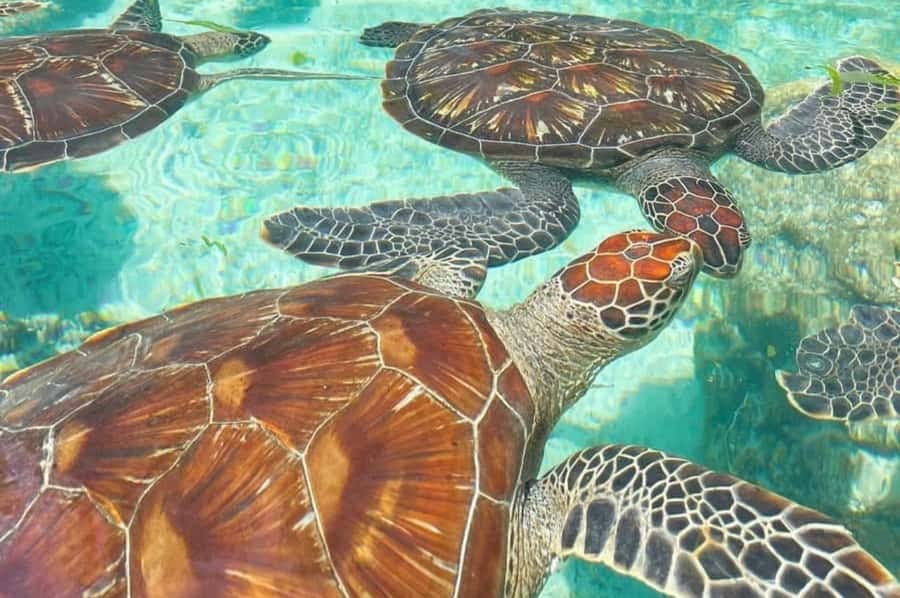
Once you arrive, the tour segment at Salaam Cave Aquarium includes a photo stop, then a guided visit and marine life viewing for about 61 minutes. That is a focused window. You get enough time to learn what the sanctuary is doing, see the turtles and related marine life, and still keep the day from dragging.
Kizimkazi is a different environment than Jozani. So even if you are happy with wildlife already, the change of pace feels like a second chapter. You are switching from forest biodiversity to sea turtle conservation.
Salaam Cave and sea turtles: what the sanctuary visit is like
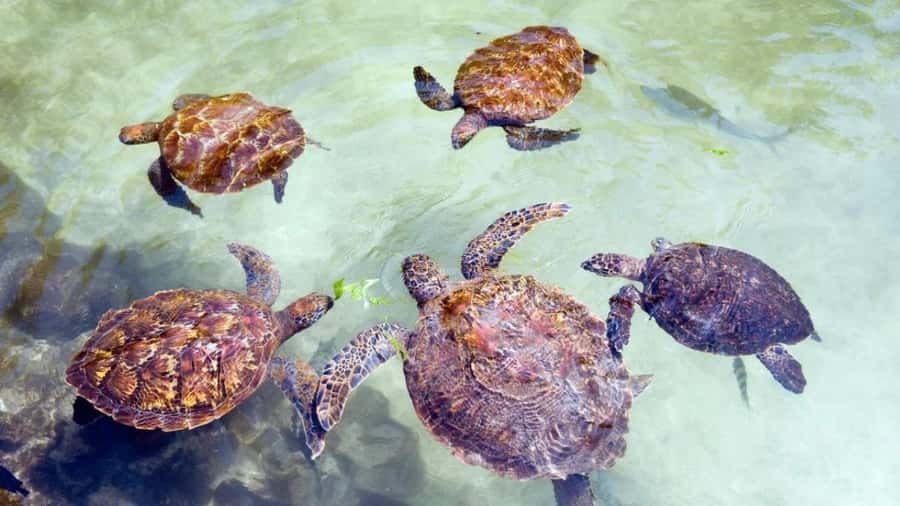
Salaam Cave is described as a sea turtle conservation area. The big message here is rehabilitation and protection. During your visit you will learn about sea turtle rehabilitation efforts, and the tour notes that you may, in some cases, swim alongside these gentle creatures in crystal-clear waters.
Here is the balanced way I would approach this. A conservation setting can be meaningful, but it is still important to observe respectfully and think critically about what you are seeing. One visitor, Jacopo from Italy, loved the Jozani portion but felt the Salaam Cave visit was too crowded and raised concerns about animal care, and they suggested avoiding it. That is one clear caution sign.
So, how do you make a smart call on the ground? Go with curiosity, not entitlement. Watch how the sanctuary staff conduct the visit. Look at how animals are handled and what rules are emphasized. If the vibe feels rushed or overly performative, you can choose to keep your distance and focus on viewing rather than encouraging close interaction.
Even with that caution, this stop can still be valuable if your goal is understanding conservation and seeing sea turtles connected to active protection work. The guided tour is part of what you are paying for, not just the tank or the water.
Swimming with turtles, in some cases: your safety and your respect checklist
The chance to swim comes up in the description, but it is framed as something that happens in some cases, not a guaranteed feature. That means you should treat it like a possible bonus.
If you do get water time, bring your gear mindset. The tour reminds you to pack beachwear and comfortable clothing for the weather. You also want to bring a camera, but remember that conservation settings are not photo-at-will zones. Follow the guide’s cues.
Also keep in mind that this is wildlife-adjacent time. Your job is to be calm, follow rules, and avoid any behavior that looks like grabbing or chasing. Even when the turtles are gentle, they are still animals in a controlled setting.
If swimming does not happen on your day, you still have the guided visit and marine life viewing as the core. In other words, do not build your expectations around only the water part.
Price and value: is $40 a good deal for this Zanzibar combo?
At about $40 per person for a roughly 5-hour outing, this is priced like a solid half-day activity. For me, the value comes from what is included rather than just the sightseeing.
You get:
- guided tour of Jozani Forest
- entrance fees at Jozani Forest and Salaam Cave
- a professional guide
- Salaam Cave visit (with entry included)
- transfer after meeting point if pickup option is selected
- local drumming visit
That entrance-fee coverage matters on Zanzibar, where park and site access can add up quickly. Also, guided interpretation is a real value here. Jozani becomes a much better experience when someone explains mangroves, medicinal plants, and conservation efforts while you walk.
The other value factor is the format. Jozani is about 2 hours, Salaam Cave is about 61 minutes, and the rest is travel and included stops like a dance show and market visit. You are not spending your entire day on the road, but you still see both major conservation experiences in one go.
The only reason this might not feel like a great deal is if you are strongly focused on the turtle-swim moment and that moment does not happen for you. In that case, you still get the guided visit, but your personal payoff might be lower.
Transfers, language, and meeting point, so you do not waste time
The meeting point is the Jozani forest office. Pickup is optional. If you choose pickup, the driver comes to your hotel reception and takes you from there with your details.
One practical reason I like tours like this is the language support. The live guide can work in English, Swahili, Italian, French, Spanish, or German. That reduces the chance of you missing key conservation explanations.
Also, this tour is listed as a private group. Private group does not mean you will never see crowds at a popular site, but it does usually mean you are not stuck in a huge pack for the forest walk. You get more flexibility for questions, and the guide can manage the group pace better.
The van time breaks down as about 45 minutes, then 30 minutes, then another 45 minutes in between. That is enough movement that you will want to dress for sun and dust, but it is not so much that your day is mostly transit.
What to bring, rules to follow, and small comfort moves that matter
Bring comfortable shoes. This is a walking day, and it is not described as suitable for mobility impairments. Wear footwear that grips and supports you when the ground is uneven.
Bring a camera. Jozani gives you the chance for wildlife photos, and Salaam Cave gives you marine life viewing.
Bring insect repellent, especially for forest time. The tour also notes Mosques spray and comfortable shoes recommended, so plan to use your preferred bug protection.
If you want the best chance at the full turtle experience, pack beachwear. Even if swimming is not guaranteed, you will be happier if you can adapt quickly.
Weather-appropriate clothing is key too. You are in Zanzibar and moving between shade and sun. Light layers can help, and a hat is useful.
Rules are straightforward: touching plants is not allowed. Follow that. It keeps the park healthier and reduces friction with staff.
Who should book this tour, and who should reconsider
This is a strong choice if you want:
- wildlife spotting with local context
- an endemic species moment with red colobus monkeys
- a conservation-focused second stop rather than just beach time
- a half-day pace that still feels like it has depth
You should especially consider it if you like guides who talk about ecology and conservation, not only where to stand for a photo.
It may not be the best choice if you:
- need a low-movement day, because it is not suitable for mobility impairments
- hate crowd energy, because Salaam Cave can get busy
- are mainly there for guaranteed turtle swimming, since the description says swimming can happen in some cases
One final reality check based on the concern raised by Jacopo from Italy: if animal welfare and crowd conditions are your top priorities, approach Salaam Cave with extra attention. It does not mean you cannot go, it means you should go prepared to assess what is happening once you arrive.
Should you book Jozani Red Colobus and Salaam Turtle Sanctuary?
Yes, I would book it if you want a well-paced Zanzibar nature day with real habitat time and guided conservation learning. Jozani is the star for most people, and for good reason: endemic red colobus monkeys, mangrove ecology, and the chance to spot other forest creatures like dik-diks, elephant shrews, and chameleons.
I would also book it if you are open-minded about Salaam Cave and can handle the possibility of crowds. This part can be meaningful, but it is also the place where you should keep expectations grounded and stay alert to animal care and how the visit is run.
If you are booking only for the turtle-swim moment, you might feel let down when that part does not happen. In that case, you may want to treat the turtle sanctuary visit as the main payoff, not the water time.
FAQ
How long is the tour?
The duration is about 5 hours.
What is included in the price?
It includes a guided tour of Jozani Forest, entrance fees at Jozani Forest and Salaam Cave, a professional guide, the Salaam Cave visit, a local drumming visit, and transfers after meeting point with pickup if you select that option.
Where do we meet for the tour?
You meet at the Jozani forest office.
Is pickup from my hotel available?
Pickup is optional. If you choose it, the driver will pick you up from your hotel reception.
Can I swim with the turtles?
Swimming with the turtles can happen in some cases, depending on the situation. The tour also includes the sanctuary visit and marine life viewing.
What should I bring and what is not allowed?
Bring comfortable shoes, a camera, beachwear, insect repellent, and weather-appropriate clothing. Touching plants is not allowed.
Turtle Lagoons and Sanctuaries
- Jozani Forest, Sea Turtles, Blue Lagoon, Starfish & The Rock
★ 4.8 · 4 reviews
Back Into Jozani Forest
- Zanzibar: Jozani Forest & Red Colobus Monkeys Private Tour
★ 4.5 · 13 reviews - Zanzibar Nature Combo: Salaam Cave Swim & Jozani Forest Tour
★ 4.8 · 11 reviews - ZANZIBAR; JOZANI FOREST
★ 3.9 · 6 reviews - Mnemba Island, Prison Island, Secret Garden, Jozani Forest
★ 4.4 · 5 reviews - Zanzibar: Jozani forest, Butterfly center & Salaam cave tour
★ 4.8 · 4 reviews
Just added from around Jozani Chwaka Bay National Park
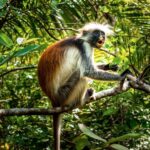
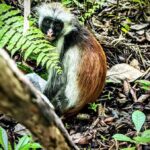
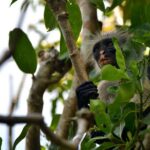
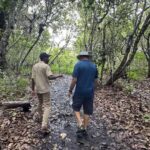
Jozani Forest and Red Colobus Monkeys, compared.
 ★ 4.6Zanzibar: Jozani Forest & Sea Tortoises Sanctuary TourFrom $75204 reviews
 ★ 4.5Dolphin tour, Jozani Forest, Jambiani Kuza Cave, Paje Beach &The Rock restaurentFrom $130164 reviews
 ★ 4.7Zanzibar full day Jozani forest + Spice farm and stone townFrom $9090 reviews
 ★ 4.5Zanzibar: Jozani nature walk and wildlife tourFrom $9889 reviews
 ★ 4.5Zanzibar: Red Colobus Monkeys in Jozani Forest Guided TourFrom $9980 reviews
 ★ 4.2Zanzibar: Jozani Forest, Salaam Cave & The Rock RestaurantFrom $10577 reviews
 ★ 4.2Zanzibar: Prison Island, Tortoise, Jozani Forest Guided TourFrom $10068 reviews
 ★ 4.7Zanzibar: The Rock, Paje Beach, Jozani Forest, Salaam CaveFrom $14057 reviews
Browse the lists this tour appears in