
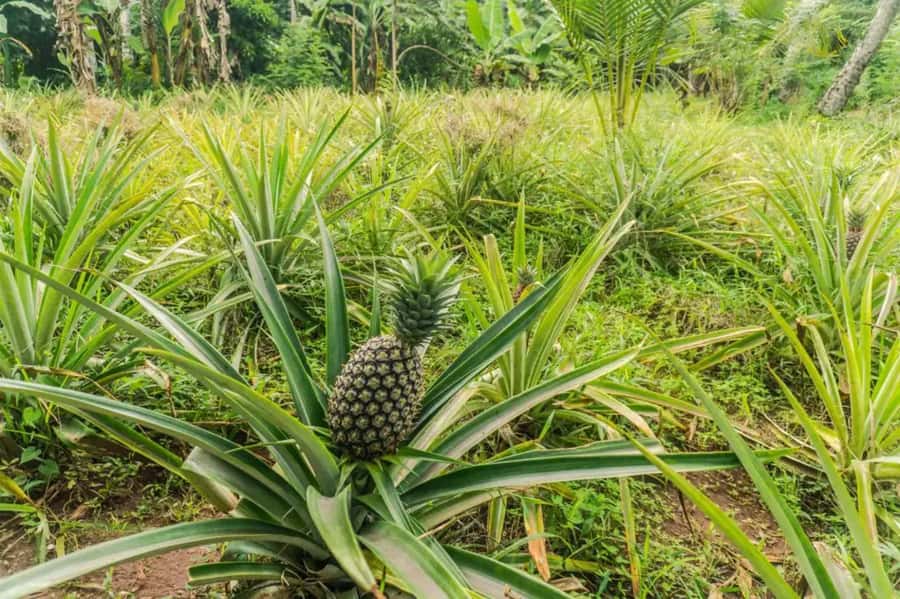
REVIEW · ZANZIBAR SPICE FARMS AND PLANTATIONS
Zanzibar: Walking Spice Tours with Guide
Spices become personal when you can smell them growing. This 3-hour walk in a Zanzibar shamba turns the usual spice shop browsing into a hands-on lesson, with smelling and tasting at the center of it.
I also like the focus on how spices, herbs, and tropical fruits grow, not just what they cost in a packet. Guides often explain what you are seeing in plain terms, and names like Omar and his assistant Rajem, plus Pietro, come up in the experience people had.
One thing to consider: the tour ends with a stop at a spice stall, and a few people felt the pacing could tilt toward selling. If you want lots of detail on drying and processing steps, you may come away wanting more of that.
In This Review
- Key highlights that make this tour worth your time
- Zanzibar spices, explained on foot in a shamba
- Tangawizi Spice Farm, walk time, and what the route feels like
- Smell, taste, and recognize Zanzibar’s spice family
- The tasting and the final spice stall, sales or education?
- Guides, pace, and the difference between a great chat and a rushed one
- Price and value: what the $35 includes, and what it doesn’t
- Who this tour fits best, and who should skip it
- Practical tips before you go
- Should you book Zanzibar walking spice tours from Stone Town?
- FAQ
- Where does the tour start and end?
- How long is the Zanzibar walking spice tour?
- What is included in the tour price?
- Is food or drinks included?
- Do I need cash for the tour?
- What languages are available for the guide?
- Is this tour suitable for everyone?
Key highlights that make this tour worth your time
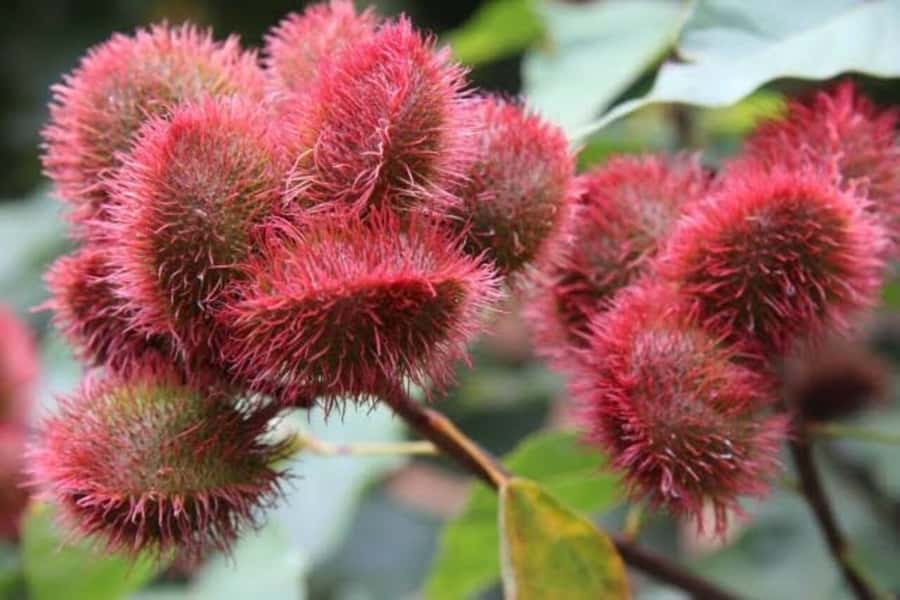
- Real shamba walking: see plants growing on an organic farm instead of only seeing spice jars.
- Smell-and-taste moments: you get to experience aromatics and flavors, not just listen.
- A big plant list: you can expect spices and fruits like clove, lemongrass, turmeric, vanilla, papaya, chili, and more.
- Stone Town pickup: hotel pickup and drop-off keeps the start simple.
- A community-run feel: the farm experience is tied to local livelihoods you can feel in how the visit is conducted.
- Cash-only shopping stop: plan for the final sales stop at the end.
More spice farm afternoons on the island
- Zanzibar: Stone Town, Spice Tour, Prison Island with Lunch★ 4.4 · 1,219 reviews
- Zanzibar: Prison Island, Stone Town, & Spice Farm Tour★ 4.5 · 579 reviews
- Zanzibar: Stone Town, Spice tour & Prison Island with Lunch★ 4.6 · 453 reviews
- Full-Day Private Stone Town +Spice Farm and Prison Island Tour★ 4.5 · 216 reviews
Zanzibar spices, explained on foot in a shamba
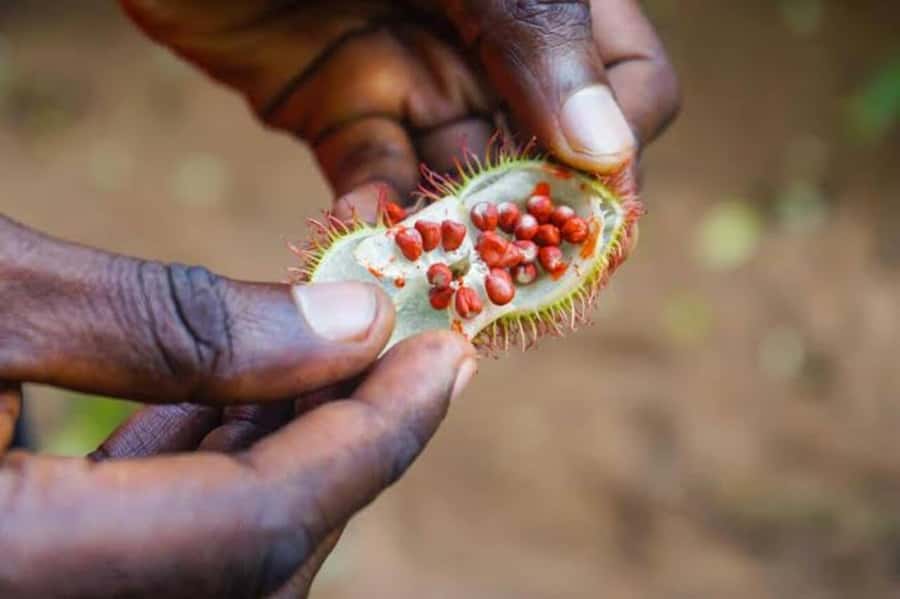
Zanzibar’s fame has long been tied to spice production, especially clove, nutmeg, and cinnamon. This tour leans into that heritage in a very practical way. Instead of lecturing you from a bus seat, you walk through a farm where the plants are actually living their best lives.
The best part is that your senses do the heavy lifting. You are not just hearing spice names. You are getting close enough to smell herbs and spices as they grow, and you should have tasting moments as well. That makes it easier to remember what you are seeing later when you find yourself back in Stone Town trying to pick out the same aromas in a shop.
If you like travel days that feel active but not exhausting, this works well. You are moving, but it is a guided stroll with stops for explanation and sampling.
Tangawizi Spice Farm, walk time, and what the route feels like
The tour starts with pickup in Stone Town, then you head out to the farm. In practice, the drive can be around 30 minutes each way, so the full 3 hours includes real travel time, not only strolling in the shamba.
Once you reach the farm, you’ll do the main guided walk through the spice fields. The farm visit is where you learn what grows together, how plants are used, and why Zanzibar’s climate suits these crops. Expect a steady pace rather than a long trek through wilderness. This is more “walk and observe” than “challenge hike.”
The tour style can vary a bit by guide and group flow. Some people describe a shorter farm walk (around 2 hours for the walking portion), while the official duration stays at 3 hours total. Either way, you should plan to spend a good chunk of the day in “on your feet” mode, especially if you are also stopping for tastings.
Smell, taste, and recognize Zanzibar’s spice family
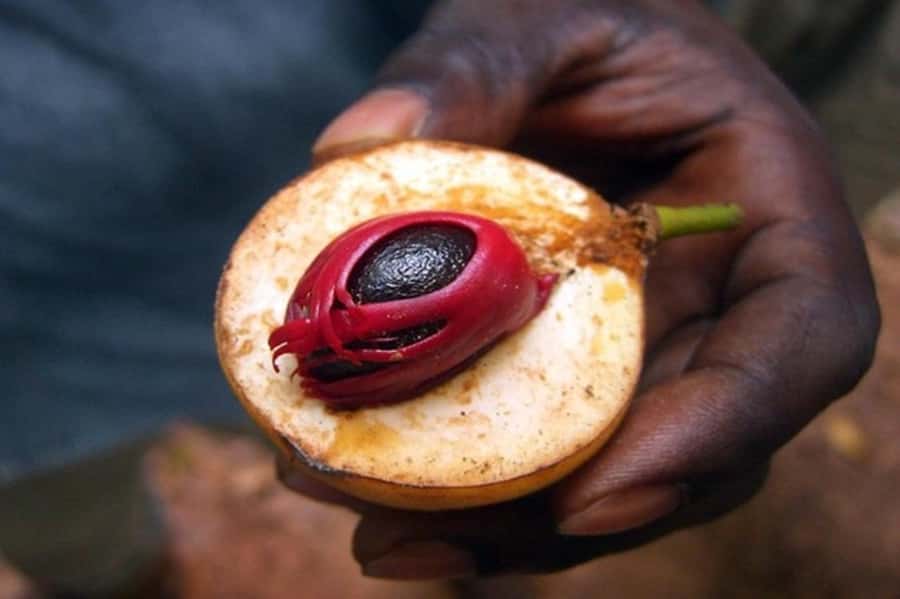
This is the tour’s starring act: the list of spices and tropical fruits you may encounter is wide, and that’s the point. Zanzibar is famous for more than just clove and nutmeg, and the farm visit tries to show you the variety.
Here’s what you can expect to be introduced to during the walk and tastings:
- clove and nutmeg
- cinnamon and turmeric
- lemongrass and vanilla
- coconut, papaya, jackfruit
- chili and black pepper
- cardamom and cassava
- oranges, plus other fruits and herbs you may be shown
Even if you only end up remembering a handful, the tour helps you connect aroma to plant. For example, you might find that when you smell turmeric in the field, it suddenly makes sense why it has that earthy, warming character in food. Lemongrass is another one that tends to register fast when you experience it right where it grows.
Also, you get to see cultivation in action. The farm walk is specifically about showing how spices, herbs, and fruits are grown and tended. That matters because spices in shops are dried and processed. On the farm, the plant is alive, and that difference makes the lesson stick.



The tasting and the final spice stall, sales or education?
The end of the experience has two elements: tastings in the farm area, and then a stop at a spice stall for fresh packaged spices. The stall part is cash only, so bring cash if shopping tempts you, or at least if you want the option to buy at the end.
Here’s the balance to consider. The price includes entrance fee, your guide, and hotel pickup and drop-off, so the experience is not only about shopping. At the same time, a spice stall is a real business, and you should expect a push to buy something at the end.
A few people liked the visit as informative and community-focused. Others felt the tour turned into a sales stop more than a deeper farm walk, especially if they hoped to see more steps of processing like drying or more detailed production methods. The tour description emphasizes plants growing and guided explanation, so that expectation is worth lining up before you go.
My practical takeaway: go for the farm walk, smell-and-taste learning, and then treat the stall as optional. If you buy, buy what you will actually use. If you do not buy, it can still be a useful finish because it helps you translate the aromas you encountered in the fields into what you can take home.
Guides, pace, and the difference between a great chat and a rushed one
A guided spice farm visit lives or dies on the guide’s ability to translate plants into something you care about. The good news is you have multiple language options, including English, German, French, and Italian.
In real experiences, guide quality can vary. Some people describe guides who were organized and clearly good at showing spices and fruits in a way that felt enjoyable, including Omar with assistant Rajem, and also Pietro praised for being perfect. That kind of guidance helps you connect what you smell with what you are learning.
On the flip side, some reviews flagged a guide who felt less passionate, plus a tour flow that included extra stops and tips requests. Another complaint was that there were not many stages shown for processing or drying, and that the farm area you actually view can feel limited.
How you can protect yourself? Decide what you want most. If you want plant identification, tasting, and a guided explanation, you’re in the right place. If you want a factory-style tour of how products are processed end-to-end, this tour may feel like a sampler rather than a full production walkthrough.
Price and value: what the $35 includes, and what it doesn’t
At $35 per person, this tour looks like good value if you factor in the included logistics:
- hotel pickup and drop-off in Stone Town
- entrance fee
- tour guide
You also have some clarity on tipping. The tour price already includes tips for farm workers, so you don’t have to worry about that part. Still, tipping norms can be messy in real life. One experience mentioned multiple tip moments, including for the guide and an assistant, plus an extra person involved in the moment. So while the core included tip for farm workers is part of the price, plan to be flexible if your guide or situation suggests extra giving.
Food and drinks are not included. That’s important because a spice tour is active and sensory, and you may end up spending money elsewhere for water or snacks. Bring a simple plan so you are not hungry or thirsty during the walk.
When it comes to value, the biggest lever is whether you enjoy this style of learning. If you love food travel and you like guided explanations with hands-on tasting, you’ll likely feel the price is fair. If you prefer self-paced exploring, you might feel boxed in by pacing and sales at the end.
Who this tour fits best, and who should skip it
This is a walking tour in a spice farm, so comfort matters. The recommended packing list is simple: comfortable shoes and a camera.
It is not suitable for:
- people with back problems
- wheelchair users
- babies under 1 year
- people over 95 years
If you are generally steady on your feet, this can be a fun, easy-going way to experience Zanzibar beyond Stone Town’s streets. It also makes sense as a first excursion if you want something different right away, because it connects the island’s food culture to real plants.
It’s especially a good match if you:
- like tasting and food-oriented travel
- enjoy learning from local guides
- want a cultural activity that feels grounded, not staged
It may be less satisfying if you:
- want deep technical detail about drying and processing steps
- dislike any sales component at the end
- prefer very independent travel
Practical tips before you go
A few small choices make this tour smoother.
Wear comfortable shoes. This is a walking farm experience, and you’ll thank yourself for good grip and support when you’re moving between plants.
Bring a camera. You’ll want photos of the plants and the moments where tasting is happening, especially if you want to remember specific spice leaves, pods, or fruits later.
Have cash on hand. The spice stall at the end is cash only. Even if you don’t plan to buy, you might want to be able to participate if the guide recommends something specific.
Think about timing. With pickup from Stone Town and travel time included, the total duration is 3 hours, and the farm walk itself may be closer to 2 hours depending on flow.
Should you book Zanzibar walking spice tours from Stone Town?
Book it if you want an easy, sensory day trip that turns Zanzibar’s spice reputation into something you can smell and taste on the spot. The included guide, entrance fee, and hotel pickup make it low hassle, and the variety of spices and tropical fruits you can encounter is a real win.
Skip it or adjust expectations if you are chasing a deep production tour. This experience focuses on the living plants, guided explanations, and tastings, then it finishes with a cash-only stall. If you need lots of details on processing and drying, you may feel the visit ends too soon or stays too general.
My quick decision rule: if your idea of fun is walking through a shamba, learning plant names, and tasting what you just smelled, this is a strong choice. If your idea of fun is only factories, long walks in rough terrain, or zero sales pressure, you might want a different kind of excursion.
FAQ
Where does the tour start and end?
Pickup is in Stone Town, and the tour returns you back to Stone Town.
How long is the Zanzibar walking spice tour?
The total duration is 3 hours.
What is included in the tour price?
The price includes hotel pickup and drop-off, entrance fee, and a tour guide.
Is food or drinks included?
No, food and drinks are not included.
Do I need cash for the tour?
Yes. The tour finishes with a stop at a spice stall where purchases are cash only.
What languages are available for the guide?
The tour guide is available in English, German, French, and Italian.
Is this tour suitable for everyone?
It is not suitable for people with back problems, wheelchair users, babies under 1 year, or people over 95 years.
More Spice Farm Afternoons
- Zanzibar: Stone Town, Spice Tour, Prison Island with Lunch
★ 4.4 · 1,219 reviews - Zanzibar: Prison Island, Stone Town, & Spice Farm Tour
★ 4.5 · 579 reviews - Zanzibar: Stone Town, Spice tour & Prison Island with Lunch
★ 4.6 · 453 reviews - Full-Day Private Stone Town +Spice Farm and Prison Island Tour
★ 4.5 · 216 reviews - Zanzibar: Spice Tour & Stone Town Walking Tour
★ 4.8 · 115 reviews
Just added from around Zanzibar City

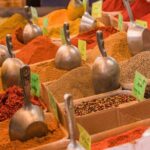


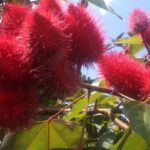
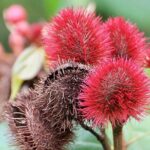
Zanzibar Spice Farms and Plantations, compared.
 ★ 4.4Zanzibar: Stone Town, Spice Tour, Prison Island with LunchFrom $681,219 reviews
 ★ 4.5Zanzibar: Prison Island, Stone Town, & Spice Farm TourFrom $70579 reviews
★ 4.6Zanzibar: Stone Town, Spice tour & Prison Island with LunchFrom $55453 reviews
★ 4.5Zanzibar: Prison Island, Stone Town, & Spice Farm TourFrom $70579 reviews
★ 4.6Zanzibar: Stone Town, Spice tour & Prison Island with LunchFrom $55453 reviews
 ★ 4.5Full-Day Private Stone Town +Spice Farm and Prison Island TourFrom $100216 reviews
 ★ 4.5Spice Tour + Stone Town Tour + Prison IslandFrom $140130 reviews
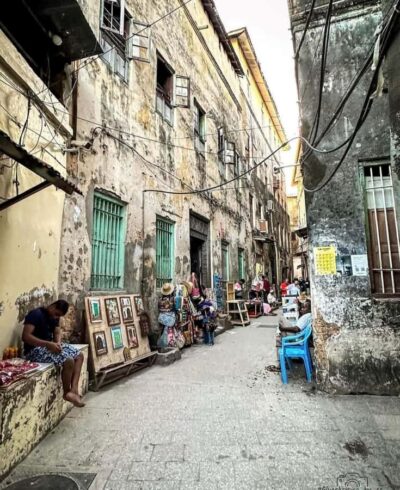 ★ 4.8Zanzibar: Spice Tour & Stone Town Walking TourFrom $95115 reviews
 ★ 4.5Zanzibar: Stone Town & Spice Farm Tour with LunchFrom $7397 reviews
 ★ 4.7Zanzibar: The Swahili Spice Experience – Spice Tour + Culinary JourneyFrom $2196 reviews
Browse the lists this tour appears in