

REVIEW · STONE TOWN HERITAGE WALKS
Zanzibar: Stone Town Walking Tour with Guide
Stone Town walks in your footsteps. This Zanzibar Stone Town walking tour turns a few hours into real context, weaving coral-stone streets and UNESCO-level history into a guided stroll. You’ll spend time in the old city maze where Arabic, African, Indian, and European influences sit side by side, and your guide connects the dots as you go.
I love how much ground you cover in just three hours, without feeling rushed. I also love the way your guide steers you through signature stops like the Sultan’s Palace area and the food and culture energy near Darajani Market.
One consideration: this is a walking-focused tour, and the comfort factor is real in the heat, plus meals and drinks may not be included even though lunch arrangements are mentioned in the tour description, so clarify what you are getting when you book.
In This Review
- Key highlights to look for
- Why Stone Town feels like a different planet of history
- A 3-hour route built for first-time bearings
- The coral-stone lane moment, and why it matters
- Old Slave Market area and the Anglican Cathedral stop
- House of Wonders and the Sultan’s Palace area, the big-picture payoff
- Freddie Mercury Museum photo stop, quick but fun
- Old Fort photo stop, where views help you understand the port city
- Darajani Market stop, the real-life energy piece
- Lunch and food: what you should confirm
- Guides really make the difference in Stone Town
- Who this walking tour suits best
- Price, value, and what you actually pay for
- Practical tips so you enjoy the walk more
- Should you book this Zanzibar Stone Town walking tour?
Key highlights to look for
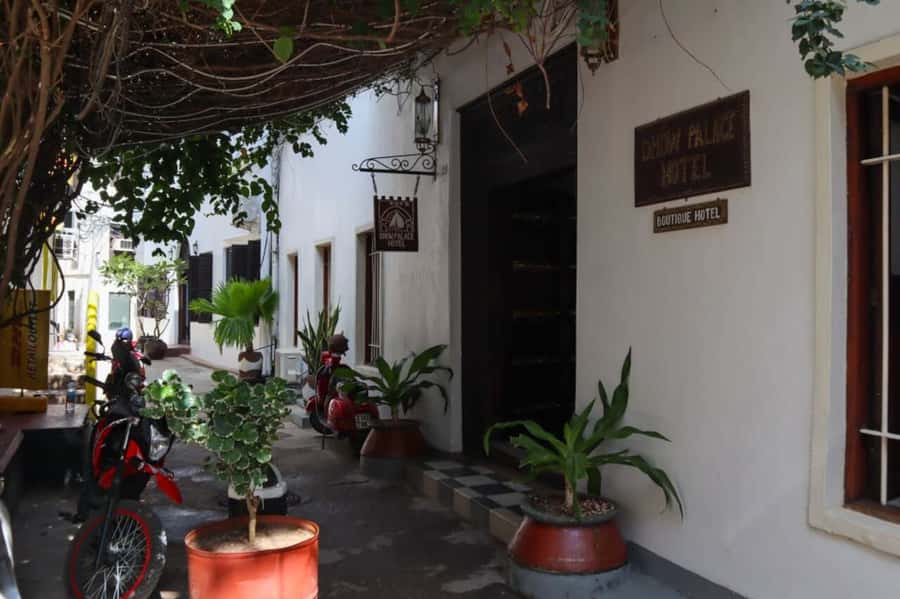
- Coral-stone lanes inside a UNESCO World Heritage Site (Stone Town was declared a World Heritage Site in 2000)
- A guided circuit of top landmarks, including the Old Slave Market area, House of Wonders, Old Fort, and Sultan’s Palace area
- Tasting your way through everyday Stone Town life, with a stop at Darajani Market
- A small-group feel and a pace you can manage, since your route includes frequent photo and walking breaks
- Multiple guide languages (English, German, French) and a clearly professional setup, including pickup and drop-off
Other Stone Town walks we followed
- Zanzibar: Stone Town, Spice Tour, Prison Island with Lunch★ 4.4 · 1,219 reviews
- Zanzibar: Prison Island, Stone Town, & Spice Farm Tour★ 4.5 · 579 reviews
- Zanzibar: Stone Town, Spice tour & Prison Island with Lunch★ 4.6 · 453 reviews
- Stone Town Private Walking Tour★ 5.0 · 371 reviews
Why Stone Town feels like a different planet of history
Stone Town is Zanzibar’s cultural and historical core, and it shows from the first turn. The streets are tight and winding, built for walking, not for vehicles, so the town works like a living diagram of trade, migration, faith, and power.
What I like most is that this tour doesn’t treat Stone Town like a single museum room. You move between different kinds of spaces: religious buildings side by side, historic civic areas, and the markets where daily life carries on. That mix is exactly why Stone Town earned its World Heritage status in 2000. It’s not just old buildings, it’s the pattern of a port city culture.
And there is a special kind of texture in the coral-stone construction. Coral stone was used across Zanzibar, and the stonework gives you a distinct look compared with mainland towns. On a guided walk, you notice it more, because your guide explains what you are seeing instead of leaving you to guess.
A 3-hour route built for first-time bearings
Three hours sounds short until you realize Stone Town rewards smart routing. Your guide takes you through a sequence that gives you a map in your head, not just a list of photo stops.
You’ll start with pickup from Stone Town or Zanzibar and a quick photo-and-stroll introduction. From there, the focus shifts to major landmarks and the stories that connect them. The design of the walk is practical: narrow streets mean you slow down naturally, and your guide builds in moments to stop, look, and take photos without turning the tour into a sprint.
A key detail that came through strongly in feedback is pacing. Multiple people describe guides going at their pace and allowing flexible stops for closer looks. That matters in Stone Town because the best parts are often the details right at hand, like an entry archway, a sign in passing, or a doorway you would miss if you were herded forward.
The coral-stone lane moment, and why it matters
One core feature is the chance to visit a historical street constructed from coral stone during the 19th and 20th century. That detail isn’t just architectural trivia. It’s how you understand the materials and wealth of a maritime trade town.
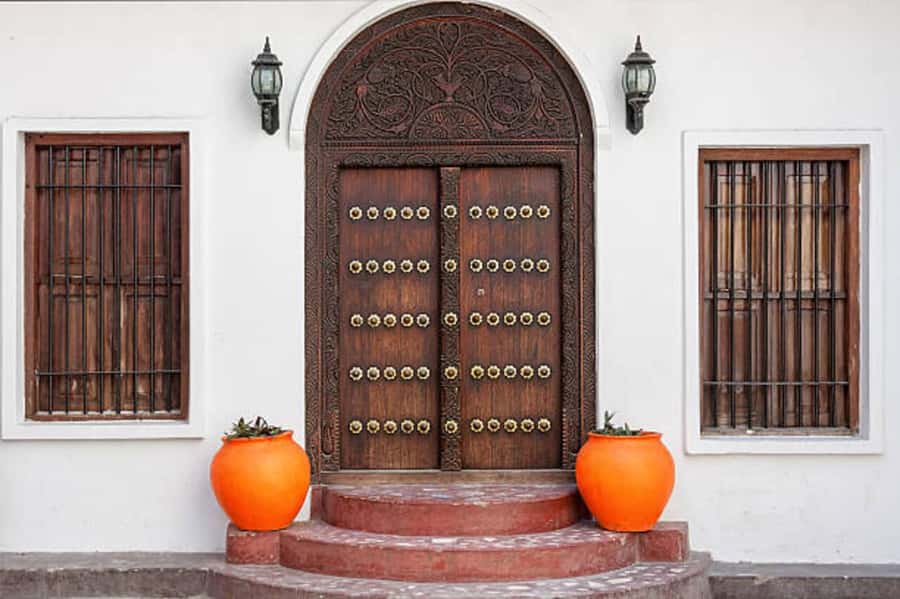
Coral stone is light and workable, and in a warm coastal climate it made sense for building. When your guide points out the coral-stone structures, you start seeing Stone Town as an engineered environment, not just scenic streets. You also pick up why the area can feel atmospheric and mystical. Narrow lanes amplify sound, scents, and activity, and the stone surfaces change the look of light.
If you like to connect places to real-life context, this stop is where it clicks. You are not just looking at something old, you are learning how the town was shaped and why it still functions as a neighborhood today.



Old Slave Market area and the Anglican Cathedral stop
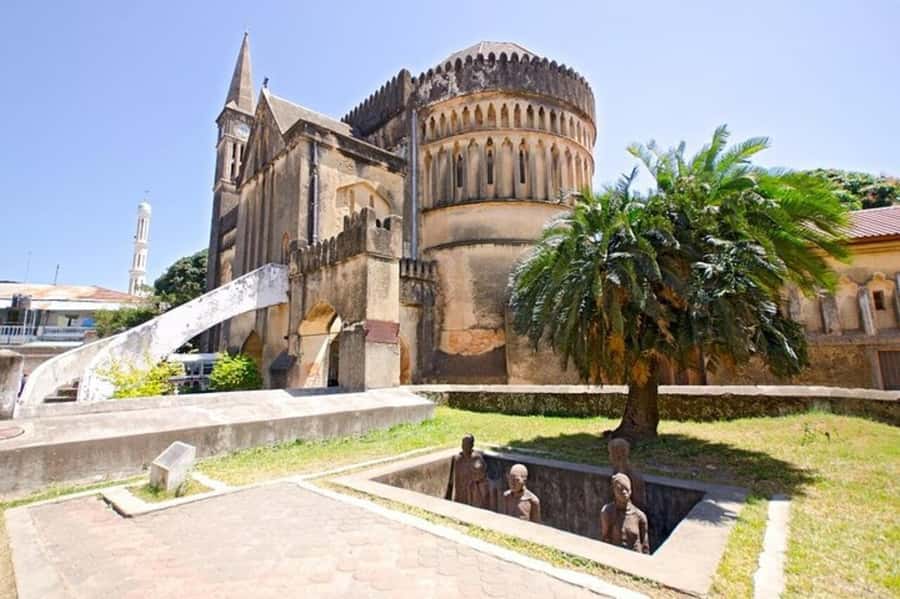
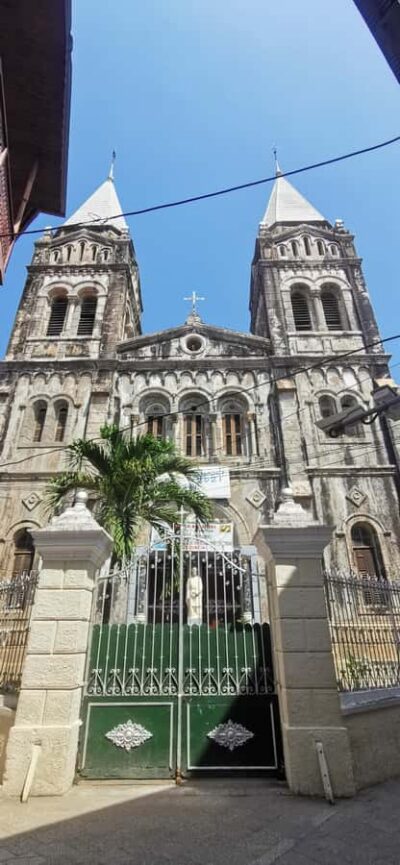
This walk includes the Old Slave Market/Anglican Cathedral area, where history is heavy but unavoidable. It’s an important checkpoint because Stone Town’s identity is tied to the slave trade era, and a proper guided explanation helps you avoid treating it like a generic photo spot.
What makes this part valuable is the framing. Your guide turns the location into a story about the port’s role and how power moved through Zanzibar over time. You’ll also see how the religious landscape overlays the historic one, with the cathedral presence adding another layer to the city’s mix of faiths.
I’d approach this stop with a little respect for the mood. If you want a quieter experience, give yourself permission to slow down and absorb. This is one of those moments where the guide’s tone and explanation can make a difference.
House of Wonders and the Sultan’s Palace area, the big-picture payoff
The tour also includes major landmarks tied to Zanzibar’s rulers and civic imagination. You may pass by or visit the House of Wonders area and spend time near Sultan’s Palace.
These are the stops that give you the big-picture view. When your guide connects the dots between political power, trade, and the built environment, the town starts to read like a coherent story. The mix of Arabic, African, Indian, and European influences becomes less abstract because the buildings and street patterns act like evidence.
Also, this is where the practical benefits show up. When you understand where the key historic centers were, you can navigate the rest of Stone Town more easily afterward, even on your own.
Freddie Mercury Museum photo stop, quick but fun
You get a Freddie Mercury Museum photo stop. It’s not positioned as the heart of the tour, but it’s a nice bridge for pop-culture curiosity, especially if you like mixing famous connections with a deeper local framework.
This stop tends to work well because it’s a short segment. You can grab photos and keep moving, rather than feeling stuck in a longer museum time block. If you want to go further, you’ll have the context from the rest of the walk before you choose to return.
Old Fort photo stop, where views help you understand the port city
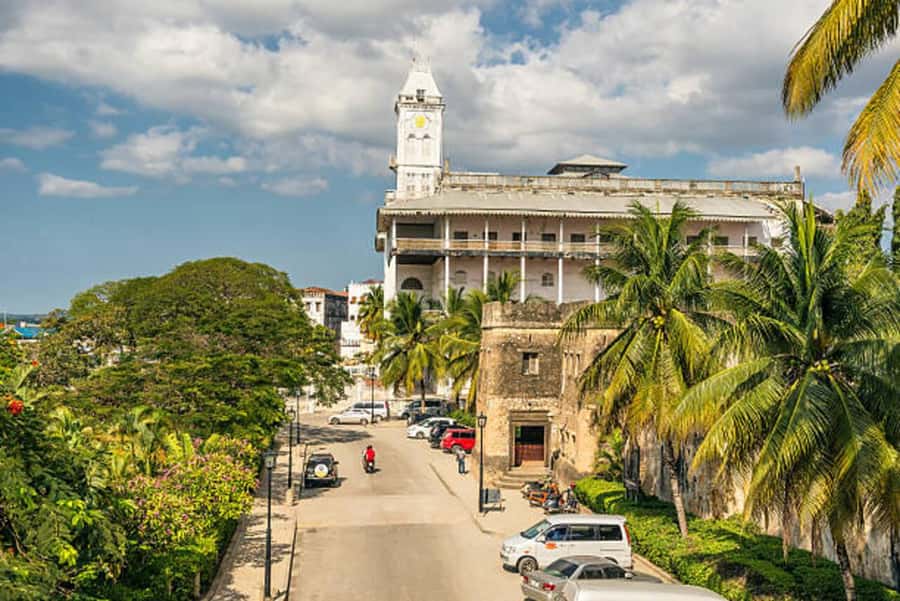
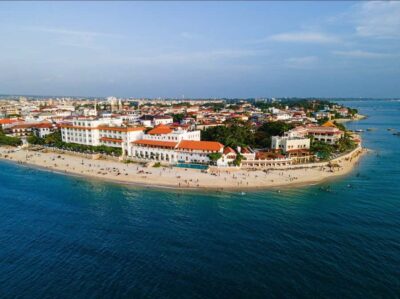
The walk includes the Old Fort area with a photo stop. Even if you don’t spend loads of time there, it helps you understand how Stone Town was designed around the sea and protection.
Fort areas are useful on walking tours because they reset your perspective. You see the relationship between the historical town center and its geography. That’s one reason why Fort stops often feel like a mental break from narrow lanes.
If you’re sensitive to heat or sun, this is also a good moment to take water breaks while you’re already standing in an open space. Bring your camera and be ready for a few angles that look better than you expect.
Darajani Market stop, the real-life energy piece
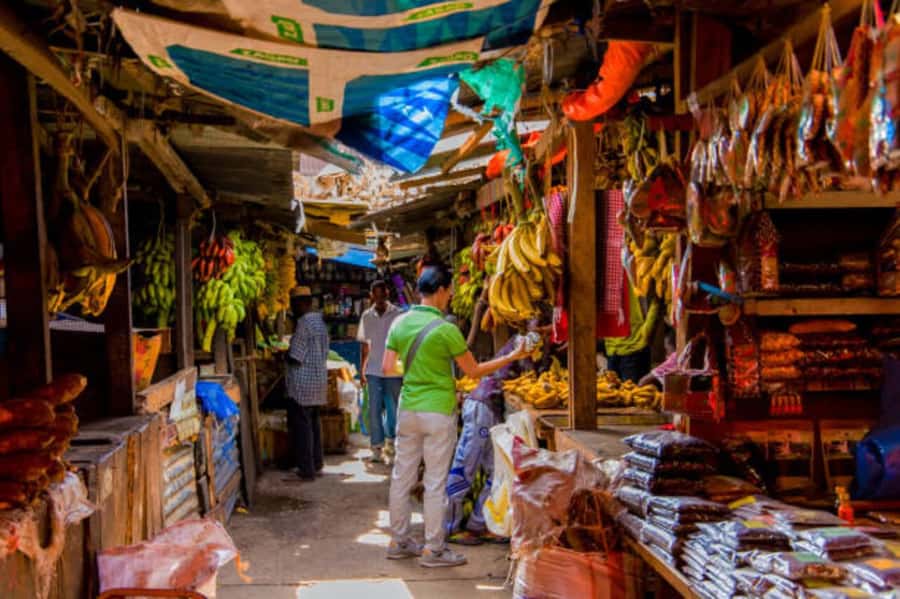
The tour ends with a Darajani Market visit and photo stop. This is where Stone Town shifts from historic explanation to everyday movement. Markets are chaotic in a good way, and your guide’s presence helps you read what you’re seeing.
This stop matters because it shows you that Stone Town is not only heritage sites and stone corridors. It’s also living commerce. You’ll likely notice how different communities interact through food, goods, and daily routines.
One practical tip: markets can be visually intense. If you’re someone who likes to shop, ask your guide about what is worth it and what is more tourist-priced. If you are not shopping, you can still enjoy the atmosphere with a camera and a sense of curiosity.
Lunch and food: what you should confirm
The tour description notes that lunch is included either in a restaurant or in a local house, as agreed before. But the activity details also state that meals and drinks are not included.
So here is the honest move: when you book, confirm whether lunch is truly included for your option, and whether drinks are covered. If lunch is not included, plan to eat before or after the tour. If it is included, ask what kind of meal to expect and whether there are vegetarian options.
Either way, expect this to be a part of your day planning. In Stone Town, timing can make or break your comfort, and a guided walk plus food should fit cleanly together.
Guides really make the difference in Stone Town
The biggest recurring praise is the guide. People repeatedly highlight the kind approach and detailed explanations, plus a knack for making the narrow streets feel navigable.
Names that come up include Abu or Abou as a standout guide, and Bobby in some accounts. Some guests even mention Abu helping with practical needs like navigating streets with a child and stroller, and one review describes a Swahili lesson plus typical bread. Another mentions a rooftop coffee shop bonus. Those are the moments that turn a normal walk into a personal experience.
There is also one balanced note worth hearing: one account mentions that a couple of stops felt more geared toward spending money than sharing information. That doesn’t ruin the tour, but it does mean you should be clear on your own goals. If you want mostly history, you can politely ask for more time on the explanation side. If you want souvenirs, treat shopping as optional and manageable.
Who this walking tour suits best
This is a great match if you want:
- An orientation to Stone Town fast, with a human guide to translate what you are seeing
- A route that hits the key historic sites plus markets
- A small-group setup that doesn’t feel like a bus tour
It may not be ideal if:
- You need a stroller-friendly or low-walking option, since the streets are narrow and walking-focused
- You have mobility limits. The tour explicitly says it is not suitable for people with back problems and pregnant women.
- You want a long museum day. This is a half-day walk, not an all-day deep dive.
The age guidance is also strict, with babies under 1 year and people over 95 years listed as not suitable.
Price, value, and what you actually pay for
At $30 per person for about 3 hours, the main value is what is included: hotel pickup and drop-off (from selected options), taxes and service charges, and a professional licensed tour guide. In a place like Stone Town where routes are tight and information matters, paying for a guide often saves you time and frustration.
Also, the guide language options matter for value. If English, German, or French is your comfort zone, you can get explanations without awkward guesswork.
What you should factor in is that meals and drinks are not automatically included (and lunch inclusion might depend on what you agree to). Bring a small buffer for water, and plan your next meal either during or after the tour depending on confirmation.
Practical tips so you enjoy the walk more
Stone Town walking is easy to underestimate until you’re in it. A few practical moves help:
- Wear comfortable shoes. Coral-stone streets can be uneven.
- Pack a camera. Many photo stops are timed for quick angles.
- Travel light. The rules say no luggage or large bags.
- Skip alcohol. It’s listed as not allowed.
- Expect heat. One review notes it can be very hot, even in February.
If you want maximum comfort, bring a hat and water even though the tour may not provide drinks. Keep the schedule flexible in your mind. Your guide’s route often gives you the ability to stop for closer looks, but you’ll still be walking.
Should you book this Zanzibar Stone Town walking tour?
Yes, if you want the smartest first pass through Stone Town. This is the type of half-day experience that helps you feel grounded quickly: coral-stone architecture, major historic anchors like Sultan’s Palace area and Old Fort, plus the everyday life of Darajani Market. With a licensed guide and pickup included, it’s an efficient way to turn a confusing street maze into something you can actually understand.
Book it if you:
- Like walking tours with clear stops and explanations
- Want both historic context and market atmosphere
- Prefer a small-group feel rather than a crowded stroll
Be cautious if you:
- Need low-walking or have back issues or pregnancy concerns, since the tour is not suitable for those categories
- Expect meals to be fully covered without checking, because the information given is mixed about lunch inclusion
If you confirm lunch and drinks coverage when you book, and you show up with comfortable shoes, this tour is a strong, value-friendly way to start your Zanzibar story in the right place.
Stone Town, Street by Street
- Zanzibar: Stone Town, Spice Tour, Prison Island with Lunch
★ 4.4 · 1,219 reviews - Zanzibar: Prison Island, Stone Town, & Spice Farm Tour
★ 4.5 · 579 reviews - Zanzibar: Stone Town, Spice tour & Prison Island with Lunch
★ 4.6 · 453 reviews - Stone Town Private Walking Tour
★ 5.0 · 371 reviews - Zanzibar: 3 Hours Private Stone Town walking Tour with Guide
★ 4.6 · 301 reviews
Just added from around Zanzibar City





Stone Town Heritage Walks, compared.
 ★ 4.4Zanzibar: Stone Town, Spice Tour, Prison Island with LunchFrom $681,219 reviews
 ★ 4.5Zanzibar: Prison Island, Stone Town, & Spice Farm TourFrom $70579 reviews
 ★ 4.3Zanzibar; Prison Island, Nakupenda, StoneTown Tour with BBQFrom $71457 reviews
★ 4.6Zanzibar: Stone Town, Spice tour & Prison Island with LunchFrom $55453 reviews
★ 4.3Zanzibar; Prison Island, Nakupenda, StoneTown Tour with BBQFrom $71457 reviews
★ 4.6Zanzibar: Stone Town, Spice tour & Prison Island with LunchFrom $55453 reviews
 ★ 5.0Stone Town Private Walking TourFrom $26371 reviews
 ★ 4.6Zanzibar: 3 Hours Private Stone Town walking Tour with GuideFrom $24301 reviews
 ★ 4.5Full-Day Private Stone Town +Spice Farm and Prison Island TourFrom $100216 reviews
 ★ 4.5Zanzibar: Stone Town Historical Cultural Walking Guided TourFrom $21179 reviews
Browse the lists this tour appears in