
REVIEW · STONE TOWN HERITAGE WALKS
Zanzibar Stone Town Historical Tour and Spice Farm Tour
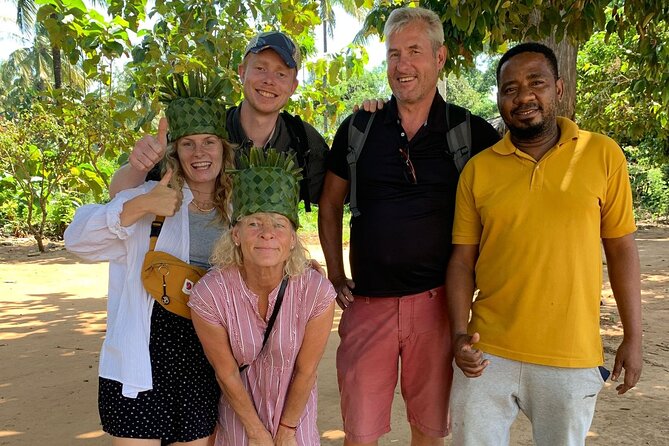
Zanzibar’s streets can tell stories fast. This combo tour strings together Stone Town landmarks and a hands-on spice farm visit, so you get history and flavor in about 3.5 hours. I especially liked the way the guide keeps moving but still makes time for real questions, and I loved the spice tasting and sample bites from the farm. One heads-up, the spices and products sold at the farm can be pricey, so plan on buying only what you truly want.
If you care about meaning, this tour works. You’ll see major sites like the Sultans’ Palace museum and the Old Slave Market area, then you’ll shift gears to cloves, cinnamon, and cardamom with guided picking and tasting. In the best moments, guides like Ali and Daudi were patient, clear, and flexible, which makes the whole day feel smoother instead of rushed.
In This Review
- Key Things To Expect On This Stone Town Plus Spice Farm Tour
- Entering Stone Town: House of Wonders and Freddie Mercury Spotting
- The Sultans’ Palace Stop: People’s Palace Museum With Real Artifacts
- Old Slave Market and Anglican Cathedral: History You Should Sit With
- Jambo Spice Farm: Smell, Pick, Taste, Then Eat What You Learned
- How the Tour Time Actually Feels in Real Life
- Price and Value: Why $50 Can Work for the Right Traveler
- Picking the Right Guide Style: Ali and Daudi Are a Big Plus
- Should You Book This Stone Town and Spice Farm Combo?
- FAQ
- How long is the Zanzibar Stone Town Historical Tour and Spice Farm Tour?
- How much does the tour cost?
- Where does the tour start and end?
- Do you get pickup and drop-off?
- What’s included in the price?
- Are museum or cathedral tickets included?
- Is the spice farm admission included?
- Is this tour private?
- What is the cancellation policy?
Key Things To Expect On This Stone Town Plus Spice Farm Tour
- A tight 3.5-hour plan that still includes museum time, cathedral time, and a real farm visit
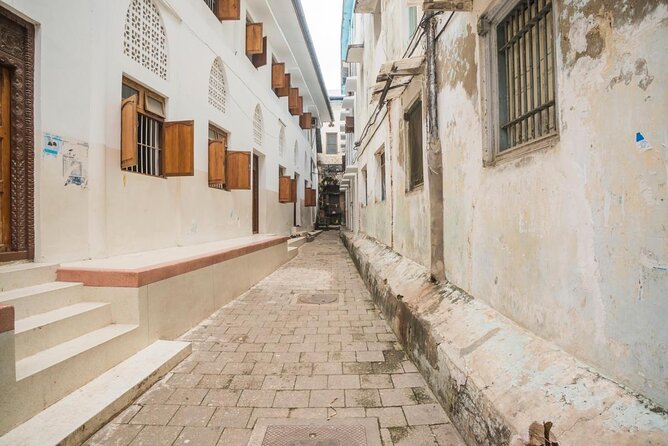
- Stone Town walking with context, including the Old Slave Market site and the Anglican Cathedral area
- Spice farm hands-on time, with picking, smelling, tasting, and a local meal using farm spices
- Guide-led Q&A that actually answers questions, with Ali and Daudi specifically praised for it
- Included water, fruits, and lunch, so you do not have to hunt for snacks between stops
Other Stone Town walks we followed
- Stonetown: Food Markets and Street Food Walking Tour★ 4.7 · 151 reviews
- Zanzibar Stone Town Walking Tour★ 5.0 · 145 reviews
- Stone Town Historical Walking Tour★ 5.0 · 143 reviews
- Spice Tour + Stone Town Tour + Prison Island★ 4.5 · 130 reviews
Entering Stone Town: House of Wonders and Freddie Mercury Spotting

The tour starts in Forodhani, a good central anchor point for getting moving quickly. From there, you cover classic Stone Town highlights at a pace that makes sense in Zanzibar’s heat, with time to look closely rather than just zoom through. You’ll visit the House of Wonders, a landmark known for its big architecture and the exhibitions that connect it to Zanzibar’s heritage.
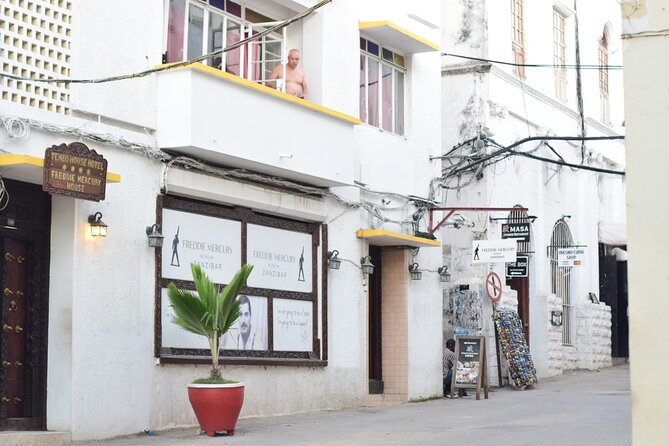
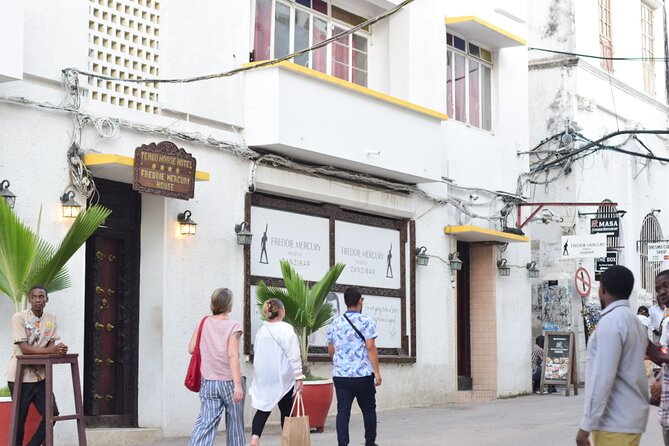
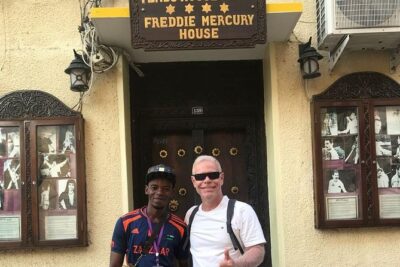
One fun bonus is the passing view of Freddie Mercury’s former residence. You do not go inside, but you still get the connection to Queen frontman and a chance to see how famous people and local history overlap on real streets. It’s the kind of stop that feels quick, but memorable, because you’ll notice details you might otherwise miss.
What I like most here is the mix of “look at that” moments with “here’s what it means” explanations. Even if you only have a short time in Stone Town, you come away with mental images you can place later when you wander on your own.
The Sultans’ Palace Stop: People’s Palace Museum With Real Artifacts
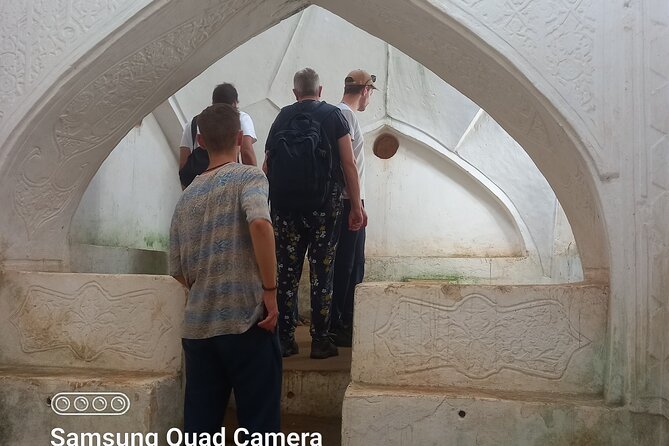
Next up is the People’s Palace Museum, also known as the Sultans’ Palace. Expect a focused museum visit around 30 minutes, with an admission ticket included. This is not just a pretty building stop, it’s where you get a sense of how power worked in Zanzibar and what royal life looked like through artifacts and displays.
If you like museums, this portion gives you a solid snapshot without eating your whole afternoon. You can walk in, get the main story, and then still have energy for the next stop. If you prefer to see only outdoors, note that this one does require sitting and reading at least a bit, even if you go quickly.
A practical tip: bring your best “I can read in sunlight” attitude. Stone Town can be bright, and you’ll want to keep moving and listening rather than trying to soak up every label.
Old Slave Market and Anglican Cathedral: History You Should Sit With
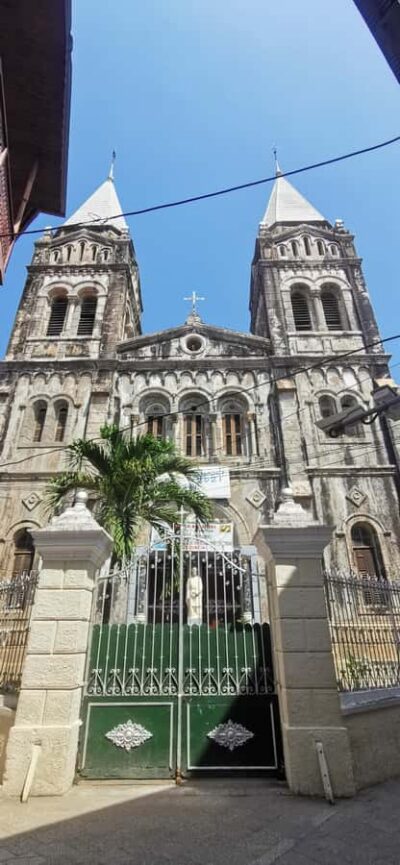
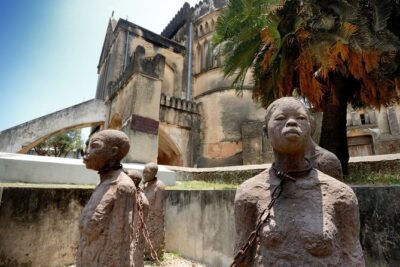
Then comes a heavier moment: the Old Slave Market area, paired with the Anglican Cathedral built on the grounds. You’ll get around 45 minutes here, with admission included. The guide explains the dark history tied to the slave trade and its impact on Zanzibar, which is the point. This is not an “easy photo stop,” it’s a place that asks you to pay attention.
The Anglican Cathedral part matters too. It’s presented as a symbol of liberation and resilience, so you are not only looking at tragedy, you’re also seeing how the site became part of a different story over time. I find that pairing is important, because it keeps the context from feeling like a dead end.
Emotionally, plan for a slower pace in this section. If your group is large or chatty, ask your guide to keep the tone respectful and the explanations clear. You’ll get more out of it that way.
More spice farm afternoons on the island


Jambo Spice Farm: Smell, Pick, Taste, Then Eat What You Learned

After history, you move to the main sensory payoff at Jambo Spice Farm. This part runs about 2 hours, and admission is free as part of the tour. The farm experience is guided, with time in the greenery and explanations of cultivation and processing. You’ll cover spices like cloves, cinnamon, and cardamom, and you’ll get real tasting and sample opportunities rather than just looking at plants.
The best part is that you do not just get facts. You get an actual sensory connection. It’s one thing to hear that cloves smell strong, it’s another to pick, smell, and taste while someone explains what you’re experiencing. This is where the tour turns into a “learn it with your hands and nose” kind of day.
You also get a traditional meal infused with local spices. That lunch is included, and it’s one of the reasons the value here is strong. You’re not paying extra to eat later, and you’re eating something that matches the farm theme instead of grabbing a generic meal on the way back.
There is one realistic consideration: the farm shop sells spices and products, and the pricing may not feel bargain-level. If you are trying to save money, shop with intention. If you’re trying to bring home true Zanzibar spices, this is a good place to buy, but I’d treat it like a quality purchase, not a discount hunt.
How the Tour Time Actually Feels in Real Life

This is billed as about 3 hours 30 minutes, and the flow matters. You spend meaningful chunks on the museum and the Old Slave Market, then you shift into a longer farm session. That means you get both “culture and architecture” and “food and scents” without having to choose just one.
You’ll start at Forodhani and end back at the same meeting point. Pickup and drop-off are offered around Stone Town only. That’s great if your hotel is within that zone, because it saves you time and hassle. If you are staying farther out, you can still ask what extra arrangements are possible, but do not assume it’s included.
Comfort helps here. Wear shoes that handle walking on uneven Stone Town streets and plan for warm weather. The tour includes water and fruits, which helps, but your best move is still to dress lightly and keep a steady pace. Think of the day as guided walks plus a hands-on farm lesson, not a “marathon sightseeing” day.
Price and Value: Why $50 Can Work for the Right Traveler
At $50 per person, the value depends on what you want to see. For me, the best argument for this price is the list of included extras. You get an experienced professional guide, service entrance fees, pickup and drop-off within Stone Town, and you also get water, fruits, and a traditional lunch featuring local spices.
Many tours list “guide included,” but then you still pay separately for entrances, water, or a meal. Here, those costs are already folded in. So if you planned to do both Stone Town sites and a spice farm visit anyway, you’re not paying twice for basic stuff.
The tour is also a private tour, meaning only your group participates. Private can be a big deal when you want to ask questions without feeling like you’re interrupting a crowd. The reviews also highlight flexibility and customization, which matters because your pace and interests might differ from someone else’s.
Not included is also clear: tips and personal expenses. If you’re the type who budgets for tips, factor that in. If you are shopping at the farm, factor that in too, since those items can cost more than you expected.
Picking the Right Guide Style: Ali and Daudi Are a Big Plus
The strongest praise here centers on the guides. Names like Ali and Daudi show up with consistent notes: punctual arrival, safe driving, and patient answers to questions. Ali also gets credit for flexibility, with one experience where the guide helped with an extra drop-off outside the usual Stone Town area for an extra cost.
That matters because Stone Town is full of small details. The difference between a good tour and a great one is often how the guide handles questions. If you like history but also like to steer the conversation, this style fits.
If you want a simple plan, you will get that too. The tour structure is clear, the stops are timed, and the guide keeps you moving. The best kind of private tour feels like someone is showing you their home turf, not like a checklist.
Should You Book This Stone Town and Spice Farm Combo?
Book it if you want a half-day that hits the big themes of Zanzibar: architecture and power, the painful legacy tied to the slave trade, and the spice culture that drives so much of the island’s economy and food. This is ideal when your schedule is tight, because you get major stops without turning it into a full-day endurance test.
Skip it or rethink it if you hate museum visits or if you only want outdoor scenery. The itinerary includes indoor time at the People’s Palace Museum and a structured segment at the Old Slave Market and cathedral area. You’ll also likely spend at least some time considering farm products at the shop, and you may see prices that are not “cheap.”
If you do book, go in with the right mindset. Treat the Old Slave Market stop with respect, enjoy the sensory farm experience with your full attention, and use the guide’s time to ask what you actually care about. You’ll get more than photos. You’ll get context, smells you can remember, and a lunch that tastes like Zanzibar, not like a compromise.
FAQ
How long is the Zanzibar Stone Town Historical Tour and Spice Farm Tour?
It runs for about 3 hours 30 minutes.
How much does the tour cost?
The price is $50.00 per person.
Where does the tour start and end?
It starts at Forodhani, Zanzibar, Tanzania, and ends back at the meeting point.
Do you get pickup and drop-off?
Yes, pickup and drop-off are offered from your hotel around Stone Town.
What’s included in the price?
Included are an experienced professional tour guide, water and fruits, a traditional meal featuring local spices, pickup and drop-off around Stone Town, and service entrance fees.
Are museum or cathedral tickets included?
Yes. Admission tickets are included for the People’s Palace Museum and the Old Slave Market area/Anglican Cathedral stop.
Is the spice farm admission included?
Yes. Admission to the spice farm is free as part of the tour.
Is this tour private?
Yes. Only your group participates.
What is the cancellation policy?
You can cancel for a full refund up to 24 hours before the experience starts. If you cancel less than 24 hours before, no refund is provided.
More Spice Farm Afternoons
- Spice Tour + Stone Town Tour + Prison Island
★ 4.5 · 130 reviews - Zanzibar: Stone Town & Spice Farm Tour with Lunch
★ 4.5 · 97 reviews - Zanzibar: Spice Farm Tour with Traditional Cooking Lesson
★ 4.8 · 77 reviews - Zanzibar Cooking Class & Spice Tour
★ 4.5 · 77 reviews - From Stone Town: Spice Tour of Zanzibar
★ 4.0 · 71 reviews
Stone Town, Street by Street
- Zanzibar; Prison Island, Nakupenda, StoneTown Tour with BBQ
★ 4.3 · 457 reviews - Stonetown: Food Markets and Street Food Walking Tour
★ 4.7 · 151 reviews - Zanzibar Stone Town Walking Tour
★ 5.0 · 145 reviews - Stone Town Historical Walking Tour
★ 5.0 · 143 reviews - Spice Tour + Stone Town Tour + Prison Island
★ 4.5 · 130 reviews
Just added from around Zanzibar






Stone Town Heritage Walks, compared.
 ★ 4.4Zanzibar: Stone Town, Spice Tour, Prison Island with LunchFrom $681,219 reviews
 ★ 4.5Zanzibar: Prison Island, Stone Town, & Spice Farm TourFrom $70579 reviews
 ★ 4.3Zanzibar; Prison Island, Nakupenda, StoneTown Tour with BBQFrom $71457 reviews
★ 4.6Zanzibar: Stone Town, Spice tour & Prison Island with LunchFrom $55453 reviews
★ 4.3Zanzibar; Prison Island, Nakupenda, StoneTown Tour with BBQFrom $71457 reviews
★ 4.6Zanzibar: Stone Town, Spice tour & Prison Island with LunchFrom $55453 reviews
 ★ 5.0Stone Town Private Walking TourFrom $26371 reviews
 ★ 4.6Zanzibar: 3 Hours Private Stone Town walking Tour with GuideFrom $24301 reviews
 ★ 4.5Full-Day Private Stone Town +Spice Farm and Prison Island TourFrom $100216 reviews
 ★ 4.5Zanzibar: Stone Town Historical Cultural Walking Guided TourFrom $21179 reviews
Browse the lists this tour appears in