
REVIEW · ZANZIBAR SPICE FARMS AND PLANTATIONS
Zanzibar Spice Tour
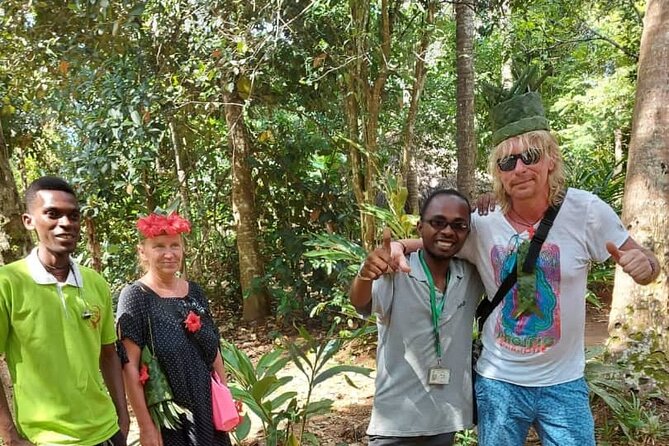
Spices can turn a regular day into magic. I like that this spice farm tour runs about 3 hours, with a guide who walks you through plants you can smell and sometimes sample. I love the mix of culinary and medicinal uses, from everyday kitchen spices like cloves and cinnamon to traditional remedies explained on-site.
One thing to keep in mind is that it is weather-dependent, so if conditions are rough the tour may be moved or canceled for a full refund. Also, this is a plant and knowledge tour, not a guaranteed full meal, so your focus should be on learning and tasting small things.
In This Review
- Key things to know before you go
- Zanzibar’s spice farm tour in plain terms
- What the sultans of Oman brought, and why that matters
- Stop 1 in Zanzibar City: what you actually see and learn
- You will meet familiar spices, plus some you might never have used
- You learn culinary and medicinal roles, not just one
- Not every plant is something you would eat
- The private guide advantage, with names you can look for
- Smell, taste, and buying spices like a smart shopper
- Logistics that make the day smoother than DIY
- Weather and expectations: the two things that can change your mood
- Who should book this spice tour
- Should you book Zanzibar’s spice farm tour?
- FAQ
- How long is the Zanzibar Spice Tour?
- Where does the tour take place?
- How much does the tour cost?
- Is hotel pickup and drop-off included?
- Is bottled water provided?
- Is admission included?
- Is the tour private?
- What is included in the tour price?
- What is not included?
- What is the cancellation and weather situation?
Key things to know before you go
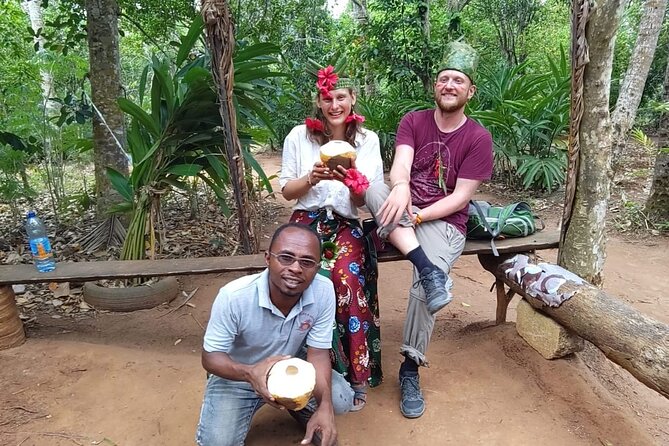
- A hands-on smell-and-taste experience that keeps the learning practical, not just watch-and-listen
- Clues to Zanzibar called Spice Island, explained through plants the sultans of Oman brought across the Indian Ocean
- Medicinal uses get real-world examples, like neem for malaria and indigestion and iodine tree sap for infection and wounds
- Private tour format means your group stays together and your questions get time
- Comfort extras included, with hotel pickup and drop-off plus bottled water
- Guides who keep it smooth, with Mody and Barak showing up in the feedback as friendly, reliable leaders
More spice farm afternoons on the island
- Zanzibar: Stone Town, Spice Tour, Prison Island with Lunch★ 4.4 · 1,219 reviews
- Zanzibar: Prison Island, Stone Town, & Spice Farm Tour★ 4.5 · 579 reviews
- Zanzibar: Stone Town, Spice tour & Prison Island with Lunch★ 4.6 · 453 reviews
- Full-Day Private Stone Town +Spice Farm and Prison Island Tour★ 4.5 · 216 reviews
Zanzibar’s spice farm tour in plain terms

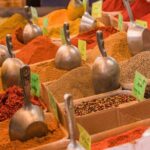
If you have ever walked past spice stalls in Stone Town and thought, sure, that smells strong, this tour gives you the why. You do not just see spice jars. You walk among the plants, you hear what they are used for, and you get the story behind how Zanzibar became famous for scent, flavor, and trade.
The best part is the structure. You get a focused 3-hour guided experience that is built for attention. The guide points out spices and herbs you likely already recognize, then connects them to uses that go beyond cooking. In other words, you get both the kitchen version and the traditional medicine version of the same plant.
It is also a good length for people who want culture without committing to a whole day. If you are trying to fit Zanzibar into a tight schedule, this tour gives you an easy win.
What the sultans of Oman brought, and why that matters
Zanzibar spice lore is not only local. The tour frames many of the plants as arrivals, carried from other lands across the Indian Ocean. That is a key idea, because it changes how you see the spices.
Instead of thinking of spices as timeless Zanzibar scenery, you start thinking about them as something that traveled, settled, and then became part of everyday life. That is why you will hear about spices tied to the sultans of Oman as the link between trade routes and what grows here.
In practical terms, this makes your spice shopping smarter too. When a guide explains where cloves, cinnamon, nutmeg, vanilla, cardamom, curry plants, pepper, tamarind, ginger, and menthol type herbs fit into the story, you start recognizing which ones are for aroma, which ones are for heat, and which ones show up in common dishes.
And yes, you also get the sensory part. Expect a strong emphasis on smelling. The feedback around this tour is very consistent on that point. The scents can feel almost immediate, like someone turned up the volume on the spice shelf.
Stop 1 in Zanzibar City: what you actually see and learn
The tour begins in Zanzibar City, then you follow your guide through the farm setting for about three hours of plant education. The focus is on spices, herbs, tropical fruits, and some rarer species from different types of vegetation.
Here is what that means for you on the ground:



You will meet familiar spices, plus some you might never have used
The guide is set up to point out a range that includes cloves, cinnamon, nutmeg, vanilla, and then expands into other items such as cardamone, curry, pepper, tamarind, ginger, and menthol. The tour is also described as covering tropical fruits and many other spices and herbs, so it is not only a short list of the famous names.
If you cook or you like to experiment, this is where it gets useful. Instead of buying a jar and hoping, you learn how the plant is presented and how it is explained by your guide.
You learn culinary and medicinal roles, not just one
This tour is built around the idea that spices are not only for food. Your guide explains that some plants are used for culinary delights, while others are used medicinally.
Two examples that get specifically mentioned are:
- Neem tree leaves, described as traditionally used to help with malaria and indigestion
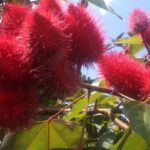
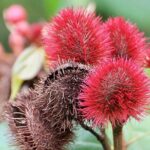
- An iodine tree, described as producing a deep red sap used to fight infection and wound
Even if you treat these stories as traditional knowledge rather than medical guidance, they still help you understand why people grow these plants and how they fit into everyday thinking.
Not every plant is something you would eat
A small caution here. The guide may show you plants that are not meant for food. That can be a surprise if your mental picture is a farm full of snackable leaves and tasting spoons. If you go expecting a big culinary buffet, you may feel slightly disappointed. If you go expecting a plant lesson with tastes along the way, you are in the right mindset.
The private guide advantage, with names you can look for

This is a private tour/activity, meaning your group goes together. That matters more than it sounds.
In a small private format:
- your guide can slow down for questions
- you can move at a pace that works for you
- you do not lose time waiting for other people to react to the same plant
The tour feedback highlights guides who are friendly and reliable. Two names come up in the notes around this experience: Mody and Barak. That is a good sign that the guides are not only teaching facts, they are making the time feel easy and human.
I also like the way the tone comes through. One of the comments specifically mentions a guide making the tour fun and engaging. That is exactly what you want on a spice farm day, because the topic is sensory. If the guide is dull, you will simply not remember the scents later.
Smell, taste, and buying spices like a smart shopper
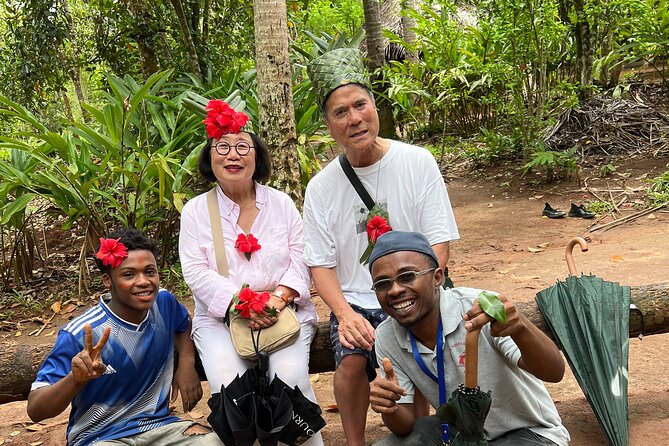
Spice tours can go two ways. Either you leave with a souvenir bag and no memory, or you leave with a plan for how you will use what you bought. This one aims at the second.
You may be tasting spices during the tour. The feedback includes examples like buying chicken masala and black pepper for later cooking, then planning dishes such as chicken pilau. That is the practical outcome you want.
So, how do you use the tour for better buying?
- Start by tasting and smelling what the guide highlights, not just what looks colorful
- Ask what each spice is best for, since the guide is explaining uses
- If you know you like one cuisine, bring that to your questions so you can buy with confidence
Also, because you are on a schedule, buy what you genuinely want. It is easy to get carried away when the scents are strong and everything smells great. A good tactic is to pick one staple spice, one blend, and one aromatic herb or seed, then leave room in your bag.
Logistics that make the day smoother than DIY

Even if the spice farm itself is the main event, the logistics can make or break the experience.
This tour includes:
- pickup and drop-off from your hotel
- bottled water during the tour
- an experienced professional tour guide
- all entrances fees, taxes, fuel surcharges, and service fees included
- transport waiting charge
For you, the big benefit is predictability. You are not coordinating rides, negotiating entry costs, or figuring out which payment comes next. The tour is set up so you can show up and focus on the plants.
Price-wise, it is listed at $76.93 per person. That sounds like a lot until you look at what is included. A guided farm walk with hotel transfers, water, and fees rolled into the price is often cheaper than paying for those pieces separately, especially in areas where add-on costs can appear at every step.
There is also group discount information listed. If you are traveling with someone and you plan ahead, you may be able to make the value even better.
One more timing note: it is commonly booked about 27 days in advance. If your trip dates are fixed, booking earlier tends to give you more control over your schedule.
Weather and expectations: the two things that can change your mood
A spice tour is only as good as the conditions. This experience requires good weather, and it also has a weather-based cancellation option if it is canceled due to poor weather. In plain terms, do not schedule this as your one and only outdoor plan on your most fragile day.
Next, set expectations about the format. This is a guided explanation tour with a strong scent experience. It is not described as a full meal experience, and bottled water is the only beverage specifically mentioned as included. If you get hungry, plan to eat before or after, not during.
Finally, you might spot a mention of snorkeling with guides in the additional information. The tour outline provided is a spice farm guided tour, so do not assume snorkeling is part of this exact 3-hour plan. If snorkeling matters to you, confirm with the provider before you show up.
Who should book this spice tour
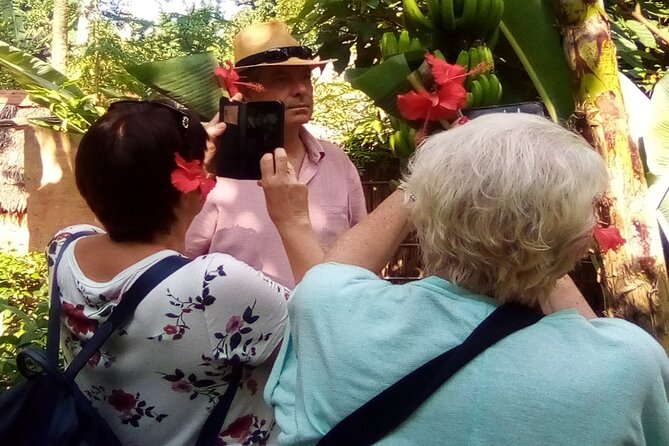
This is a strong fit if:
- you like hands-on cultural experiences
- you enjoy cooking or food shopping and want better context
- you want a short, high-impact outing with hotel pickup
- you prefer a private, paced experience rather than a large group shuffle
It is also a good choice if you are traveling with someone who likes learning but does not want classroom vibes. The farm setting and the focus on smell and plant uses tend to make it feel more lively.
If your main travel goal is beaches, this tour still works as a counterweight. A couple of hours of spice learning can break up the sun and sea rhythm, and it gives you something to talk about besides sunsets.
Should you book Zanzibar’s spice farm tour?
Yes, you should consider booking if you want a practical, sensory way to understand why Zanzibar is famous for spices. At $76.93 per person, you are paying for a guided walk that includes pickup, bottled water, and all the entry and fee pieces, which adds up fast if you try to DIY it.
I would say skip it only if you hate farm walks, you dislike learning about plants, or you want a big meal-focused food experience. Also, if your trip is during a period when weather is often unpredictable and you cannot flex your schedule, keep your plans adaptable.
If you do book, go in thinking: smell first, ask questions, then buy one or two spices you can name and use. That is how this kind of tour turns into more than a memory. It becomes a skill.
FAQ
How long is the Zanzibar Spice Tour?
The tour is about 3 hours.
Where does the tour take place?
The experience is located in Zanzibar City, Tanzania.
How much does the tour cost?
The price is $76.93 per person.
Is hotel pickup and drop-off included?
Yes. Pickup and drop-off from your hotel is included.
Is bottled water provided?
Yes. Bottled water is included during the tour.
Is admission included?
All entrance fees are included, and the admission ticket is listed as free.
Is the tour private?
Yes. It is a private tour or activity, and only your group participates.
What is included in the tour price?
The guide, pickup and drop-off, bottled water, all entrance fees, all taxes, fuel surcharges, and service fees, plus a transport waiting charge are included.
What is not included?
Medical insurance, flights, visa, airport taxes, and personal expenses are not included.
What is the cancellation and weather situation?
The experience requires good weather. Free cancellation is available up to 24 hours in advance for a full refund.
More Spice Farm Afternoons
- Zanzibar: Stone Town, Spice Tour, Prison Island with Lunch
★ 4.4 · 1,219 reviews - Zanzibar: Prison Island, Stone Town, & Spice Farm Tour
★ 4.5 · 579 reviews - Zanzibar: Stone Town, Spice tour & Prison Island with Lunch
★ 4.6 · 453 reviews - Full-Day Private Stone Town +Spice Farm and Prison Island Tour
★ 4.5 · 216 reviews - Zanzibar: Spice Tour & Stone Town Walking Tour
★ 4.8 · 115 reviews
Just added from around Zanzibar City



Zanzibar Spice Farms and Plantations, compared.
 ★ 4.4Zanzibar: Stone Town, Spice Tour, Prison Island with LunchFrom $681,219 reviews
 ★ 4.5Zanzibar: Prison Island, Stone Town, & Spice Farm TourFrom $70579 reviews
★ 4.6Zanzibar: Stone Town, Spice tour & Prison Island with LunchFrom $55453 reviews
★ 4.5Zanzibar: Prison Island, Stone Town, & Spice Farm TourFrom $70579 reviews
★ 4.6Zanzibar: Stone Town, Spice tour & Prison Island with LunchFrom $55453 reviews
 ★ 4.5Full-Day Private Stone Town +Spice Farm and Prison Island TourFrom $100216 reviews
 ★ 4.5Spice Tour + Stone Town Tour + Prison IslandFrom $140130 reviews
 ★ 4.8Zanzibar: Spice Tour & Stone Town Walking TourFrom $95115 reviews
 ★ 4.5Zanzibar: Stone Town & Spice Farm Tour with LunchFrom $7397 reviews
 ★ 4.7Zanzibar: The Swahili Spice Experience – Spice Tour + Culinary JourneyFrom $2196 reviews
Browse the lists this tour appears in