
REVIEW · ZANZIBAR SPICE FARMS AND PLANTATIONS
Zanzibar: Spice Farm Tour with Lunch & Tropical Fruits
Spice trees plus lunch, in 2.5 hours. This is one of those Zanzibar activities that feels both hands-on and practical, because you walk among the plants behind everyday cooking spices and fruit. I like how it stays simple and visual, from cloves and nutmeg to vanilla, cinnamon, turmeric, and cardamom.
Two things I really liked: the guided walk through the plantation and the chance to taste and smell what you usually only see in jars. I also liked the added plant stories, including uses tied to traditional remedies, like neem leaves and the iodine tree for wound-healing. If you want a super in-depth, classroom-style lecture, the time is limited, and the tour ends with a spice shop stop where buying becomes part of the experience.
In This Review
- Key highlights at a glance
- Finding Jambo Spice Farm in Dole Village, then getting moving
- The 2.5-hour walk through clove, nutmeg, vanilla, cardamom, and more
- The plant uses I love learning in person, not just reading online
- Tropical fruits, then the traditional lunch you actually care about
- Small moments that make the plantation feel friendly, not staged
- The spice shop stop, and how to buy without wasting money
- Price and value: $27 for a guided walk plus lunch and fruit
- Who this tour fits best (and who should skip it)
- Should you book Zanziworld Tours spice farm trip?
- FAQ
- How long is the Zanzibar spice farm tour?
- Where do I meet for the tour?
- Where does the tour end?
- What is included in the price?
- What spices and fruits will I see or taste?
- What language is the tour guide?
- Can I reserve now and pay later?
- What is the cancellation policy?
Key highlights at a glance

- Clove, nutmeg, vanilla, cinnamon, turmeric plus other Zanzibar classics like cardamom and ginger
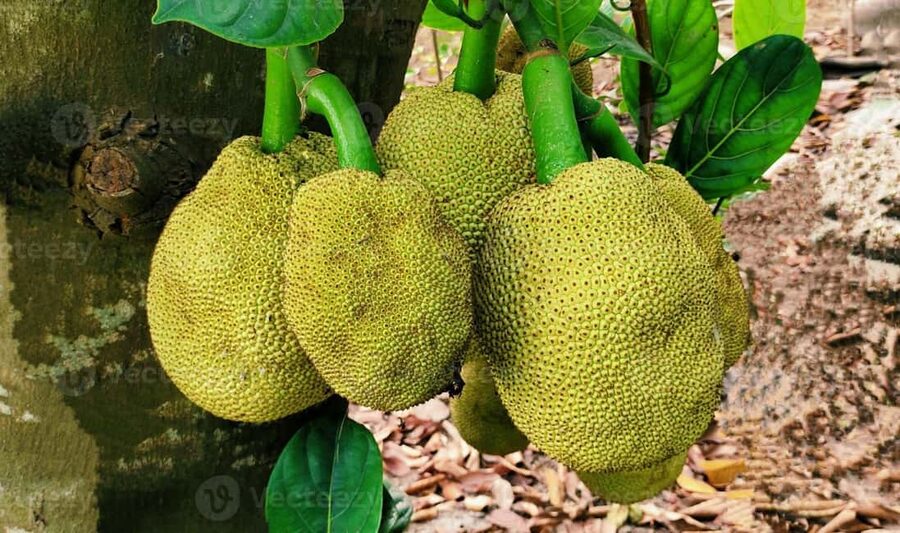
- Tropical fruit tastings such as papaya, mango, and jackfruit
- Traditional lunch included, with spices you learned about earlier
- Medicinal and everyday-use plant notes, like neem and the iodine tree
- A spice shop visit so you can purchase freshly harvested items to take home
More spice farm afternoons on the island
- Zanzibar:Stone Town & Spice Farm Private Tour Lunch Included★ 4.2 · 94 reviews
- Zanzibar: Spice Farm Tour & Stone Town Adventure★ 4.6 · 48 reviews
- Zanzibar: Spice Farm, Stone Town & Prison Island with Lunch★ 4.7 · 20 reviews
- Zanzibar: Spice Farm Tour with Lunch & Tropical Fruits★ 4.9 · 10 reviews
Finding Jambo Spice Farm in Dole Village, then getting moving
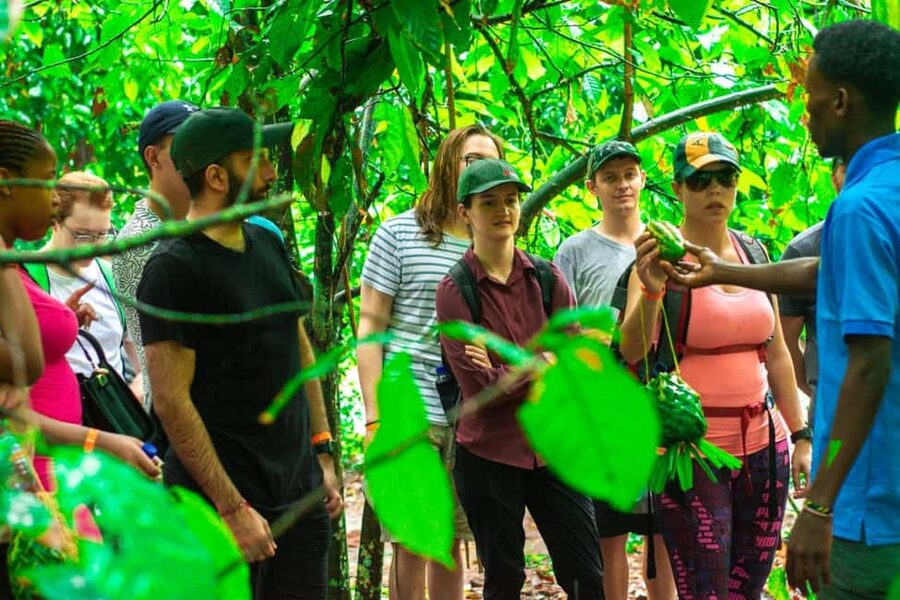
The tour starts at Jambo Spice Farm in Dole village, Zanzibar, and you meet the guide in front of the entrance. You’ll end back at the same meeting point, which keeps things easy if you are juggling a tight day.
Once you’re with the guide, the pace is built for walking and stopping. It’s a small spice plantation experience, so you’re not just rushing past plants for photos, you’re actually being pointed at what matters.
The 2.5-hour walk through clove, nutmeg, vanilla, cardamom, and more
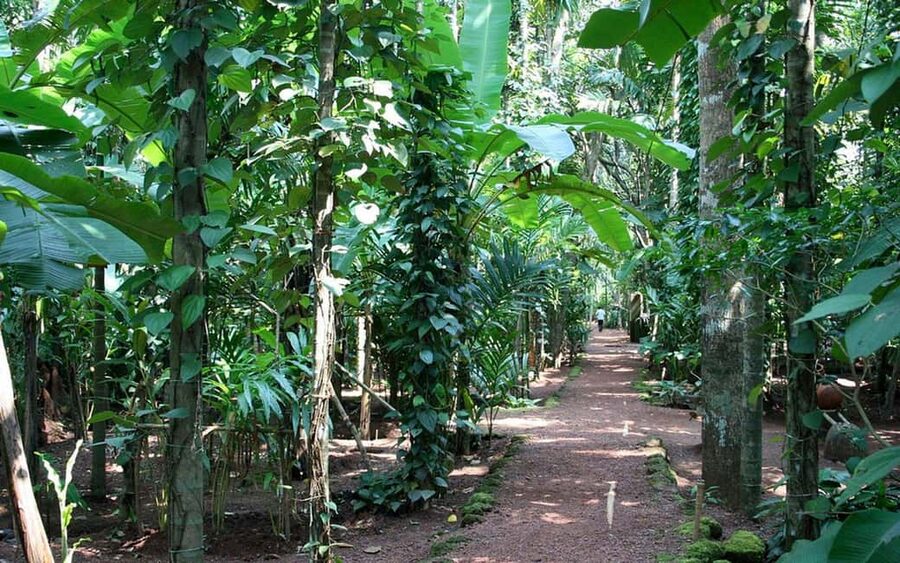
This is a guided plantation tour, designed around Zanzibar’s reputation as the spice island. In practice, that means you spend time with specific spice plants and herbs, learning what they are and how people use them.
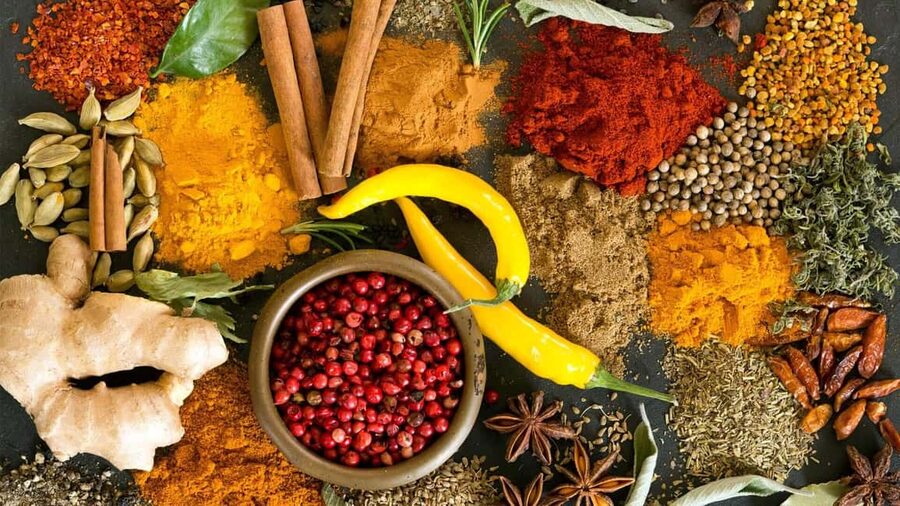
You can expect to encounter a lineup that includes cloves, cinnamon, turmeric, nutmeg, and vanilla, plus cardamom and other familiar cooking ingredients. The guide also covers plants that sound more unusual at first, like tamarind and ginger, and pepper and menthol as part of the overall spice-and-herb story. There’s also mention of things such as curry and other aromatic plants, so you start connecting the dots between spice names and what grows right there.
A nice detail from real-life tours is that the experience includes more than the basic spice list. One guide interaction I found especially useful in the descriptions is how you may see plants like lemongrass and coffee beans, and even items described as stink fruit. That variety helps you understand Zanzibar cuisine is not just one spice, it’s a mix of aromatics and fruit.
The plant uses I love learning in person, not just reading online
What makes this tour click is the way the guide ties plants to use. You’ll hear origins and traditional uses of spice plants and herbs, which gives the walk a purpose beyond scenery.
Two examples I think are genuinely memorable: neem leaves and the iodine tree. Neem leaves are described as traditionally used to treat malaria and indigestion. The iodine tree is described as known for wound-healing properties. Even if you treat these as traditional practices, learning them on-site makes the plant feel less like an ingredient and more like part of local life.
You also pick up practical culinary context. You’ll learn how Zanzibar’s spices and fruits are used in cooking, so when you smell something sharp or warm-sweet, you’re not guessing what it might do.
More Zanzibari kitchens to sit in

Tropical fruits, then the traditional lunch you actually care about
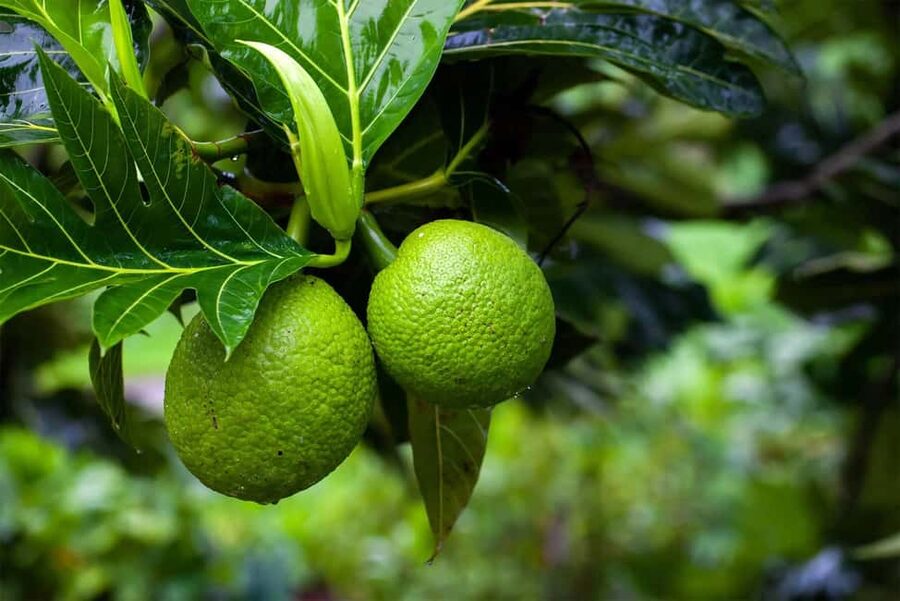
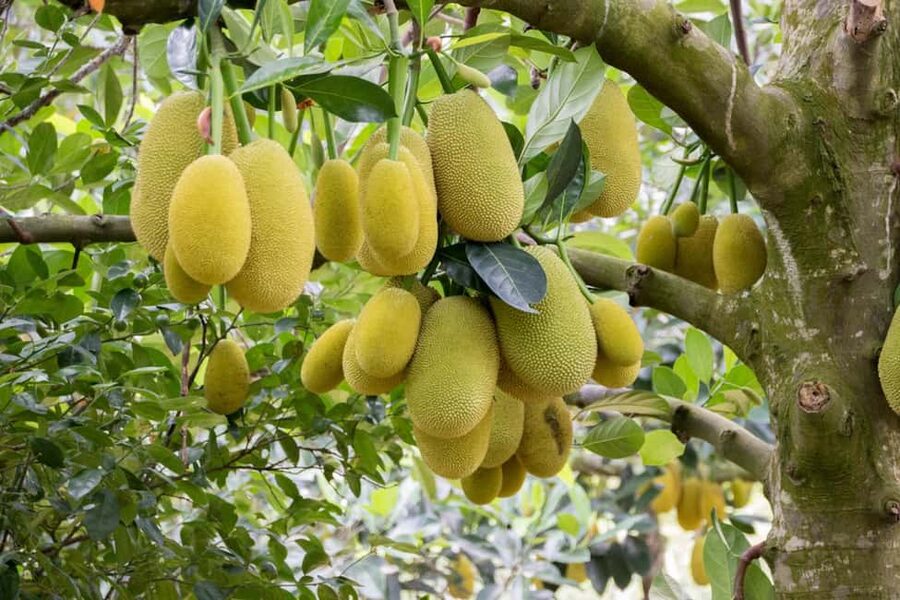
Half the fun here is that it doesn’t stop at spices. The tour includes a tropical fruit segment, with fruits such as papaya, mango, and jackfruit. If you’ve only ever had these as pieces on a plate, this is a good chance to connect taste to the plant in front of you.
Lunch is included, and it’s described as a traditional lunch. The value is that you’re not eating a random meal after the walk. The meal is part of the overall theme, meaning the spices you’ve just learned about are more likely to show up in how the food tastes.
In terms of vibe, one account highlights a lot of eating, smelling, and tasting across the route. That matters, because spice farms can become either too botanical or too salesy. This one leans toward sensory and useful, so you come away with both memories and ideas.
Small moments that make the plantation feel friendly, not staged

This experience benefits from the human scale of a small plantation. One description specifically notes that the people around the guide helped make the tour comfortable, and that’s a big deal for a short excursion. You’re not stuck with a stiff script, you can ask and react as the guide points out plants.
It also helps when the guide brings personality. One tour note mentions a guide who spoke very good English and even knew most terms in German. If you travel with someone who speaks German, that kind of language flexibility can make the tour feel smoother and more personal.
There’s also a memorable character mentioned, Mr. butterfly, described as a coconut picker. That kind of moment does more than entertain. It reinforces that this is an active working environment, not only a display.
The spice shop stop, and how to buy without wasting money
The tour ends with a visit to the plantation’s spice shop, where you can procure freshly harvested spices. This is built into the experience, so plan to spend a bit of time here, even if you came in with an empty suitcase.
Here’s how I’d approach the shop part so it feels worth your money:
- Focus on spices you use often, like cinnamon, cloves, and turmeric.
- Smell before you buy, and ask what each spice is best for. You’ve learned the “why” during the walk, so you’ll buy with purpose.
- Think in terms of recipes you already make. Fresh spices can be a real upgrade, but only if you’ll actually use them.
A possible drawback is that the shop is part of the flow. If you dislike any shopping element, you might find the final stop a bit sales-forward. The good news is that the tour already gives you a strong sense of what you’re buying, so it doesn’t feel like a blind pitch.
Price and value: $27 for a guided walk plus lunch and fruit
At $27 per person, you’re paying for more than “see plants, move on.” You get a guided plantation tour, entrances and government fees, plus traditional lunch, tropical fruits, and drinking water.
For value, the key is the meal. Many Zanzibar half-day tours look cheap until you realize you still need to buy lunch nearby. Here, you get fed as part of the program, and you also get the context that makes the food more enjoyable.
The other value driver is time. 2.5 hours is long enough to feel like a real experience, but short enough to fit into a busy day on Unguja. If you’re juggling beaches, Stone Town, and one or two excursions, this slot is usually manageable.
Who this tour fits best (and who should skip it)
I think this tour is best for you if you like practical travel, hands-on learning, and food connections. It’s also a good option if you want a Zanzibar activity that doesn’t require long drives or complicated logistics.
It’s especially suitable if you:
- Want to learn why Zanzibar spices taste the way they do, not just their names
- Like fruit tastings and a meal that feels linked to the theme
- Prefer a shorter, guided outing with a clear ending point back at the meeting area
If you’re the kind of traveler who wants zero shopping and a fully academic botanical experience, this may not be the right match. The tour includes a spice shop, and the format is built around sensory learning, not a lab-level deep dive.
Should you book Zanziworld Tours spice farm trip?
If your goal is a worthwhile, theme-based Zanzibar excursion that combines spices, fruit, and lunch in about 2.5 hours, I’d say yes. The strongest reason is that the tour is structured to connect the plants you smell and taste with how they end up in cooking, plus you actually get to eat.
Book it if you want an easy win for your Zanzibar day, especially if you care about taking home spices you understand. Skip it only if you dislike guided walks in warm weather or you don’t want any shop time at the end.
If you do book, wear comfortable shoes, bring sun protection, and arrive with curiosity. This is the kind of outing where you leave with better cooking ideas, not just photos.
FAQ
How long is the Zanzibar spice farm tour?
The guided tour lasts about 2.5 hours.
Where do I meet for the tour?
You should arrive in front of the entrance to Jambo Spice Farm in Dole village, Zanzibar.
Where does the tour end?
The activity ends back at the meeting point.
What is included in the price?
The tour includes a tour guide, entrances, a traditional lunch, tropical fruits, drinking water, and all government fees.
What spices and fruits will I see or taste?
You’ll explore spice plants such as cloves, cinnamon, turmeric, nutmeg, vanilla, cardamoms, curry, menthol, pepper, tamarind, and ginger. The experience also includes tropical fruits like papayas, mangoes, and jackfruit.
What language is the tour guide?
The tour is guided in English.
Can I reserve now and pay later?
Yes. You can reserve and pay later, meaning you book your spot without paying today.
What is the cancellation policy?
You can cancel up to 24 hours in advance for a full refund.
More Zanzibari Kitchens
- Zanzibar: Spice Farm Tour with Traditional Cooking Class
★ 4.6 · 16 reviews - Zanzibar: Nakupenda Sandbank with Seafood BBQ & Fruits
★ 3.6 · 5 reviews
More Spice Farm Afternoons
- Zanzibar:Stone Town & Spice Farm Private Tour Lunch Included
★ 4.2 · 94 reviews - Zanzibar: Spice Farm Tour & Stone Town Adventure
★ 4.6 · 48 reviews - Zanzibar: Spice Farm, Stone Town & Prison Island with Lunch
★ 4.7 · 20 reviews - Zanzibar: Spice Farm Tour with Traditional Cooking Class
★ 4.6 · 16 reviews - Zanzibar: Mnemba Atoll, Spice farm, Jozani forest & Lunch
★ 3.9 · 3 reviews
Just added from around Zanzibar Archipelago






Zanzibar Spice Farms and Plantations, compared.
 ★ 4.4Zanzibar: Stone Town, Spice Tour, Prison Island with LunchFrom $681,219 reviews
 ★ 4.5Zanzibar: Prison Island, Stone Town, & Spice Farm TourFrom $70579 reviews
★ 4.6Zanzibar: Stone Town, Spice tour & Prison Island with LunchFrom $55453 reviews
★ 4.5Zanzibar: Prison Island, Stone Town, & Spice Farm TourFrom $70579 reviews
★ 4.6Zanzibar: Stone Town, Spice tour & Prison Island with LunchFrom $55453 reviews
 ★ 4.5Full-Day Private Stone Town +Spice Farm and Prison Island TourFrom $100216 reviews
 ★ 4.5Spice Tour + Stone Town Tour + Prison IslandFrom $140130 reviews
 ★ 4.8Zanzibar: Spice Tour & Stone Town Walking TourFrom $95115 reviews
 ★ 4.5Zanzibar: Stone Town & Spice Farm Tour with LunchFrom $7397 reviews
 ★ 4.7Zanzibar: The Swahili Spice Experience – Spice Tour + Culinary JourneyFrom $2196 reviews
Browse the lists this tour appears in