

REVIEW · ZANZIBAR SPICE FARMS AND PLANTATIONS
Zanzibar: Spice Farm Tour with Traditional Cooking Class
The smells hit fast, and you start learning right away. This 5-hour Zanzibar experience pairs a guided spice farm walk with a hands-on traditional Swahili cooking class, so you do not just hear about flavors, you taste and smell them in context. You also get hotel pickup, tropical fruit, lunch, and even traditional music and dance.
I like that the tour focuses on the practical side of Zanzibar cooking, the real ingredients and how they show up in everyday meals. I also like the step-by-step structure, from farm harvesting to cooking with the equipment they use for this kind of food work. If you are sensitive to constant cash requests, plan for that up front, because multiple stops can feel like they come with a tip prompt.
In This Review
- The Big Picture: Aromas, Harvesting, and a Swahili Meal
- What Makes This Tour Work So Well
- Getting There From Stone Town: Pickup, Van Time, and Timing
- Entering Jambo Spice Farm Dole: The Walk That Trains Your Nose
- Harvesting What You Will Cook: Why This Part Matters
- The Cooking Class for a Traditional Swahili Meal
- Lunch, Tropical Fruits, and Traditional Music and Dance
- What You Really Pay for: Value at $61 for 5 Hours
- The Tip Factor: How to Handle Cash Requests Without Stress
- Toilets, Crowds, and the Farm’s Scale: What to Expect Realistically
- Language and Guide Style: Communication Matters
- What to Bring: Simple Gear That Makes a Difference
- Who This Tour Fits Best
- Should You Book This Spice Farm and Swahili Cooking Class?
- FAQ
- Where does pickup happen?
- How long is the tour?
- What is included in the tour price?
- What languages are the guides available in?
- Do I have to harvest ingredients?
- What fruits and spices might I taste?
- What should I bring?
- Is this tour private?
- Are there any bathroom concerns?
- Is the cooking class part of the tour?
The Big Picture: Aromas, Harvesting, and a Swahili Meal
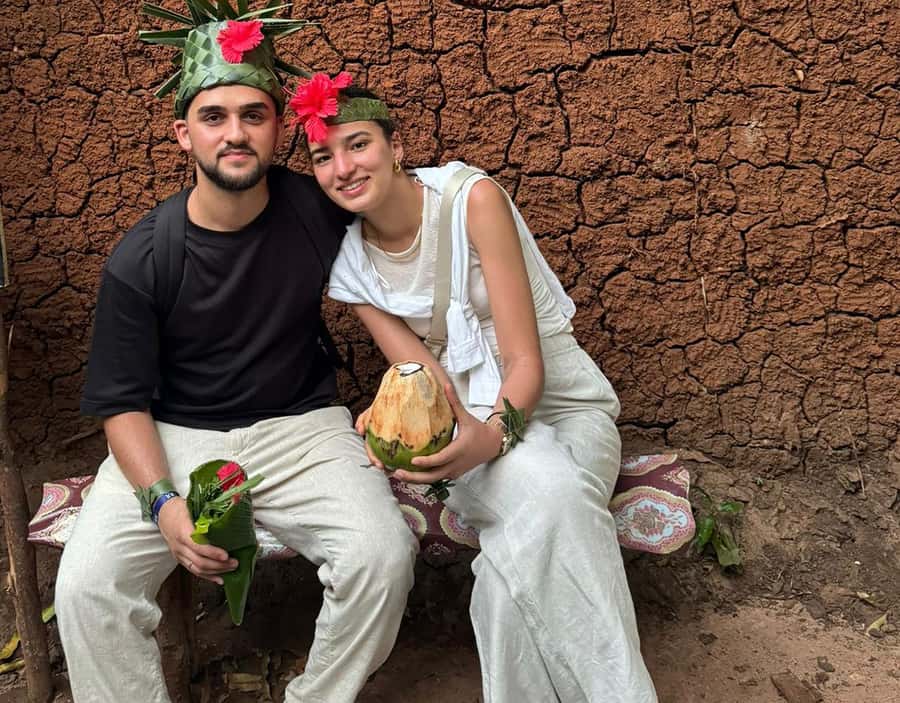
This is an easy half-day plan in Unguja South Region, starting with transport from Stone Town and ending back in Stone Town or Zanzibar. The main arc is simple: walk the farm, meet the plants, harvest what you can, then cook together with a local team using old-school techniques and apparatus.
The highlight for me is the sensory training. You are guided through spices like cinnamon, vanilla, nutmeg, lemongrass, cloves, ylang-ylang, cumin, ginger, pepper, tamarind, and chili, plus herbs and other aromatics. One review even mentions cooking and sharing lunch with a guide named Aïcha, which is the vibe you want here, warm, local, and hands-on.
A possible drawback is that the farm visit can feel more like a tourist-friendly walk than a working spice estate, and one review noted toilets were terrible. If that matters to you, keep it in mind before you go.
More spice farm afternoons on the island
- Zanzibar:Stone Town & Spice Farm Private Tour Lunch Included★ 4.2 · 94 reviews
- Zanzibar: Spice Farm Tour & Stone Town Adventure★ 4.6 · 48 reviews
- Zanzibar: Spice Farm, Stone Town & Prison Island with Lunch★ 4.7 · 20 reviews
- Zanzibar: Spice Farm Tour with Lunch & Tropical Fruits★ 4.9 · 10 reviews
What Makes This Tour Work So Well
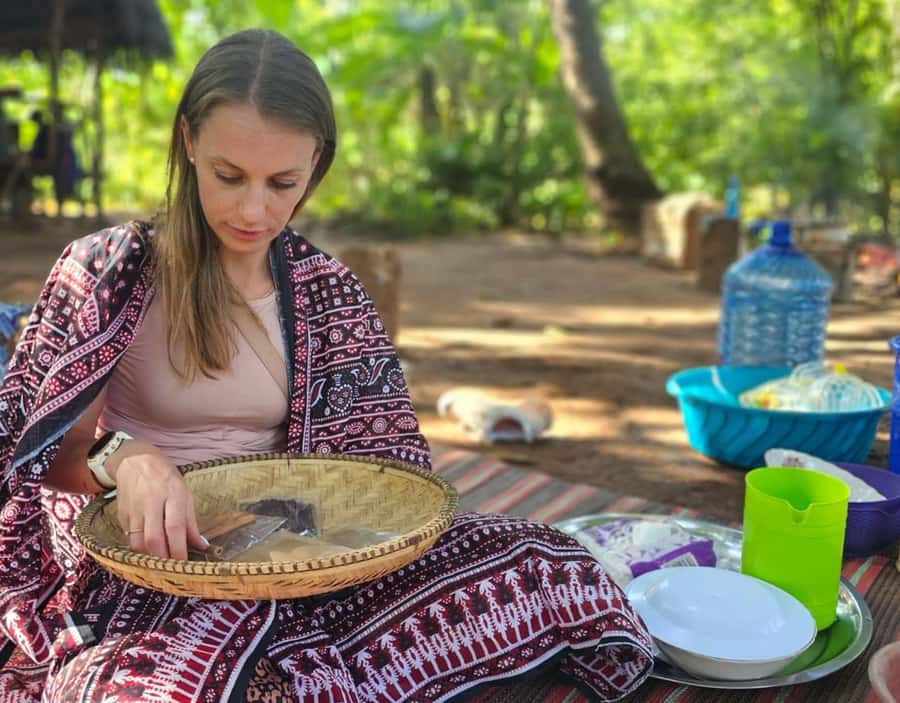
- Taste and smell first, then learn how each plant shows up in Zanzibar cooking
- Harvesting hands-on means the cooking class feels real, not just watching
- Traditional Swahili techniques are part of the process, not just a theme
- Tropical fruit sampling adds a sweet counterpoint to the spice overload
- Buying spices and fruits gives you a chance to take the flavors home
- Music and dance keep the energy local, not museum-style
Getting There From Stone Town: Pickup, Van Time, and Timing
Most people base in Stone Town, and this tour is built for that. You have two pickup options tied to Stone Town, and the driver meets you at your hotel lobby or reception area. The provider notes they can pick you up from any hotel in Zanzibar, so if you are staying outside Stone Town, you should still be able to work it out, just share your hotel name and room number.
Then you ride by van for about 1 hour. That transport chunk matters because it shapes the feel of the day. You do not spend the whole time walking, you spend it in the farm and kitchen, which makes this a good option when you want a focused food experience without burning your entire afternoon.
Plan your clothing around two things: warm sun and active movement. The farm portion includes walking and harvesting. You will also be around cooking activity, so comfortable shoes are not optional.
Entering Jambo Spice Farm Dole: The Walk That Trains Your Nose
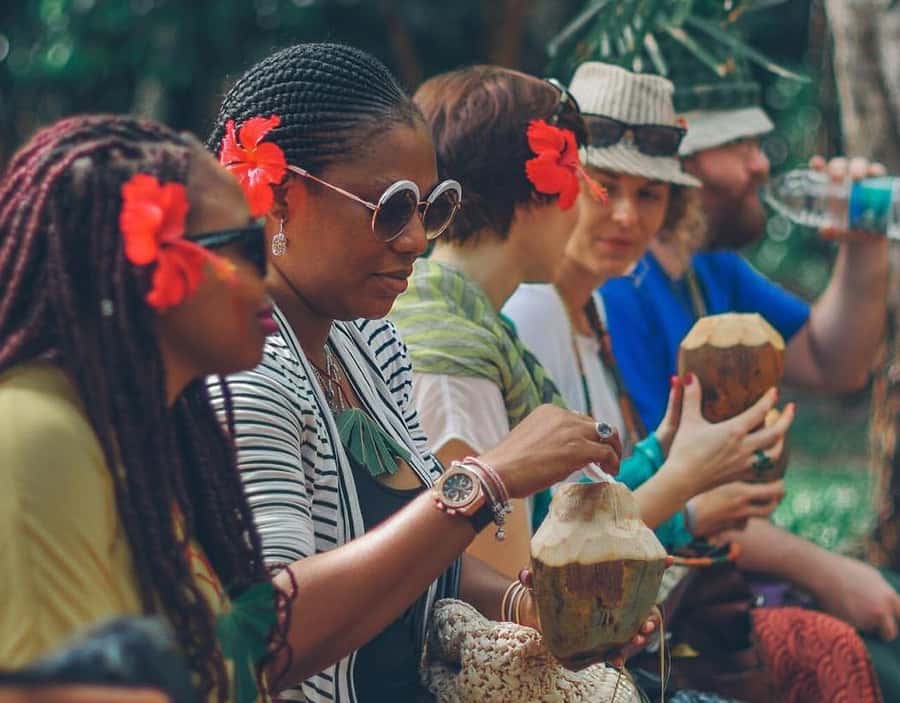
You arrive at Jambo Spice Farm Dole and start with a break period, then you roll into the farm walking tour. This is where you get the spice education in a direct way: you are not just told what to look for, you practice identifying plants and connecting them to smells and flavors.
What stands out is the sheer range. You may encounter familiar spices like cinnamon, cloves, and nutmeg, plus more Zanzibar-specific aromatics such as ylang-ylang and lemongrass. You are also guided through how these plants are used, with the tour explaining culinary and medicinal uses. Even if you do not follow the medicinal part at home, it helps you understand why locals value these ingredients beyond taste.
Expect a lot of “stop and learn” moments. You might find yourself smelling repeatedly, tasting if you are offered, and being asked to guess what you are experiencing. That guessing game is actually useful. It helps you remember what you liked, which spices you want to buy, and what you want to recreate later when you are back in your own kitchen.
A practical note: some feedback suggests the farm can feel like a large garden designed for short tourist visits, with multiple groups moving through. If you like quiet, you may not get quiet here. But if you want an efficient introduction to Zanzibar flavors, it does the job.
More Zanzibari kitchens to sit in

Harvesting What You Will Cook: Why This Part Matters

The tour makes a point of getting you involved. You harvest vegetables and spices, guided by the people leading the cooking portion. That step is more than a fun photo moment. It changes how the cooking class lands.
When you pick an ingredient yourself, the final dish makes more sense. You can notice how herbs change a sauce, how spice quantities affect aroma, and how the cooking method brings everything together. Even if you are not a confident cook, the harvesting gives you confidence, because you know what you are putting into the pot.
You will likely harvest items you can use in the traditional Swahili meal they prepare with you. The exact ingredients can vary by what is ready in the garden, but the tour description strongly signals that harvesting vegetables and spices is part of the core experience.
Also, you should expect to participate rather than stand aside. Bring the right energy, not the “I’m only here to watch” energy.
The Cooking Class for a Traditional Swahili Meal
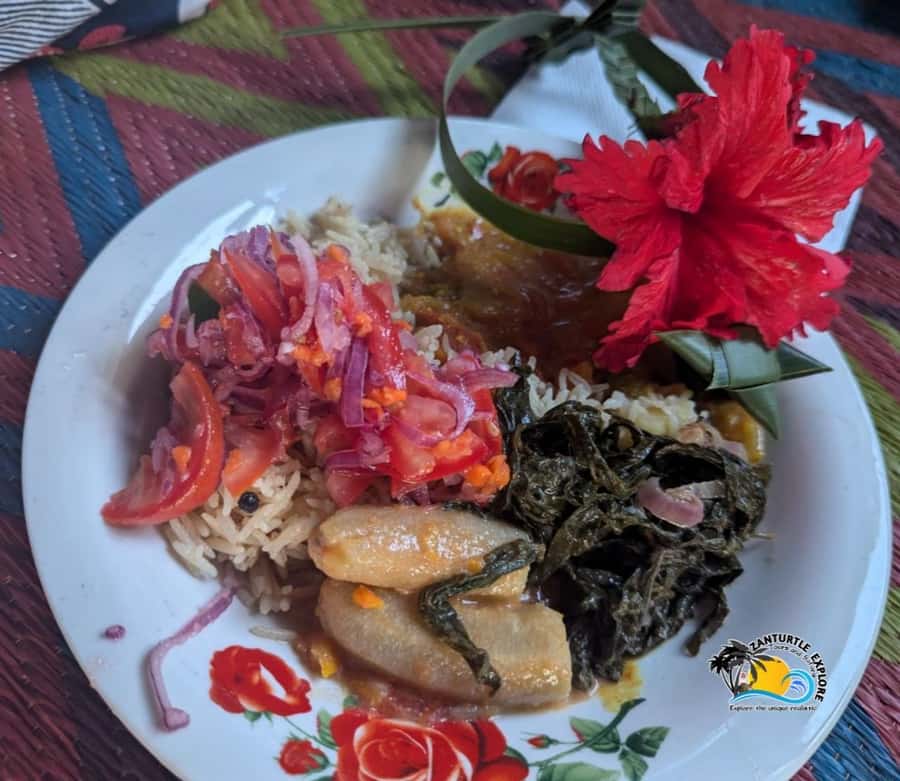
Now comes the real payoff. The cooking class is built around traditional cooking techniques and equipment replicated from older coastal days. The idea is to cook in the way people cooked when food work was communal and practical, not kitchen-lab style.
You learn a traditional meal using the ingredients you encountered and harvested. The cooking team teaches you as you go, and you cook together as a group. One review called the cooking class the highlight and described the food as tasty, and that matches the intent here. This is not just a spice tour that ends in a meal. The meal is the reason you are here.
In terms of interaction, you might get varying levels of conversation while the dishes are prepared. One review felt the cooking ladies were less interested in chatting, even though they showed how to prepare the dishes. So if you want a long back-and-forth cultural storytelling session while you cook, go in with flexibility and focus on learning the technique.
Also, keep an eye on the spice mixing. With so many aromatics available, the difference between a good and great dish often comes down to timing. You should pay attention to when spices are added and how they smell as they heat up.
Lunch, Tropical Fruits, and Traditional Music and Dance
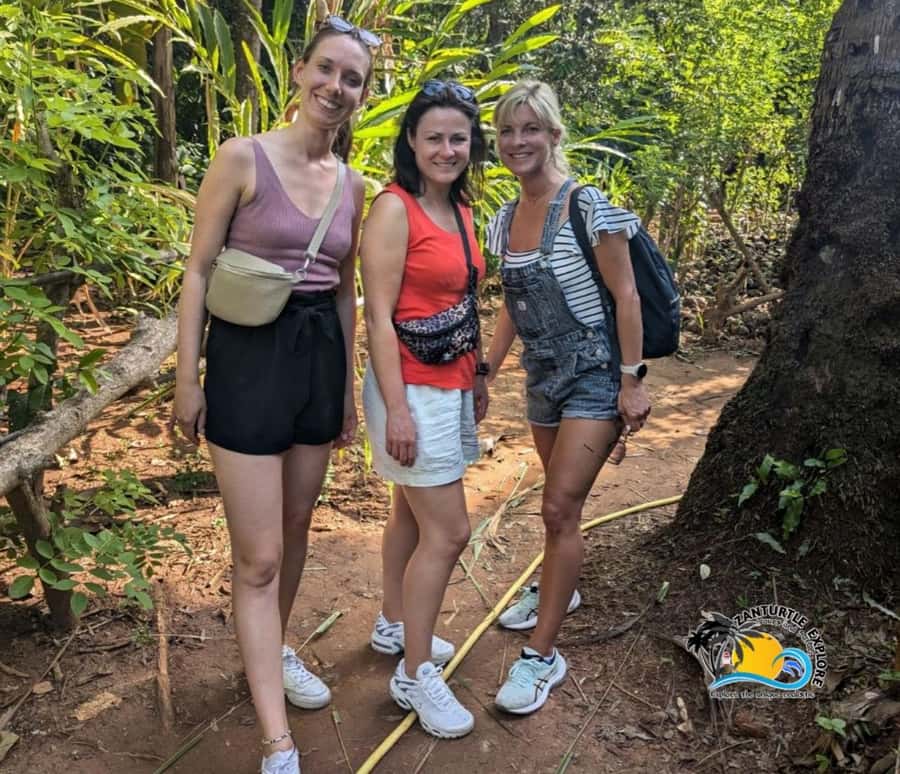
You get lunch and drinks with tropical fruits. This is an important balance in the day. A spice farm can overwhelm your senses fast. Fruit tasting resets your palate and helps you understand how Zanzibar menus often move between sweet, aromatic, and savory.
The fruit list includes examples like mango, passion fruit, avocado, papaya, local grapefruits, bananas, and pineapple. You may not taste every single fruit, but the emphasis is clear: you get fresh tropical flavors alongside the spice education.
You also experience traditional music and dance as part of the farm and cooking day. That matters because it frames the cooking as culture, not just a class. Even if you are not a dance person, it helps you see how food and community tie together.
For me, this combination is what turns the tour from an activity into a memory: spices in your hands, lunch in front of you, and music in the background while you switch from learning mode to eating mode.
What You Really Pay for: Value at $61 for 5 Hours
At $61 per person for about 5 hours, this tour is priced like a structured half-day experience that includes more than “walk around and leave.” The value is mostly in the bundle:
- Hotel pickup and drop-off (you do not need local transport planning)
- Guided spice walk with taste, flavor, and smell
- Harvesting included in the activity
- Cooking class with cooking equipment
- Lunch and drinks plus tropical fruit
- Traditional music and dance
- Entrance and conservation fees, plus government fees and taxes
- Opportunities to buy spices and fruits
If you were to piece this together yourself, the guiding, equipment, and entry fees add up quickly, and you would still need a cooking instructor who can teach Swahili technique. The “value” question here is really: do you want the guide-led structure and hands-on cooking, or do you just want spices and photos?
One more reality check. The tour operates in a place where cash contributions are common. Multiple reviews described tip expectations at several points. That does not mean you should be bullied into tipping, but you should decide your plan ahead of time so you do not get caught off guard.
The Tip Factor: How to Handle Cash Requests Without Stress
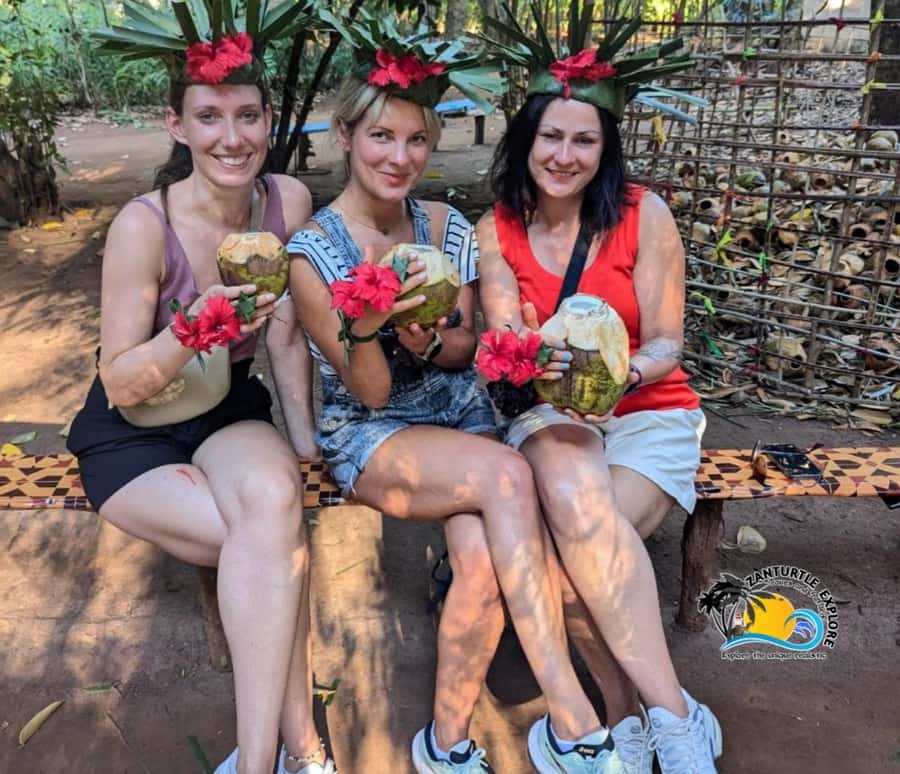
Based on feedback, cash requests can show up repeatedly: after someone offers you something, during transfers, and at stops connected to the village or craft moments. One person described the feeling of being asked for tips again and again, including requests after receiving items like a coconut, after assistance, and even tied to interactions involving children and women.
At the same time, another review said people were not overly pushy, and that tipping less in dollars across multiple people felt manageable. So the best approach is not to ignore it or assume it will be fine, but to manage it.
My practical suggestion:
- Decide a rough tipping total before you start.
- Carry small notes so you can give without scrambling.
- If someone asks for something you do not want to contribute toward, be calm and firm, then refocus on the next part of the day.
This lets you enjoy the cooking and spice learning instead of spending the afternoon negotiating tips in your head.
Toilets, Crowds, and the Farm’s Scale: What to Expect Realistically
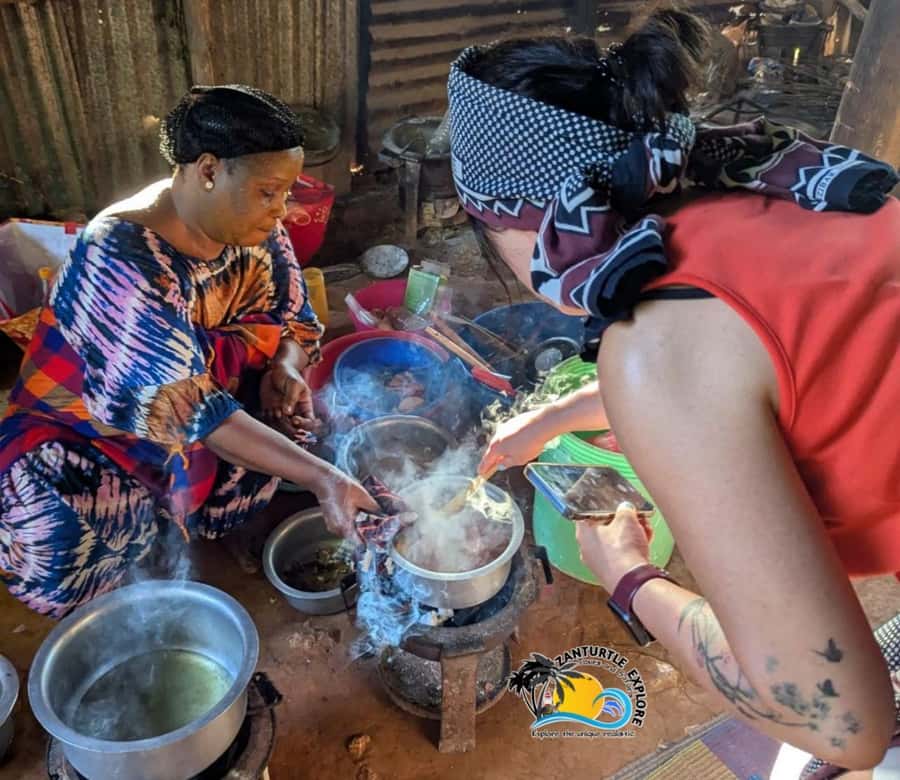
Two practical issues came up in feedback: toilet condition and the size or feel of the farm.
One review explicitly noted that toilets were terrible. That is not the kind of thing you should ignore. If bathrooms are a big deal for your comfort, you might want to be mentally prepared, or plan to use facilities before you arrive when possible.
On the farm scale, several comments leaned toward “more garden walk than working estate.” That does not make the tour bad. It just means your expectations should be tuned to what this experience is designed to do: educate efficiently, keep you moving, and deliver cooking ingredients and a show-and-cook format.
Crowds can also shape your experience. If you dislike passing other groups often, go on a day when you can accept that you share the space.
Language and Guide Style: Communication Matters
The tour offers a live guide in multiple languages: Arabic, English, French, German, Italian, Polish, Russian, and Spanish. That is a real quality factor here. Spice names and cooking steps are easier to learn when you can understand the guide clearly.
One review highlighted a guide named Aïcha sharing lunch and cooking during the day, and that kind of personal engagement can make the class feel more like a human exchange and less like a scripted demo.
Even if your guide is chatty, you will learn best when you lean in with questions: which spice is used most often, what to buy, and how to adjust amounts at home.
What to Bring: Simple Gear That Makes a Difference
You will walk, harvest, and cook. Bring what keeps you comfortable and able to participate:
- Comfortable shoes
- Hat and sunscreen
- Camera (if you want photos of spices and the cooking process)
- Water
- Insect repellent
Also wear clothing suitable for walking and cooking. If you do not want to get dusty, you should still be prepared to get a little farm-world on you.
Who This Tour Fits Best
This is a strong match if you want:
- A half-day food experience without complicated planning
- A guided way to learn Zanzibar spices through smell and taste
- Hands-on cooking rather than watching from the sidelines
- A cultural add-on like music and dance
- Hotel pickup and drop-off
It might be less ideal if:
- Bathroom comfort is a non-negotiable for you
- You hate any “tip requests” vibe and would rather avoid that entirely
- You want a quiet private farm experience with lots of space
Should You Book This Spice Farm and Swahili Cooking Class?
I think you should book if your goal is learning Zanzibar flavors in a hands-on way. The structure is the point: spice sampling with clear ingredient names, harvesting, then cooking together so the flavors make sense at the stove.
If you are the type who gets bothered by repeated cash prompts, or if toilets and crowding will ruin your mood, go in with a plan. Have your small notes ready, adjust your expectations about how “farm-like” it feels, and focus on the parts that matter most to you: the cooking class and the spice education.
If those priorities sound like your kind of travel, this is a very practical way to spend 5 hours in Zanzibar.
FAQ
Where does pickup happen?
Pickup is available from Stone Town options, and the provider says they can pick you up at any hotel in Zanzibar. You meet in the hotel lobby or reception area, so you will need to share your hotel name and room number.
How long is the tour?
The experience runs for about 5 hours.
What is included in the tour price?
It includes a trained guide, all government fees and taxes, hotel pickup and drop-off, harvesting the vegetables, a spice tour with taste, flavor, and smell, the cooking class with equipment, lunch and drinks with tropical fruits, buying spices and fruits, and traditional music and dance, plus entrance and conservation fees.
What languages are the guides available in?
The live tour guide is listed as available in Arabic, English, French, German, Italian, Polish, Russian, and Spanish.
Do I have to harvest ingredients?
You should expect to participate, since the tour includes harvesting vegetables and spices with the culinary expert.
What fruits and spices might I taste?
The tour describes tasting and smelling spices such as cinnamon, vanilla, nutmeg, lemongrass, cloves, ylang-ylang, cumin, ginger, pepper, tamarind, chili, and more. It also describes sampling tropical fruits like mango, passion fruit, avocado, papaya, local grapefruits, bananas, and pineapple.
What should I bring?
Bring comfortable shoes, a hat, a camera, sunscreen, water, and insect repellent. Wear clothing suitable for walking and cooking, since you will harvest and take part in the cooking activities.
Is this tour private?
The activity is listed as a private group.
Are there any bathroom concerns?
One review noted that the toilets were terrible. That is not guaranteed for every visit, but it is a documented concern you may want to factor into your planning.
Is the cooking class part of the tour?
Yes. The tour includes a cooking class where you learn a traditional Swahili meal using traditional cooking techniques and equipment.
More Zanzibari Kitchens
- Zanzibar: Spice Farm Tour with Lunch & Tropical Fruits
★ 4.9 · 10 reviews - Zanzibar: Nakupenda Sandbank with Seafood BBQ & Fruits
★ 3.6 · 5 reviews
More Spice Farm Afternoons
- Zanzibar:Stone Town & Spice Farm Private Tour Lunch Included
★ 4.2 · 94 reviews - Zanzibar: Spice Farm Tour & Stone Town Adventure
★ 4.6 · 48 reviews - Zanzibar: Spice Farm, Stone Town & Prison Island with Lunch
★ 4.7 · 20 reviews - Zanzibar: Spice Farm Tour with Lunch & Tropical Fruits
★ 4.9 · 10 reviews - Zanzibar: Mnemba Atoll, Spice farm, Jozani forest & Lunch
★ 3.9 · 3 reviews
Just added from around Zanzibar Archipelago






Zanzibar Spice Farms and Plantations, compared.
 ★ 4.4Zanzibar: Stone Town, Spice Tour, Prison Island with LunchFrom $681,219 reviews
 ★ 4.5Zanzibar: Prison Island, Stone Town, & Spice Farm TourFrom $70579 reviews
★ 4.6Zanzibar: Stone Town, Spice tour & Prison Island with LunchFrom $55453 reviews
★ 4.5Zanzibar: Prison Island, Stone Town, & Spice Farm TourFrom $70579 reviews
★ 4.6Zanzibar: Stone Town, Spice tour & Prison Island with LunchFrom $55453 reviews
 ★ 4.5Full-Day Private Stone Town +Spice Farm and Prison Island TourFrom $100216 reviews
 ★ 4.5Spice Tour + Stone Town Tour + Prison IslandFrom $140130 reviews
 ★ 4.8Zanzibar: Spice Tour & Stone Town Walking TourFrom $95115 reviews
 ★ 4.5Zanzibar: Stone Town & Spice Farm Tour with LunchFrom $7397 reviews
 ★ 4.7Zanzibar: The Swahili Spice Experience – Spice Tour + Culinary JourneyFrom $2196 reviews
Browse the lists this tour appears in