

REVIEW · ZANZIBAR SPICE FARMS AND PLANTATIONS
Zanzibar Spice Farm Half-Day Walking Tour
Aromas in Zanzibar City start the day. This half-day walking tour pairs a start at the historic Hamamni Persian Baths with time on spice plantations, where you learn how the trade shaped Zanzibar and you sample spices and fruit from the field. I love the on-foot, village-and-farm feel, and I also love the practical spice lessons, like how different spices are used and why some cost far more than others. One thing to plan around: the dress code is formal and the walk means you should wear proper shoes.
You also get smart logistics for a short trip: hotel pickup and drop-off, plus a mobile ticket. It’s private, so it stays less hectic than the usual group chaos. The main tradeoff is that food and drinks are not included, so you’ll want to handle that before or after.
In This Review
- Key things you’ll notice on this Zanzibar spice tour
- Why this 3-hour spice walk works so well from Zanzibar City
- Hamamni Persian Baths, your historic starting point in Stone Town
- Walking through Zanzibar spice farms and village life
- Sampling spices and fruit, plus the real story behind expensive cloves
- Spice shop time: what to buy, what to question, and what to budget
- A smart buying approach for first-timers
- Tour logistics that matter: pickup, private group, and a mobile ticket
- Dress code and what to bring for Zanzibar’s spice farms
- Price and value: is $75 per person fair?
- Who should book this tour, and who might skip it
- Should you book the Zanzibar Spice Farm Half-Day Walking Tour?
- FAQ
- How long is the Zanzibar Spice Farm walking tour?
- Is hotel pickup and drop-off included?
- What does the tour cost?
- Does the tour include food or drinks?
- Is there a dress code?
- Is this a private tour?
- What ticket do I need and is there a mobile option?
- Is admission included at Hamamni Persian Baths?
- How far in advance can I cancel for a full refund?
Key things you’ll notice on this Zanzibar spice tour
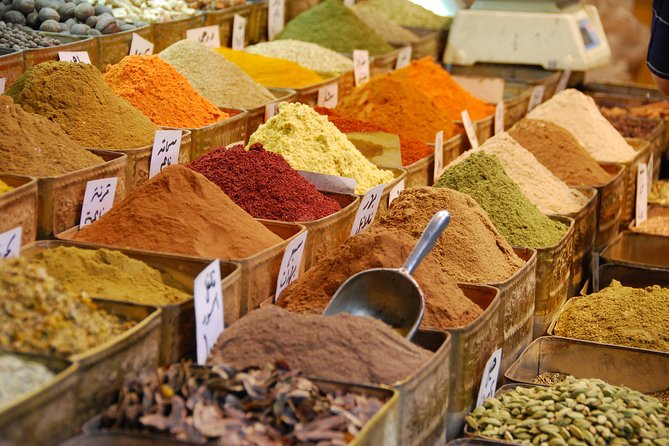
- Hamamni Persian Baths first: A historic starting point linked to Sultan Barghash bin Said
- Spice-and-fruit sampling: You’ll taste what’s grown, not just hear about it
- Hands-on cultivation view: Watch spice trees and plantation work up close
- Cloves pricing lesson: Cloves are government-sold, and they sit high on the price scale
- Shopping time built in: It’s a good window to buy spices if you know what you’re paying
More spice farm afternoons on the island
- Zanzibar: Stone Town, Spice Tour, Prison Island with Lunch★ 4.4 · 1,219 reviews
- Zanzibar: Prison Island, Stone Town, & Spice Farm Tour★ 4.5 · 579 reviews
- Zanzibar: Stone Town, Spice tour & Prison Island with Lunch★ 4.6 · 453 reviews
- Full-Day Private Stone Town +Spice Farm and Prison Island Tour★ 4.5 · 216 reviews
Why this 3-hour spice walk works so well from Zanzibar City
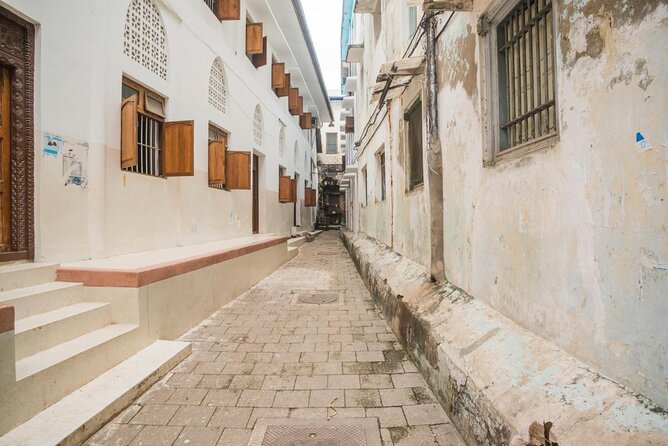
This tour is timed to be practical. About 3 hours is long enough to feel like you left the city, without burning your whole day. It also runs with both morning and afternoon departures, so you can match it to your other Stone Town plans.
The format is simple: a professional guide, hotel pickup and drop-off, then a walking route through spice-growing areas. The “half-day” part matters because spice tours can become repetitive if you take too many. Here, the goal is focused: rural life, spice cultivation, and the island’s trade history, with tasting and a chance to shop.
Value-wise, you’re paying for three things that are hard to replicate on your own:
1) local interpretation from a guide,
2) access to working plantations and people, and
3) a structured time window that ends with shopping and samples, not a random wander.
Hamamni Persian Baths, your historic starting point in Stone Town
You start at Hamamni Persian Baths, in the Hamamni neighborhood area. The baths are in a historic stone building, built between 1870 and 1888 for Sultan Barghash bin Said. They served as public baths until 1920.
Why this matters for a spice tour: it anchors the day in the same Zanzibar story you’ll hear about later, the way trade, wealth, and island life shaped what got built and maintained. Even if you only have a short time, starting here gives context. It also breaks the day up nicely so you’re not jumping straight into farm talk.
Good detail to know: admission at this stop is free. It’s a small thing that still helps you plan the day without surprise costs.
Walking through Zanzibar spice farms and village life
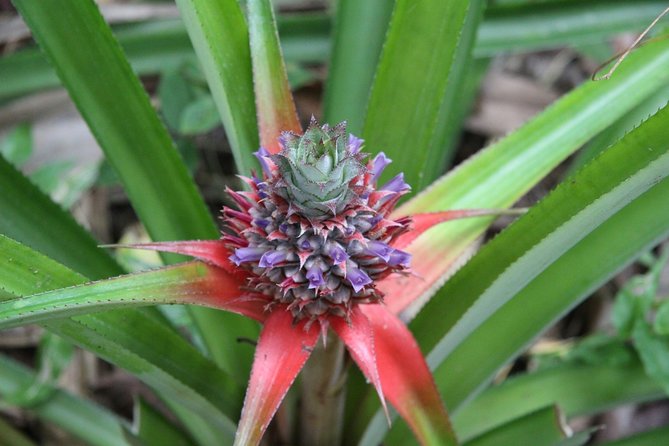
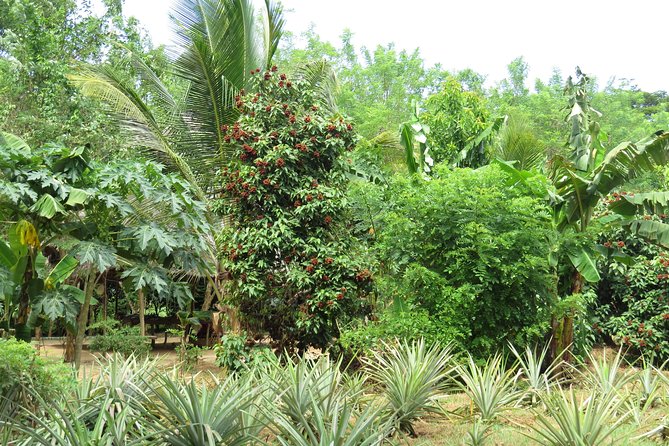
After the baths, the day becomes more sensory. You’ll walk through spice farms and plantations and see how crops are grown in Zanzibar’s villages and countryside. The tour includes a look at the people and work involved, including workers climbing into the spice trees.
That “on foot” part is the real benefit. You get closer to what’s happening, and the guide can point out what you might otherwise miss, like how plants are cultivated and where specific spices fit into the bigger picture. It also helps with pacing. Three hours is enough time to keep moving, but not so long that it turns into an endurance event.
A practical note: the route involves walking, and you should have moderate physical fitness. Wear good walking shoes, and if you’re sensitive to uneven ground or heat, plan to move at a comfortable pace. This is also a private tour, so your guide can adapt to your group’s speed.



Sampling spices and fruit, plus the real story behind expensive cloves
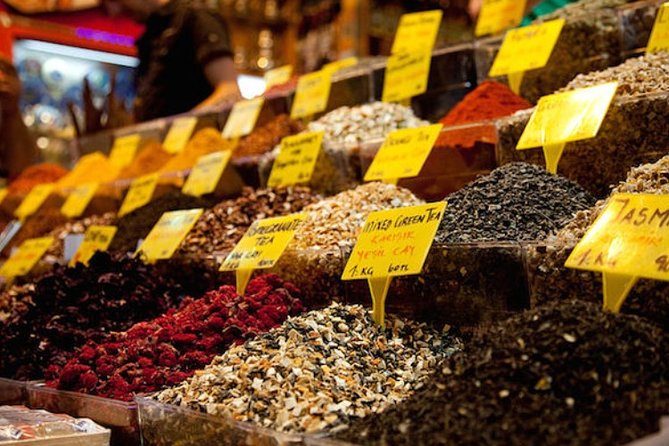
The best part of these tours is usually the tasting, and this one does that. You’ll sample spices and fruit that are fresh from the field. In real life, that’s where spice learning becomes sticky in your brain. You stop thinking of “spice” as a vague concept and start understanding the practical uses.
From the guide-led explanations, the most memorable theme is how spice use ties into everyday life and the island economy. You’ll also learn about the history of Zanzibar’s spice trade, which makes the tasting feel more grounded.
Here’s a detail worth calling out because it affects your expectations for shopping. Cloves are sold through the government, and they’re priced as the second most expensive spice after saffron. That’s not just trivia. It explains why small purchases can cost real money, even if the amounts seem modest.
And yes, you can end the day with fruit. One practical takeaway from the experience flow is that the tasting portion often includes local fruit, so you’re not just smelling spices. You get something to actually eat.
Spice shop time: what to buy, what to question, and what to budget

There’s time to shop, and this is where people either feel thrilled or slightly annoyed, depending on expectations. The tour is designed so you can buy spices while the experience is fresh in your mind. That’s useful, because you’re more likely to choose based on how the guide described flavor and use, instead of picking only by price or looks.
In the real world, the community spice shop can feel expensive. It’s the kind of place where you’re paying for convenience, sourcing, and the fact that it’s tied to the tour. I’d treat it as planned spending, not a spontaneous bargain hunt.
If you’re going to buy cloves or saffron-adjacent premium items, go in knowing they’re not cheap. The tour’s pricing lesson gives you a built-in reality check. If you’re shopping for “starter packs,” you’ll likely get more satisfaction by focusing on spices you’ll use often rather than buying tiny amounts of everything.
A smart buying approach for first-timers
- Buy one spice you can name and cook with at home
- Ask how it’s used, not just what it costs
- If you’re buying multiple items, compare prices and quantities carefully
Tour logistics that matter: pickup, private group, and a mobile ticket
Even the best itinerary can flop if logistics are messy. This one is built to be easy. Hotel pickup and drop-off are included in the price, and that saves you from bargaining for taxis or trying to navigate on your own in a city setting.
The tour is private, meaning only your group participates. For a short walking tour, that’s a big deal. It keeps the pace more comfortable, and it helps the guide tailor explanations to what your group cares about, whether that’s spice history, plant details, or tasting.
You also get a mobile ticket, which is convenient. You’ll still want to have your phone charged and ready, because that’s your entry tool.
Timing-wise, departures are available in both morning and afternoon. If you hate rushing, morning can feel calmer. If you prefer a later start, the afternoon option can be easier to pair with other Stone Town activities.
Dress code and what to bring for Zanzibar’s spice farms
The tour has a clear formal dress code. Plan conservatively. Women should cover shoulders and wear long skirts or trousers. Men should dress conservatively as well, since shoulders and overly casual clothing may not fit the expectations. If you’re coming straight from the beach, this is the moment to change.
You’ll also want comfort over style. The tour includes walking, so pack comfortable clothes you can move in. Bring good walking shoes, especially if you expect uneven ground. This is not described as a strenuous hike, but it’s still a walking experience.
Finally, be ready for the fact that you may get a multi-lingual guide. The key point for you is that communication may happen in more than one language, depending on the guide assigned.
Price and value: is $75 per person fair?
At $75 per person for about 3 hours, the price is not low. The good news is that you’re not just paying for time in a garden. You’re paying for:
- a professional guide,
- hotel pickup and drop-off, and
- structured access to the spice experience, including tasting and shopping time.
Where the value gets mixed is food. Food and drinks are not included, so you’ll likely need to budget for snacks or a drink before or after. If your plan includes lunch right after, that makes the overall day cost feel more “normal.” If you expect someone to feed you during the tour, you’ll need to adjust.
Photos are also a small add-on. Souvenir photos are available to purchase, but not included. If you like having portraits or staged shots, plan that as optional spending.
Given the free admission at Hamamni Persian Baths, plus guide-led explanations and tasting, I think the price is fair for people who want a guided spice education without organizing transportation and logistics themselves.
Who should book this tour, and who might skip it
This is a great match if you:
- want a short, structured way to see Zanzibar beyond Stone Town streets
- like learning how spices are grown and used, not just buying souvenirs
- enjoy guided tastings and small cultural context before shopping
It may be less ideal if you:
- hate dress-code rules and formal clothing requirements
- want a food-included tour, since food and drinks aren’t included
- prefer completely free-form exploration, because this is a guided walking route
Should you book the Zanzibar Spice Farm Half-Day Walking Tour?
If you’re planning a short stay in Zanzibar City and you want a hands-on spice experience that feels connected to real island life, I’d book this. The combination of a historic start at Hamamni Persian Baths, a guided walk through spice cultivation, and the tasting element makes the time feel intentional.
Just don’t underestimate two things: the dress code and the shopping reality. Cloves and premium spices can be costly, and some shop pricing reflects that. If you come prepared with comfortable shoes, a conservative outfit, and a clear idea of what you want to buy, this tour is exactly the kind of practical, memorable half-day that’s worth paying for.
FAQ
How long is the Zanzibar Spice Farm walking tour?
The tour lasts about 3 hours.
Is hotel pickup and drop-off included?
Yes. Hotel pickup and drop-off are included.
What does the tour cost?
The price is $75.00 per person.
Does the tour include food or drinks?
No. Food and drinks are not included.
Is there a dress code?
Yes, the dress code is formal and you should dress conservatively. Women should cover their shoulders and wear long skirts or trousers.
Is this a private tour?
Yes. It’s a private tour, so only your group participates.
What ticket do I need and is there a mobile option?
The tour includes a mobile ticket.
Is admission included at Hamamni Persian Baths?
Admission is listed as free at Hamamni Persian Baths.
How far in advance can I cancel for a full refund?
You can cancel up to 3 days in advance of the experience for a full refund.
More Spice Farm Afternoons
- Zanzibar: Stone Town, Spice Tour, Prison Island with Lunch
★ 4.4 · 1,219 reviews - Zanzibar: Prison Island, Stone Town, & Spice Farm Tour
★ 4.5 · 579 reviews - Zanzibar: Stone Town, Spice tour & Prison Island with Lunch
★ 4.6 · 453 reviews - Full-Day Private Stone Town +Spice Farm and Prison Island Tour
★ 4.5 · 216 reviews - Zanzibar: Spice Tour & Stone Town Walking Tour
★ 4.8 · 115 reviews
Just added from around Zanzibar City



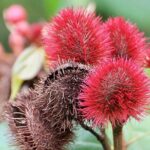
Zanzibar Spice Farms and Plantations, compared.
 ★ 4.4Zanzibar: Stone Town, Spice Tour, Prison Island with LunchFrom $681,219 reviews
 ★ 4.5Zanzibar: Prison Island, Stone Town, & Spice Farm TourFrom $70579 reviews
★ 4.6Zanzibar: Stone Town, Spice tour & Prison Island with LunchFrom $55453 reviews
★ 4.5Zanzibar: Prison Island, Stone Town, & Spice Farm TourFrom $70579 reviews
★ 4.6Zanzibar: Stone Town, Spice tour & Prison Island with LunchFrom $55453 reviews
 ★ 4.5Full-Day Private Stone Town +Spice Farm and Prison Island TourFrom $100216 reviews
 ★ 4.5Spice Tour + Stone Town Tour + Prison IslandFrom $140130 reviews
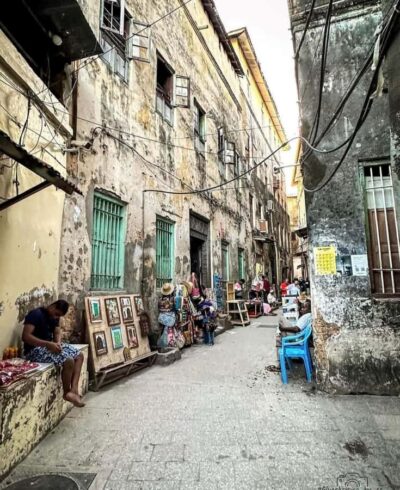 ★ 4.8Zanzibar: Spice Tour & Stone Town Walking TourFrom $95115 reviews
 ★ 4.5Zanzibar: Stone Town & Spice Farm Tour with LunchFrom $7397 reviews
 ★ 4.7Zanzibar: The Swahili Spice Experience – Spice Tour + Culinary JourneyFrom $2196 reviews
Browse the lists this tour appears in