

REVIEW · ZANZIBAR SPICE FARMS AND PLANTATIONS
Zanzibar Aromatic Spice Farms Tour
Smell your way through Zanzibar’s spice gardens. This spice farm walking tour is all about hands-on learning, with you stopping to sniff and taste plants as they grow. I like that it is not a museum lesson, it is a working shamba where the guide explains what you are seeing and how it gets used.
Two things I really like: the spice and herb tastings (including lemon grass, nutmeg, cinnamon, turmeric, vanilla, black pepper, and more), and the chance to end with a traditional Swahili lunch at the farm. One consideration, the experience requires good weather, so plan for a little flexibility if conditions are rough.
In This Review
- Key things to know before you go
- Entering a Zanzibar shamba, not a showroom
- A quick spice world tour, from Portuguese routes to today
- The stops where you actually smell and taste
- Expect guide style to shape your experience
- The seasonal fruit tastings (when the farm is doing its thing)
- Traditional Swahili lunch at the farm, where spices show up for real
- Considerations for lunch
- The spice stall stop, and the cash-only detail
- Price and value: what $102.57 buys you
- Who may feel the price is higher
- What to pack, and how to make the 3 hours comfortable
- Should you book Zanzibar Aromatic Spice Farms?
- FAQ
- Where does this tour take place?
- Is pickup included?
- How long is the spice farm tour?
- What will I taste during the tour?
- Is lunch included?
- Is this a private tour?
- Can I buy packaged spices at the end?
- What if the weather is poor or I need to cancel?
- Can children join?
Key things to know before you go
- A real shamba walk: you move through the farm and learn by looking, smelling, and tasting.
- Plant-by-plant tastings: spices, herbs, and fruit are sampled during the tour, not just at the end.
- Seasonal fruit included: papaya, oranges, jack fruit, and other tropical fruits can show up depending on what is ripe.
- Swahili lunch at the farm: spices get their moment on your plate.
- Tips built into the price: the cost includes tips for farm workers, so you can relax about that part.
- Cash-only at the spice stall: packaged spices are sold at the end, and you will need cash.
More spice farm afternoons on the island
- Zanzibar: Stone Town, Spice Tour, Prison Island with Lunch★ 4.4 · 1,219 reviews
- Zanzibar: Prison Island, Stone Town, & Spice Farm Tour★ 4.5 · 579 reviews
- Zanzibar: Stone Town, Spice tour & Prison Island with Lunch★ 4.6 · 453 reviews
- Full-Day Private Stone Town +Spice Farm and Prison Island Tour★ 4.5 · 216 reviews
Entering a Zanzibar shamba, not a showroom
This tour is set up as a walking experience on a spice farm (shamba). You will spend about 3 hours seeing how spices, herbs, and fruit grow, then getting practical explanations about how people use them in everyday life.
What makes it feel worthwhile is the pacing. You are not rushing past plants. You stop. You smell. You taste. Then the guide links the plant to what it does in cooking, drinks, or home remedies. That makes the information stick.
Also, it is private, meaning only your group is on the tour. That usually matters more than people think. It gives you room to ask questions when something really catches your attention.
A quick spice world tour, from Portuguese routes to today
Zanzibar did not always have its famous spice culture the way it does now. Spices and herbs were brought to the islands by Portuguese traders in the 16th century, with plants coming from colonies in South America and India.
During the walk, that background helps your brain connect the dots. When you see something like vanilla or nutmeg, the guide can explain why these crops became part of Zanzibar life in the first place. It turns the farm into a living map of global trade, not just a set of rows.
I like this approach because it keeps things grounded. You get context, then you get your nose right over the plants and see what is actually happening.
The stops where you actually smell and taste
The best part of this tour is the sensory work. You will smell and taste a long list of crops, and the tour is designed so each one is introduced in a way you can remember.
Here are some of the items you can expect to encounter, based on the tour description:
- Clove
- Lemongrass
- Nutmeg
- Cinnamon
- Turmeric
- Vanilla
- Coconuts
- Papaya
- Chili
- Black pepper
- Jack fruit
- Cardamom
- Cassava
- Oranges
What you learn is not just the flavor. The guide talks about growth and cultivation, so you understand why some spices are labor intensive and why timing matters. One of the most memorable details from a guide explanation was how a vanilla bean’s size and cultivation can surprise you, plus how much manual work is involved.
If you are the type who always wonders how something becomes a spice on your pantry shelf, you will have a field day here. And if you are not into cooking, you will still get something valuable, like learning which aromas come from leaves, stems, or fruit.



Expect guide style to shape your experience
Guides can make the difference between a nice walk and a truly informative one. In the past, this tour has been led by guides including Zamir and James, and both styles emphasized how the plants are grown and how they are used.
If you prefer a more lively explanation, that is usually easier to find with a guide who enjoys teaching. If you prefer simple, direct answers, the good guides still deliver them quickly, plant by plant.
The seasonal fruit tastings (when the farm is doing its thing)
The tour includes seasonal fruits, and this is one of those parts that can make repeat visits feel different. When fruit is ripe, you taste it at peak flavor, not as something picked early just to be convenient.
From the listed options, you might sample tropical favorites like papaya, oranges, and jack fruit, along with other fruits tied to what is available when you go. The guide can also explain how different fruits pair with spices during local eating.
Practical tip: if you have a sensitive stomach, go slow with the fruit tastings. You are tasting multiple things in a short time, and even if everything is fresh, your body may need a minute.
Traditional Swahili lunch at the farm, where spices show up for real
After the farm walking and tastings, you get a traditional Swahili lunch at the farm. This is not an afterthought meal. It is where the tour stops being abstract.
Spices and herbs you smelled on the plants now show up as flavors on your plate. That is the big value point here. You see the ingredient in the ground, then you eat it in a real meal format.
I find this especially useful for buyers. If you plan to purchase spices at the end, lunch helps you judge quality. You can taste what is punchy, what is delicate, and what is best suited to the kind of cooking you actually do at home.
Considerations for lunch
The tour is about three hours total, so lunch is likely paced to fit the schedule. That means it is not the kind of long sit-down meal where you linger for ages. Still, it gives you a genuine sense of how spice flavor works in local food.
The spice stall stop, and the cash-only detail
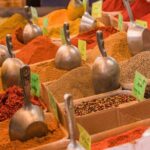
At the end, the tour includes a stop at a spice stall where you can buy fresh packaged spices. The catch is clear and important: the stall is cash only.
This matters for two reasons. First, you do not want to reach the end without a plan for payments. Second, cash-only purchases can affect what you choose to buy. You might buy fewer items, or you might buy only what you are sure you will use.
I suggest doing this like a smart shopper, not a spend-everything impulse buy. If something tasted great in the lunch, that is your best clue.
Also, you might see a selection that reflects what the farm and market feel like emphasizing that day. If you are curious, ask the guide what they recommend based on the flavors you enjoyed.
Price and value: what $102.57 buys you
At $102.57 per person for about 3 hours, this is not a budget activity. But it can feel like good value because a few costs are bundled in.
Included in the price:
- Transport by private vehicle
- Seasonal fruits
- Tips for farm workers are included
That combination adds up. Private vehicle transport is a real convenience in Zanzibar City, and farm-worker tips are often where smaller tours surprise you at the end. Here, that piece is already handled, so you can focus on the experience.
Where you can get real value is in the labor and teaching side. A spice farm is not a one-minute attraction. It is hands-on learning across many crops, with guide explanations that take time.
If you are the type who enjoys food culture and wants to leave with practical knowledge, you are paying for that education plus tastings plus a meal.
Who may feel the price is higher
If you are not interested in tasting and want just a quick photo stop, this might feel pricey. The tour is built around sensory learning, not quick sightseeing.
Also, because it requires good weather, you may want a little flexibility in your schedule.
What to pack, and how to make the 3 hours comfortable
This is a working farm walk, so comfort matters. The tour is described as a walking experience in the shamba, and even with a guide leading you, you will still be outside on uneven farm paths.
I recommend:
- Closed-toe shoes you do not mind getting a bit dirty
- Sunscreen and some form of sun protection
- A refillable water bottle if you tend to get thirsty in heat
If you are sensitive to strong aromas, that is your call. The tour is intentionally filled with scents from leaves, stems, and spices, and you will be encouraged to smell right up close.
Should you book Zanzibar Aromatic Spice Farms?
Book it if you want a short, high-impact food and farming experience. This is one of those tours where the value comes from the link between plant, spice, and meal. You will leave knowing what you tasted, not just remembering pleasant smells.
Skip it, or at least think twice, if you dislike tasting foods in quick succession, or if you hate walking outdoors. Since the tour depends on good weather, you also want a schedule that can absorb a change.
If you do book, you will get the best experience by showing up curious. Ask questions about cultivation and uses. In past tours, guides like Zamir and James have focused heavily on growth stages and practical use, and that kind of attention is what turns this from a stroll into real understanding.
FAQ
Where does this tour take place?
The Zanzibar Aromatic Spice Farms Tour is located in Zanzibar City, Tanzania.
Is pickup included?
Pickup is offered, and transport is included by private vehicle.
How long is the spice farm tour?
It runs for about 3 hours.
What will I taste during the tour?
You will smell and taste spices, herbs, and tropical fruits such as clove, lemon grass, nutmeg, cinnamon, turmeric, vanilla, coconuts, papaya, chili, black pepper, jack fruit, cardamom, cassava, and oranges, plus seasonal fruits.
Is lunch included?
Yes. After the spice farm tour, you enjoy a traditional Swahili lunch at the farm.
Is this a private tour?
Yes. It is described as a private tour, meaning only your group will participate.
Can I buy packaged spices at the end?
Yes. There is a stop at a spice stall selling fresh packaged spices, and it is cash only.
What if the weather is poor or I need to cancel?
The tour requires good weather. If it is canceled due to poor weather, you will be offered a different date or a full refund. You can cancel for free up to 24 hours in advance for a full refund.
Can children join?
Children must be accompanied by an adult.
More Spice Farm Afternoons
- Zanzibar: Stone Town, Spice Tour, Prison Island with Lunch
★ 4.4 · 1,219 reviews - Zanzibar: Prison Island, Stone Town, & Spice Farm Tour
★ 4.5 · 579 reviews - Zanzibar: Stone Town, Spice tour & Prison Island with Lunch
★ 4.6 · 453 reviews - Full-Day Private Stone Town +Spice Farm and Prison Island Tour
★ 4.5 · 216 reviews - Zanzibar: Spice Tour & Stone Town Walking Tour
★ 4.8 · 115 reviews
Just added from around Zanzibar City



Zanzibar Spice Farms and Plantations, compared.
 ★ 4.4Zanzibar: Stone Town, Spice Tour, Prison Island with LunchFrom $681,219 reviews
 ★ 4.5Zanzibar: Prison Island, Stone Town, & Spice Farm TourFrom $70579 reviews
★ 4.6Zanzibar: Stone Town, Spice tour & Prison Island with LunchFrom $55453 reviews
★ 4.5Zanzibar: Prison Island, Stone Town, & Spice Farm TourFrom $70579 reviews
★ 4.6Zanzibar: Stone Town, Spice tour & Prison Island with LunchFrom $55453 reviews
 ★ 4.5Full-Day Private Stone Town +Spice Farm and Prison Island TourFrom $100216 reviews
 ★ 4.5Spice Tour + Stone Town Tour + Prison IslandFrom $140130 reviews
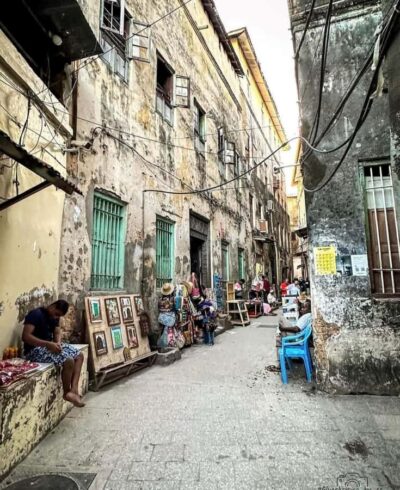 ★ 4.8Zanzibar: Spice Tour & Stone Town Walking TourFrom $95115 reviews
 ★ 4.5Zanzibar: Stone Town & Spice Farm Tour with LunchFrom $7397 reviews
 ★ 4.7Zanzibar: The Swahili Spice Experience – Spice Tour + Culinary JourneyFrom $2196 reviews
Browse the lists this tour appears in