
REVIEW · STONE TOWN HERITAGE WALKS
Stone Town and Spice Tour in Zanzibar
Spices start in Stone Town. This half-day tour strings together the major landmarks of Stone Town with a hands-on visit to a working spice farm run by locals, so you get both culture and the smells you came for. I like how the route includes market life and street views, not just museum stops, and the spice farm time is long enough to actually learn how spices are grown and used. One thing to plan for, the old slave market has an extra $8 USD admission ticket, and the subject matter is heavy.
What really makes it work is the human touch. Guides tied to SayafriTours, like Mohamed, Ali, and Mr. Sayafri, focus on clear explanations and a friendly pace, so you are not left translating on your own. You also ride by private transport between Stone Town and Kizimbani, which makes the whole day feel smoother than shoehorning everything into public buses.
In This Review
- Key moments and why they matter
- A half-day plan that links Stone Town to Kizimbani
- Start at Old Fort, then walk into Zanzibar’s old-world street map
- Old Slave Market and Anglican Cathedral: important, close, and not for rushing
- Darajani Bazaar: where Zanzibar flavors show up in real life
- Forodhani Gardens and the House of Wonder: a breather in the middle
- Freddie Mercury Museum area and Shangani Street: pop history with real street texture
- Ngome Kongwe Old Fort: a short stop that anchors everything
- Jambo Spice Farm in Kizimbani: where the island’s trade story becomes real
- Price and what $68 really buys you
- How the guide quality shows up in your day
- What to bring and how to pace yourself
- Who should book this Stone Town and Spice tour?
- Should you book Stone Town and Spice with SayafriTours?
- FAQ
- How long is the Stone Town and Spice tour?
- What does the $68 price include?
- Is lunch included?
- Do I need to pay extra for the slave market?
- Is pickup offered?
- Where is the spice farm?
- Is this tour private?
- What is the start time?
- Is free cancellation available?
Key moments and why they matter
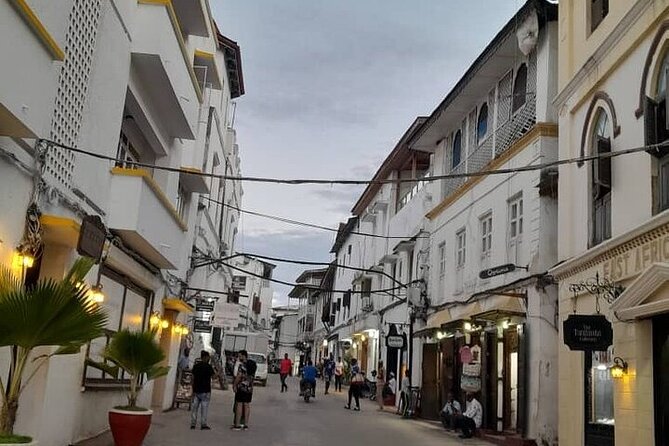
- Old Slave Market and Anglican Cathedral (extra ticket): a world heritage site stop that you should approach with care
- Darajani Bazaar food market: seafood, meats, grains, and spices, right where locals buy daily
- Forodhani Gardens plus the House of Wonder: a history-forward pause with excellent people-watching potential
- Freddie Mercury Museum area and Shangani Street: pop-culture landmark energy mixed with street-level Zanzibar
- Ngome Kongwe Old Fort: the oldest anchor building in the capital, quick but worthwhile
- Jambo Spice Farm in Kizimbani: a real, interactive spice farm visit with admission included
Other Stone Town walks we followed
- Stonetown: Food Markets and Street Food Walking Tour★ 4.7 · 151 reviews
- Zanzibar Stone Town Walking Tour★ 5.0 · 145 reviews
- Stone Town Historical Walking Tour★ 5.0 · 143 reviews
- Spice Tour + Stone Town Tour + Prison Island★ 4.5 · 130 reviews
A half-day plan that links Stone Town to Kizimbani
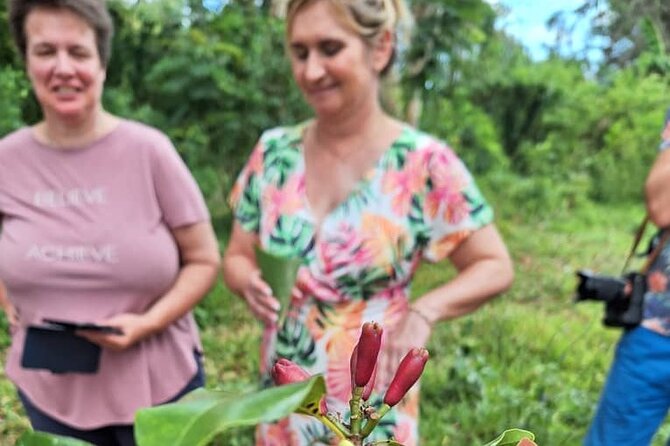
This is a 5-hour style tour that starts early in Stone Town and then heads out to the spice fields. The pacing is practical: you get multiple short stops in the Old City, then you switch gears for a longer, more hands-on experience at Jambo Spice Farm.
The value here is the blend. Stone Town can feel like a lot of disconnected sights. This route stitches them together through themes you actually care about: coastal life, Swahili culture, and how trade shaped the island. Then you get a logical payoff at the spice farm, where you see and hear about the same spice economy that helped Zanzibar become famous.
You’ll be on a private tour with only your group. That matters because you can ask questions at your pace, especially during the history segments and the spice explanations.
Start at Old Fort, then walk into Zanzibar’s old-world street map
Your meeting point is at Old Fort on Mizingani Road. That is a smart place to begin because you are already in the historic zone, and your guide can help you get your bearings fast before you wander into the side streets.
From here, the tour moves into Stone Town on foot. The walking portions are not described as strenuous, and the tour notes that most travelers can participate, so it is a good option if you want to see a lot without turning the day into a marathon.
If you like structure, you’ll enjoy how the stops are spaced. Each one is long enough to see the key parts, but short enough to keep momentum. Also, because pickup is offered, you are less likely to lose time figuring out local transport before you even start sightseeing.
Old Slave Market and Anglican Cathedral: important, close, and not for rushing
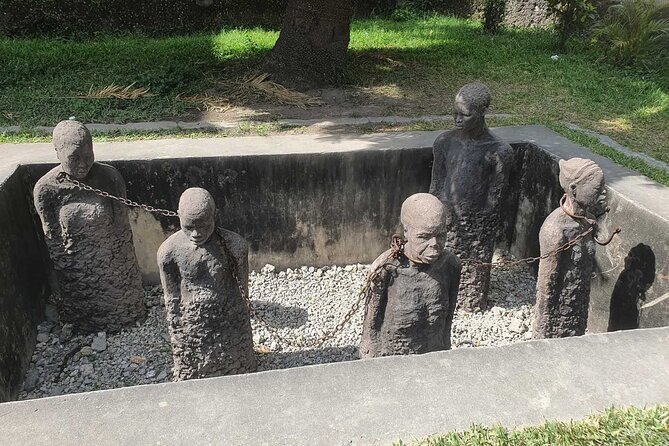
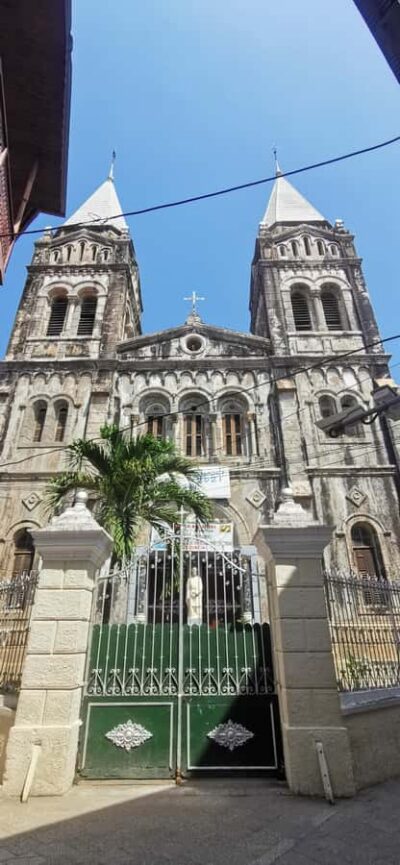
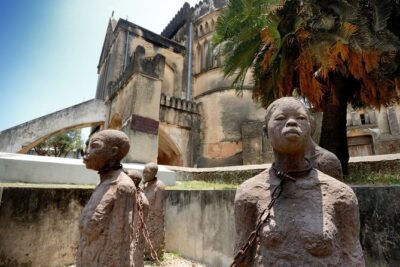
The first major stop is the old slave market area alongside the Anglican Cathedral. This site is part of Zanzibar’s world heritage story and connects to one of the largest slave markets in the world. It is not a stop to speed through.
The practical part first: the old slave market admission is not included, and you should expect to pay the listed $8 USD ticket. If you want the tour to stay smooth, plan for that early rather than waiting until you arrive.
The deeper reason to visit is understanding how Zanzibar’s coastal history ties into wider East African and Atlantic-era systems. A good guide makes this less abstract. With guides like Mohamed and Ali, the explanations tend to focus on what the place represents and how Zanzibar’s communities formed along trade routes, not just dates on a wall.
A consideration: if you dislike heavy historical topics, this is still the right place to see the island’s story, but you should emotionally pace yourself.
More spice farm afternoons on the island


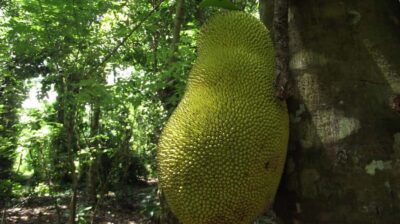
Darajani Bazaar: where Zanzibar flavors show up in real life
Next comes Darajani Bazaar, a food market built by Bomanjee for Sultan Ali. The time here is short, but the experience can be intense in the best way because it is not staged.
Expect to see the rhythm of buying and selling: seafood, meats, grains, and spices. This stop works as a bridge between the history you just heard and the spice farm you’re going to later. In other words, you start to connect the dots between trade, daily food, and how spices are used at home.
The tour gives you around 40 minutes here, and admission is free. That’s useful because you can spend time watching, taking a few photos, and asking questions without budgeting for entry fees at every corner.
If you’re sensitive to crowds or strong smells, you might prefer to hover near the calmer edges and spend more time on tasting thoughts and ingredient questions rather than standing in the densest lanes.
Forodhani Gardens and the House of Wonder: a breather in the middle
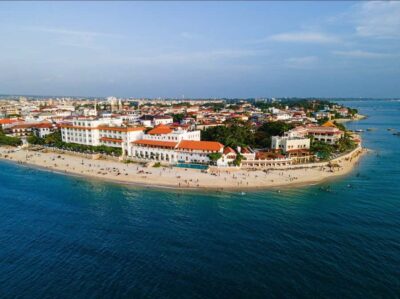
Forodhani Gardens is a chance to pause in a historic public space. It’s also a point where the tour can feel less like “just walking from one landmark to the next” and more like experiencing Stone Town as a living city.
You’ll also see the House of Wonder. This is one of those Zanzibar landmarks that helps you understand why the island was so important to trade and leadership across centuries.
This stop is about 30 minutes and admission is free. That short duration is actually a feature. You get a proper break and a visual reset before the more focused museum stop.
A practical tip: wear comfortable shoes and keep water handy. Gardens and public squares can be a bit exposed to sun depending on the day.
Freddie Mercury Museum area and Shangani Street: pop history with real street texture
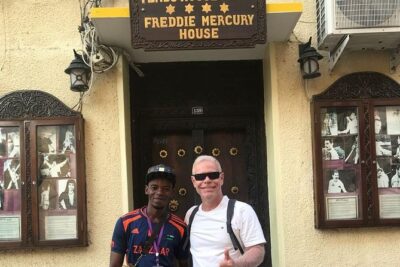
Then you get to one of Zanzibar’s best-known modern touchpoints: the Freddie Mercury Museum. The tour includes a chance to visit his house, plus you’ll head to Shangani Street.
This combination tends to work better than doing the museum alone. You get the recognizable connection to a global superstar, then you step back into the street life that makes Stone Town feel unmistakably itself.
You’re allocated about 40 minutes and the tour data lists admission as free for this segment. Still, when you arrive, keep an eye out for any on-site guidelines, since museums and house areas sometimes change procedures.
What I like about this part of the route is that it gives you a different way into Zanzibar. Not every tourist wants strict history, and even if you do, a pop-culture anchor makes it easier to remember what you learned earlier about trade, communities, and identity.
Ngome Kongwe Old Fort: a short stop that anchors everything
The Old Fort, also known as Ngome Kongwe, is one of the capital’s oldest major buildings and a key visitor attraction. The tour keeps this stop brief at about 20 minutes, with admission listed as free.
That short time is useful because it keeps the pace from dragging. You get the sense of scale, location, and historical importance without losing momentum before the drive to the spice farm.
This is the kind of stop that helps you understand orientation. When you later look across the rooftops and streets, it clicks into place why Stone Town’s layout makes sense.
If you want photos, this is a good one to slow down for, even if only for a minute. The fort area gives strong context for the rest of what you saw today.
Jambo Spice Farm in Kizimbani: where the island’s trade story becomes real
Finally, the tour drives to Kizimbani, about 6 to 7 kilometers from Stone Town, to visit Jambo Spice Farm. This is the big payoff, with around 2 hours on-site and admission included.
This is not just a walk through plants. The spice farm portion is run by locals, and the explanations are interactive and entertaining. That’s important, because spices can sound like a list, but in the field you learn why certain crops matter, how they are handled, and how they reach kitchens and markets.
This is also where the earlier Stone Town stops start to feel connected. You saw the food market and heard the coastal trade context. Now you’re standing in the place that supports the entire idea of Zanzibar spices as a global product.
Guides in this tour often connect the dots beyond spices too, like coastal zone identity and Swahili cultural context, and you might hear mention of Bantu and how coastal communities developed. Even if your focus is spices, that cultural layer makes the farm time feel more meaningful than a generic souvenir stop.
Price and what $68 really buys you
At $68 per person, you are paying for more than just sightseeing. You get all fees and taxes, private transportation, and admission included at the spice farm. Lunch is not included, and you can arrange lunch with the operator at the farm before or after your tour if you want to add it.
The extra cost to remember is the old slave market ticket (listed at $8 USD). So your total out-of-pocket can be slightly higher depending on that choice.
Here’s the practical way to judge the value. If you’re trying to do Stone Town plus a spice farm in separate bookings, you usually end up paying for multiple logistics and paying extra for entry times you didn’t budget. This tour packages the major Stone Town anchor points and adds a full farm session with included admission, which keeps the day predictable.
Also, the private format matters. If you are traveling in a small group, you can often get more flexibility with questions and pacing. That can make the cost feel more fair than a crowded shared tour.
How the guide quality shows up in your day
The consistent theme is guide quality. People highlight Mohamed and Ali for being informative and friendly, and they also mention Mr. Sayafri as modest, nice, and considerate. In practice, that kind of guide does two things well.
First, they turn landmarks into explanations you can actually repeat later. Instead of memorizing names, you learn what those places represented and how the coast worked. Second, they keep the day smooth. You do not get stuck at the wrong door or waiting too long while a group argues about what to do next.
If you like interactive tours, this is where the format helps. The spice farm time is described as engaging, not just lecture-style, and that energy often comes from the guide’s delivery and the local farm staff’s confidence.
What to bring and how to pace yourself
Since you’re mixing walking in Stone Town with a farm visit, aim for practical comfort.
Bring:
- Comfortable walking shoes for Stone Town streets and stops
- Water for the walking segments and garden areas
- Sun protection, because outdoor stops are exposed depending on the day
- Cash for the $8 USD slave market admission ticket
Pace advice:
- Treat the slave market stop as a careful, slower moment. Even if the rest of the day moves quickly, give yourself a chance to absorb it.
- At the spice farm, ask questions about how spices are used locally. That’s where the interactivity pays off.
Who should book this Stone Town and Spice tour?
This tour is a great fit if you want:
- Stone Town highlights without planning a self-guided route
- A spice farm visit that includes real time with locals
- A private tour format where your group can ask questions
- A half-day timeline that still covers both city and countryside
It may be less ideal if:
- You only want light sightseeing and dislike heavy historical topics
- You are hoping for a long beach break or a full day of farm time. This is built for a mix, not a slow resort-style schedule.
Should you book Stone Town and Spice with SayafriTours?
If your goal is a smart, well-paced first visit to Zanzibar, I’d lean yes. The strongest reason is the structure: Stone Town history and street life, then a real spice farm session with admission included. Guides like Mohamed, Ali, and Mr. Sayafri tend to make the difference between seeing sights and understanding them.
Also, private transportation helps a lot. You avoid the friction that can chew up half a day when you’re coordinating separately.
My only caution is the slave market stop. It is part of Zanzibar’s story and worth seeing, but it is also emotionally heavy, and you should go in with that in mind. If that suits you, this is a solid value way to connect Zanzibar’s past with its spices.
FAQ
How long is the Stone Town and Spice tour?
It runs about 5 hours.
What does the $68 price include?
The price includes all fees and taxes and private transportation. Admission to Jambo Spice Farm is included.
Is lunch included?
No. Lunch is not included, but you can book lunch with the operator at the spice farm before or after the tour.
Do I need to pay extra for the slave market?
Yes. The slave market admission is not included, and the listed price is $8 USD.
Is pickup offered?
Pickup is offered, and the tour meets at Old Fort on Mizingani Road. The tour ends back at the meeting point.
Where is the spice farm?
Jambo Spice Farm is in Kizimbani, about 6 to 7 kilometers from Stone Town.
Is this tour private?
Yes. It is a private tour, so only your group participates.
What is the start time?
The tour start time is 8:30 am.
Is free cancellation available?
Yes, you can cancel for a full refund with free cancellation up to 24 hours in advance of the experience start time.
More Spice Farm Afternoons
- Spice Tour + Stone Town Tour + Prison Island
★ 4.5 · 130 reviews - Zanzibar: Stone Town & Spice Farm Tour with Lunch
★ 4.5 · 97 reviews - Zanzibar: Spice Farm Tour with Traditional Cooking Lesson
★ 4.8 · 77 reviews - Zanzibar Cooking Class & Spice Tour
★ 4.5 · 77 reviews - From Stone Town: Spice Tour of Zanzibar
★ 4.0 · 71 reviews
Stone Town, Street by Street
- Zanzibar; Prison Island, Nakupenda, StoneTown Tour with BBQ
★ 4.3 · 457 reviews - Stonetown: Food Markets and Street Food Walking Tour
★ 4.7 · 151 reviews - Zanzibar Stone Town Walking Tour
★ 5.0 · 145 reviews - Stone Town Historical Walking Tour
★ 5.0 · 143 reviews - Spice Tour + Stone Town Tour + Prison Island
★ 4.5 · 130 reviews
Just added from around Zanzibar






Stone Town Heritage Walks, compared.
 ★ 4.4Zanzibar: Stone Town, Spice Tour, Prison Island with LunchFrom $681,219 reviews
 ★ 4.5Zanzibar: Prison Island, Stone Town, & Spice Farm TourFrom $70579 reviews
 ★ 4.3Zanzibar; Prison Island, Nakupenda, StoneTown Tour with BBQFrom $71457 reviews
★ 4.6Zanzibar: Stone Town, Spice tour & Prison Island with LunchFrom $55453 reviews
★ 4.3Zanzibar; Prison Island, Nakupenda, StoneTown Tour with BBQFrom $71457 reviews
★ 4.6Zanzibar: Stone Town, Spice tour & Prison Island with LunchFrom $55453 reviews
 ★ 5.0Stone Town Private Walking TourFrom $26371 reviews
 ★ 4.6Zanzibar: 3 Hours Private Stone Town walking Tour with GuideFrom $24301 reviews
 ★ 4.5Full-Day Private Stone Town +Spice Farm and Prison Island TourFrom $100216 reviews
 ★ 4.5Zanzibar: Stone Town Historical Cultural Walking Guided TourFrom $21179 reviews
Browse the lists this tour appears in