
REVIEW · ZANZIBAR SPICE FARMS AND PLANTATIONS
Private Zanzibar Spice Farm Tour
Spice Island is more than a slogan. This private Zanzibar Spice Farm Tour is built around the real work of growing cloves, nutmeg, cinnamon, peppers, and other staples, plus the fun part: tasting and smelling right where they grow. I especially like the hands-on spice tasting and the way you get an on-the-ground explanation of how these plants are handled, from roots and stems to the branches and fruits you might sample. One thing to keep in mind: if you’re not staying in the Stone Town area, the ride to the farm costs extra.
You’ll also get a window into everyday Zanzibar village life, not just a quick look at plants. The tour includes a round-trip taxi from Stone Town, a professional certified guide, bottled water, and entrance fees, so you can focus on learning and photos. The only snag I’d plan around is that beach hotel transfers are extra, so factor that into your total cost if your hotel is outside Stone Town.
In This Review
- Key things that make this spice farm tour worth it
- Zanzibar’s spice story starts long before cloves hit a ship
- Getting from Stone Town to the spice farm with minimal friction
- Jambo Spice Farm: what you actually learn while walking the rows
- The tasting part: spices and seasonal fruit you can sample on the spot
- Village houses and everyday Zanzibar life, not just farm photos
- Guides and energy: what “private” really means here
- Price and value: why $65 can make sense for a short, guided day
- What to pack and how to get more from the tasting session
- Should you book the Zanzibar Spice Farm Tour?
- FAQ
- How long is the Private Zanzibar Spice Farm Tour?
- Where does pickup work, and when is there an extra transfer cost?
- What is included in the $65 price per person?
- Is lunch included?
- Is this a private tour or shared group?
- What is the cancellation policy for a full refund?
Key things that make this spice farm tour worth it

- Tastings on site so you smell and sample spices where they actually grow
- A certified guide who’s ready to explain plants and spice use in plain language
- Jambo Spice Farm focus with a guided walk through spice and fruit areas
- Village life glimpses with traditional houses still used by locals
- Photo moments in the gardens plus time at spice shops run by villagers
- Clear, low-stress logistics with private transportation and waiting included
More spice farm afternoons on the island
- Zanzibar: Stone Town, Spice Tour, Prison Island with Lunch★ 4.4 · 1,219 reviews
- Zanzibar: Prison Island, Stone Town, & Spice Farm Tour★ 4.5 · 579 reviews
- Zanzibar: Stone Town, Spice tour & Prison Island with Lunch★ 4.6 · 453 reviews
- Full-Day Private Stone Town +Spice Farm and Prison Island Tour★ 4.5 · 216 reviews
Zanzibar’s spice story starts long before cloves hit a ship
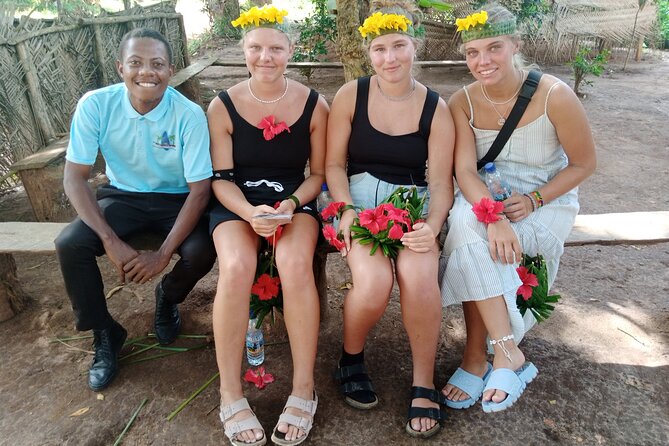
Zanzibar’s spice reputation is real, and it comes with a long timeline. The island is strongly tied to spices and herbs in everyday life, and it has that famous 18th-century chapter when the sultanate of Oman took control of Zanzibar. That Omani connection helped lock in Zanzibar’s role as a spice hub, and it still shapes what you see and how people talk about the plants.
What I like about doing this tour on a working farm is that the story stops being abstract. Instead of hearing spice-trade facts in a museum tone, you can connect the history to actual trees and crops. You’ll notice the mix of spices and seasonal fruits grown side by side, and it makes the whole island economy feel practical, not just romantic.
Also, Zanzibar is often sold as a beach destination first. This tour flips the order. You get out into the greenery for a short, focused trip that feels like Zanzibar in miniature: plants, households, and the small local trade that happens around them.
Getting from Stone Town to the spice farm with minimal friction
This tour is private, so you’re not waiting around for strangers or squeezing your questions into someone else’s schedule. Pickup is included if your hotel is in the Stone Town area, and the price includes round-trip taxi transfer from there. That matters because Stone Town hotels can be clustered in walkable zones, and it’s easier to coordinate.
The practical part: the tour runs about 2 to 3 hours, so you’re not committing a full half-day. It also means you can pair this with other Stone Town time before or after, without your itinerary turning into a stressful shuffle.
One caution: if you’re staying at a beach hotel, the transfer to the spice farm is $45 two ways, and you need to message in advance. This isn’t a small detail. It changes the real value of the tour, so do the math early based on where you’re sleeping.
Jambo Spice Farm: what you actually learn while walking the rows
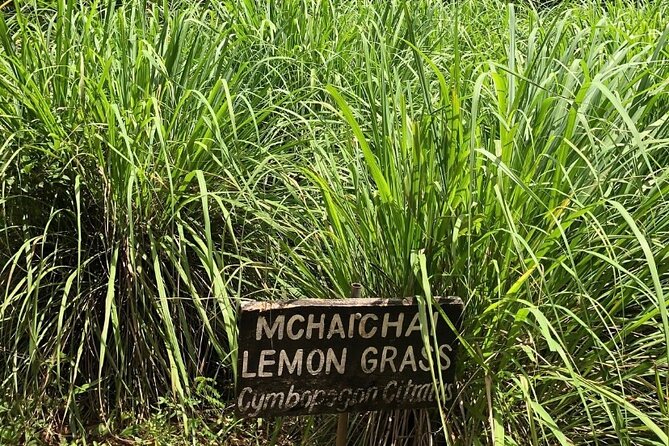
Your main stop is Jambo Spice Farm, and it’s designed to answer the big question I always have when I hear spice farms described: what exactly are you seeing?
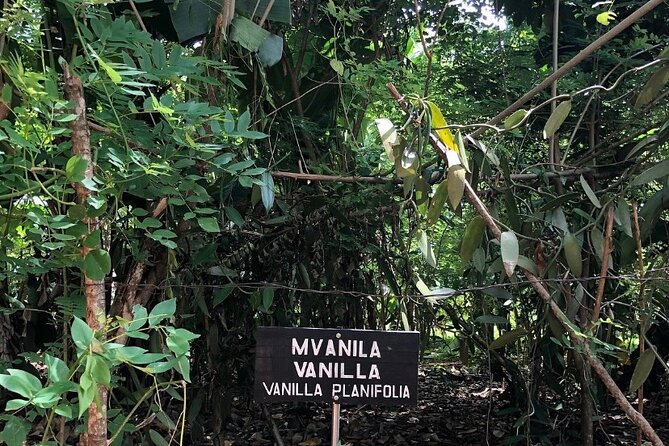
You’ll walk through areas with spices that matter in Zanzibar and beyond, including cinnamons, cardamoms, nutmegs, Indian almonds, vanilla, and black peppers. The guide explains where these plants fit into daily life on the island and what they are used for. This is not just a “look but don’t touch” type of visit. The tour is set up for you to use your senses, so smelling and tasting are part of the learning.
You also get a look at how the plants are handled across stages, including the idea of growth from origin and soil through root handling, with attention to how the plant develops along stems and branches. Even when the details are simplified for visitors, you walk away with a better sense of what makes each spice different, not just how it ends up in a jar.
Expect photos too. The garden setting gives you lots of chances to capture trees, leaves, and spice samples, especially when the guide points out what you should notice.



The tasting part: spices and seasonal fruit you can sample on the spot
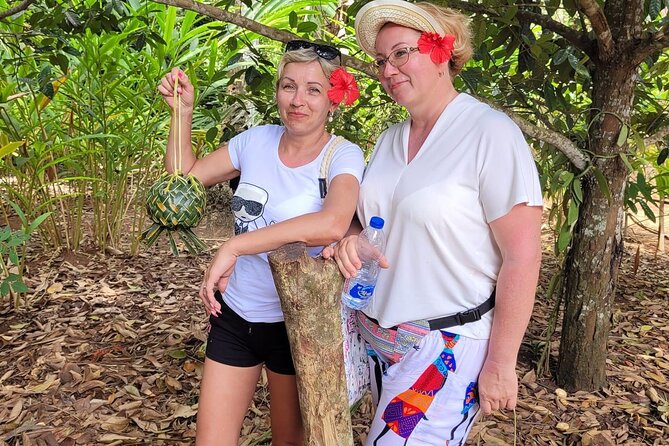
Let’s talk about the part that makes this tour fun, not just informative: the chance to taste different spices and seasonal fruits directly from the tree. That’s the real advantage of a farm visit over a storefront or souvenir stop. You’re not guessing what cinnamon or nutmeg is supposed to taste like in the abstract. You can compare scents and flavors while the plant is in front of you.
You may also hear playful activities along the way. In guides’ styles described in past groups, a game like guess that spice has shown up, where you match smells to spices. Even if the exact format shifts day to day, the idea is consistent: you’re using smell as your guide, then confirming it with tasting.
This is also where you can ask practical questions. If you’re curious how people use spices in cooking, how they store them, or why Zanzibar spices have a reputation in global trade, a good guide will connect your senses to everyday use. And because it’s private, you can steer the conversation toward what you care about most.
If you’re traveling with kids or a mixed-age group, this is the section that often keeps energy high. People tend to remember smells longer than facts.
Village houses and everyday Zanzibar life, not just farm photos
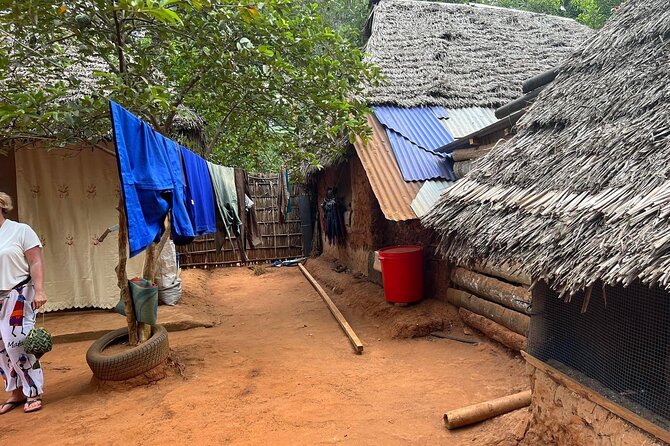
One of the stronger points of this experience is that it doesn’t treat spices like the only story. The tour includes time in a village setting, with old and traditional houses where people still live. That gives you context. Spices aren’t simply a product. They’re woven into homes, routines, and local trade.
You should go in with a respectful mindset. This isn’t a staged theme park. It’s a living community area, so keep your movements calm, ask before photographing close-up, and listen to what the guide shares.
Even if you’re mainly there for the plants, this village element is what makes the visit feel like Zanzibar rather than just a garden excursion. It also helps you understand why villagers operate small spice shops and sell products tied to what’s growing nearby.
Guides and energy: what “private” really means here
The guides connected with this tour often bring a friendly, flexible approach. Names that have come up include Alfa, Abdul, Khalfan, and Watermelon. You might get different guides depending on the day, but the pattern is consistent: the guide’s English skills and ability to keep the group engaged are a big part of why people rate this tour so highly.
What I like from these examples is how they connect facts to your interests. For instance, a guide tailoring the tour to a family of five has been mentioned, and that’s exactly what you want on a private outing. If you’re more into tasting than theory, or more into the history side, you can usually nudge the balance.
This also helps if you have questions that take you off script. Maybe you want to know how vanilla works on the plant, or why certain spices are grouped together. A guide who stays responsive makes the whole tour feel more like a guided conversation and less like a timed lecture.
Price and value: why $65 can make sense for a short, guided day
At $65 per person, the price might look like “just a farm tour” until you break down what’s included. You get private transportation, transport waiting charge, bottled water, a professional certified guide, entrance fees, and round-trip taxi transfer from Stone Town hotels.
For a short 2 to 3 hour experience, that bundling helps. You’re not paying separately for entry, you’re not scrambling for a guide at the last minute, and you’re not trying to piece together transport through a busy area. It’s the kind of deal where the money mostly goes into the guide time and the logistics that keep the day smooth.
The value calculation changes if you’re staying in a beach hotel. With the additional $45 two ways transfer, you’re paying more for access. If your hotel is outside Stone Town, decide if you want to spend that added amount to get the farm experience, or look for an alternative closer option.
Still, if you’re already in Stone Town, this is one of those “worth it” tours because it saves time and reduces hassle.
What to pack and how to get more from the tasting session
This tour is short, but it’s outdoors. You’ll do better with a little planning.
Bring:
- A light layer if you’re sensitive to sun shade changes
- Sunscreen and water-friendly habits, even though bottled water is included
- Your camera or phone, since you’ll want photos around the spice and fruit areas
Do:
- Start by listening to the guide, then follow their hands when they point out specific plants
- Taste slowly. Spices can be intense, and you get more from the experience when you compare scents one by one
- If you plan to buy spices, take note of what you liked most. It helps you shop intelligently later
One more practical detail: if you’re interested in lunch, that’s available as Zanzibar local food with soft drinks for $12 per person (cash), but you need to send an advance message to arrange it. Don’t assume it’s automatic.
Should you book the Zanzibar Spice Farm Tour?
If you’re in Stone Town and want a real Zanzibar experience that’s quick, sensory, and guide-led, I think this is a strong pick. The tour’s best assets are simple: tastings on site, a certified guide, and a short schedule that does not wreck your day.
Book it if:
- You want to go beyond the beach and see how spices grow in Zanzibar
- You like hands-on learning where you smell and taste while you’re walking
- You want a private guide who can adjust to your group
Skip it or plan differently if:
- You’re staying at a beach hotel far from Stone Town and don’t want to add the extra transfer cost
- You mainly want a long excursion with big variety of stops, since this is a focused farm-and-village visit
FAQ
FAQ
How long is the Private Zanzibar Spice Farm Tour?
It runs about 2 to 3 hours.
Where does pickup work, and when is there an extra transfer cost?
Pickup and round-trip taxi transfer are included if your hotel is located in the Stone Town area. If you’re coming from a beach hotel, the transfer to the Spice Farm costs $45 two ways, and you need to message in advance.
What is included in the $65 price per person?
The tour includes private transportation, transport waiting charge, bottled water, a professional certified tour guide, entrance fees, and round-trip taxi transfer from Stone Town hotels (when applicable).
Is lunch included?
Lunch is not included. Lunch with Zanzibar local food and soft drinks costs $12 per person in cash, and you need to arrange it in advance if you want it.
Is this a private tour or shared group?
This is private. Only your group participates.
What is the cancellation policy for a full refund?
You can cancel up to 24 hours in advance for a full refund. If you cancel less than 24 hours before the start time, the amount you paid will not be refunded.
More Spice Farm Afternoons
- Zanzibar: Stone Town, Spice Tour, Prison Island with Lunch
★ 4.4 · 1,219 reviews - Zanzibar: Prison Island, Stone Town, & Spice Farm Tour
★ 4.5 · 579 reviews - Zanzibar: Stone Town, Spice tour & Prison Island with Lunch
★ 4.6 · 453 reviews - Full-Day Private Stone Town +Spice Farm and Prison Island Tour
★ 4.5 · 216 reviews - Zanzibar: Spice Tour & Stone Town Walking Tour
★ 4.8 · 115 reviews
Just added from around Zanzibar City



Zanzibar Spice Farms and Plantations, compared.
 ★ 4.4Zanzibar: Stone Town, Spice Tour, Prison Island with LunchFrom $681,219 reviews
 ★ 4.5Zanzibar: Prison Island, Stone Town, & Spice Farm TourFrom $70579 reviews
★ 4.6Zanzibar: Stone Town, Spice tour & Prison Island with LunchFrom $55453 reviews
★ 4.5Zanzibar: Prison Island, Stone Town, & Spice Farm TourFrom $70579 reviews
★ 4.6Zanzibar: Stone Town, Spice tour & Prison Island with LunchFrom $55453 reviews
 ★ 4.5Full-Day Private Stone Town +Spice Farm and Prison Island TourFrom $100216 reviews
 ★ 4.5Spice Tour + Stone Town Tour + Prison IslandFrom $140130 reviews
 ★ 4.8Zanzibar: Spice Tour & Stone Town Walking TourFrom $95115 reviews
 ★ 4.5Zanzibar: Stone Town & Spice Farm Tour with LunchFrom $7397 reviews
 ★ 4.7Zanzibar: The Swahili Spice Experience – Spice Tour + Culinary JourneyFrom $2196 reviews
Browse the lists this tour appears in