
REVIEW · MAASAI VILLAGE AND CULTURAL EXPERIENCES
Maasai Boma Cultural Tour
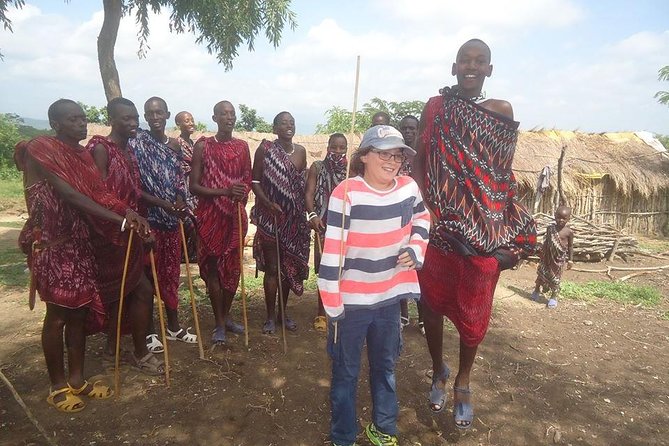
A Maasai boma tour can turn into real conversation fast. This short stop in Tanzania’s Morogoro Region introduces you to Southern Maasai family life, including homes, food, medicine and healing methods, daily routines, and the age-set division of labor.
I love how direct the experience feels, because you are welcomed into a Maasai boma (family homestead) rather than watching culture from behind a barrier. I also love that your ticket supports a village development fund, so your time has a practical local impact.
One consideration: this is a short tour, so if you want lots of time for deep Q and A or long storytelling, you may feel gently rushed by the 2-hour format.
In This Review
- Quick hits before you go
- A warm boma welcome, not a stage show
- Where it fits in your Tanzania plan (Morogoro, timing, and pickup)
- Your guide matters: learning from Melami’s village perspective
- Inside the Maasai boma: homes, indoor living, and everyday structure
- Food and healing: how the tour explains medicine and methods
- The dancing and jumping moment: why it works
- Group size and how it changes the experience
- Price and value: what $30.77 covers
- How to get the most out of the tour (practical behavior tips)
- Who this tour is best for
- Potential drawbacks to think about upfront
- Should you book the Maasai Boma Cultural Tour?
- FAQ
- How long is the Maasai Boma Cultural Tour?
- Where does the tour take place?
- What is the price per person?
- Is hotel pickup included?
- How big is the group?
- What will I learn during the visit?
- Is the village development fund included in the ticket price?
- Do I need to arrange travel to join the tour?
- When is the tour available?
- What is the cancellation policy?
Quick hits before you go
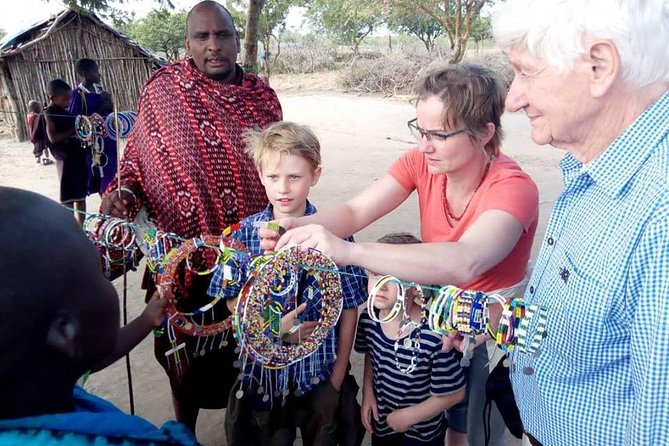
- Small group size up to 25 means you can actually talk, not just stand in a crowd
- Hotel pickup available makes it easy to fit into a busy day
- Village development fund included in your ticket cost, not an add-on
- Southern Maasai daily life, food, medicine, and healing methods are part of the same visit
- Dancing and jumping often become a fun, high-energy moment
- Guide Melami (who lives in the village) brings a real inside perspective
Other visits hosted by Maasai communities
- 3 Days 2 Nights Amazing Masai Tour & Mikumi National Park★ 5.0 · 3 reviews
A warm boma welcome, not a stage show
The heart of this tour is simple: you’re invited into a Maasai boma with the goal of learning how people live. You’ll be introduced to family life and the way responsibilities are shared across age sets. That matters, because it helps you understand the logic behind daily work, not just the surface of traditions.
I like that the visit covers multiple parts of life in one go. It is not only cultural talk. You’ll hear about history, how homes are set up for living indoors, what people eat, and how healing is approached in Southern Maasai communities.
And yes, there’s energy. In the best moments, dancing and jumping show up naturally, the kind of activity that makes you stand upright and pay attention. The vibe stays friendly, not performative. In at least some cases, people experience it as more like joining a family visit than taking a tourist outing.
Where it fits in your Tanzania plan (Morogoro, timing, and pickup)
This tour runs in the Morogoro Region and lasts about 2 hours. That short duration is the whole point. It’s designed for travelers who have a packed schedule and still want something authentic and human-scale.
You also get pickup offered, which is a real value add. When transportation is handled for you, you spend less time coordinating and more time being present with the family and guide. If you’re moving between bigger safari plans, this is a nice way to add culture without adding logistics stress.
The tour window is wide (daily hours listed from 12:00 AM to 11:30 PM across the listed date range), which usually helps you match it to your day. Still, I recommend picking a time when you’ll feel awake and patient for interaction. Culture tours go best when you’re not rushing through them.
Your guide matters: learning from Melami’s village perspective
A big praise point here is the guide connection. One name you should remember is Melami, a Maasai tour guide who lives in the village. That insider detail changes the feel. You’re not only hearing explanations, you’re seeing someone teach from the rhythms of their own home.
When your guide lives there, questions get answered with care. You’re more likely to get practical context. For example, when someone explains how age sets divide labor, you don’t just get a definition. You get it tied to what people actually do day to day.
This tour is also welcoming to questions, including the kinds of curiosity that come up in real conversation. If you like to ask, this is a good fit.


Inside the Maasai boma: homes, indoor living, and everyday structure
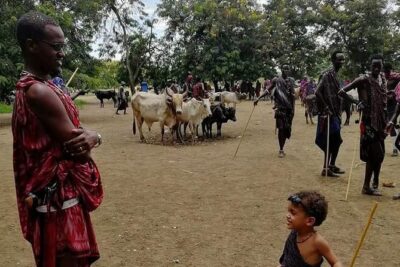
One of the most interesting parts of this tour is how it treats the boma as a living system, not a museum scene. You’ll learn about how people live indoors, and that helps you understand Maasai domestic life in a grounded way.
You’ll also spend time on the history and the way culture is organized around family responsibilities. That includes how the age-set division of labor works. Even if you don’t remember every term, the big takeaway stays with you: people’s roles shift as they grow, and the community runs on shared expectation.
Practical tip: keep your questions short and specific. Instead of asking one huge question, ask two smaller ones. For example: how responsibilities change by age, and what a typical day looks like for a family member in that age set.
Food and healing: how the tour explains medicine and methods
This tour doesn’t treat food and healing as side topics. You’ll learn about foods and medicine healing methods, which can be one of the most memorable parts if you’re the type who likes how humans solve health and nutrition in their own ways.
Just to set expectations: the information you receive is cultural and educational, not a medical treatment. Approach it like learning. Ask what’s used, how it’s understood, and when people rely on those methods. The value is in understanding worldview, not in chasing claims.
If you’re coming from a background where medicine is mostly clinics and pharmacies, this section can be a great reality check. You’ll likely leave thinking about how knowledge gets passed down and how healing ties to community life.
The dancing and jumping moment: why it works
Many cultural tours have “one quick performance” at the end. Here, dancing and jumping can feel more like participation. When it happens, it’s usually joyful and easy to engage with as an observer. It also helps you remember what you learned. Movement sticks in your brain better than facts alone.
Don’t worry if you’re not “a dancer.” You’re not being graded. The important thing is to watch closely first, then join if you’re invited. If you’re hesitant, a friendly smile and attentive body language go a long way.
Group size and how it changes the experience
The tour runs as medium-sized with a maximum of 25 guests. That cap matters. With a smaller group, the guide can respond directly to what people ask. You’re less likely to get stuck in the back while someone else gets the attention.
In at least one case, the experience became very intimate because only two people were in the village tour. You cannot count on that as a guarantee, but the smaller-group structure is still the reason you’re more likely to feel personally welcomed.
If you want more interaction, go at a time when your schedule is flexible and your travel dates are less packed. When there are fewer people, you tend to get longer conversations.
Price and value: what $30.77 covers
The price is $30.77 per person for about 2 hours, and pickup is offered. That alone is a plus, because transport can easily double the cost on many cultural visits when you pay it separately.
The biggest value boost is that the ticket includes all fees, including the village development fund. That means your money is not only paying for guiding time. It is also contributing to local development. You can feel the difference in the attitude of the visit when the purpose is clear.
A fair way to think about value: you are paying for a short but multi-topic introduction to Southern Maasai life, guided by someone who lives in the village (Melami). You are also paying for infrastructure and community benefit through the development fund. For $30.77, it’s strong value when you compare it to longer tours that cover less on the ground.
How to get the most out of the tour (practical behavior tips)
If you want this to feel respectful and easy, bring the right mindset:
- Ask before you photograph if you want to take pictures, and follow the guide’s pacing
- Keep your questions human: daily life, age-set work, what a home day looks like
- Listen for patterns, not trivia. The best learning comes when you connect food, home life, and roles into one story
- Be ready for interaction during dancing and jumping, even if you start as an observer
Also, remember that this is a village setting. Your job is to fit in, not set the tempo. If you act calm and curious, the warmth tends to come naturally.
Who this tour is best for
This is a great choice if you:
- want authentic culture in a short window
- enjoy Q and A and learning through conversation
- appreciate visits where your payment supports local benefit through a village development fund
- need a cultural add-on while you’re otherwise doing wildlife or regional travel
It may not be ideal if you want a purely academic lecture or a long day of content. You’re getting a focused experience, not a half-day seminar.
Potential drawbacks to think about upfront
Besides the short duration, here are two practical considerations:
- Indoor living and medicine topics may be explained in ways that feel unfamiliar. That’s part of the learning, but come with patience.
- You may not get to choose which topics are emphasized beyond what the tour covers. If you have one narrow interest, like only homes or only healing, you might want to ask early so the guide can tailor answers where possible.
If you handle both with flexibility, you’ll likely come away with a strong sense of how daily life works inside the boma.
Should you book the Maasai Boma Cultural Tour?
I think you should book this if your priority is a short, respectful cultural encounter that feels personal. The mix of homes, history, food, indoor living, medicine and healing methods, plus the joyful dancing moment is a solid set of topics for just about two hours.
It’s especially worth it when pickup reduces your hassle and when your ticket includes the village development fund. That combination turns your visit from a one-hour photo stop into something more meaningful.
Book it if you like guides who live the culture and explain it with real answers, like Melami. Skip it only if you want a long, slow experience with heavy logistical flexibility, because the format here is intentionally quick and focused.
FAQ
How long is the Maasai Boma Cultural Tour?
The tour is approximately 2 hours.
Where does the tour take place?
It runs in the Morogoro Region, Tanzania.
What is the price per person?
The price is $30.77 per person.
Is hotel pickup included?
Pickup is offered.
How big is the group?
The tour has a maximum of 25 travelers.
What will I learn during the visit?
You’ll learn about Southern Maasai culture, including language, history, homes and indoor living, food, medicine and healing methods, and daily life. You’ll also hear about age-set division of labor.
Is the village development fund included in the ticket price?
Yes. The ticket helps contribute to a village development fund, and the included fees cover this.
Do I need to arrange travel to join the tour?
No. The tour offers pickup, so you do not need to arrange your own travel.
When is the tour available?
The listed opening hours run daily (Monday to Sunday) from 12:00 AM to 11:30 PM for the dates shown.
What is the cancellation policy?
Free cancellation is available. You can cancel up to 24 hours in advance for a full refund, based on the experience’s local time.
Time With Maasai Hosts
- 3 Days 2 Nights Amazing Masai Tour & Mikumi National Park
★ 5.0 · 3 reviews
Just added from around Morogoro Region






Maasai Village and Cultural Experiences, compared.
 ★ 5.05 Days Camping Tarangire, Serengeti & Ngorongoro crater & Visiting MaasaiFrom $1,254229 reviews
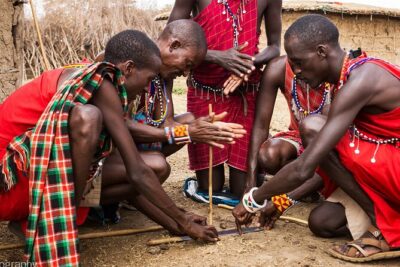 ★ 4.5Maasai village visit, Materuni waterfalls & coffee experienceFrom $15495 reviews
★ 5.05 Days Camping Tarangire, Serengeti & Ngorongoro crater & Visiting MaasaiFrom $1,28058 reviews
★ 4.5Maasai village visit, Materuni waterfalls & coffee experienceFrom $15495 reviews
★ 5.05 Days Camping Tarangire, Serengeti & Ngorongoro crater & Visiting MaasaiFrom $1,28058 reviews
 ★ 5.0Hidden Arusha Waterfall, Coffee & Village Tour (All-Inclusive)From $4042 reviews
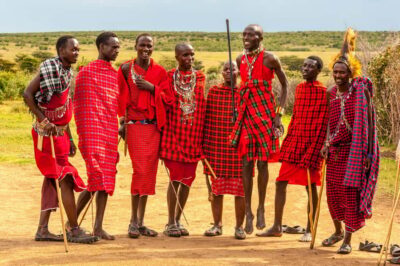 ★ 4.7Massai village & Baraka turtules aquariumFrom $5742 reviews
 ★ 5.0Maasai village visit and Chemka hot-springs with hot lunch.From $12233 reviews
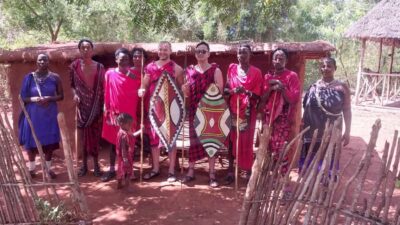 ★ 4.3Zanzibar: Maasai village Tour with Sunset Dhow CruiseFrom $5232 reviews
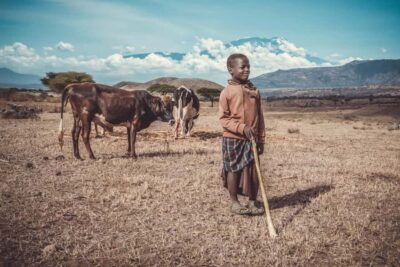 ★ 4.9Kilimanjaro: Maasai Village Visit, Waterfalls, & Coffee TourFrom $18527 reviews
Browse the lists this tour appears in