
REVIEW · MIKUMI NATIONAL PARK SAFARIS
5-Day Mikumi & Ruaha Tanzania Wildlife Lodge Safari
Five days, two legendary parks, one smooth plan. This Tanzania safari is interesting because it pairs Mikumi’s classic big-animal action with Ruaha’s more rugged, river-focused wildlife time, plus lodge stays and meals handled. The route also gives you a quick cultural history stop at Isimila before you head back to Dar es Salaam.
I like that park entry is listed as free for the safari days, which helps you understand your total spend upfront. One trade-off to weigh: you will spend real time on the road as you move between Mikumi, Ruaha, and Dar es Salaam, so this is best if you enjoy moving days as part of the adventure.
I also really like the Ruaha walking safari, because it’s the rare moment where you slow down and feel the bush at ground level. That said, it is not a long, multi-hour hike described here, so keep expectations realistic and follow your guide’s pace.
In This Review
- Key highlights you’ll feel right away
- Mikumi And Ruaha: A smart combo for safari variety
- Price and value: what $1,700 buys you, and what it does not
- Day 1 in Mikumi: first game drives and the hope of wild dog
- Day 2 to Ruaha via Iringa: a driving day that buys you more wildlife time
- Day 3 Ruaha riverside day: roan, sable, hippo, crocodile, and predators
- Day 4 Ruaha walking safari: the rare chance to slow down
- Day 5 Isimila Stone Age Site, then back to Dar es Salaam
- What wildlife spotting feels like on this route
- Lodge comfort, private transport, and why that matters in 5 days
- Which guide skills actually matter on safari
- Should you book this 5-Day Mikumi & Ruaha Safari?
- FAQ
- What time does the safari start?
- Where does this safari operate, and where does it begin?
- Which parks are included in the 5 days?
- Is park entry included?
- What meals are included?
- Is this a private tour?
- What is not included in the tour price?
- Can I cancel for a full refund?
Key highlights you’ll feel right away
- Mikumi first, Ruaha second, so your trip builds from one wildlife stronghold to another
- Wild dog and big cats are explicitly on the sightings radar in both parks
- Riverside wildlife time in Ruaha, with hippo and crocodile mentioned along the water
- A walking safari in Ruaha, guided so you get closer without rushing
- Isimila Stone Age Site included on the final day for a change of pace
- Private transportation and lodge-style comfort, not a backpack-only vibe
Longer northern circuit routes, side by side
- 5-Day Mikumi & Ruaha Tanzania Wildlife Lodge Safari★ 5.0 · 10 reviews
- 4 Days Tanzania National Parks Private Safari from Zanzibar★ 5.0 · 4 reviews
Mikumi And Ruaha: A smart combo for safari variety
If you like your safari to feel like more than one long drive and a few short stops, this route makes sense. Mikumi is often a strong first hit: open areas, lots of visible movement, and a high chance of seeing the usual stars. Ruaha tends to slow things down in the best way, with more focus on riverside life, lots of antelope, and predators waiting in the right places.
Both parks are included on this trip, and the itinerary gives you game drive time more than once, so you are not betting everything on a single outing. That matters because wildlife is wildlife. Some days are quiet, and then you get a sudden payoff.
You’ll also notice the tour uses lodge or camp-style overnight stays rather than rough camping all the time. That is a practical choice, especially since the schedule includes moving between regions and returning toward Dar es Salaam at the end.
Price and value: what $1,700 buys you, and what it does not
At $1,700 per person, you’re paying for a guided, structured safari with private transport and meals. Based on what’s listed as included, your value check looks like this:
What’s included:
- Private transportation
- Accommodation
- 4 breakfasts, 4 lunches, 4 dinners
- Park entry is marked as free on the safari days
- Isimila Stone Age Site stop is included
- Pickup is offered, and you get a mobile ticket
What is not included:
- Visa
- Gratitude (tips)
- Alcohol and soft drinks
- International flight
So how do you judge value beyond the number? For me, it comes down to logistics. A private safari that handles meals and overnight planning saves energy. It also reduces the awkward parts of travel like figuring out schedules, transport connections, and where to eat between parks.
The main caution is that you should budget for the items not included, especially visa costs and tips, and remember that alcohol or soda may add up if that’s your routine. If you want a simple, predictable trip budget, this listing is already set up in a way that helps.
Day 1 in Mikumi: first game drives and the hope of wild dog
You start the day with breakfast, then head to Mikumi National Park for game drives. The timing here is practical: morning departure means you’re not burning your whole daylight just getting into position.
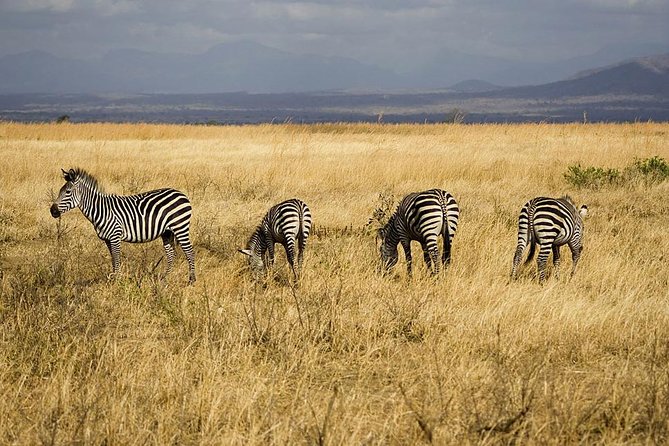
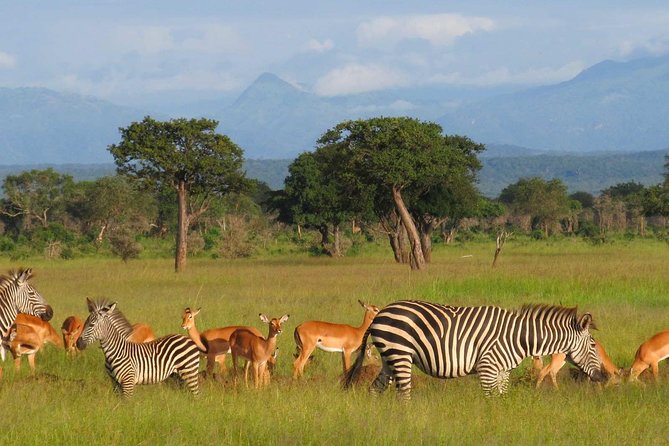
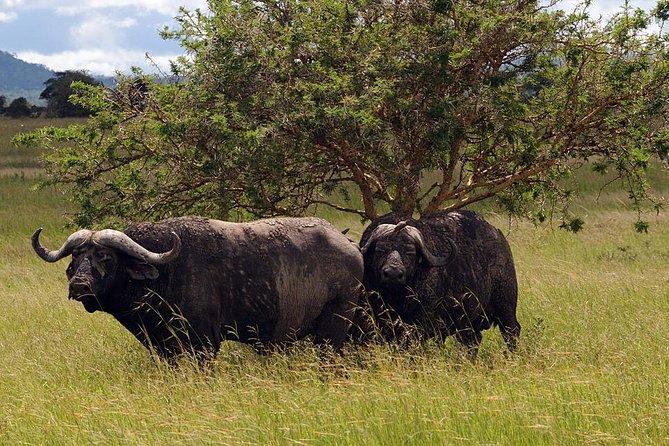
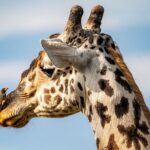
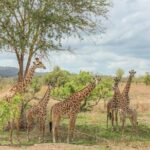
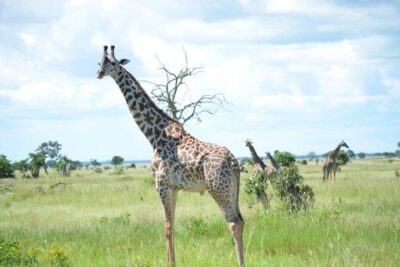
Mikumi is where you should expect a strong mix of animals, including lion, eland, hartebeest, buffalo, wildebeest, giraffe, zebra, and elephants. Wild dog is specifically mentioned as a possibility in packs. That one detail changes the vibe. Wild dog sightings are not something you can manufacture, but knowing it’s in the mix lets you understand the operator is aiming for more than the easy-to-spot list.
A quick reality check: the safari format means you’re out in the open with wildlife around you, not watching from a classroom. Patience helps. If you’re the type who wants action every minute, you might feel a little teased by the pace of hunting and wandering animals. If you’re okay with slow looking, the first day tends to set the tone.
Night one is spent at the camp or lodge, so you can recharge without having to hunt for last-minute food or transport.
Mikumi from other starting points
Day 2 to Ruaha via Iringa: a driving day that buys you more wildlife time
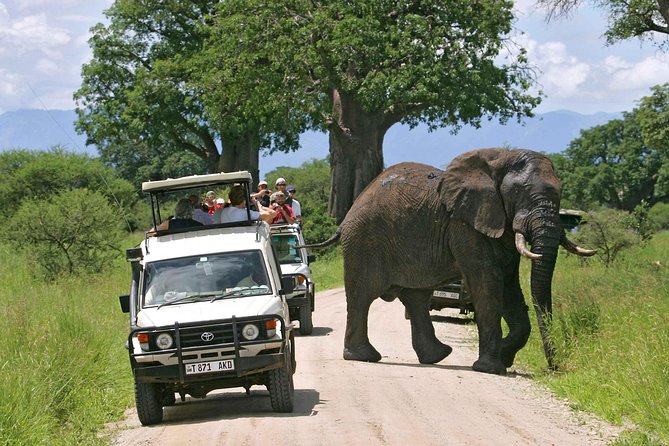
After breakfast, you check out and head toward Ruaha National Park. The trip includes lunch in Iringa Town, then you arrive in the afternoon. That “arrive in the afternoon” part is key. It tells you you’re not losing the whole day to transit.
That evening, you get either short game drives in the park or downtime at leisure, depending on how the day plays out. From a visitor’s perspective, I like that flexibility. It helps when road time runs long or when everyone is still feeling safari excitement and wants more time looking.
Ruaha is where the itinerary starts focusing more on rivers and the animals that gather around them. Even if day two is shorter on game drives, you’re already transitioning into the right environment. Night two is at a camp or bandas, so you’re still in the safari setting rather than back in the city.
One thing to consider if you hate driving: this is a route with transfers. You will feel that on day two. The upside is you get to sleep in the bush again, so the driving time is not just wasted travel.
Day 3 Ruaha riverside day: roan, sable, hippo, crocodile, and predators
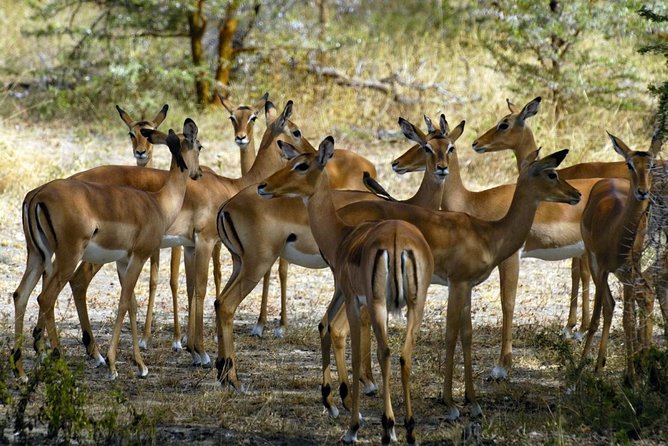
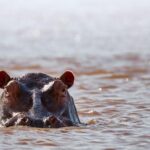
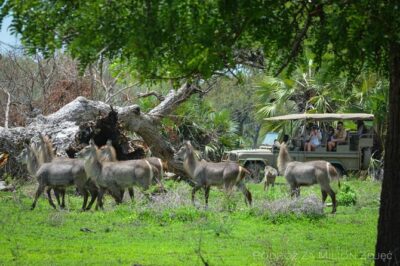
Day three is the big wildlife block. You head out after breakfast for game viewing drives, with Ruaha as the main focus. The itinerary calls out roan and sable antelope, plus hippo and crocodile, and waterbuck and reedbuck. Buffalo are also expected.
Then comes the predator angle. The plan mentions lion, leopard, hyena, wild dog, and jackal, plus lots of antelope. This is where Ruaha sounds like it’s doing what it’s known for: predators and prey meeting around water and movement corridors.
The riverside detail is practical for your planning. If you are hoping for close wildlife action, rivers and edges often create the odds for it. You’re not just scanning grassland. You’re looking at animals that concentrate where conditions are right.
Birds are also part of the day. Eurasia migrants are mentioned as visiting the park twice a year. I can’t guarantee the timing of your trip lines up with migration seasons, but having birds on the radar is a good sign. It means the game viewing is not only about the big cats.
Dinner and overnight happen at the camp or bandas again. That consistency is helpful after long days of looking. You get a proper reset rather than a late scramble.
Day 4 Ruaha walking safari: the rare chance to slow down
Day four mixes two kinds of safari. First, you do a walking safari in Ruaha with an experienced guide. The itinerary frames it as an opportunity to touch the wild, meaning you’re not sealed inside a vehicle the whole time. This can be a memorable shift if you’re the kind of person who likes small details like tracks, insects, birds, and plant textures.
Walking safaris are also where you learn how quickly the bush can feel close. You’re moving at a human pace, and that changes how you notice animal behavior. You might spot animals from distance, but you also pay attention to signs, sounds, and movement that you would miss from a vehicle.
After the walking part, lunch is at the camp or lodge. Then you shift to an afternoon game viewing drive, and later you travel back toward Iringa Town for dinner and overnight at a hotel.
This day is a little more “logistics-heavy” than day three because you’re still fitting in wildlife time, plus the return drive. That’s normal for a five-day safari, but it’s worth accepting as part of the deal. The reward is you get a full-spectrum Ruaha experience before leaving the park area.
Day 5 Isimila Stone Age Site, then back to Dar es Salaam
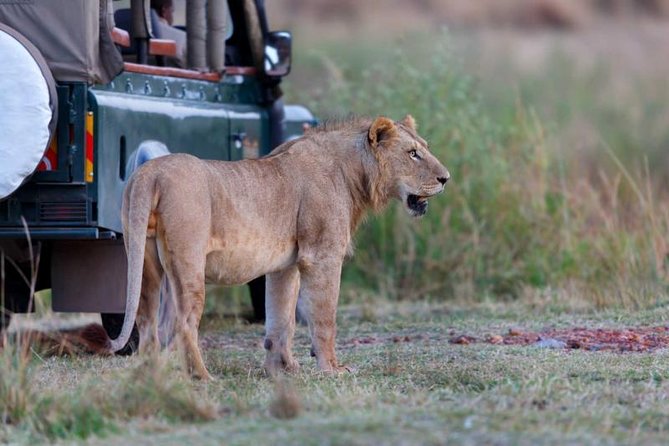
Your final morning includes a short tour to the Isimila Stone Age Site. This is a nice change of pace after days spent mostly with animals. It’s also a practical way to stretch the trip beyond “just safari,” especially if you want one cultural or historical stop without adding a full extra day.
Then you depart to Dar es Salaam, arriving late evening, with drop-off at your hotel or the airport. The wording here matters. Late arrival means you should plan for a relaxed evening at the end, not a big second adventure.
If you have the energy after safari, great. If not, that’s fine too. The end of a multi-day safari tends to be more about recovering your routine than stacking more plans.
What wildlife spotting feels like on this route
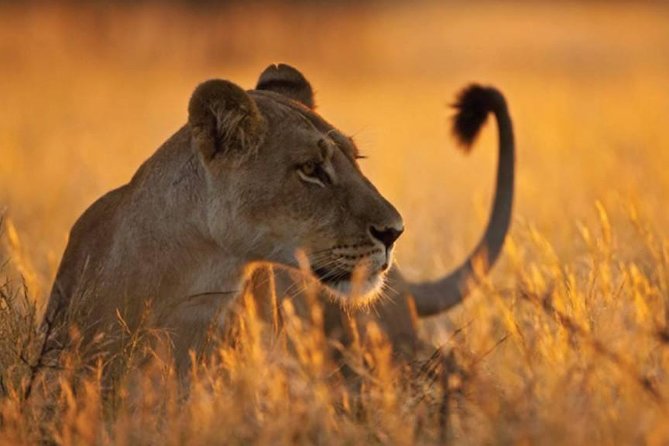
Let’s talk reality. This trip is designed around multiple chances for the same types of animals, not a single do-or-die day.
Mikumi sets you up with a broad set of mammals listed right up front: lion, eland, hartebeest, buffalo, wildebeest, giraffe, zebra, and elephants. Wild dog is also included as a potential sighting in packs. In practice, that often means you should expect a mix of plains and movement, with time to scan for motion and group sightings.
Ruaha then shifts into a riverside-and-edges style of wildlife viewing. The itinerary calls out hippo and crocodile, plus antelope like roan and sable, waterbuck, and reedbuck. Predators are listed too: lion, leopard, hyena, wild dog, and jackal.
Birding is also folded in. Eurasia migrants are mentioned as visiting twice a year, which tells me the guide effort likely includes spotting feathered action, not only mammal chasing.
The biggest tip I can offer from a planning angle is mindset. If your goal is only one species, you’ll be frustrated. If your goal is learning the rhythms of safari, you’ll enjoy it more. Two parks, repeated drives, and a walking safari give you a variety of “ways to see wildlife,” not just one mode.
Lodge comfort, private transport, and why that matters in 5 days
Five days is not a lot of time to bounce between places unless the transport is organized. This safari is built on private transportation, and that’s a big deal on a route like Mikumi to Ruaha.
Private transport usually means:
- you don’t wait around for strangers’ schedules
- your day can flex within reason when wildlife timing shifts
- meals and overnights stay predictable
Accommodation and meals are included too. You get four breakfasts, four lunches, four dinners. That is a practical win. Safari days can mess with hunger timing. Having lunch and dinner planned means you spend your attention on the bush instead of finding food.
You also get pickup offered and a mobile ticket. That reduces the chance of last-minute confusion, especially on travel days when you are already carrying energy and logistics stress.
Which guide skills actually matter on safari
Even with good timing, wildlife spotting depends heavily on the guide’s ability to read the park. From the feedback connected to this operator and its guides, the recurring strength is strong planning and skilled driving in Ruaha and Mikumi.
You might hear names like Amos, who is repeatedly connected with planning and professionalism in the operator’s world. Guides such as Temba are mentioned in relation to Ruaha and other southern parks, and Johnny is cited for safari experience and route knowledge. I can’t promise which guide you’ll get on your departure, but the pattern is clear: the team aims to match your trip with the kind of driver and spotter who understands where to look.
For you, the value is simple. Better spotting is not about luck only. It’s about knowing how animals move, when they’ll show up, and how to position the vehicle safely and respectfully.
Should you book this 5-Day Mikumi & Ruaha Safari?
Book it if:
- you want two parks in five days without feeling like you’re wasting time
- you care about variety: game drives, plus a Ruaha walking safari
- you’re okay with road time as part of reaching Ruaha from Mikumi
- you like the idea of a structured safari that includes meals and lodge stays
Skip it or look for a different option if:
- you dislike driving days and want to minimize transfers
- you expect nonstop action from minute one, because wildlife viewing naturally has slow moments
- you want full details on exact lodge names and room style, since this listing only describes accommodation generally
If you’re aiming for a strong southern Tanzania safari that balances classic wildlife with Ruaha riverside life, this one is a solid fit. The combination of multiple wildlife days, a walking safari, and a final Isimila stop makes the trip feel complete, not chopped up.
FAQ
What time does the safari start?
The start time is 8:00 am.
Where does this safari operate, and where does it begin?
The tour is based in Dar es Salaam, Tanzania, with the safari starting from there and ending with a return to Dar es Salaam late on the final day.
Which parks are included in the 5 days?
You’ll visit Mikumi National Park and Ruaha National Park, plus a short visit to the Isimila Stone Age Site on the final day.
Is park entry included?
Park admission is listed as free for the safari park days, and the Isimila Stone Age Site ticket is listed as included.
What meals are included?
The package includes 4 breakfasts, 4 lunches, and 4 dinners.
Is this a private tour?
Yes, it is a private tour/activity, meaning only your group participates.
What is not included in the tour price?
Visa, gratitude (tips), alcohol and soft drinks, and international flights are not included.
Can I cancel for a full refund?
Yes. Free cancellation is available up to 24 hours in advance of the experience start time, with a full refund if you cancel at least 24 hours before.
Down in the Southern Highlands
- Mikumi National Park & Udzungwa Water Falls 3 Days Group Tour
★ 4.5 · 19 reviews - 8 Days Safari to Mikumi, Ruaha & Udzungwa Mountains
★ 5.0 · 14 reviews - 6 Days Safari to Udzungwa Mountain NP, Ruaha NP and Mikumi NP
★ 5.0 · 10 reviews - 4 Days Mikumi & Udzungwa National Parks Safari
★ 5.0 · 9 reviews - 3 days safari to Mikumi and Udzungwa
★ 5.0 · 8 reviews
Mikumi, a Few More Ways In
- MIKUMI NATIONAL PARK – 3 Days
★ 4.5 · 63 reviews - 2 nights 3 days safari to mikumi national park
★ 5.0 · 62 reviews - 2 Days 1 Night Mikumi National Park from Dar es salaam
★ 5.0 · 60 reviews - Private Full-Day Trip to Mikumi National Park from Dar es Salaam
★ 5.0 · 54 reviews - Private 3 Days 2 Nights Mikumi Adventures
★ 5.0 · 47 reviews
Longer Trips Through the North
- 4 Days Mikumi & Udzungwa National Parks Safari
★ 5.0 · 9 reviews - 4 Days Tanzania National Parks Private Safari from Zanzibar
★ 5.0 · 4 reviews
Just added from around Dar es Salaam


Mikumi National Park Safaris, compared.
 ★ 4.7From Zanzibar: Mikumi Safari Day Trip with Flights and MealFrom $4511,470 reviews
 ★ 5.0Mikumi Safari Tour: Day Trip Return Flight From ZanzibarFrom $60097 reviews
 ★ 5.0Mikumi National Park Day TripFrom $52076 reviews
 ★ 4.5MIKUMI NATIONAL PARK – 3 DaysFrom $72563 reviews
 ★ 5.02 nights 3 days safari to mikumi national parkFrom $65062 reviews
 ★ 5.02 Days 1 Night Mikumi National Park from Dar es salaamFrom $67060 reviews
 ★ 5.02 Day Safari To Mikumi National Park + transfers from Dar Es SalamFrom $90256 reviews
★ 4.5From Zanzibar: Mikumi Safari Day Trip with Flights and MealFrom $49854 reviews
★ 5.02 Day Safari To Mikumi National Park + transfers from Dar Es SalamFrom $90256 reviews
★ 4.5From Zanzibar: Mikumi Safari Day Trip with Flights and MealFrom $49854 reviews