
REVIEW · MIKUMI NATIONAL PARK SAFARIS
3 days safari to Mikumi and Udzungwa
Safari dreams, packed into three days. This short trip hits Mikumi National Park for real wildlife viewing and then shifts gears to Udzungwa Mountains National Park for a walk up to Sanje Falls. You also get a guided cultural stop with a Masai village visit, so it is not just animals and vehicles.
I love how the schedule balances big nature moments with human scale. One full day in Mikumi means time to work waterholes and rolling hills, while the Udzungwa day is built around a memorable waterfall hike and close-up wildlife spotting like red colobus. The one thing to think about is the pace: you start early, you ride a lot, and the Udzungwa part involves walking in a rainforest setting.
In This Review
- Key points to know before you go
- A fast safari from Dar es Salaam, with two very different ecosystems
- Day 1: From Dar es Salaam to Mikumi, with a Morogoro region reset
- Mikumi National Park game drive day: waterholes, predators, and bird life
- The Masai village visit: a brief cultural moment worth doing respectfully
- Day 3 in Udzungwa: Sanje Falls, red colobus, and a rainforest walk
- Open safari car plus air-conditioned road time, what comfort actually means here
- Meals on safari: included breakfasts, lunches, and dinners
- Price and value: how $804.40 can make sense for 3 days
- Who this safari is best for, and who should consider more time
- Tips to get more from Mikumi and Udzungwa in just three days
- Should you book this 3 day Mikumi and Udzungwa safari?
- FAQ
- How long is the Mikumi and Udzungwa safari?
- Where does the safari start and end?
- Do they pick me up in Dar es Salaam?
- Which parks are included?
- Is there an open safari car for game drives?
- What meals are included?
- Is the park entry included or do I pay extra?
- What is the group size limit?
- What is the cancellation policy?
- What happens if weather causes cancellation?
Key points to know before you go
- Two parks, two moods: Miombo woodland game drives in Mikumi, then a forest hike in Udzungwa
- Open safari car time: you spend a full day out in the park for predator and big-animal chances
- Sanje Falls is the headline: a towering 180m waterfall plus smaller falls and possible swim spots
- Small group feel: the tour caps at 7 travelers, which usually means less crowding at stops
- Comfort built in: air-conditioned road transport plus scheduled meals across the days
Mikumi from other starting points
- MIKUMI NATIONAL PARK – 3 Days★ 4.5 · 63 reviews
- 2 nights 3 days safari to mikumi national park★ 5.0 · 62 reviews
- 2 Days 1 Night Mikumi National Park from Dar es salaam★ 5.0 · 60 reviews
- Private Full-Day Trip to Mikumi National Park from Dar es Salaam★ 5.0 · 54 reviews
A fast safari from Dar es Salaam, with two very different ecosystems
If you want a classic African safari, but you do not have a lot of time, this is a smart format. Instead of spending the whole trip in one place, you bounce from Mikumi’s open woodland world to Udzungwa’s green mountain forests. You still get that “in the wild” feeling, but you do not lose days just traveling and waiting.
What makes this trip especially practical is the structure. Day 1 focuses on getting you settled and ready, Day 2 is your main wildlife day, and Day 3 is the walking and waterfall payoff. It is the kind of plan that suits first-timers, families who want a big experience without a long itinerary, and anyone trying to squeeze safari into a short Tanzanian stay.
Day 1: From Dar es Salaam to Mikumi, with a Morogoro region reset
Your adventure starts with pickup from your Dar es Salaam hotel or an agreed meeting point. The drive to Mikumi National Park takes about 5 to 6 hours, so you begin with a real road journey, not a quick hop. Along the way, the scenery changes as you move away from the city and toward the safari landscape.
When you arrive, lunch is served, then you settle in for the next part of the day. After a short break at camp, you visit a Masai village for about one hour. That cultural stop is short on purpose. It helps you understand the human side of the region without turning the day into a full-day cultural program.
A couple of practical notes for Day 1. First, start drinking water early, because you will be in transit for most of the day. Second, keep your camera handy, even outside the park. The drive itself can bring chances to see rural life and changing vegetation.
Mikumi National Park game drive day: waterholes, predators, and bird life
Day 2 is the heart of the trip: a full day in Mikumi National Park with about 8 hours of game viewing. Mikumi is often described as one of Tanzania’s larger parks, and you feel that scale once you are out in the safari vehicle for a long block of time.
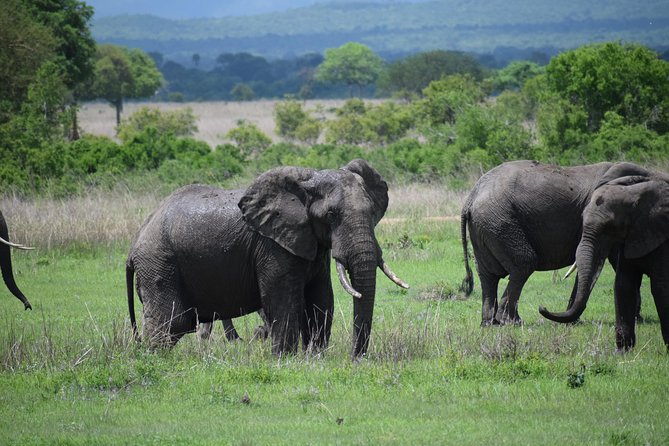
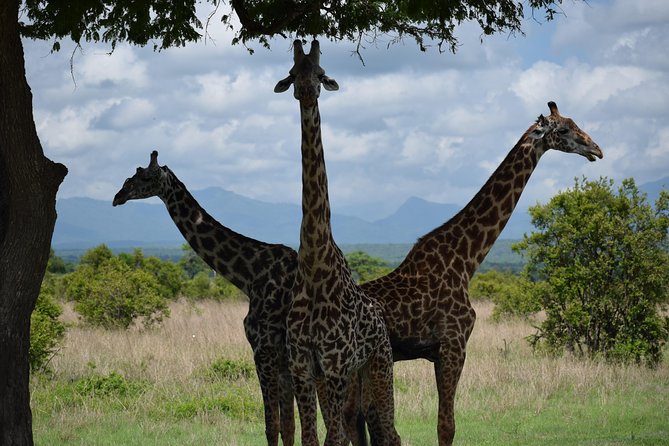
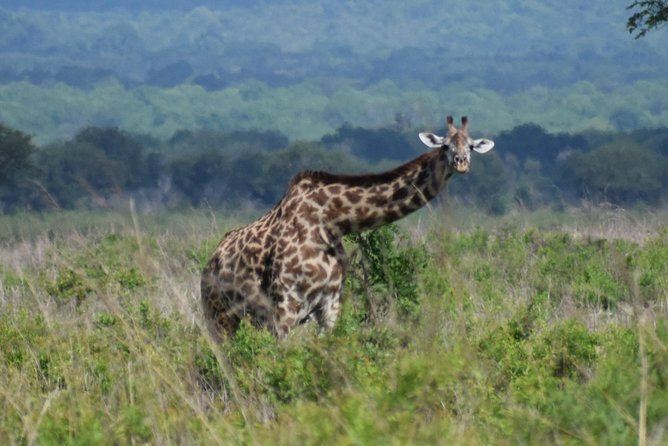
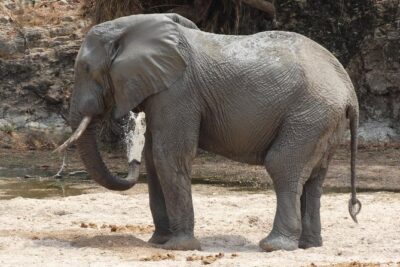
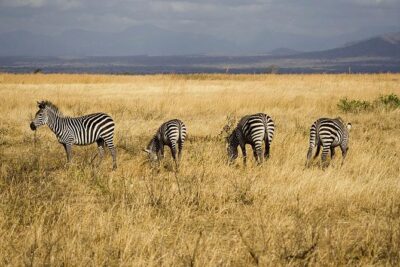
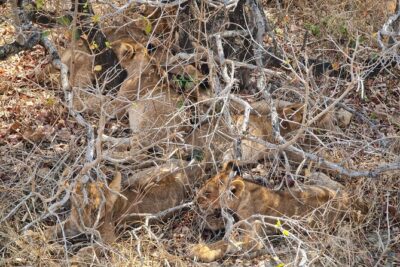
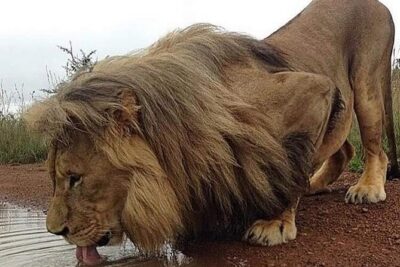
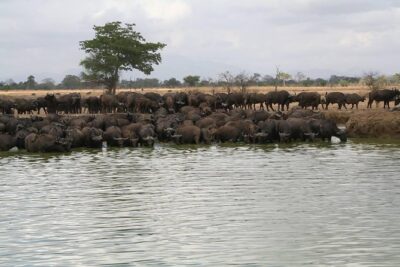
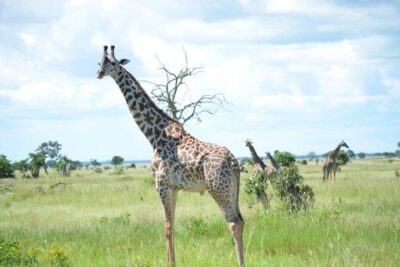
Mikumi is a mix of miombo woodland and gently rolling hills, which matters for spotting animals. Woodland cover can hide movement at first, then suddenly you see a whole scene open up around waterholes. That is why waterhole strategy is so important here. The park is known for giraffes, buffaloes, elephants, and for predator possibilities like lions and leopards, plus hippos near the water.
You also get one of the overlooked advantages: bird life. Mikumi is not only about the big mammals. If you pay attention, you will notice how often birds mark the rhythm of the landscape, especially where the woodland meets open patches.
One honest expectation-setting point: safari sightings are never guaranteed. But giving yourself a full day, plus the chance to keep working the best viewing areas, is exactly how you maximize your odds of seeing more species, not just one highlight.
Deeper south, Ruaha and Udzungwa
The Masai village visit: a brief cultural moment worth doing respectfully
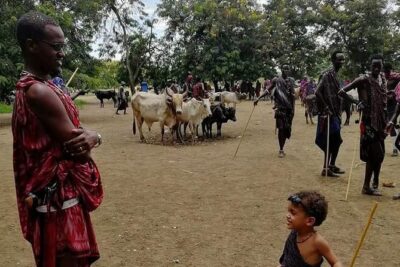
That one-hour Masai village visit is built into the schedule right after you rest at camp. Because it is short, the best way to make it meaningful is to go in with curiosity and patience, not a checklist.
You will likely see daily-life demonstrations and learn how people in the community think about land, livestock, and identity. Treat it like a conversation you are joining, not a stage show you need to capture. Ask questions through your guide, and follow their lead on what is appropriate to photograph and when.
Also, remember this is not the same thing as doing a full cultural immersion trip. The value here is context. It connects the wildlife experience to the broader human story of the region.
Day 3 in Udzungwa: Sanje Falls, red colobus, and a rainforest walk
Udzungwa is where the trip changes character. Instead of a vehicle-centered wildlife day, you switch to the rhythm of walking through a mountain rainforest environment.
You start with breakfast at camp, then head to the Udzungwa Mountains National Park for wonderful walking. The day includes picnic lunch in the bush, which is a nice touch because it keeps you in the park mood rather than rushing back out immediately.
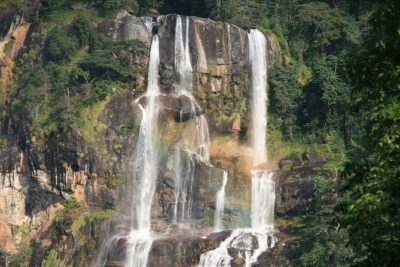
The main reason people remember Udzungwa is Sanje Falls. You are heading toward a truly dramatic waterfall experience, with a 180m drop that you can stand at the base of. The hike is also structured around viewing, with stops tied to scenery and wildlife.
This is also prime time for monkey watching. The park is noted for endemic red colobus monkeys, and the hike gives you repeated chances to spot movement in the canopy as you change elevation and follow the trail.
Another standout detail is the way the waterfall creates plant life around it. The spray zone behind a second waterfall can host endemic African violets, listed as St Paulia species. Even if you never remember scientific names, it helps to understand what you are looking for: the wet rock area is not just pretty, it is an ecosystem.
Swim possibilities come into the story too. The description includes the idea of jumping into a plunge pool at a smaller fall. If you plan to swim, bring a simple plan for your wet gear, and be ready for slippery rocks.
Fitness note: this day is shorter than a full multi-hour trek, but it is still a rainforest walk. Wear shoes you trust, and go slow on wet footing.
Open safari car plus air-conditioned road time, what comfort actually means here
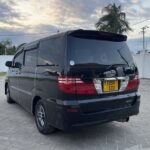
This tour uses an air-conditioned vehicle for transport, then switches to an open safari car for the game drives. That combination matters more than it sounds.
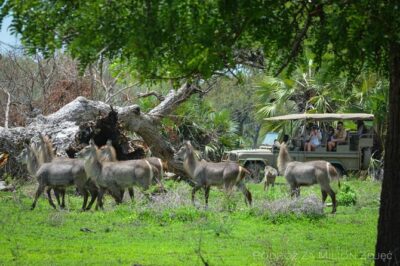
On the road, air-conditioning helps you arrive less wrecked, especially after a long first-day drive. In the park, the open safari setup gives you better sightlines and better photo angles. It is the difference between watching wildlife through glass and actually tracking it in the open air.
Group size is another practical comfort piece. With a maximum of 7 travelers, you avoid the chaotic crowd feeling that can happen on larger safari buses. Smaller groups often mean easier communication, quicker adjustments when animals appear, and less time waiting at short stops.
If you are traveling as a family, this setup can help. One of the trip stories includes kids being very happy seeing animals, which usually comes from a simple reality: when you can see and hear what is happening around you, you tend to enjoy the experience more.
Meals on safari: included breakfasts, lunches, and dinners
Meals are part of what makes this trip feel “packaged,” in a good way. The tour includes breakfast (2), lunch (3), and dinner (2). That removes a big budgeting headache, especially when you are far from regular restaurants.
On Day 3, you get picnic lunch in the bush, which fits the Udzungwa walking day. On the first day, you start with lunch after arrival. If you want to keep the vibe low-stress, this matters, because it prevents you from hunting for food between long drives and long park sessions.
Do not assume every minute of food timing will match your personal schedule, but the structure is set so you are fed after the main activity blocks. Plan to drink water consistently, especially on the game drive day.
Camp details are not spelled out in the core itinerary description you provided, but one set of experiences mentions a stay at Camp Bastiani. If your dates match that arrangement, it is a known name from past groups, and it can give you a helpful anchor when picturing where nights might be spent.
Price and value: how $804.40 can make sense for 3 days
The price is $804.40 per person for about three days. For many safari visitors, the biggest question is not just the sticker price, it is what that price actually buys you.
From what is included, you get:
- an air-conditioned vehicle
- an open safari car for game driving
- parking fees
- guide/driver/car fees
- meals across the trip: breakfasts, lunches, and dinners
The itinerary also states admission ticket free for the key park and village components listed. That is a meaningful value point because park and entry fees can add up fast when you arrange everything separately.
What is not included matters for budget planning:
- GST (Goods and Services Tax)
- landing and facility fees
- airport/departure tax
So the deal can be very good when you want a tight safari plan with fewer moving parts. You pay for guidance, vehicle logistics, and meals. You also get two destinations instead of one, which is usually the hardest thing to do on a short schedule.
Who this safari is best for, and who should consider more time
This is a strong match for:
- first-time safari visitors who want a complete taste of wildlife without a long trip
- people who want both animal viewing and a waterfall hike
- families, since the experience includes a mix of driving and short cultural moments
- travelers who like small groups (max 7)
It may be less ideal if you:
- hate early starts, since Day 1 begins with pickup and a long drive
- want a very relaxed itinerary with minimal walking, because the Udzungwa day includes a hike and time on foot
- are very limited on mobility or balance, since rainforest paths can be uneven and wet
If you have the luxury of extra days, you can always go deeper into one park. But if your goal is to see real Tanzania safari life in a short window, this plan does the job.
Tips to get more from Mikumi and Udzungwa in just three days
Here are a few practical ways to make the most of the time you have.
For Mikumi game drives
- Wear neutral, comfortable colors, and be ready for sun and wind. Open safari cars change the temperature fast.
- Bring binoculars if you have them. Birds and distant animals are much easier to track when you can zoom in without guessing.
- Stay calm and patient at waterholes. The animals often show up when you least rush.
For Udzungwa and Sanje Falls
- Pack shoes with grip. Wet trail surfaces happen around waterfalls and in rainforest.
- Bring a light rain plan. Even if the day looks clear, the park can feel humid and slippery where the trail passes near falls.
- Treat monkey sightings as a bonus. You will enjoy the hike more if you enjoy the walk itself, not only a single target animal.
For the whole trip
- Use your guide and driver as your information engine. The route and stop timing exist for a reason.
- Keep some small cash on hand for personal extras, since included meals do not cover everything you might want to buy outside the schedule.
Should you book this 3 day Mikumi and Udzungwa safari?
I think this is a good booking if you want a real safari experience without turning your vacation into a long slog. The combination works: a full Mikumi wildlife day, a Masai village visit that adds human context, and an Udzungwa day that ends with the unforgettable scale of Sanje Falls.
Book it if:
- you are time-limited but still want two major Tanzanian nature highlights
- you like small-group travel, not big crowds
- you are happy doing a guided walk on Day 3
Skip it or consider another option if:
- you want minimal walking and maximum lounging
- you are sensitive to long road days, because Day 1 includes a substantial drive from Dar es Salaam
If you do book, you will get a compact, balanced safari that feels like Tanzania, not a watered-down checklist.
FAQ
How long is the Mikumi and Udzungwa safari?
It is about 3 days.
Where does the safari start and end?
It starts in Dar es Salaam, Tanzania, and ends back at the meeting point.
Do they pick me up in Dar es Salaam?
Yes, pickup is offered from your Dar es Salaam hotel or an agreed point.
Which parks are included?
The trip includes Mikumi National Park and Udzungwa Mountains National Park.
Is there an open safari car for game drives?
Yes. The tour includes an open safari car for the game drive.
What meals are included?
Lunch (3), dinner (2), and breakfast (2) are included.
Is the park entry included or do I pay extra?
The schedule lists admission ticket as free for the items included.
What is the group size limit?
The maximum group size is 7 travelers.
What is the cancellation policy?
Free cancellation is available up to 24 hours in advance for a full refund.
What happens if weather causes cancellation?
If it is canceled due to poor weather, you will be offered a different date or a full refund.
Down in the Southern Highlands
- Mikumi National Park & Udzungwa Water Falls 3 Days Group Tour
★ 4.5 · 19 reviews - 8 Days Safari to Mikumi, Ruaha & Udzungwa Mountains
★ 5.0 · 14 reviews - 6 Days Safari to Udzungwa Mountain NP, Ruaha NP and Mikumi NP
★ 5.0 · 10 reviews - 5-Day Mikumi & Ruaha Tanzania Wildlife Lodge Safari
★ 5.0 · 10 reviews - 4 Days Mikumi & Udzungwa National Parks Safari
★ 5.0 · 9 reviews
Mikumi, a Few More Ways In
- MIKUMI NATIONAL PARK – 3 Days
★ 4.5 · 63 reviews - 2 nights 3 days safari to mikumi national park
★ 5.0 · 62 reviews - 2 Days 1 Night Mikumi National Park from Dar es salaam
★ 5.0 · 60 reviews - Private Full-Day Trip to Mikumi National Park from Dar es Salaam
★ 5.0 · 54 reviews - Private 3 Days 2 Nights Mikumi Adventures
★ 5.0 · 47 reviews
Just added from around Dar es Salaam

Mikumi National Park Safaris, compared.
 ★ 4.7From Zanzibar: Mikumi Safari Day Trip with Flights and MealFrom $4511,470 reviews
 ★ 5.0Mikumi Safari Tour: Day Trip Return Flight From ZanzibarFrom $60097 reviews
 ★ 5.0Mikumi National Park Day TripFrom $52076 reviews
 ★ 4.5MIKUMI NATIONAL PARK – 3 DaysFrom $72563 reviews
 ★ 5.02 nights 3 days safari to mikumi national parkFrom $65062 reviews
 ★ 5.02 Days 1 Night Mikumi National Park from Dar es salaamFrom $67060 reviews
 ★ 5.02 Day Safari To Mikumi National Park + transfers from Dar Es SalamFrom $90256 reviews
 ★ 4.02 Day safari to Mikumi departure from ZanzibarFrom $69054 reviews
Browse the lists this tour appears in