

REVIEW · STONE TOWN HERITAGE WALKS
Walking in Stone Town with a Expert Tourguide
Stone Town feels like it is built for walking, not rushing. With a female local expert guide, you trace alleyways, courtyards, and markets where Zanzibar’s trading past still shows up in daily life. You start at Forodhani Gardens and spend about 2 hours learning how African, Arab, Indian, and European influences shaped the city.
I love how this tour mixes landmarks with street-level details. You get stops like the Anglican Cathedral, the Old Fort, and the House of Wonders, then you also learn what to look for in doors, walls, and courtyards that many visitors skip.
One drawback to plan for: pacing and language can vary by group. In one recent booking, the guide was very fast talking and English was hard to follow, and another group got taken into a short gemstone sales stop that felt unnecessary to them.
In This Review
- Key things you will notice on this Stone Town walk
- Forodhani Gardens to Stone Town courtyards: a tight 2-hour route
- A female local guide in Stone Town: why the perspective lands better
- Anglican Cathedral stop: a quick landmark, then the real navigation starts
- Old Fort and the House of Wonders: trade routes you can almost feel
- Spice and market time: the colors and aromas, plus what locals look for
- Zanzibari doors, coral stone walls, and tucked-away courtyards
- Old Slave Market tickets and museum fees: plan for paid entry on-site
- Pickup and logistics: best case, easy start, simple return
- Price and value: $25 for guidance, context, and street-level storytelling
- Pacing and language: when the tour is perfect, and when it can feel too fast
- Practical tips: what to wear, what to bring, and how to respect local culture
- Who should book this Stone Town walking tour?
- Should you book this Stone Town walk with a female guide?
- FAQ
- Where is the meeting point for the Stone Town walking tour?
- How long is the Walking in Stone Town tour?
- How much does the tour cost?
- What is included in the price?
- What is not included during the tour?
- Is the tour guide available in English?
- What should I wear and bring for Stone Town walking?
- Are baby strollers allowed?
Key things you will notice on this Stone Town walk
- Forodhani Gardens is a strong starting point, right by the bandstand, easy to find on foot
- Historic anchors like the Anglican Cathedral, Old Fort, House of Wonders, and the former Sultan’s Palace area
- Spice and local markets where you see how people actually shop, chat, and trade
- Zanzibari door styles and coral stone architecture, including details in courtyards
- A female guide’s perspective on culture, plus how women’s roles have changed over time
- Small group pacing that is usually leisurely, but can feel quick depending on the guide and language needs
Other Stone Town walks we followed
- Zanzibar; Prison Island, Nakupenda, StoneTown Tour with BBQ★ 4.3 · 457 reviews
- Stonetown: Food Markets and Street Food Walking Tour★ 4.7 · 151 reviews
- Zanzibar Stone Town Walking Tour★ 5.0 · 145 reviews
- Stone Town Historical Walking Tour★ 5.0 · 143 reviews
Forodhani Gardens to Stone Town courtyards: a tight 2-hour route

This is a compact Stone Town walking tour built for seeing a lot without burning out. You meet at Forodhani Gardens at the bandstand, and you are back at the same place after about 2 hours. That loop matters because it keeps you anchored in the center of town instead of disappearing into long, end-to-end transfers.
The route is designed around what makes Stone Town special on foot: narrow alleys, turns you do not expect, and architecture that changes block by block. You also get plenty of chances to stop for photos and ask questions, which is key when the story is coming from a local guide rather than a printed sign.
If you are short on time in Zanzibar, this is one of the most practical ways to get oriented fast. And if you have already walked around on your own, the difference here is that you learn what you are actually looking at, especially the door and courtyard details.
A female local guide in Stone Town: why the perspective lands better
The main selling point is not just “a guide.” It is a female local expert sharing a perspective you will rarely get from a generic script. This tour connects the city’s history to the people living in it today, including the role women have played in Zanzibari society, both past and present.
That perspective changes how you hear the stories. Instead of treating Stone Town like a museum set, you start to understand it as a living neighborhood with routines, social rules, and everyday culture. In at least one booking, the guide named Hosna was praised as excellent and experienced, and she could answer questions clearly. That is exactly what you want from a local guide, especially when Stone Town’s details are the real attraction.
One more note on language: the activity is listed as English, but your group language experience may depend on the guide assigned. One group had a German-speaking guide, but still felt the pace was too fast. So if you are sensitive to fast talking or you prefer slower narration, plan to ask your guide to slow down if needed.
Anglican Cathedral stop: a quick landmark, then the real navigation starts
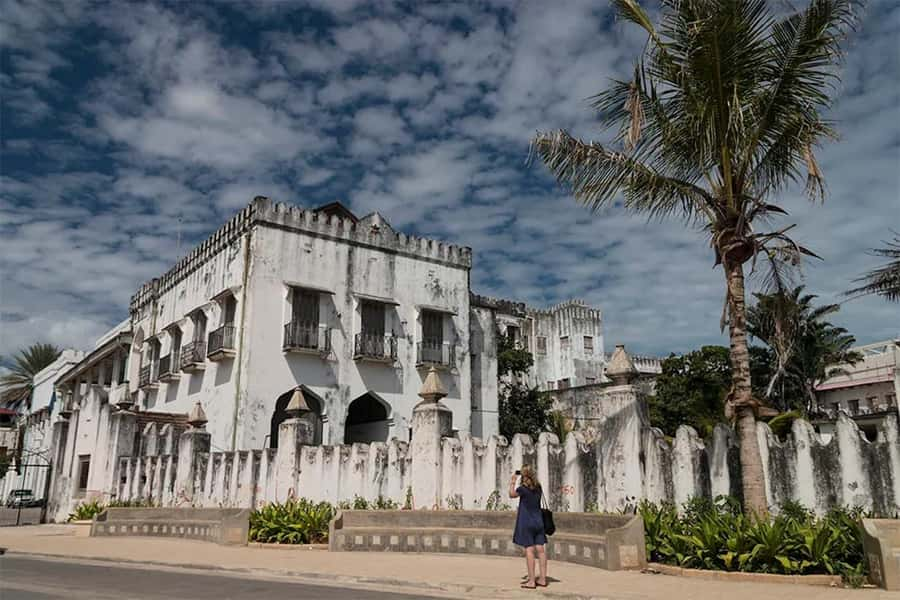
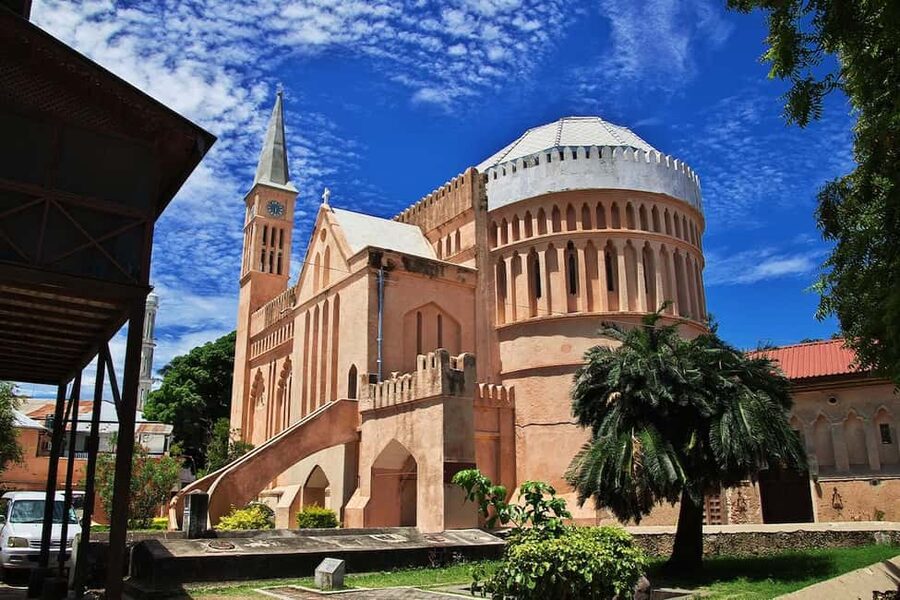
Early in the walk, you pass and stop around the Anglican Cathedral Stone Town area. This is a good reset point because it is recognizable and helps you understand where you are relative to the older parts of town.
But the real value is what comes immediately after: you transition from a main landmark into the winding lanes. Stone Town rewards attention, not speed. Uneven streets and tight alleyways mean your feet set the tempo, and your guide’s job is to keep you oriented while explaining what matters.
Also, if you like photography, this is a useful moment. You get a natural photo stop before the tour moves into smaller streets where pictures can be harder if you are trying to capture both people and architecture at once.



Old Fort and the House of Wonders: trade routes you can almost feel
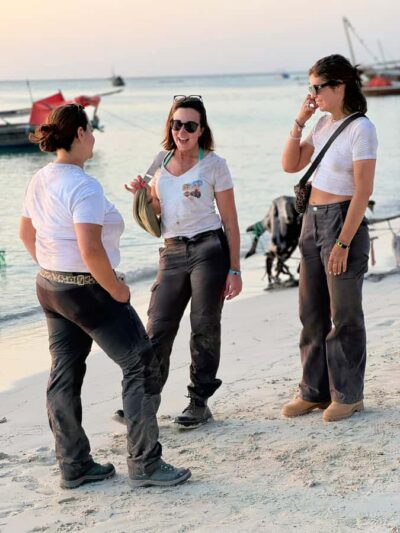
The tour includes historic highlights tied to Zanzibar’s role as a crossroads. You visit landmarks such as the Old Fort and the House of Wonders, and you also learn about the former Sultan’s Palace area.
What makes these stops work on a walking tour is that you are not only looking at buildings. You are connecting them to why they exist where they are. Zanzibar’s economy grew through trade, and Stone Town reflects that mix in materials, styles, and the way the city developed around commerce.
The Old Fort stop gives you a sense of how power and protection fit into the city’s layout. The House of Wonders adds another layer, especially when your guide explains it as part of a broader story rather than isolated architecture.
If you are interested in history but you do not want a long, sit-down lecture, this works well. You get enough context to understand what you are seeing without losing the walking pace that keeps Stone Town feeling alive.
Spice and market time: the colors and aromas, plus what locals look for
A big part of the experience is time in local markets. You will see stalls with spices and everyday goods such as produce, textiles, and crafts. The point is not shopping pressure, it is observation.
Markets are where Stone Town stops feeling like a postcard. You notice how people move, how vendors talk, how goods are displayed, and what customers ask for. You also get a better sense of why Zanzibar is called the Spice Island.
Practical tip: if you want to buy something, bring a small amount of cash. The tour does not include food or drinks, but local markets are where you might want a snack or a small souvenir. Having some cash ready keeps you from scrambling later when you are tired.
Also, be ready for sensory overload in a good way. Spice smells can be strong, and stalls can be crowded. Comfortable shoes help, but mental flexibility helps too, because the tour is about stepping into local daily life.
Zanzibari doors, coral stone walls, and tucked-away courtyards

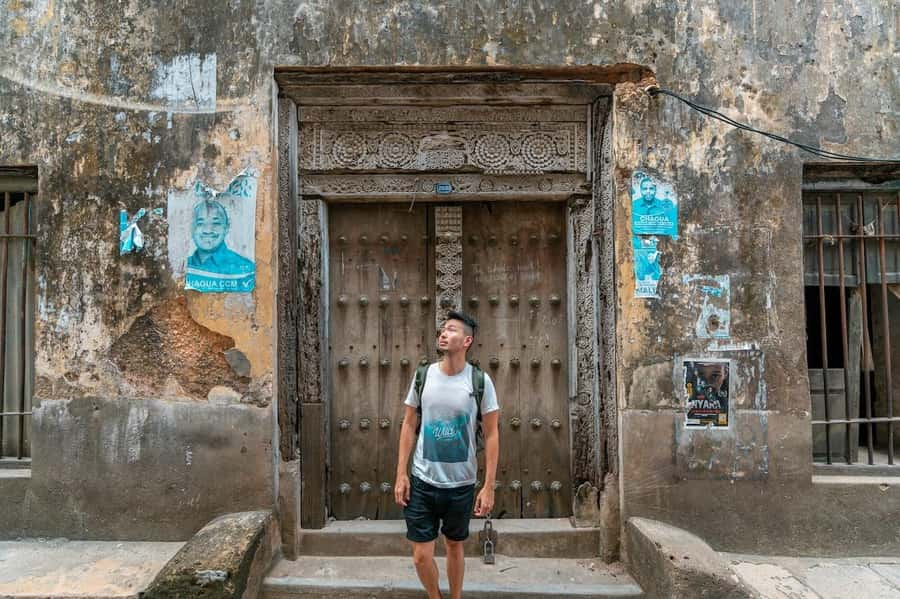
One of the most enjoyable parts of this walk is learning how to read Stone Town’s architecture. You get guided attention on traditional Zanzibari doors, coral stone walls, ornate balconies, and quiet courtyards.
Even if you have seen photos online, this is the kind of place where scale and craft details surprise you in person. Doors can show different influences through carving styles and patterns. Courtyards can reveal how spaces were designed for light, privacy, and ventilation in an older climate and building style.
Guides also tend to know the logic of “where to look.” With a knowledgeable guide, you stop treating Stone Town like a single historic district and start seeing it as a patchwork of neighborhoods shaped by culture and time.
If you love architectural detail, pay close attention during these slower moments. It is often where you learn the most, because it changes how you view the next alley you turn into.
Old Slave Market tickets and museum fees: plan for paid entry on-site
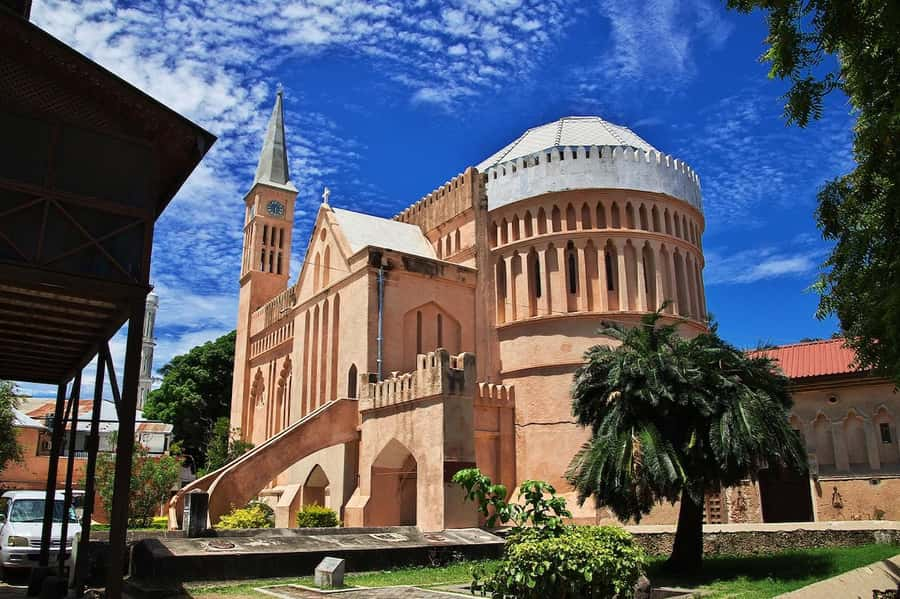
Entrance fees are not included for certain attractions. Specifically, entrance tickets to the Old Slave Market are not included. More broadly, entrance fees for specific museums or monuments are paid on-site if you want to go in.
So treat this as a guided walking experience first, with optional ticketed stops depending on what is included during your time on the ground. This is common for walking tours in Stone Town, and it affects value. You should budget a little extra cash for ticketed entries if you want to step into every site.
If you are trying to keep costs down, ask your guide which parts require tickets while you are walking. That way you can decide on the spot without feeling pressured.
Pickup and logistics: best case, easy start, simple return
The tour starts in Stone Town, with the meeting point at Forodhani Gardens. Transfers from other parts of the island are not included, so if you are staying outside Stone Town, you will need your own way into town.
If you are staying in Stone Town, pickup from your hotel may be possible. Pickup is included, but you need to request it in advance. This can save you time and stress, especially on the days you are also doing beach time or day trips.
No strollers are allowed. Also, the tour is not a good match for everyone with mobility challenges because it involves walking through narrow alleys and uneven streets, even if the pace is meant to feel leisurely.
Price and value: $25 for guidance, context, and street-level storytelling
At $25 per person for a 2-hour walk, this sits in the practical mid-range for guided experiences in Stone Town. The value comes from what you are not getting by walking alone.
Yes, you can wander around Stone Town for free. But without guidance, it is easy to miss the architectural cues and the “why” behind the landmarks. With a guide, you get focused stops like the Anglican Cathedral, Old Fort, House of Wonders, plus market context and cultural explanation delivered in a route that makes sense for short time in Zanzibar.
Also, the female-guide angle is more than a marketing checkbox. It is tied to how stories are told and what questions are likely to be answered, including women’s roles in Zanzibari society.
For the best value, come with a couple of questions you actually want answered. Examples: how the city’s trading links shaped daily life, or what to look for in doors and courtyard design. When you ask smart questions, a good guide turns the walk into something more than a checklist.
Pacing and language: when the tour is perfect, and when it can feel too fast
Most of the time, the pace is described as leisurely. That helps on a walking tour where streets can feel unpredictable underfoot. Still, the two key issues that show up in real-world experiences are speed of talking and language clarity.
In one booking, the guide was praised as excellent but described as a bit too fast talking for the group. Another booking pointed out English being too fast and hard to understand. If you are not fully comfortable with English, or you prefer slower pacing, ask early for the guide to speak more clearly and leave time for questions.
The second issue is that short retail stops can happen. One group said they were taken into a gemstone sales show for about a quarter of an hour, which they felt was unnecessary. This does not mean every tour will include that, but it is smart to go in with the mindset that you may pass through shops linked to tourism.
If you want to avoid that type of stop, you can politely say you prefer to focus on streets and landmarks rather than shop entrances. A good guide will adapt if possible.
Practical tips: what to wear, what to bring, and how to respect local culture
Stone Town walking is not about athletic performance, it is about comfort. Wear comfortable walking shoes because the tour covers narrow alleys and uneven streets. Dress modestly, with shoulders and knees covered, which shows respect for local culture and also helps you feel more comfortable around everyday life.
Sun protection matters even when you are in town. Bring a hat, sunscreen, and sunglasses. It is easy to underestimate the strength of the sun when you are moving through shaded streets that still add up to full exposure.
Carry a small amount of cash for souvenirs or snacks. Food and drinks are not included, so plan to eat before or after.
And if you are coming with a baby stroller, note it is not allowed. If you are with very young children, keep in mind it is not suitable for babies under 1 year.
Who should book this Stone Town walking tour?
This tour fits best if you want:
- A short, focused Stone Town experience without a full day plan
- A walking route that includes big landmarks and the smaller architectural details
- A guide who explains the mix of African, Arab, Indian, and European influences
- Extra attention to Zanzibari doors, courtyards, and street-level culture
- A female guide perspective, especially if you care about women’s roles and cultural change
It may not be your best choice if you:
- Need ultra-slow narration or are sensitive to fast talking
- Cannot handle uneven walking surfaces
- Want zero chance of retail stops
If you are the kind of person who likes to ask questions and learn how to read a place, this will feel worth the money.
Should you book this Stone Town walk with a female guide?
I think it is a strong pick if you value local storytelling and you want to see more than just the postcard stops. The best versions of this experience focus on excellent guiding, clear answers, and Stone Town details you would otherwise miss, especially the architecture and the role of women in Zanzibari society.
Book it if you can handle city walking and you are comfortable with a guide speaking English at a normal or fast pace. If language clarity matters a lot to you, message ahead and ask for a slower speaking pace or clear English.
Also, if you are budget minded, remember that museum or monument tickets on-site are not included, and Old Slave Market entrance is specifically excluded. Decide ahead of time what you want to pay for so you do not lose time mid-walk.
If that all sounds like your style, this is one of the most practical ways to understand Stone Town in just a couple of hours.
FAQ
Where is the meeting point for the Stone Town walking tour?
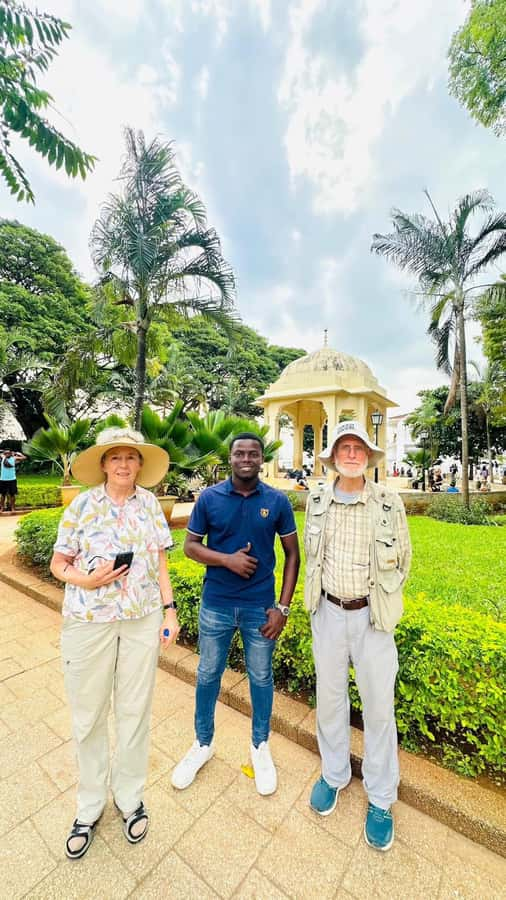
The tour meets at Forodhani Gardens, right at the bandstand pavilion. The guide will be waiting there, and you should arrive at least 10 minutes early.
How long is the Walking in Stone Town tour?
The duration is 2 hours.
How much does the tour cost?
The price is $25 per person.
What is included in the price?
What is included: a professional local expert tour guide. Pick up from Stone Town hotels is also available if you request it in advance.
What is not included during the tour?
Entrance fees and tickets to the Old Slave Market are not included. Transfers from other parts of the island are not included, and food and drinks are not included.
Is the tour guide available in English?
Yes, the tour is listed as English.
What should I wear and bring for Stone Town walking?
Wear comfortable walking shoes. Dress modestly with shoulders and knees covered. Bring a hat, sunscreen, and sunglasses, and carry a small amount of cash for souvenirs or snacks if you want.
Are baby strollers allowed?
No, baby strollers are not allowed on this tour.
Stone Town, Street by Street
- Zanzibar; Prison Island, Nakupenda, StoneTown Tour with BBQ
★ 4.3 · 457 reviews - Stonetown: Food Markets and Street Food Walking Tour
★ 4.7 · 151 reviews - Zanzibar Stone Town Walking Tour
★ 5.0 · 145 reviews - Stone Town Historical Walking Tour
★ 5.0 · 143 reviews - Spice Tour + Stone Town Tour + Prison Island
★ 4.5 · 130 reviews
Just added from around Zanzibar






Stone Town Heritage Walks, compared.
 ★ 4.4Zanzibar: Stone Town, Spice Tour, Prison Island with LunchFrom $681,219 reviews
 ★ 4.5Zanzibar: Prison Island, Stone Town, & Spice Farm TourFrom $70579 reviews
 ★ 4.3Zanzibar; Prison Island, Nakupenda, StoneTown Tour with BBQFrom $71457 reviews
★ 4.6Zanzibar: Stone Town, Spice tour & Prison Island with LunchFrom $55453 reviews
 ★ 5.0Stone Town Private Walking TourFrom $26371 reviews
 ★ 4.6Zanzibar: 3 Hours Private Stone Town walking Tour with GuideFrom $24301 reviews
 ★ 4.5Full-Day Private Stone Town +Spice Farm and Prison Island TourFrom $100216 reviews
 ★ 4.5Zanzibar: Stone Town Historical Cultural Walking Guided TourFrom $21179 reviews
Browse the lists this tour appears in