
REVIEW · STONE TOWN HERITAGE WALKS
Stone town Private walking tour
Stone Town rewards curiosity with every turn. This 3-hour private walk puts slave trade history right onto the streets, and then balances it with everyday Zanzibar scenes like Darajani fish market. I especially liked how the route connects major landmarks into a clear story, and how the narrow lanes make the past feel close.
One thing to consider: this is history-heavy, and it’s a walking tour with no included food or drinks, so you’ll want comfy shoes and a plan for a snack afterward.
You’ll meet your guide at your hotel, and you’ll stay in a small private group the whole time. The tour language options are English, French, German, and Italian, which makes it easier to follow the details without guessing. In my experience, guides like Mu can make tough topics easier to track, with a clear, human pace and a touch of humor.
In This Review
- Key things I’d circle before you go
- Stone Town’s streets are the guidebook
- A 3-hour private walk with pickup, not a hop-on tour
- Old slave market site, and why Zanzibar became central
- The story from Persian influence to Portuguese, Oman Arabs, and Britain
- Darajani fish market: daily life as a contrast
- Freddie Mercury house, and how fame fits real streets
- House of Wonders and the old fort: power made visible
- Cathedral Anglican church entrance: a quieter, useful stop
- Narrow lanes, mixed cultures, and what to notice as you walk
- Price and value: is $90 per person fair?
- Who this tour fits best
- Final thought: should you book it?
- FAQ
- How long is the Stone Town private walking tour?
- What’s included in the price?
- Is this tour private?
- What languages are available for the live guide?
- Are foods and drinks included?
- Is free cancellation available?
Key things I’d circle before you go

- Slave trade focus from the 17th and 18th centuries, with context on why Zanzibar became a center.
- Old slave market site stop, plus visits that explain how Stone Town got its name.
- Freddie Mercury house, where pop culture meets the real street history.
- Darajani fish market, a strong contrast to the darker parts of the story.
- House of Wonders and the old fort, for power, architecture, and changing rulers.
- Cathedral Anglican church entrance included, so you get a proper look rather than just photo stops.
Other Stone Town walks we followed
- Zanzibar: Stone Town, Spice Tour, Prison Island with Lunch★ 4.4 · 1,219 reviews
- Zanzibar: Prison Island, Stone Town, & Spice Farm Tour★ 4.5 · 579 reviews
- Zanzibar: Stone Town, Spice tour & Prison Island with Lunch★ 4.6 · 453 reviews
- Stone Town Private Walking Tour★ 5.0 · 371 reviews
Stone Town’s streets are the guidebook
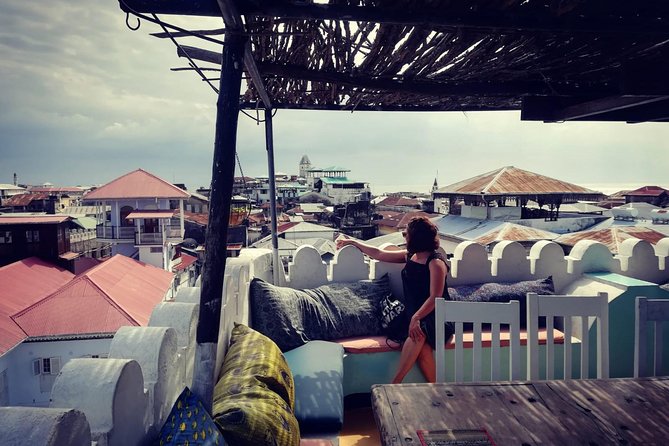
Stone Town is built like a puzzle. The roads are narrow, the buildings press close, and everything feels layered, like one era is built on top of another. That’s exactly why a walking tour works so well here, because you can’t really absorb Stone Town from a car window.
On this private tour, you’re not just hopping between postcards. You walk through the spaces where different influences overlapped, from early arrivals and Portuguese presence to Arab rule from Oman, and later British influence. Your guide ties those changes to the physical places you see, including sites linked to the slave trade.
I like that the tour doesn’t treat this as abstract history. It frames the story around why Zanzibar mattered, then uses landmarks to show how that mattered in real life. If you like places with meaning, this tour is built for you.
A 3-hour private walk with pickup, not a hop-on tour
This is a 3-hour experience with hotel pickup and drop-off in Zanzibar. That sounds simple, but it matters. It saves you time, and it reduces the stress of finding the right start point in a maze of streets.
Because it’s private, you can set the pace. If you want to linger at a doorway, or ask one more question about a timeline point, you can do that without the tour turning into a conveyor belt. It also keeps the experience more personal, especially when the topic is heavy.
The practical part: you should dress for walking. Stone Town’s lanes can be tight and uneven, so plan on steady steps rather than quick sightseeing. Bring water if you can, since foods and drinks are not included.
Old slave market site, and why Zanzibar became central

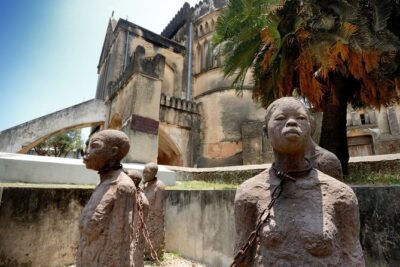
The heart of the tour is the slave trade story, covering the 17th and 18th centuries. You’ll visit the old slave market site, and your guide explains why Zanzibar became a focal point in that system. This part is not designed to be comfortable, but it is designed to be understandable.
Here’s what makes this stop valuable: it turns a name you might recognize into a real place with real context. You’ll learn how the trade shaped the city, including what it meant for the people living there and the way the city developed. When you stand in the area tied to those events, the rest of the tour makes more sense. The buildings and institutions aren’t random, they connect back to power.
You should also know what type of mood this can set. If you prefer light sightseeing all the way through, this may feel intense. But if you want a truthful look at why Stone Town became what it is, this is the core piece of the puzzle.



The story from Persian influence to Portuguese, Oman Arabs, and Britain

Your guide connects major historical influences to the city’s identity. One of the most interesting storyline threads is how early arrivals and later rulers shaped the culture and architecture you still see today.
The tour covers the idea that the first people to set foot on Zanzibar were Persian from Iran. From there, the story moves to Portuguese influence under Vasco da Gama, then later Arab rule from Oman, and finally British presence. You’ll hear how each phase left its mark, including language, trading patterns, and cultural blends.
Why this matters for you: it explains why Stone Town feels like multiple worlds stitched together. You’re not just walking past beautiful old buildings. You’re watching the evidence of shifting control and trade routes play out street by street.
This stop also sets up the later landmarks. When you reach places like the House of Wonders and the old fort, you’ll understand the political weight behind the stones.
Darajani fish market: daily life as a contrast
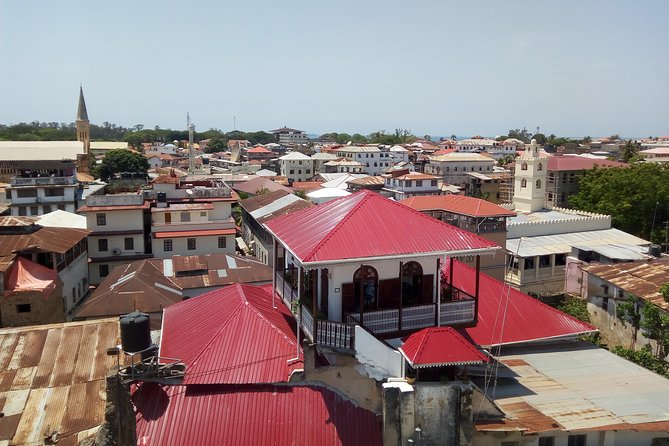
A tour like this can’t stay only in the past. That’s why the stop at Darajani fish market feels smart. It breaks the tone and reminds you that Stone Town is a working city, not a museum.
I like how this moment reframes what you’re seeing. After the slave trade context, you get the pulse of present-day life: the market energy, the movement, and the plain reality that people here are still living, buying, selling, and eating today. It’s not a distraction from history. It’s a reminder that history sits inside everyday routines.
Practical note: markets can mean lots of people and strong smells. Wear shoes you can stand in for a while, and be ready for close quarters. If you’re sensitive to noise or crowds, you’ll still be able to enjoy the stop, but keep your expectations realistic.
Freddie Mercury house, and how fame fits real streets
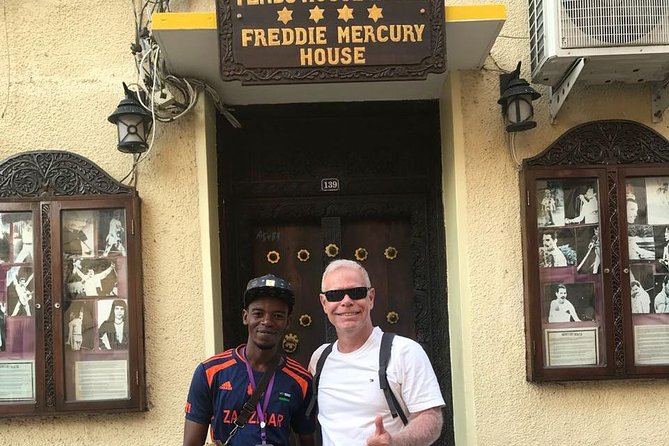
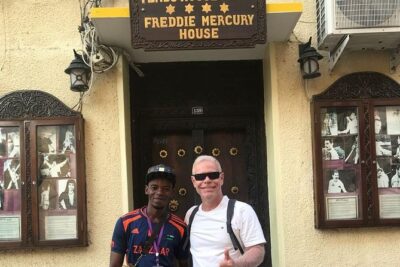
Freddie Mercury is a name that pulls people to Stone Town. On this tour, you’ll visit the house associated with him, and the guide uses the stop to connect popular culture to the city’s real geography.
I appreciate this approach because it avoids turning the visit into a scavenger hunt. Instead of only chasing a famous address, you get it placed in the bigger picture of Stone Town’s identity and influence. It’s the kind of stop that makes the tour more approachable for people who may not start out wanting deep history.
At the same time, it’s a good reminder that Zanzibar’s story is bigger than any single celebrity. The Mercury stop works best when you treat it as a marker along the broader street history you’ve been learning about.
If you’re a music fan, you’ll likely enjoy the emotional payoff of this stop. If you’re not, you can still find value in how your guide links it to the city’s layers.
House of Wonders and the old fort: power made visible
Two landmarks you’ll see are the House of Wonders and the old fort. These stops help you understand the city’s role in trade and rule, because they reflect who built, controlled, and influenced the area.
The House of Wonders is one of those places that sounds famous even if you don’t know the details. On the tour, it’s used to explain authority and ambition, and how different rulers shaped Stone Town’s identity. Even without getting lost in architectural trivia, you get a sense of why these sites mattered.
The old fort adds another angle. Forts are about control, defense, and pressure. When you connect it back to the slave trade context and the shifting rulers you learned earlier, the stop becomes more than a photo moment.
The benefit for you: you’ll finish the tour with a mental map. Not just a list of sights, but a sense of cause and effect. Where you see power in one era, you can trace how the city changed as new influence arrived.
Cathedral Anglican church entrance: a quieter, useful stop
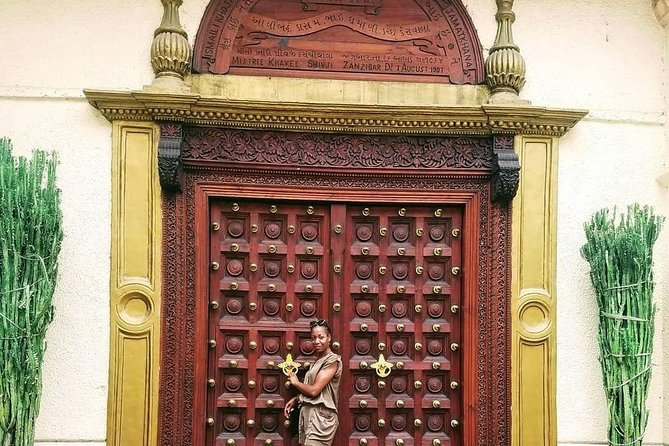
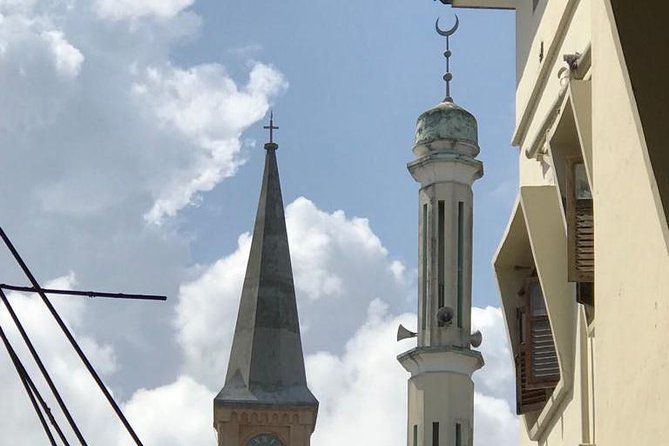
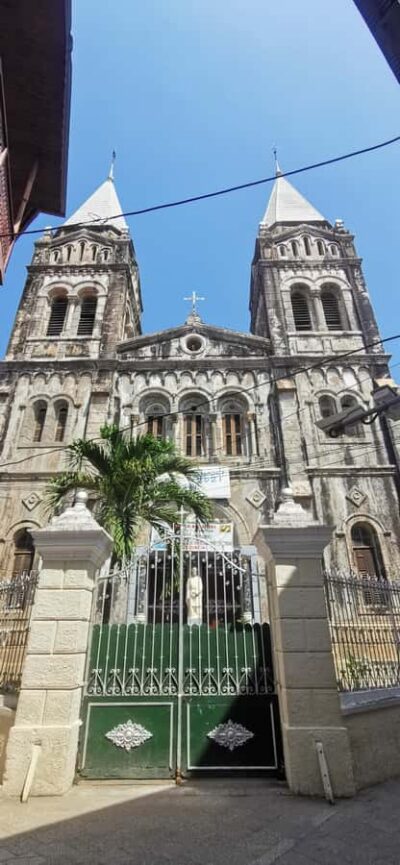
Your tour includes the entrance fee at the Cathedral Anglican church. Even if you don’t consider yourself a church person, it’s a smart inclusion. It adds another piece to the “why Stone Town looks like it does” story, because religious and institutional spaces often reflect historical influence.
This is also a good breather during a walking tour. The topic can be heavy, and having a calmer stop can help you process what you’ve learned without rushing to the next street corner.
Keep an eye on how much time you spend here. Even though the entrance is included, you should still manage your energy so you don’t end the 3 hours feeling wiped out.
Narrow lanes, mixed cultures, and what to notice as you walk
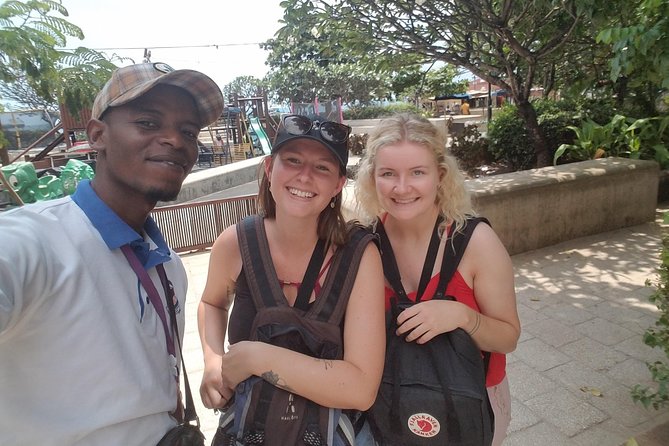
One of the highlights is simply the experience of Stone Town itself: narrow roads, different culture, and constant reminders that eras overlap here. When you walk with a guide who understands the context, you start noticing details you’d normally miss.
I’d suggest you watch for three things as you go:
- Street layout and doorways that show older building patterns.
- Signs of cultural layering, like blended influences in the atmosphere and the way the city is used.
- How the route “teaches”: each stop should feel like it connects to the next, rather than being random sightseeing.
If you tend to rush through destinations, this route can help slow you down in the right way. It gives you a story thread, then lets the streets provide the supporting evidence.
Price and value: is $90 per person fair?
At $90 per person for a 3-hour private walking tour with hotel pickup and drop-off, the value is in what you don’t have to worry about. You’re paying for a guide, a route that makes sense, and access details like the entrance fee at the Cathedral Anglican church.
You are not paying for food or drinks. You are not paying tips. And you should treat the tour like a meaningful guided experience rather than a quick photo stop.
So is it worth it? For me, the question is simple: do you want interpretation, not just locations? If you want the city explained through the slave trade timeline and the layers of influence, the price feels reasonable. If you’re only interested in a casual walk and you’d rather explore on your own, then you may not get enough from the guide to justify the cost.
A smart budget move: plan to add a drink or snack before or after the tour. That way you stay comfortable and can focus.
Who this tour fits best
This is a strong match if you:
- Want a private experience in Stone Town, not a large group.
- Prefer walking tours where the guide connects landmarks to context.
- Are interested in how Portuguese, Arab Omani, and British influences shaped Zanzibar, and why the slave trade made the city central.
It may be less ideal if you:
- Want only cheerful sightseeing and don’t want darker subject matter.
- Have trouble walking for about 3 hours at a steady pace.
- Need food included, since foods and drinks are not part of the package.
Final thought: should you book it?
If you’re coming to Zanzibar and you want to understand Stone Town beyond the surface, I’d book this. The strongest reason is the way the tour ties the slave trade story to the physical places you visit, then balances it with real daily life at Darajani fish market and a memorable pop culture stop at the Freddie Mercury house.
Go in with the right mindset. Wear comfortable shoes. Bring water if you can. Then let the streets do the work, with your guide connecting the dots from Persian influence to Portuguese presence, Arab rule from Oman, and British influence.
If that kind of context matters to you, this tour earns its spot.
FAQ
How long is the Stone Town private walking tour?
The tour lasts 3 hours.
What’s included in the price?
Hotel pick-up and drop-off, a tour guide, and the entrance fee at the Cathedral Anglican church are included.
Is this tour private?
Yes, it’s listed as a private group.
What languages are available for the live guide?
The tour offers live guides in English, French, German, and Italian.
Are foods and drinks included?
No. Personal needs, tips, and foods and drinks are not included.
Is free cancellation available?
Yes. You can cancel up to 24 hours in advance for a full refund. There is also a reserve now and pay later option mentioned.
Stone Town, Street by Street
- Zanzibar: Stone Town, Spice Tour, Prison Island with Lunch
★ 4.4 · 1,219 reviews - Zanzibar: Prison Island, Stone Town, & Spice Farm Tour
★ 4.5 · 579 reviews - Zanzibar: Stone Town, Spice tour & Prison Island with Lunch
★ 4.6 · 453 reviews - Stone Town Private Walking Tour
★ 5.0 · 371 reviews - Zanzibar: 3 Hours Private Stone Town walking Tour with Guide
★ 4.6 · 301 reviews
Just added from around Zanzibar City






Stone Town Heritage Walks, compared.
 ★ 4.4Zanzibar: Stone Town, Spice Tour, Prison Island with LunchFrom $681,219 reviews
 ★ 4.5Zanzibar: Prison Island, Stone Town, & Spice Farm TourFrom $70579 reviews
 ★ 4.3Zanzibar; Prison Island, Nakupenda, StoneTown Tour with BBQFrom $71457 reviews
★ 4.6Zanzibar: Stone Town, Spice tour & Prison Island with LunchFrom $55453 reviews
★ 4.3Zanzibar; Prison Island, Nakupenda, StoneTown Tour with BBQFrom $71457 reviews
★ 4.6Zanzibar: Stone Town, Spice tour & Prison Island with LunchFrom $55453 reviews
 ★ 5.0Stone Town Private Walking TourFrom $26371 reviews
 ★ 4.6Zanzibar: 3 Hours Private Stone Town walking Tour with GuideFrom $24301 reviews
 ★ 4.5Full-Day Private Stone Town +Spice Farm and Prison Island TourFrom $100216 reviews
 ★ 4.5Zanzibar: Stone Town Historical Cultural Walking Guided TourFrom $21179 reviews
Browse the lists this tour appears in