
REVIEW · DAR ES SALAAM CITY AND COASTAL ESCAPES
Private Insightful City Tour of Dar es Salaam
Dar es Salaam hits different when you go with context. This private, guide-led city tour strings together the places locals actually use, from major markets to a cathedral and memorials, in just 1 to 2 hours. You get free entry stops and a smooth flow between sights, with pickup available for an extra fee if you want it.
I especially like the way the tour leans into street-level details at Kariakoo Market and Kivukoni Fish Market, where you see the daily business of trade and fishing up close. I also like that the guide keeps the pace short, so you are not stuck wandering too long in heat and crowds, which makes it a smart fit for a first afternoon in town.
One consideration: this is mostly an on-foot experience with a moderate fitness level, so if you have mobility limits, plan to ask about the most comfortable routing or pickup option early.
In This Review
- Key highlights at a glance
- A short private tour that respects your time
- Kariakoo Market: the city’s shopping engine in human scale
- Tips for Kariakoo
- Kivukoni Fish Market: learning the day of fishermen
- How to enjoy Kivukoni more
- St Joseph’s Cathedral by the port: German-era architecture and big views
- What to notice at the cathedral
- The Askari monument: World War I memory with a political twist
- A coastal sanctuary built in 1898 near the courts
- Price and value: what $55.26 buys in Dar es Salaam
- How logistics actually feel on the ground
- What to wear and bring for market and port areas
- Who should book this tour
- Should you book this private insight tour?
- FAQ
- How long is the Dar es Salaam private city tour?
- What is the price per person?
- Are pickup and drop-off included?
- Where does the tour start?
- Is admission charged for the stops?
- What is included in the tour?
- What kind of ticket do you receive?
- Is this a private tour?
- What fitness level do I need?
- What are the tour hours?
- What is the cancellation window?
Key highlights at a glance
- Kariakoo Market experience focused on trade, shopping energy, and local routines
- Kivukoni Fish Market for a clear look at fishermen’s day and fish commerce
- St Joseph’s Cathedral with German-era architecture and port-facing views
- Askari Monument tying World War I stories to Dar es Salaam’s changing power history
- A coastal sanctuary from 1898 near the ocean and surrounded by court buildings
More around Dar es Salaam and its islands
- Dar es Salaam: City Tour★ 4.7 · 159 reviews
- Dar es Salaam City Center: Walking Tour★ 4.8 · 102 reviews
- Dar es Salaam City Tour – Everyday★ 5.0 · 64 reviews
- 2 Days 1 Night Mikumi National Park from Dar es salaam★ 5.0 · 60 reviews
A short private tour that respects your time
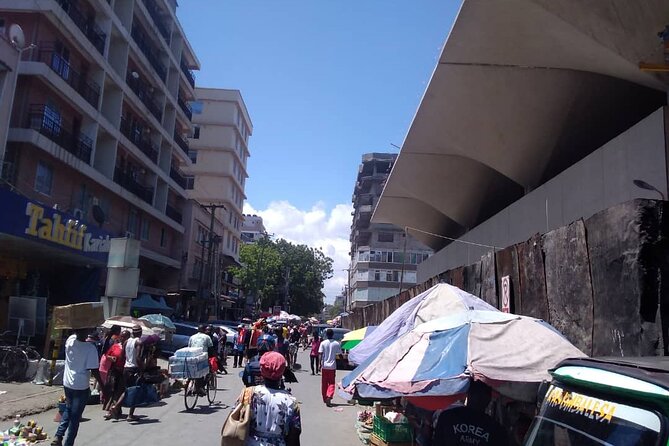
Dar es Salaam is a big, active city, and most visitors try to cram it into half a day. This tour is built for the opposite approach. You get a tight route of major points, spaced so you can actually process what you are seeing. The total time runs about 1 to 2 hours, and the experience stays private, meaning only your group participates.
The price is $55.26 per person, which may sound like a lot until you compare it to what you’d pay for a taxi plus a guide in a place where you want local insight. Here, you’re paying for a human with local knowledge, plus a low-friction plan that includes bottled water and soda/pop. That combination matters in markets, where you are tempted to spend more time bargaining, snacking, or getting turned around.
Also, the tour uses a mobile ticket, so you are not hunting paper vouchers. Pickup is offered, but there is an additional fee of $10, and the standard meeting point is Bustani ya Posta. If you want the easiest start, think about whether you can reach the meeting spot comfortably by public transportation.
Kariakoo Market: the city’s shopping engine in human scale
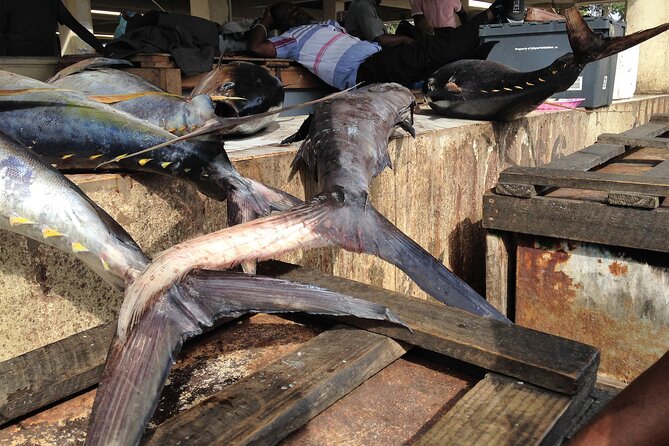
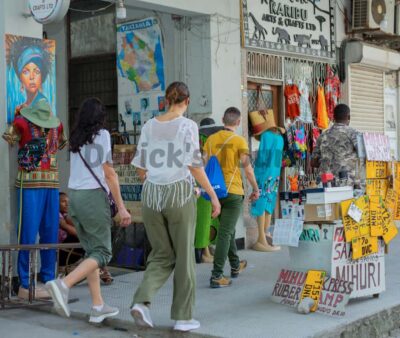
Kariakoo Market is one of East Africa’s biggest markets, and the value of visiting it with a guide is that you see more than just stalls. You get a sense of how business works here, how people move through the space, and how commerce shapes daily rhythms.
Expect about 45 minutes. That is long enough to get a feel for the layout and the sheer volume of activity, but not so long that you feel stuck. You’ll walk past the kind of variety that makes first-time shoppers blink twice: fabrics and everyday goods, busy counters, and constant foot traffic.
What I like about this stop is the focus on understanding. A good market visit can turn into just a photos-and-walk loop. With this format, you are not only looking, you are learning what the shopping culture means in practice, including how sellers and buyers interact. It is also a stop where your guide can match your interests, whether you want to focus on textiles, general city life, or just the energy of the crowd.
Potential downside: markets can be sensory-heavy. You’ll deal with smells, noise, and close quarters. If you get overwhelmed easily, wear a light, breathable outfit, keep water handy, and give yourself permission to move slowly through tighter lanes.
Tips for Kariakoo
- Plan for close walking. Keep your bag secure and close to your body.
- Bring small cash if you want to browse. You might find it easier than dealing with large bills.
- If you love photos, ask your guide the best moments for clear shots before the crowd shifts.

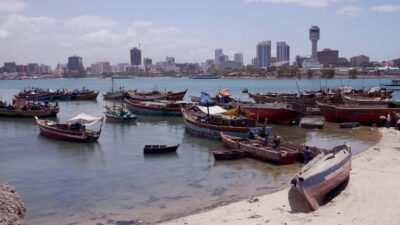
Kivukoni Fish Market: learning the day of fishermen
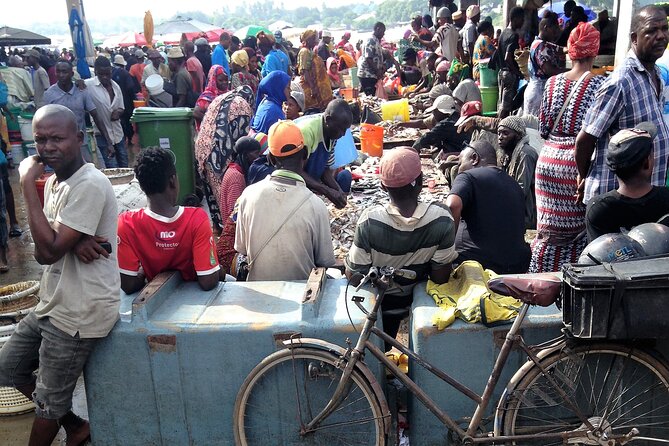
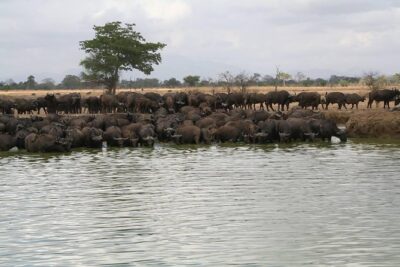
After Kariakoo, the tour shifts from shopping energy to an industry you can almost feel. Kivukoni Fish Market is centered on the day experience of fishermen, and the stop is designed to show how fishing connects to trade.
You get about 45 minutes here too, and admission is free. The practical benefit is that it fits well into the overall 1 to 2 hour pace. You can see the fish market flow without losing the rest of your route to a single busy location.
What makes this stop especially meaningful is the focus on process. Instead of only looking at fish on display, you’re meant to understand the means of transport and the way the fish trade works once it reaches market. That context turns a quick look into something you can talk about later, because you understand what is happening behind the scenes.
If you’re a traveler who likes to connect food to daily labor, this is the kind of stop that sticks with you. Even if you do not buy anything, watching how the market operates helps you interpret what you see: how sellers talk, how goods are handled, and how quickly the scene changes.
Potential downside: fish markets can be hot and heavy-smelling depending on the day and time. This is why the bottled water included with the tour is more than a perk. Hydration helps you keep your energy up for the rest of the walking.
How to enjoy Kivukoni more
- Wear footwear you trust. Floors can be uneven or wet.
- If you want photos, stand slightly to the side first and watch how people move, so you don’t block anyone’s work.
- Go in with curiosity, not expectations of a quiet museum stop.
St Joseph’s Cathedral by the port: German-era architecture and big views
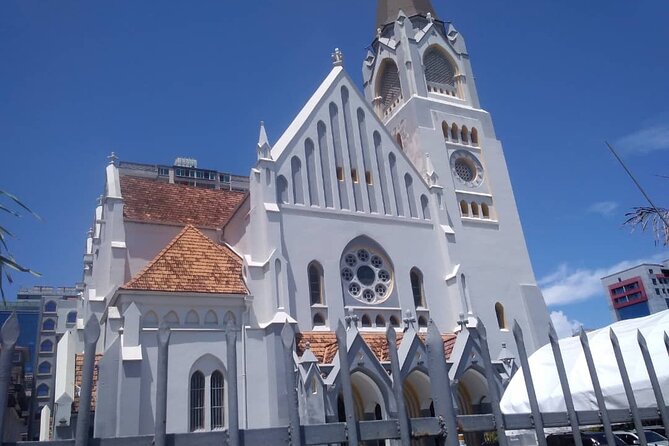
Next up is St Joseph’s Cathedral of the Archdiocese of Dar es Salaam. This is a shorter stop of about 20 minutes, which is perfect for a cathedral that you want to experience without losing the rest of your route.
Here’s the key context: the cathedral dates back to the early 1900s and was built by the Germans. It faces the Dar es Salaam Port of Zanzibar, so you get a sense of how the city’s spiritual and maritime worlds have been linked over time.
In a place like Dar es Salaam, port cities are always doing two jobs at once, trade and identity. This stop gives you a built form of that story. You’re not just admiring architecture, you’re seeing how the city has looked out toward regional movement for generations.
Because it’s a 20-minute stop, it’s easy to manage. You can take in the exterior and then spend a focused amount of time with details as your guide points things out. If you tend to like photos, this is also a good place to slow down. Short stops tend to be the best for getting sharp shots, since you’re not rushing to keep up.
Potential downside: because the stop is brief, you have to keep your attention tight. If you want a longer cathedral visit, this might not satisfy you on its own.
What to notice at the cathedral
- Look for the way the building frames the port-facing direction.
- Take a few minutes to focus on structural details, then step back for the wider view.
The Askari monument: World War I memory with a political twist
After the cathedral, you’ll encounter a memorial that connects Dar es Salaam to World War I history. The Askari monument commemorates African troops who served the British Army in the First World War.
This stop also comes with a layered story. Before the Askari monument, there was said to have been a monument of a German soldier, which was taken down after the British took over. The guide frames the Askari monument as symbolic, which is exactly how you should approach it. This is not just a statue. It is a statement about shifting control, memory, and how public space gets rewritten.
The value of this kind of stop is that it turns a city landmark into a conversation about power and identity. You can read the stone, but the guide helps you read the context, including why the monument looks the way it does and what it meant when it was placed.
Potential downside: memorials can be quick to interpret on your own. If you tend to prefer museum-style explanations, make sure you actively engage with your guide here, because the meaning is the whole point.
A coastal sanctuary built in 1898 near the courts
The final stop described on this route is a sanctuary built in 1898. It is a landmark facing the ocean, and it is surrounded by Dar es Salaam judiciary buildings.
Even without a long stop, this combination is powerful. You get a sense of the city’s layout: ocean-facing landmarks, governance structures nearby, and a reminder that daily life is shaped by institutions as much as by beaches or markets. You’ll also hear about a range of things to learn while you’re there.
This is the kind of stop that makes Dar es Salaam feel like a real city rather than a checklist of photos. It helps you notice the relationship between different parts of town, the port edge, the civic core, and the physical distances between them.
Potential downside: the route is short overall, so you may want to add time later if you want to read more, take more photos, or linger for quiet.
Price and value: what $55.26 buys in Dar es Salaam
At $55.26 per person for a private 1 to 2 hour tour, the value is all about how much friction you remove.
Markets can be a time trap. Without guidance, you may spend energy negotiating, translating, and figuring out where to go next. With this tour, the route is already set, and you are visiting key points with free admission at each listed stop. That is a real cost saver, even beyond the ticket line items, because you are not forced to pay entry just to justify time.
You also get:
- bottled water
- soda/pop
- pickup offered with a $10 fee
- mobile ticketing
- private group experience
- guidance that is meant to offer depth on local and historical context
If you’re traveling solo, the price can still make sense because it avoids the need to hire separate services. If you’re traveling as a small group, you can often split the cost so it feels like a straightforward add-on to your day.
The best-fit travelers here are people who want a first taste of the city center, and who like structured stops with a guide who can answer questions as you go.
How logistics actually feel on the ground
The meeting point is Bustani ya Posta in Dar es Salaam, and the activity ends back at the same location. That loop matters. It reduces guesswork at the end of your walk, when you might otherwise wonder how to get back or where your next taxi should be.
The tour also operates daily within opening hours of 9:00 AM to 6:00 PM. That gives you options: you can do it early to avoid stronger midday heat, or later when you might prefer lighter crowds. Confirmation is received at booking, and the starting point is near public transportation.
One more practical note: this experience is listed for moderate physical fitness. It’s not described as a strenuous hike, but it does mean you should expect walking and time standing. If you are bringing an elderly relative or someone with mobility limits, it’s worth coordinating pickup early so you can reduce walking where possible.
What to wear and bring for market and port areas
This tour mixes markets, a cathedral, and memorial space. I’d plan for a blend of practicality and comfort.
Wear breathable clothes and shoes you can walk in on mixed surfaces. Bring light sun protection even if you plan to move quickly. Markets are also where you can accidentally overheat while focusing on details.
For items, keep it simple:
- bottled water is included, so drink regularly
- bring extra cash if you want to shop, but do not feel forced
- use a secure bag strategy, since market crowds can get close
If rain appears, you’ll want flexibility. Some operators in Dar es Salaam adjust how they move between points when weather gets messy, so keep an eye on the day’s conditions and follow your guide’s lead.
Who should book this tour
This is a strong choice if you want:
- an efficient first introduction to Dar es Salaam city center
- guided context for major local sites like Kariakoo and Kivukoni
- a short itinerary that fits into a tight schedule
- a private format where your group sets the pace
It’s also a good fit if you love understanding what you’re seeing, from market trade to how monuments reflect changing historical control.
You might skip it if you are the kind of traveler who wants a long, independent stroll with lots of free time. This tour is deliberately compact, so it’s more about focus than freedom.
Should you book this private insight tour?
I’d book it if you want a smart, short, private way to connect Dar es Salaam’s markets, port-facing religious architecture, and memorial space into one coherent experience. The free entry stops, included bottled water and soda/pop, and the private group format make it easier to justify the cost.
If you do book, arrive at Bustani ya Posta on time, wear comfortable shoes, and come ready to ask questions. The experience is at its best when you lean into the story side, not just the sight side. For many first-timers, that is exactly the right recipe.
FAQ
How long is the Dar es Salaam private city tour?
The duration is listed as 1 to 2 hours.
What is the price per person?
The price is $55.26 per person.
Are pickup and drop-off included?
Pickup is offered, but it may have an additional fee of $10. The tour ends back at the meeting point.
Where does the tour start?
The meeting point is Bustani ya Posta, Dar es Salaam, Tanzania.
Is admission charged for the stops?
Admission is listed as free for the listed stops.
What is included in the tour?
The tour includes bottled water and soda/pop.
What kind of ticket do you receive?
You receive a mobile ticket.
Is this a private tour?
Yes, it is a private tour or activity, and only your group participates.
What fitness level do I need?
The tour suggests a moderate physical fitness level.
What are the tour hours?
The tour runs daily from 9:00 AM to 6:00 PM.
What is the cancellation window?
You can cancel for a full refund if you cancel up to 24 hours in advance of the experience’s start time.
Dar es Salaam and Its Coast
- Dar es Salaam: City Tour
★ 4.7 · 159 reviews - Dar es Salaam City Center: Walking Tour
★ 4.8 · 102 reviews - Dar es Salaam City Tour – Everyday
★ 5.0 · 64 reviews - 2 Days 1 Night Mikumi National Park from Dar es salaam
★ 5.0 · 60 reviews - The Best/Top Rated Cultural City Tour in Dar es Salaam
★ 5.0 · 57 reviews
Just added from around Dar es Salaam





Dar es Salaam City and Coastal Escapes, compared.
 ★ 4.7Dar es Salaam: City TourFrom $77159 reviews
 ★ 4.8Dar es Salaam City Center: Walking TourFrom $30102 reviews
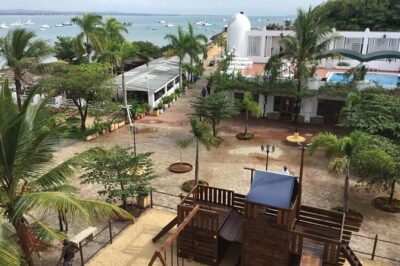 ★ 5.0Dar es Salaam City Tour – EverydayFrom $9764 reviews
 ★ 5.02 Days 1 Night Mikumi National Park from Dar es salaamFrom $67060 reviews
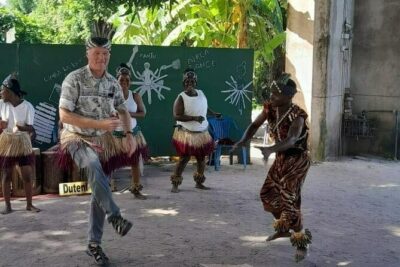 ★ 5.0The Best/Top Rated Cultural City Tour in Dar es SalaamFrom $9057 reviews
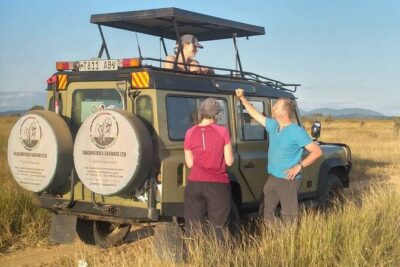 ★ 5.0Private Full-Day Trip to Mikumi National Park from Dar es SalaamFrom $55054 reviews
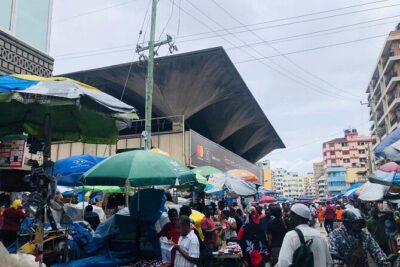 ★ 5.0Dar Es Salaam City Tour (Full Day With Private Guide And Car)From $14539 reviews
 ★ 4.5Full-Day Private Tour of Dar es SalaamFrom $16037 reviews
Browse the lists this tour appears in