
REVIEW · TANZANIAN COOKING CLASSES AND FOOD TOURS
Full-Day Private Tour in Zanzibar with Cooking Class
Spices in one hand, history in the other. This private Zanzibar day blends Stone Town landmarks with a real spice-farm lesson, then ends at a cooking class where you shop for ingredients and cook Swahili food. You get a tour guide, pickup and drop-off around Stone Town, and a structured route that covers the island’s biggest themes.
I love the spice-to-plate structure. You’ll learn what’s growing, where it’s used, and how it shows up in the food you eat. I also like the private pace, so the walking feels manageable and you can ask questions while you’re still standing in front of the sights, not just looking at photos.
One possible drawback: it’s a long stretch, about 9 to 12 hours, with city walking plus time on farms. If you hate heat or you prefer short and relaxed outings, this may feel like a full day of work, not a slow amble.
In This Review
- Key Highlights You Should Know Before You Go
- A Private Zanzibar Day Built Around Spices and Swahili Cooking
- Stone Town Stops: Old Fort, House of Wonders, and the Slave Market Area
- Freddie Mercury and Sultan-Era Stops for Pop Culture and Power
- Spice Farm Time at the Zanzibar Spices and Heritage Centre
- Darajani Market Shopping and the Mamas of Zanzibar Cooking Class
- Price and Practical Value at $110 Per Person
- Who This Tour Suits, and Who Should Skip It
- Should You Book This Full-Day Private Tour in Zanzibar?
- FAQ
- How long is the full-day private tour in Zanzibar?
- What does the $110 price include?
- Is this tour private?
- Do I get pickup and drop-off from my hotel?
- Is a mobile ticket provided?
- What will we do in the cooking class?
- Which Stone Town sights are included?
- Are entrance fees included?
- Is there time for shopping?
- Do I need to tip the guide?
- What is the cancellation policy?
Key Highlights You Should Know Before You Go

- Stone Town checklist, done in one day: Old Fort (Ngome Kongwe), House of Wonders, slave monuments, Freddie Mercury Museum, and more including Zanzibar Doors and Forodhani Park.
- Spice farming that you can actually touch: meet a rural farmer, learn African farming methods, and try techniques yourself.
- Darajani Market first, then cooking: pick ingredients before you cook lunch in a traditional home.
- Shopping time built into the route: buy spices, plus handmade soaps and creams produced by the community on the farm.
- Private group, pickup and drop-off: only your group, and transport is handled around Stone Town.
- Food and drinks included: spice lunch, plus drinks during the day.
More Zanzibari kitchens to sit in
- Stonetown: Food Markets and Street Food Walking Tour★ 4.7 · 151 reviews
- Zanzibar Cooking Class & Spice Tour★ 4.5 · 77 reviews
- Zanzibar: Spice Farm Tour with Traditional Cooking Lesson★ 4.8 · 77 reviews
- Authentic Street Food Tours in Stone Town, Zanzibar★ 5.0 · 46 reviews
A Private Zanzibar Day Built Around Spices and Swahili Cooking

This is the kind of tour that works best when you like connections. Zanzibar has a lot of layers, and this itinerary ties them together with three threads: the spice economy, the Stone Town stories, and the food that comes out of it.
The day starts in the historic core and moves through major landmarks at a steady walking pace. Then you head out to a spice farm setting for a hands-on lesson, before returning to the kitchen side of Zanzibar life. By the time you eat, the flavors are not random. You can trace them back to what you saw and what you bought.
And because it’s private, you’re not stuck listening to a lecture aimed at the whole bus group. It’s set up for your questions and your comfort level, which matters a lot in a city like Stone Town where small streets can turn into a walking workout fast.
Stone Town Stops: Old Fort, House of Wonders, and the Slave Market Area
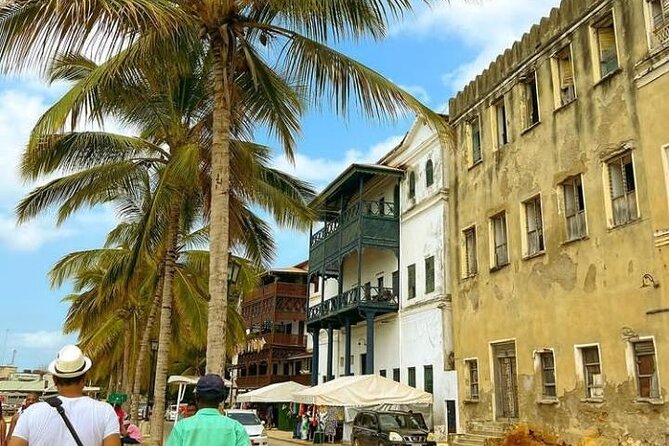
Stone Town is where Zanzibar looks like it’s been built and rebuilt for centuries, by trade, by conquest, and by culture mixing in real time. This tour focuses on that story, starting with fortifications and power, then moving into the darker chapters.
Old Fort (Ngome Kongwe) is the quick opener, with about 15 minutes to take it in. You’ll see a former prison and an old amphitheater that was once used for ladies, plus traditional handicraft. It’s a short stop on purpose, so you don’t spend the whole day standing still before the rest of the walking begins.
Next comes House of Wonders (Beit-el-Ajaib), where the tone changes from fort to artifacts. You’ll see preserved items including old bronze guns captured by Persians by 1622, plus old curved doors and items like dhows. Expect this to feel like a curated walkthrough of what power looked like in earlier Zanzibar, with plenty of visuals to help you connect the dots.
Then you move into the area tied to Old Slave Market and the Anglican Cathedral, with time to see slave monuments and the tomb of Edward Steers. This is one of the stops where the guide’s pacing matters. You’ll want a moment to absorb what you’re seeing rather than rushing through it, because the site carries real emotional weight.
Between these landmarks, the tour also includes the wider Stone Town walk: places tied to slave history, the Cathedral area, Sultan-era Zanzibar, and the famous small-street details like Zanzibar Doors. You may also pass Tip Tip’s House and get a feel for the waterfront atmosphere around Forodhani Park as part of the route. It’s not just museum time. It’s Stone Town as a living maze.
Practical tip: wear shoes you can handle on uneven streets. Stone Town can be cobbled and slippery, and you’ll walk more than you think, especially if you linger for photos or want extra explanations.
Freddie Mercury and Sultan-Era Stops for Pop Culture and Power
If you’re wondering whether this tour is all heavy history, it isn’t. Zanzibar has pop-culture moments for a reason, and this route uses them to keep the day from feeling like one long classroom session.
Freddie Mercury Museum is a brief stop at about 15 minutes. The focus is on the house where Freddie Mercury (Queen) lived, and it gives you a familiar reference point in a city that otherwise speaks in older languages of trade and architecture. Even if you’re not a die-hard Queen fan, it’s a useful contrast that helps you remember Stone Town as a place where big modern stories can sit right alongside older ones.
After that, you head to People’s Palace Museum, about two hours. This stop is built around the sultan family’s style of life, showing how the island’s rulers lived and how that lifestyle shaped the look and feel of the buildings around you. It helps to anchor the earlier stops about power, fortifications, and monuments, because now you’re seeing day-to-day status translated into objects and spaces.
And that matters, because Zanzibar’s history can feel scattered if you just hop from sight to sight. This tour threads the narrative so the cathedral area and sultan-era museum stops don’t feel unrelated.
Possible consideration: the Stone Town portion mixes themes that can hit different moods one after another. If you need quiet breaks, ask your guide for a short pause during the museum stops or between streets.




Spice Farm Time at the Zanzibar Spices and Heritage Centre
Now the day turns practical, and that’s where the tour really earns its keep. The spice farm portion is built for learning by seeing, and for understanding by tasting later.
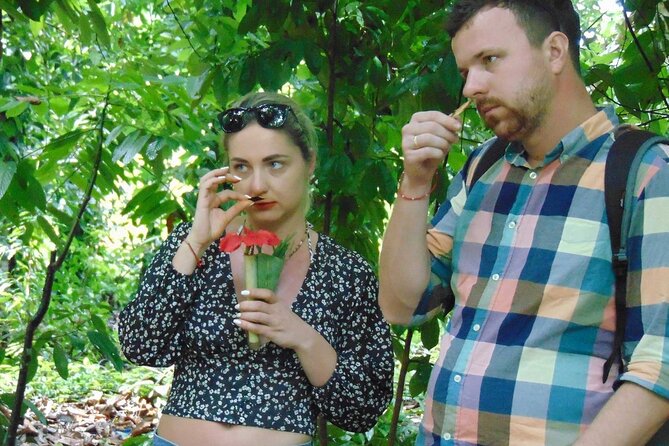
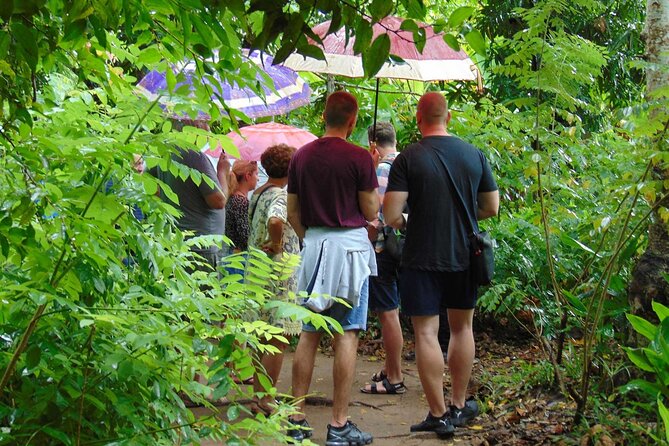
At Zanzibar Spices and Heritage Centre, you get about three hours. The big promise here is a clear explanation of Zanzibar’s relationship to spices, plus time with a rural farmer. You’ll learn African farming methods, and you may even perform some techniques yourself.
That hands-on piece is the key. “Spice tour” can sometimes mean a quick walk past plants and a shop stop. Here, it’s structured around farm learning and interaction. You’re walking through a farm area where different spices are presented one by one, with the kind of explanations that make the later cooking class easier, because you already know what you’re looking at.
After the lesson, you’ll have time to buy spices and also handmade products like soaps and creams made by the community on the farm. This is one of those places where a little shopping time can feel like a feature, not a detour, because you’ll have context for what you’re buying.
Practical tip: if you’re buying spice blends, ask how they’re best stored and used. You’ll get better results at home if you understand whether they’re meant for curries, rice, marinades, or something more specific.
Darajani Market Shopping and the Mamas of Zanzibar Cooking Class

This is the heart of the experience if you care about food, because it follows a market-to-table path rather than a kitchen-only demo. You start at Darajani market, picking ingredients before heading out.
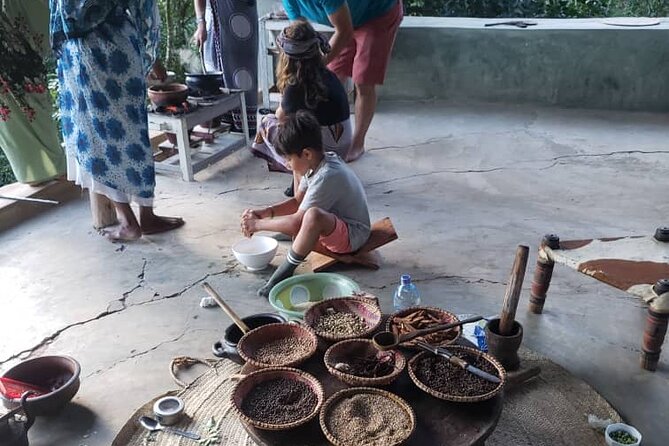
In the Mamas of Zanzibar cooking class portion, you’ll spend about three hours total. The structure is straightforward: choose ingredients at Darajani Market, then travel by private car to the spice farm again for an hour-long spice tour. After that, you join your instructor to cook lunch in a traditional Zanzibar home.
That second spice-farm stop is worth noticing. If you love spices, it’s a win because you connect what you learned earlier with the ingredients you just bought. If you’re not as interested in repeating farm walking, it could feel like extra time outdoors. For many people, though, it’s exactly what makes the flavors click.
In the kitchen, the goal is learning authentic Zanzibar food. Based on the way guides and chefs are described in guest experiences, the class tends to be friendly and hands-on, with real explanation about Swahili-style cooking and the spices that drive it. The day ends with the spice lunch and drinks included, which means you’re not just learning theory. You’re eating what you cook.
Also, keep in mind that this is not just a tasting. You’re joining the cooking process. If you want a low-effort experience, you might need to adjust expectations. If you enjoy practical tasks, chopping, mixing, and learning how flavors work, you’ll likely have a much better time.
Price and Practical Value at $110 Per Person
At $110 per person, you’re buying a full-day private plan that stacks several costly parts: Stone Town guiding time, multiple entry tickets listed in the route, transport around Stone Town, farm time, a market visit, and a cooking class with lunch and drinks.
What makes the price feel more reasonable is that it’s not just “see sights, then leave.” You’re doing a full thread of activities:
- Historic walk and museum stops in Stone Town
- A spice farm learning experience with a rural farmer
- A market ingredient hunt at Darajani
- A cooking class in a traditional home
- A meal built from your work
And because pickup and drop-off are included around Stone Town, you avoid the common headache of juggling multiple local taxi trips while trying to hit museum opening times. If your hotel is inside the Stone Town area, that’s a big convenience win.
Guide tip is not included, and personal expenses are not included. That’s pretty standard, but it’s smart to budget a bit extra for tipping and any souvenirs you pick up along the way.
Who This Tour Suits, and Who Should Skip It

This tour is best for you if you want a single day that covers Zanzibar’s biggest “why” answers. You’ll like it if you enjoy:
- History, but with a narrative that connects monuments to the spice trade
- Food you can explain after you eat it
- Learning experiences that include farm time and cooking, not just watching
- A private group format with a guide who can handle questions in real time
It might not be for you if:
- You prefer half-day options because you get restless after 4 or 5 hours of touring
- You dislike outdoor walking and farm heat
- You want a relaxed sightseeing day with minimal kitchen time
Also, location matters. Pickup and drop-off are around Stone Town only. If you’re staying farther out, plan for extra travel time or ask how they handle it for your exact hotel.
One more thought: Stone Town walking plus farms means you’ll want water, sun protection, and comfortable shoes. The tour gives you a lot, but you’ll need your body to keep up.
Should You Book This Full-Day Private Tour in Zanzibar?
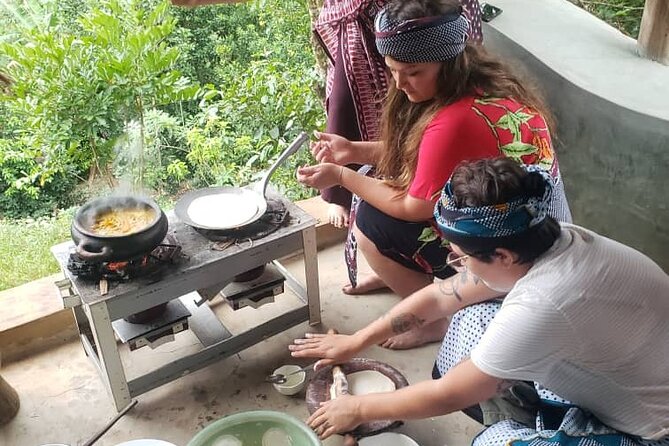
I’d book it if you want an experience that connects Zanzibar’s past to its flavors. The strongest reason to choose this one is the way it pairs Stone Town landmarks with spice-farm learning and then ends in a cooking class where you shop at Darajani Market and cook lunch.
If you’re a foodie, this is the “right level” of structured. You’ll learn what you’re eating and you’ll leave with spices and practical cooking ideas you can use later.
If you’re short on time, consider that this is a full-day commitment. But if your schedule can handle it, this is one of the few Zanzibar plans that feels like it covers the whole island story in a single, coherent arc.
FAQ
How long is the full-day private tour in Zanzibar?
The tour runs about 9 to 12 hours.
What does the $110 price include?
Pickup and drop-off from your hotel around Stone Town, service entrance fees, shopping time, an experienced professional tour guide, spice lunch and drinks, and entry for the Old Fort (Ngome Kongwe).
Is this tour private?
Yes. It’s a private tour/activity, with only your group participating.
Do I get pickup and drop-off from my hotel?
Yes, pickup and drop-off are included for hotels around Stone Town.
Is a mobile ticket provided?
Yes, the tour includes a mobile ticket.
What will we do in the cooking class?
You’ll learn how to make authentic Zanzibar food. You’ll go to Darajani market to choose ingredients, then visit a spice farm, then cook lunch in a traditional Zanzibar home.
Which Stone Town sights are included?
The route includes stops such as the Old Fort (Ngome Kongwe), House of Wonders (Beit-el-Ajaib), Old Slave Market/Anglican Cathedral area, Freddie Mercury Museum, People’s Palace Museum, and time walking around historic streets that include Zanzibar Doors and areas like Forodhani Park.
Are entrance fees included?
Service entrance fees are included, and admission tickets are listed as included for the sights on the itinerary.
Is there time for shopping?
Yes, there is shopping time.
Do I need to tip the guide?
Guide tip is not included.
What is the cancellation policy?
You can cancel for free up to 24 hours in advance for a full refund. If you cancel less than 24 hours before the start time, it is not refunded.
More Zanzibari Kitchens
- Stonetown: Food Markets and Street Food Walking Tour
★ 4.7 · 151 reviews - Zanzibar Cooking Class & Spice Tour
★ 4.5 · 77 reviews - Zanzibar: Spice Farm Tour with Traditional Cooking Lesson
★ 4.8 · 77 reviews - Authentic Street Food Tours in Stone Town, Zanzibar
★ 5.0 · 46 reviews - Mamas of Zanzibar – A Unique Cultural & Culinary Experience
★ 5.0 · 45 reviews
Just added from around Zanzibar





Tanzanian Cooking Classes and Food Tours, compared.
 ★ 4.7Stonetown: Food Markets and Street Food Walking TourFrom $35151 reviews
 ★ 4.7Zanzibar: The Swahili Spice Experience – Spice Tour + Culinary JourneyFrom $2196 reviews
 ★ 4.8Zanzibar: Spice Farm Tour with Traditional Cooking LessonFrom $6577 reviews
 ★ 4.5Zanzibar Cooking Class & Spice TourFrom $4077 reviews
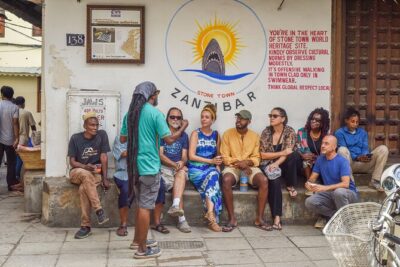 ★ 5.0Authentic Street Food Tours in Stone Town, ZanzibarFrom $4046 reviews
 ★ 5.0Mamas of Zanzibar – A Unique Cultural & Culinary ExperienceFrom $11645 reviews
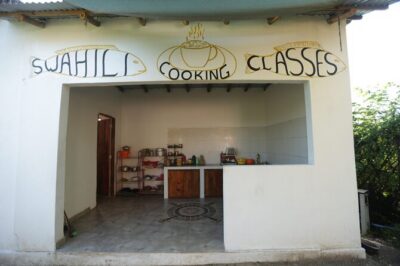 ★ 4.5Half-Day Kuza Cave Swimming Adventure and Cooking ClassFrom $1344 reviews
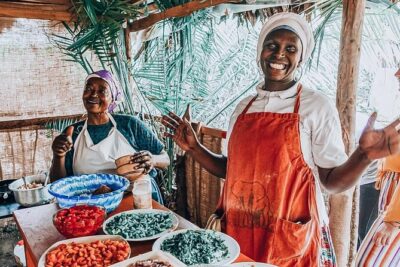 ★ 5.0NGO Lifted Strong – Traditional Tanzanian Cooking ClassFrom $5039 reviews
Browse the lists this tour appears in