
REVIEW · NGORONGORO CRATER SAFARIS
From Arusha: Tarangire and Ngorongoro Crater Camping Safari
Ngorongoro Crater feels like a natural amphitheater. I love the chance to really read the wildlife action in Tarangire and then switch to Ngorongoro Crater for its famous game-viewing setup, all with meals and an overnight stop handled. The main thing to keep in mind is that hard-to-spot animals, especially black rhinos, are never guaranteed.
I also like how the trip is built for a smooth rhythm, with a pickup from your Arusha hotel and a live English guide plus an English audio guide. If you’re lucky enough to get a strong guide like Simon (Safari Monster), Malissa, or Lucas, spotting tends to feel more intentional than random luck, but you should be ready for long drives and early mornings.
In This Review
- Key things to know
- Tarangire + Ngorongoro in 2 Days, Starting From Arusha
- Day 1 in Tarangire National Park: Baobabs, Elephants, and Two Game Drives
- Night and Overnight Stay: Rest So You Can Enjoy the Crater Morning
- Day 2 at Ngorongoro Crater: Viewpoint, Descent, and the Black Rhino Hunt
- What You Can Realistically Spot: The Fun, Plus the Honest Limits
- Why the Guide Makes or Breaks the Safari (And Who to Watch For)
- Timing, Driving Days, and Comfort: The Practical Stuff That Affects Your Enjoyment
- Price and Value at $800 Per Person: What You Get, What You Should Double-Check
- Who This Safari Suits Best (And Who It Might Not)
- A Simple Booking Checklist Before You Go
- Should You Book This Arusha Tarangire and Ngorongoro Camping Safari?
- FAQ
- What is the duration of the safari from Arusha?
- How much does it cost per person, and is it all-inclusive?
- What time do you get picked up from your Arusha hotel?
- What happens on Day 1?
- What happens on Day 2 at Ngorongoro Crater?
- Is there an English guide and audio included?
- Is this a private group tour?
- Can I get a refund if my plans change?
- Are pets allowed, and what should I bring?
Key things to know
- 7:30 AM pickup from Arusha sets you up for a full Day 1 in Tarangire National Park
- Tarangire River picnic stop breaks up the game drives and gives you a scenic pause
- 6:00 AM crater viewpoint on Day 2 means you get started early when wildlife is most active
- Black rhinos are the toughest target in the crater, so manage expectations
- Bring bug spray, and no pets are allowed on the safari
Tarangire + Ngorongoro in 2 Days, Starting From Arusha
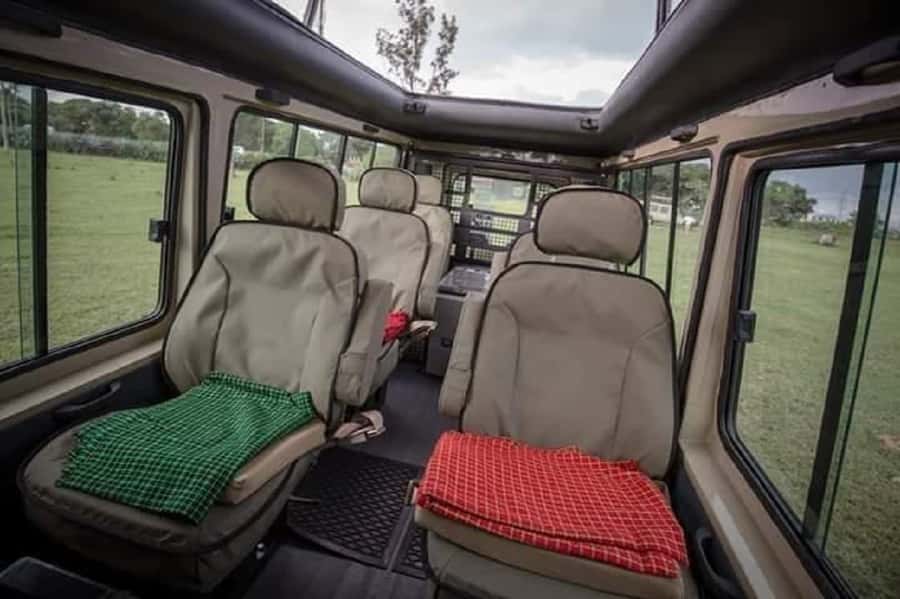
If you want the Tanzania “wow” factor without a week of logistics, this two-day combo is a smart choice. You get one day focused on Tarangire National Park and its elephant-heavy life, then a second day built around Ngorongoro Crater, one of the best places in the country for concentrated wildlife viewing.
The schedule is also practical. You start early from Arusha, you spend meaningful time actually driving in the parks (not just getting to them), and you have a proper overnight stay so you are not trying to do everything in one exhausting stretch. This is a private group tour, so you should get a bit more attention and flexibility than you would on a huge shared bus situation.
One more thing I’d pay attention to: the tour is not meant for everyone physically. If you have mobility limits or back issues, the crater descent and long vehicle days can be a challenge.
Day 1 in Tarangire National Park: Baobabs, Elephants, and Two Game Drives
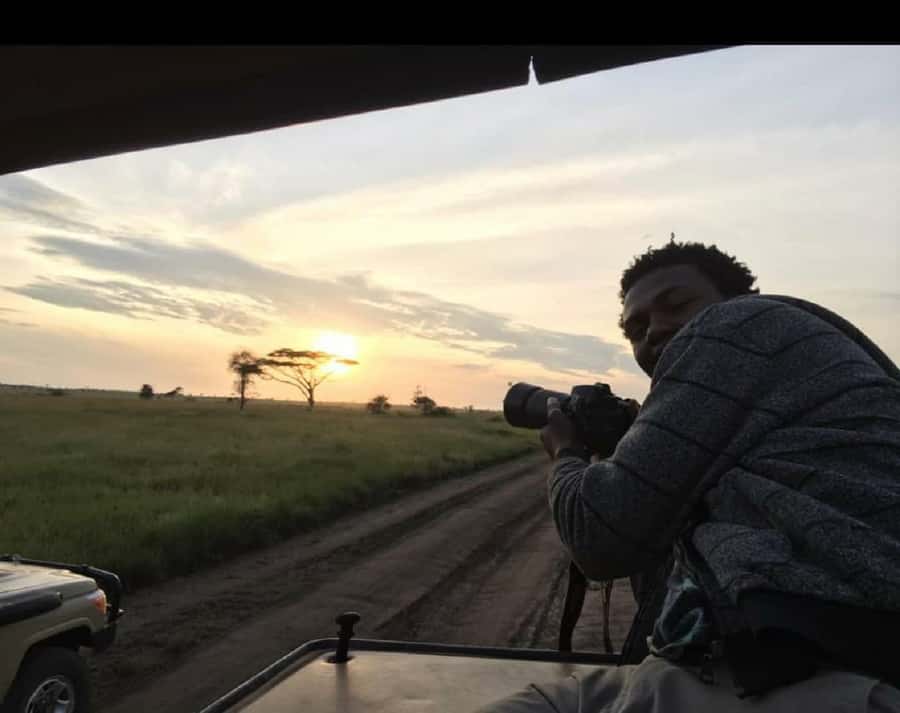
Your first morning starts with a hotel pickup at 7:30 AM in Arusha. After meeting your guide and the rest of your group, you drive roughly two hours toward Tarangire National Park. That drive matters more than it sounds, because it’s part of the overall rhythm. You’re not wasting daylight on transit.
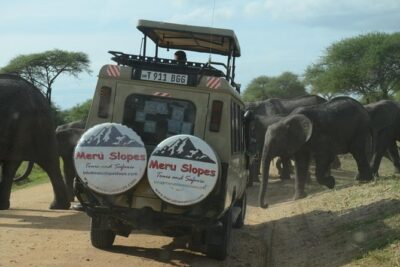
Once inside Tarangire, the day’s tone becomes very clear. The park is known for dramatic terrain and for ancient baobab trees, which are the kind of landmark that make you feel like you’re in a real wildlife ecosystem rather than just passing through. You’ll also be aiming at the park’s signature animal, the elephants, which are said to be especially abundant here.
What you’ll do once you’re settled in:
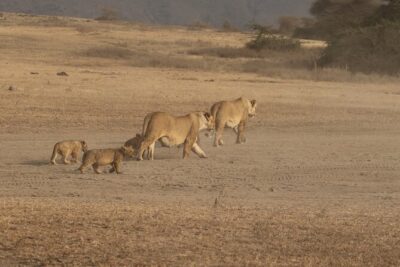
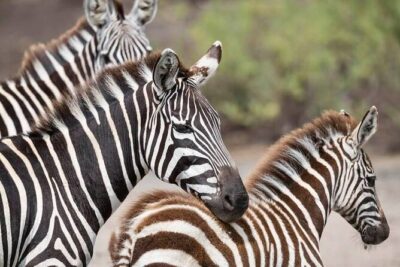
- A game drive through Tarangire with chances to see lions, cheetahs, leopards, giraffes, wildebeest, and zebra, among others
- A later stop at the Tarangire River picnic site, where you can rest, eat lunch, and watch wildlife around the water
- Another game drive after lunch to keep your odds going, especially if the morning sightings were light
The Tarangire River picnic stop is a nice touch. It’s not just lunch. It’s a chance to slow down, look for animals moving in and out of the river area, and let your eyes adjust after the constant scanning that game drives require. If you’re the type who loves patterns, this is where you start seeing the “why” behind animal movement: water sources shape behavior.
You exit Tarangire around 4:30 PM, then head to accommodations for dinner and overnight.
Night and Overnight Stay: Rest So You Can Enjoy the Crater Morning
On Day 1, you end with dinner and an overnight stay. That simple fact is underrated. Ngorongoro works best when you are alert enough to spot movement quickly, and an actual overnight gives you that.
The exact lodge location can vary by operation, but one previous booking mentioned staying near Mto wa Mbu for the night. What seems consistent is that meals are included and the overall plan aims to get you fed and ready for an early start.
Practical note: because the safari is timed around wildlife activity, your evening is not built for late-night wandering. Pack for an early morning, set your alarm, and keep expectations realistic. You’ll be tired in the best way.
Day 2 at Ngorongoro Crater: Viewpoint, Descent, and the Black Rhino Hunt
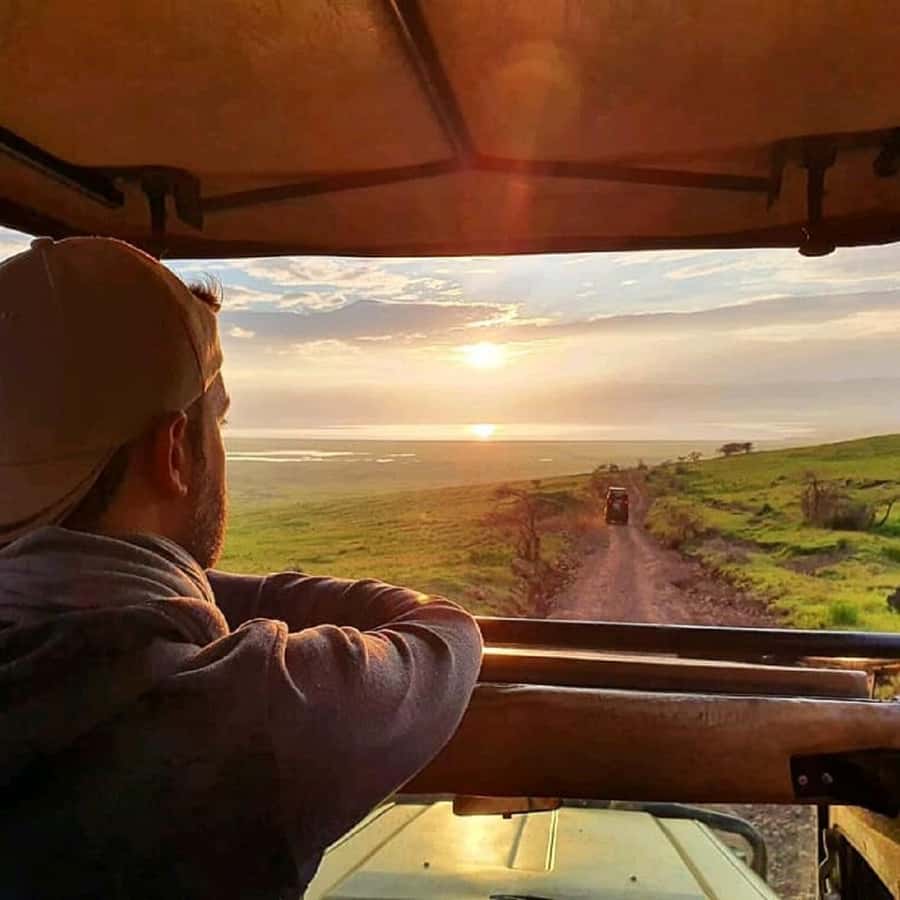
Day 2 begins before sunrise with breakfast around 6:00 AM. Then you head to the Ngorongoro viewpoint to take in the crater scene from above. Seeing the crater from the viewpoint helps you understand why this place is so famous: the terrain funnels wildlife and creates a more concentrated viewing situation than you typically get in larger, more open parks.
After the viewpoint stop, you descend into the crater to search for wildlife. This is where the day’s big challenge shows up: black rhinos. They’re described as the hardest animals to spot inside the crater, which is a good way to protect your mindset. You might see other predators and herbivores easily, and still not get lucky with black rhinos. The safari still works if that happens, because Ngorongoro has plenty to watch.
Then you’ll have lunch, followed by another game drive inside the crater. After that, you ascend and return to Arusha.
What I like about this structure is that it builds in two different “modes” of viewing:
1) The crater itself, where animals gather and move predictably
2) The repositioning time, where you follow the guide’s best route for sightings and adjust when animals shift
The best way to enjoy Ngorongoro is to treat it as an active search, not a checklist. If you chase only one target, you can miss how much you’re actually seeing.
What You Can Realistically Spot: The Fun, Plus the Honest Limits
This safari aims for a full cast of savanna animals. You’ll be trying for elephants, lions, cheetahs, leopards, giraffes, wildebeest, zebra, and more in Tarangire. Then Ngorongoro brings its own lineup and a strong chance at big sightings, with black rhinos as the tough but legendary target.
Still, wildlife viewing has the same rule everywhere: animals move, and animals decide. One prior booking did not have luck with black rhinos or hyenas, even though they saw many other animals. That’s not a reason to avoid the trip. It’s a reason to go in prepared to be flexible.
A good guide helps here. Strong driving positions you for the right angles, and the best guides keep your attention on tracks, behavior, and likely movement routes instead of only looking for the obvious.
Why the Guide Makes or Breaks the Safari (And Who to Watch For)
On safari, the vehicle is only half the story. The guide is the other half. And you’ll see that clearly in how bookings describe their guides.
Names like Simon (often called Safari Monster), Malissa, and Lucas have come up for being friendly, enthusiastic, and very good at explaining what’s going on. In practice, that usually means three things:
- You get help spotting animals sooner, not later
- You learn what you’re looking at, so sightings feel more satisfying
- The drive feels purposeful, even when the action is slow
If you’re the kind of traveler who gets impatient on long drives, this matters. A guide who can turn downtime into useful scanning time makes the whole day feel shorter.
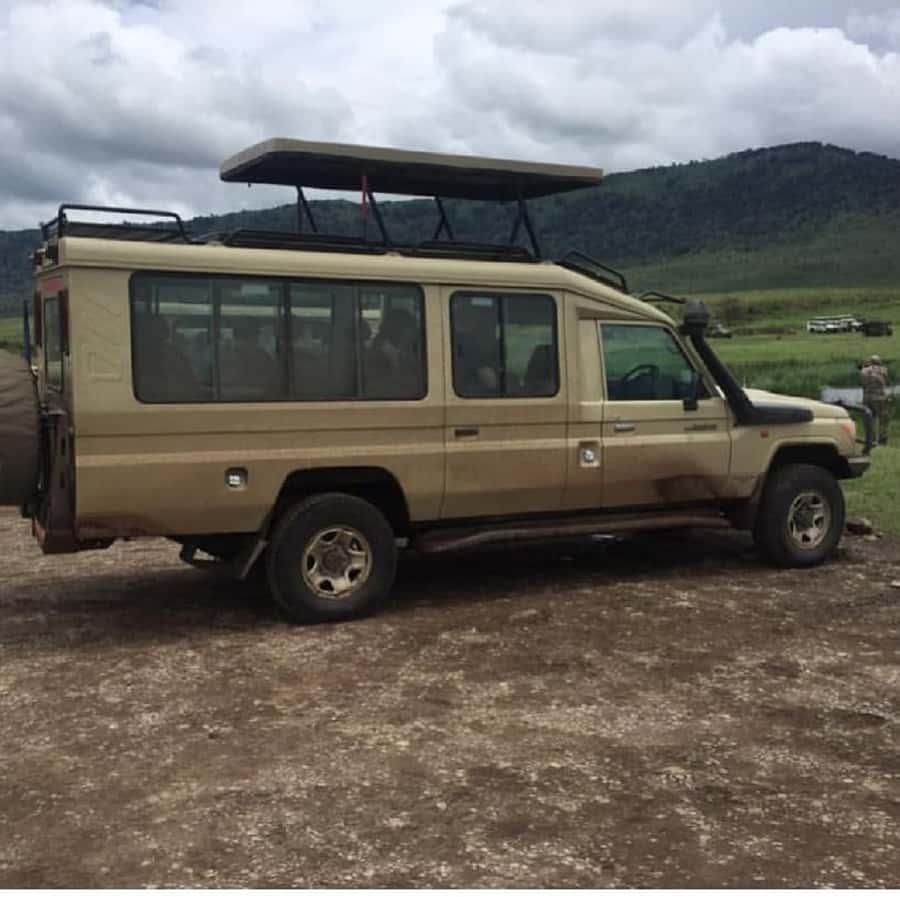
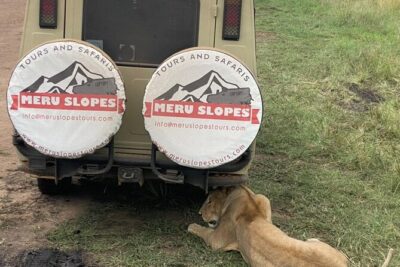
There’s also comfort and safety. One booking highlighted a secure, reliable transport setup and mentioned a Toyota vehicle. You should still assume you’ll be in a rugged park setting with bumpy roads, but a good operator keeps things steady.
Timing, Driving Days, and Comfort: The Practical Stuff That Affects Your Enjoyment
This is a two-day safari with a lot of time in the vehicle. Day 1 starts at 7:30 AM pickup and includes drives, lunch, and a second game drive before leaving the park around 4:30 PM. Day 2 is an early start at 6:00 AM, then a viewpoint, a descent, and more driving before returning to Arusha.
That means you should plan for:
- Early wake-up and early departure
- Long seated stretches in a bumpy environment
- A crater descent that can be physically demanding
The tour specifically notes it is not suitable for people with back problems or mobility impairments, and it’s not for children under 3 years old. If that includes you, I’d treat that as a firm guideline, not a technicality.
Also, bring bug spray. It’s listed as a key item to pack, and it’s one of those small things that can make the difference between enjoying the stop and feeling distracted.
Price and Value at $800 Per Person: What You Get, What You Should Double-Check
The price is $800 per person for a two-day safari. That can sound high or fair depending on what’s included, so here’s the value math using what the tour covers.
Included:
- Hotel pickup and drop-off in Arusha
- All park entrances and taxes
- Accommodations during the safari
- All meals, soft drinks, and water
Not included:
- Flights
- Visas
So you’re paying for a packaged experience, not just a car and a driver. For many people, that’s the main value. You avoid juggling park fees, meal planning, and overnight logistics while you focus on wildlife time.
One caution: there has been at least one complaint about price differences between passengers on the same overall safari. There’s also a mention of a vehicle repair that caused around two hours of lost time in one case. Those aren’t reasons to panic, but they are good reasons to confirm what your price includes and to keep a little flexibility for the unexpected when you’re deep in remote areas.
If you want the best value, do your homework before payment:
- Make sure you know exactly what the $800 covers for your specific booking
- Ask about vehicle type and overnight lodging arrangement if that detail matters to you
Who This Safari Suits Best (And Who It Might Not)
I’d point this tour toward travelers who:
- Want a classic Northern Tanzania wildlife circuit in just two days
- Love game drives and want real time inside the parks
- Prefer a private-group experience with an English-speaking guide
- Are okay with early mornings and long vehicle days
It might not suit you if:
- You have mobility challenges or back problems
- You need a more relaxed, slow-paced itinerary
- You’re traveling with a very young child (the tour notes children under 3 are not suitable)
If you’re a first-time safari person, this combo is also a strong intro because Tarangire teaches you how to read the elephant and predator presence, then Ngorongoro shows you how wildlife concentrates in a crater setting.
A Simple Booking Checklist Before You Go
Before you book, I recommend you line up these basics so nothing surprises you:
- Bring bug spray
- Don’t plan on bringing pets
- Confirm you’re comfortable with long driving days and early departures
- Pack for a full day in the park, then for a very early start the next morning
- If black rhinos are your top goal, stay realistic, even though your odds are strong enough to plan around the hunt
Also, choose your travel style wisely. A private group tour tends to work best when you enjoy following a guide’s rhythm instead of trying to freestyle constantly.
Should You Book This Arusha Tarangire and Ngorongoro Camping Safari?
If your dream is to see Tarangire elephants and then experience Ngorongoro Crater’s concentrated wildlife viewing in just two days, I think this is a strong booking. The best part is that the tour handles the big logistics for you, from pickup and park entries to meals and overnight lodging, so you can focus on wildlife spotting and enjoying the crater day.
Book it if you:
- Want maximum wildlife time for a short stay
- Appreciate an organized plan with an English-speaking guide
- Can handle early mornings and a physically active safari day
I’d hesitate if you need high accessibility or have back issues, or if you’re traveling with a child under 3. And if you’re the type who gets thrown off by not hitting one specific animal target, plan for black rhinos to be a bonus, not a guarantee.
If you go in with flexible expectations and good expectations about the guide, you’ll likely come away with the kind of sightings that stick for years.
FAQ
What is the duration of the safari from Arusha?
The safari is listed as 2 days.
How much does it cost per person, and is it all-inclusive?
The price is $800 per person. Hotel pickup and drop-off, park entrances and taxes, accommodations during the safari, and all meals plus soft drinks and water are included. Flights and visas are not included.
What time do you get picked up from your Arusha hotel?
Pickup is at 7:30 AM.
What happens on Day 1?
Day 1 includes travel from Arusha to Tarangire National Park, game drives, a stop at the Tarangire River picnic site for lunch, and then another game drive before leaving the park around 4:30 PM.
What happens on Day 2 at Ngorongoro Crater?
Day 2 includes an early breakfast around 6:00 AM, a drive to the crater viewpoint, a descent into the crater for wildlife viewing (including a search for black rhinos), a game drive after lunch, and then returning to your accommodations in Arusha.
Is there an English guide and audio included?
Yes. The live tour guide is English, and an English audio guide is included.
Is this a private group tour?
Yes, it is a private group.
Can I get a refund if my plans change?
Free cancellation is offered up to 24 hours in advance for a full refund.
Are pets allowed, and what should I bring?
Pets are not allowed. You should bring bug spray.
Ngorongoro Crater Safaris, compared.
 ★ 5.03 Days Serengeti & Ngorongoro Group Camping SafariFrom $815574 reviews
 ★ 5.0Safari Serengeti And NgorongoroFrom $2,845288 reviews
 ★ 5.05 Days Camping Tarangire, Serengeti & Ngorongoro crater & Visiting MaasaiFrom $1,254229 reviews
 ★ 5.04 Days Join Group tour Tarangire Serengeti and Ngorongoro craterFrom $1,090219 reviews
 ★ 5.04-Day Safari from Arusha: Tarangire, Serengeti and NgorongoroFrom $1,753173 reviews
 ★ 5.02 Days Tarangire and Ngorongoro Group Camping SafariFrom $550146 reviews
 ★ 5.04 Days Tarangire Serengeti Ngorongoro CraterFrom $900117 reviews
 ★ 5.03 Days Tarangire, Ngorongoro & Lake Manyara Group Camping SafariFrom $700102 reviews
Browse the lists this tour appears in