
REVIEW · DAR ES SALAAM CITY AND COASTAL ESCAPES
Day Trip To Bagamoyo From Dar Es Salaam ..historical town
One morning, history starts on unpaved streets. Bagamoyo sits about 75 km north of Dar es Salaam, and it was once one of East Africa’s key coastal trading towns, shaped by Indian and Arab traders and later German rule and missionaries. You also get a sense of why people came through here, from ivory and salt to the slave trade, on routes that connected the interior to the sea.
Two things I really liked. The first was how smooth the whole day felt with driver Hamis, from pick-up to the round trip. The second was the walking and Q and A time with guide Michael, who helped make the town’s stories click instead of just sounding like facts.
One thing to consider is the pacing. You leave early (around 6:00 am), and even though the day is long, it can still feel like a lot of stops in a short stretch, especially with a long drive and time on foot.
In This Review
- Key takeaways
- Bagamoyo: Why This Historic Town Works So Well As a Day Trip
- Price and Comfort: What You’re Really Paying for at $280 Per Person
- The Early Start From Dar es Salaam: How to Plan Your Day So It Feels Easy
- Stop by Stop: Bagamoyo Museum and the Stories Behind the Town
- Walking Bagamoyo’s Old Streets: Historical Buildings and the Slave Port Context
- Kaole Coral Mosques: Coastal Faith and Centuries-Old Footprints
- The Great Wami River Stop: Linking Inland Routes to the Sea
- Lunch in Tanzania: Fueling Up Without Breaking the Flow
- Beach Time at the End: A Necessary Reset After Heavy Topics
- Artisan Market Time: The One Extra You’ll Be Glad You Didn’t Skip
- What I’d Pack and How I’d Pace Yourself
- Who This Trip Suits Best (And Who Might Feel It’s Too Much)
- The Bottom Line: Should You Book This Bagamoyo Day Trip?
- FAQ
- How long is the Bagamoyo day trip from Dar es Salaam?
- What time does the tour start?
- Is lunch included?
- Is breakfast included?
- Is pickup offered?
- Is this a private tour?
- Is museum admission included?
Key takeaways
- Private guide, real conversations instead of a rushed drive-by.
- Bagamoyo Museum plus old town walking to understand the trade and slave-port era.
- Kaole Coral Mosques at a coastal site tied to centuries-old history.
- Wami River stop to connect the inland caravan routes with the sea.
- Beach time at the end so the day doesn’t end with only heavy topics.
- Artisan market time is worth planning for if you want local crafts.
More around Dar es Salaam and its islands
- Dar es Salaam: City Tour★ 4.7 · 159 reviews
- Dar es Salaam City Center: Walking Tour★ 4.8 · 102 reviews
- Dar es Salaam City Tour – Everyday★ 5.0 · 64 reviews
- 2 Days 1 Night Mikumi National Park from Dar es salaam★ 5.0 · 60 reviews
Bagamoyo: Why This Historic Town Works So Well As a Day Trip
Bagamoyo is the kind of place where you can feel layers. You start with the basics: a historic coastal town that became a major trading center in the late 19th century. Then the stories get specific, because the town was shaped by Indian and Arab traders, the German colonial government, and Christian missionaries.
The best part of visiting Bagamoyo by day trip is that you can connect the dots between “what was traded” and “why this town mattered.” This wasn’t just a place where ships came and went. It was part of a larger caravan system, linking Lake Tanganyika to the coast, bringing goods like ivory and salt toward the sea, and also moving people in the tragic machinery of the slave trade.
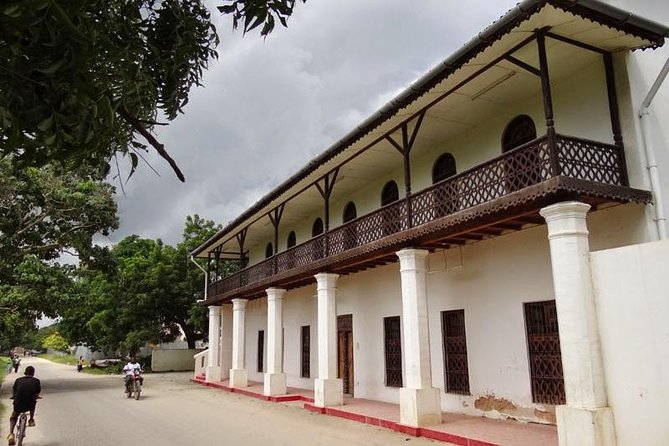
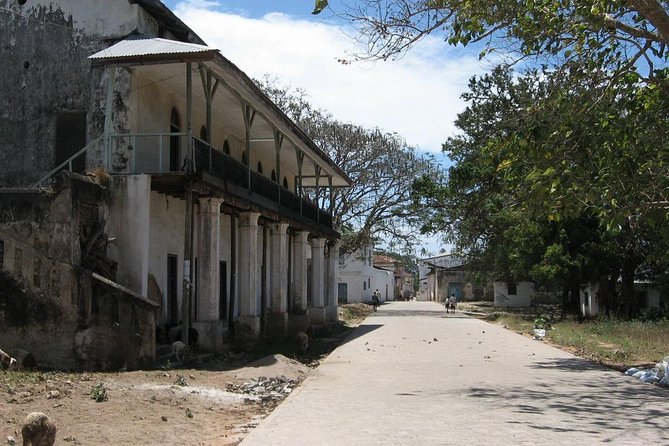
You’ll notice the town’s physical feel too. Streets can be unpaved, and the day is designed for walking, not museum-only sightseeing. That makes the history more grounded. You are not just reading signs, you are moving through the same kind of streets where people once navigated commerce, faith, and survival.
Price and Comfort: What You’re Really Paying for at $280 Per Person
At $280 per person, this trip is not trying to be a budget bus tour. You are paying for a private tour setup, with a dedicated guide, air-conditioned vehicle, bottled water, lunch, and all fees and taxes.
The value is easiest to see when you think about the logistics. Bagamoyo is roughly an hour or more away depending on traffic and road conditions, and you are also going to be on your feet for parts of the day. A private format matters here because you can slow down where the questions are, and speed up where you are less interested.
Is it worth it? If you like history but also want human explanations, the guide component makes a difference. One review experience leaned hard into the guide quality, with Michael answering questions while the group walked all over town. That is exactly the kind of “why does this matter?” help that turns a long drive into an informed day rather than a blur.
The main reason the price might not feel ideal is simple. If you mostly want beach time and a quick look at waterfront views, you may feel like the day is weighted toward history and structured stops. Bagamoyo is not a pure leisure destination. It’s a meaning-first destination, with a beach finish.
The Early Start From Dar es Salaam: How to Plan Your Day So It Feels Easy
This tour starts at 6:00 am. That early departure is what makes an 8 to 12 hour day trip possible while still leaving time for multiple stops and a proper lunch.
If you do only one thing to make this smoother, I’d plan to eat breakfast on your own, not on-site. Breakfast is not included, so you’ll want fuel before you leave. Once you’re on the road, the included bottled water helps keep you comfortable.
On the comfort side, the air-conditioned vehicle is a real benefit. Driving hours plus walking time means you will appreciate getting back into a cool car between stops, especially if the weather is warm.
One more thing: this experience requires good weather. That doesn’t mean you should cancel your plans if clouds show up, but it does mean you should avoid treating this day like a guaranteed outdoor festival. If conditions turn, the plan can shift or you can be offered another date or a full refund.


Stop by Stop: Bagamoyo Museum and the Stories Behind the Town
Your day begins at Bagamoyo with a visit to Bagamoyo Museum. Even better, the admission ticket for this stop is listed as free. That’s a small detail, but free entry is a nice bonus that keeps the budget from feeling squeezed.
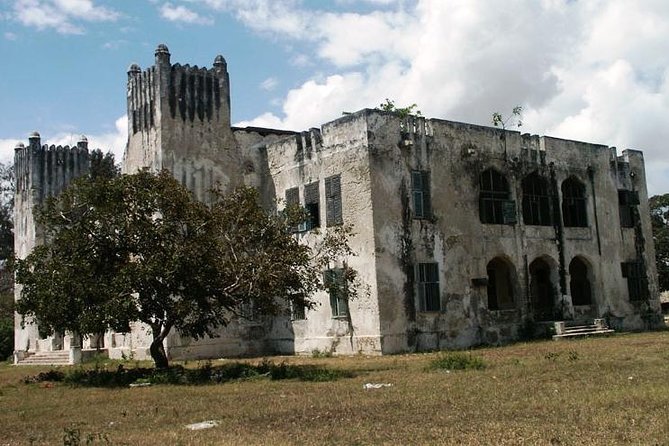
The museum stop is your anchor. It sets context for what you’ll see later, including why Bagamoyo became such a significant coastal trading town and how different communities influenced the place. You’ll also get a sense of how German colonial rule and Christian missionary activity fit into the broader timeline, alongside the roles of Indian and Arab traders.
What you’re aiming for here is not just names and dates. You want a framework for interpreting the town. When you later move around historical areas, you’ll know what kind of trade stories you should be listening for. In a place tied to caravan movement and coastal shipping, that framework turns random ruins and buildings into evidence.
Potential drawback: a museum stop can sometimes feel “stand and read” heavy. If you prefer hands-on learning, ask your guide to connect exhibits directly to what you’ll be walking toward next. That is one of the benefits of a private guide, you can steer the learning style.
Walking Bagamoyo’s Old Streets: Historical Buildings and the Slave Port Context
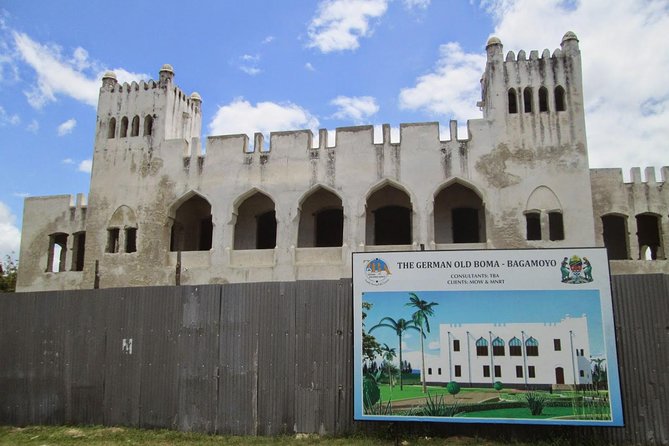
After the museum, the day becomes more physical. You’ll spend time exploring the historic buildings and the areas connected to Bagamoyo’s role as a slave port.
This part of the experience deserves a careful mindset. The subject matter is heavy, and you should expect that the guide will frame it as part of the town’s role in regional trade routes. The town’s position on routes linking the interior to the coast meant it became a link in a much bigger system.
You’ll also likely hear how multiple cultural influences overlapped here over time. In practical terms, that means the town does not tell one story. It tells a collision of commerce, migration, religion, and empire. That complexity is exactly why a guide is useful. Without interpretation, it can be easy to feel lost, especially when you are walking through areas that can look ordinary at first glance.
A small comfort for this section is that you’re not doing it alone. Your private guide is with you the whole time, and the walking is structured. You should feel free to ask questions as you go, especially if you want clarity on what you’re seeing and why it happened.
Kaole Coral Mosques: Coastal Faith and Centuries-Old Footprints
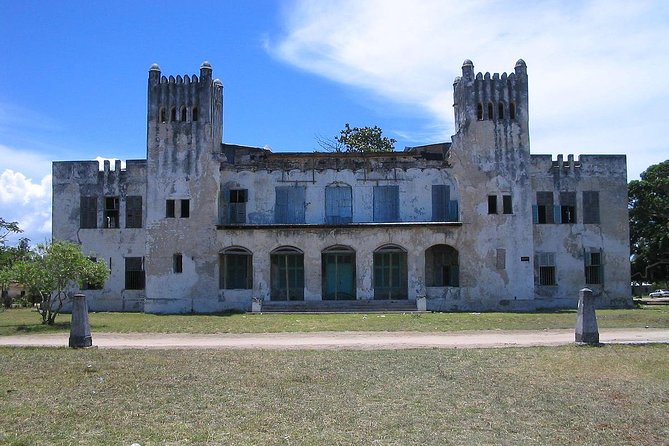
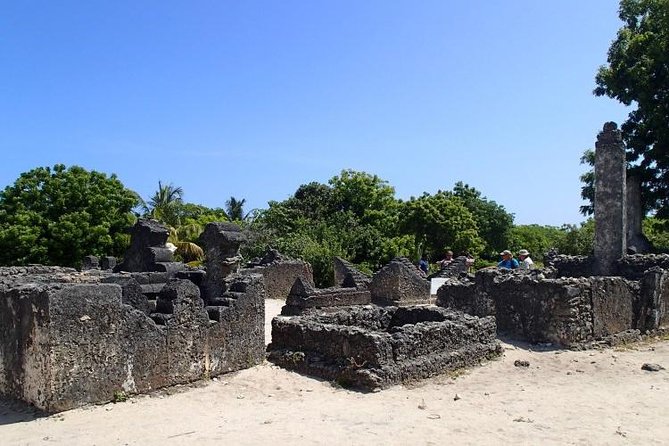
One of the highlights is a stop at the Coral Mosques at Kaole. Kaole is known for these distinctive coral stone structures, and it’s the kind of place where you can sense age just by how the buildings hold together.
This stop also comes with a timeline clue. The itinerary notes Graves dated to the 13th century in the Kaole area. That matters because it places the site’s story far beyond the late 19th century trading boom. You’re seeing continuity, not just one era.
What I find valuable about this part of the day is the contrast. You start with trade and port history, then you move toward a religious and cultural site on the coast. It helps the town feel complete. Bagamoyo is not only a chapter in commerce history. It is also a place where communities expressed faith and built lasting landmarks.
If you’re sensitive to long standing or hot weather, pace yourself here. You’ll be walking, and coral stone sites can be sun-heavy. Take your time with shade breaks when possible, and rely on your guide to help you navigate calmly.
The Great Wami River Stop: Linking Inland Routes to the Sea
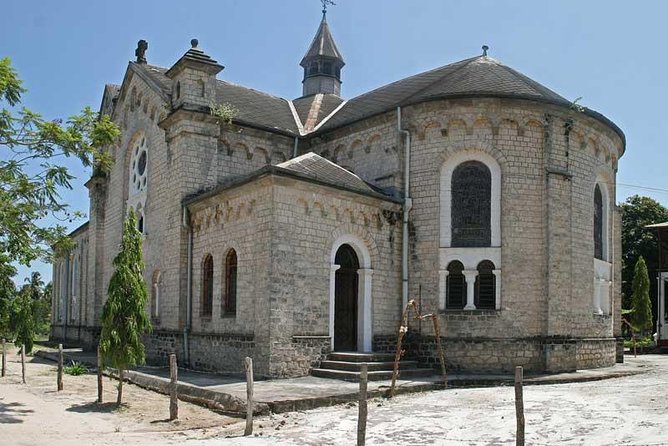
Another key stop is the old ferry at the Great Wami River. This is one of those moments where the story becomes spatial.
You’re not just hearing that trade routes connected inland areas to the coast. You are being shown a physical link in that network. The ferry reminder helps you understand how movement happened, what it meant to cross water as part of a trading chain, and why Bagamoyo’s coast mattered so much.
Also, you’ll hear reminders of the slave trade connected to these routes. This is not trivia time. It’s the “why here” portion of the day. If you came to Bagamoyo for context, this stop helps you leave with a more accurate mental map.
Potential drawback: if you’re expecting only dramatic ruins, you might find parts of the river area quieter than the town center. But quieter stops can be the ones that make the history feel real, because you can imagine the travel conditions and the decisions travelers faced.
Lunch in Tanzania: Fueling Up Without Breaking the Flow
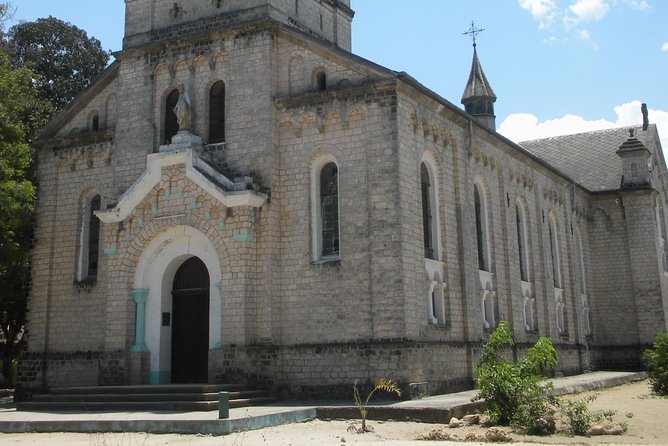
Lunch is included, and it’s planned at a local restaurant. That matters more than it sounds. The day moves quickly, and having lunch handled means you get a break without turning the trip into a search for food.
In one review, the restaurant was described as ok. That’s still useful information, because it suggests the meal likely does its job without stealing the show. If food is a huge priority for you, keep your expectations realistic. You’re there for history and place, not a food-focused itinerary.
A practical tip: if you’re the type who likes to go back out after eating, pace yourself. The best plan is to treat lunch as a reset button. You’ll still have more stops, then beach time to finish strong.
Beach Time at the End: A Necessary Reset After Heavy Topics
The itinerary ends with time to relax on the beach. I appreciate this design. After learning about trading goods and the slave port history, you need a moment that isn’t about trauma or logistics of empire.
Beach time also gives you a different lens on Bagamoyo. You can look at the coastline and think about the ships, the waiting, and the destination. It turns an abstract idea into a viewpoint.
If you’re a person who likes gentle downtime, this is the part you’ll probably enjoy most. If you prefer more history and less relaxation, keep in mind the day is intentionally balanced. The beach finish prevents the trip from feeling like only a single mood.
Artisan Market Time: The One Extra You’ll Be Glad You Didn’t Skip
One of the practical tips that stood out is to look at the artisan market. Even if you only spend a little time there, it’s a chance to see Bagamoyo’s creative side beyond the historic sites.
This is also a good use of your energy. After walking and guided stops, you might want to browse rather than listen. If your guide offers time and the market is open, I’d treat it as worth it.
Try not to rush it. Artisan markets get better when you slow down enough to notice the crafts and ask what people make and why. You’ll likely get more meaningful answers when you are not in full stop-and-go mode.
What I’d Pack and How I’d Pace Yourself
You’re combining a private car day with walking on unpaved streets and multiple stops, plus outdoor sites and beach time.
I’d plan for heat and sun. Bring sunscreen, a hat, and comfortable shoes that handle uneven ground. A light layer can also help if you move between sun and shade often.
Hydration is partially covered, since bottled water is included. Still, I suggest you keep a rhythm of small water sips rather than chugging when you finally feel thirsty.
Finally, pace your questions. If you ask your guide a lot early, save a few for later stops when you connect new sights to the story you just learned. That’s how it all sticks.
Who This Trip Suits Best (And Who Might Feel It’s Too Much)
This is ideal for you if you want a history-first day with a private guide and you like walking through real places. It also suits you if you enjoy understanding how regional trade worked, including the link between inland routes and the coast.
You’ll likely enjoy it if you prefer learning that comes from conversation, not just reading. The experiences with Michael showed how effective Q and A can be while walking.
This might not be the best match if you want a relaxed, low-effort vacation day. The early start, long drive, and multiple stops mean it’s more structured than it sounds. Also, if you are uncomfortable with heavy historical topics, you should know the slave port context is part of the day.
The Bottom Line: Should You Book This Bagamoyo Day Trip?
I think you should book if you want an informed day that goes beyond typical coastal sightseeing. The best reason is the combination of a private guide and real walking through Bagamoyo’s historical areas, plus a guided look at Kaole coral mosques and the Wami River connection. The driver experience also matters, and Hamis is specifically mentioned for making the round trip smooth and easy.
I’d hesitate if you only have a narrow interest in history or if you hate early starts. At $280 per person, you’re paying for time, private attention, and transportation. If you’d rather spend that money on a slower beach-focused day, you might feel the trade-off.
If you do book, the smartest move is to go in with curiosity and comfortable shoes, and then let your guide steer the explanations as you walk. Bagamoyo rewards that approach.
FAQ
How long is the Bagamoyo day trip from Dar es Salaam?
The tour runs about 8 to 12 hours.
What time does the tour start?
The start time is 6:00 am.
Is lunch included?
Yes, lunch is included.
Is breakfast included?
No, breakfast is not included.
Is pickup offered?
Yes, pickup is offered, and the meeting point is near public transportation.
Is this a private tour?
Yes. It is a private tour, and only your group participates.
Is museum admission included?
Bagamoyo Museum admission is listed as free for that stop.
Dar es Salaam and Its Coast
- Dar es Salaam: City Tour
★ 4.7 · 159 reviews - Dar es Salaam City Center: Walking Tour
★ 4.8 · 102 reviews - Dar es Salaam City Tour – Everyday
★ 5.0 · 64 reviews - 2 Days 1 Night Mikumi National Park from Dar es salaam
★ 5.0 · 60 reviews - The Best/Top Rated Cultural City Tour in Dar es Salaam
★ 5.0 · 57 reviews
Just added from around Dar es Salaam






Dar es Salaam City and Coastal Escapes, compared.
 ★ 4.7Dar es Salaam: City TourFrom $77159 reviews
 ★ 4.8Dar es Salaam City Center: Walking TourFrom $30102 reviews
 ★ 5.0Dar es Salaam City Tour – EverydayFrom $9764 reviews
 ★ 5.02 Days 1 Night Mikumi National Park from Dar es salaamFrom $67060 reviews
 ★ 5.0The Best/Top Rated Cultural City Tour in Dar es SalaamFrom $9057 reviews
 ★ 5.0Private Full-Day Trip to Mikumi National Park from Dar es SalaamFrom $55054 reviews
 ★ 5.0Dar Es Salaam City Tour (Full Day With Private Guide And Car)From $14539 reviews
 ★ 4.5Full-Day Private Tour of Dar es SalaamFrom $16037 reviews
Browse the lists this tour appears in