
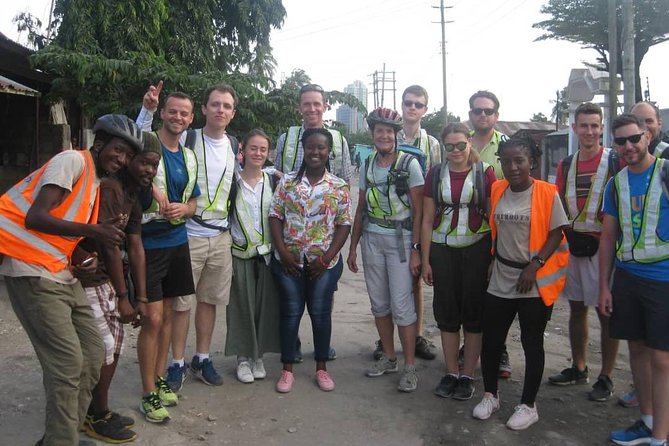
REVIEW · DAR ES SALAAM CITY AND COASTAL ESCAPES
Dar es salaam Reality Tour
A real street-level look at Dar es Salaam.
This half-day reality tour is built for seeing how people actually earn, cook, shop, and get by, not just snapping photos from the curb. I like the fact you’ll visit small local businesses, including a coffee maker, a Swahili breakfast stop, a traditional medicine place, and a khanga shop, with bajaj or bicycles for getting around fast. One thing to keep in mind: there’s at least one reported problem with the tour showing up, so I strongly suggest you confirm close to departure and keep your booking details handy.
I also like the pacing. At about 5 hours total, you get a focused hit of everyday life, then you’re free for the rest of your day in Dar es Salaam. That matters here, because the city can feel spread out, and “half a day” is usually the sweet spot for a first-time visitor.
Finally, this tour leans practical. It’s meant for people who enjoy asking questions, watching how things work, and learning the why behind local routines, even when it feels different from home.
In This Review
- Key things you’ll notice on this Dar es Salaam reality tour
- Entering Dar es Salaam for real, not as a checklist
- Getting moving with bajaj or bicycle
- Coffee maker stop: where a simple drink becomes income
- Swahili breakfast stop: tasting the day start the local way
- Traditional medicine visit: ask respectfully, keep an open mind
- Khanga shop: understanding everyday Tanzanian style
- Drinks on board: what you should confirm
- Price and value for a 5-hour reality window
- Meeting point, start time, and how to plan your morning
- Group size, tickets, and what to bring
- The one caution that matters: tour reliability
- Should you book the Dar es Salaam Reality Tour?
Key things you’ll notice on this Dar es Salaam reality tour
- Local work first, tourist sights second, with stops tied to everyday income and community services
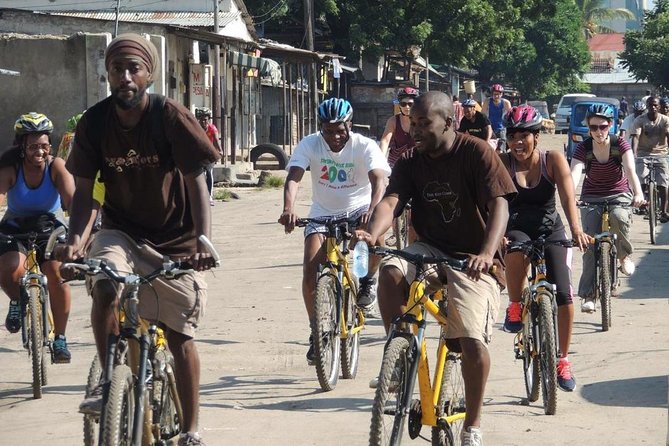
- Bajaj or bicycle transportation, so you cover ground without lingering in traffic
- Real-life timing, short enough to still enjoy your own plans before or after
- Small group cap of 30, which helps keep the vibe personal
- Drinks are included, but alcohol inclusion is unclear, so confirm what you’ll get
- Coffee, Swahili breakfast, traditional medicine, and khanga, four stops with very different local angles
More around Dar es Salaam and its islands
- Dar es Salaam: City Tour★ 4.7 · 159 reviews
- Dar es Salaam City Center: Walking Tour★ 4.8 · 102 reviews
- Dar es Salaam City Tour – Everyday★ 5.0 · 64 reviews
- 2 Days 1 Night Mikumi National Park from Dar es salaam★ 5.0 · 60 reviews
Entering Dar es Salaam for real, not as a checklist
This tour is built around the idea that Dar es Salaam is best understood through daily life. You’re not just touring buildings. You’re moving through areas where people work, trade, and support one another across different socio-economic backgrounds.
That’s the big value: you leave with context. You start to see how the city’s rhythms connect, from a coffee stall that doubles as a livelihood, to breakfast prepared in the local style, to shops selling khanga fabric that’s part fashion and part cultural signal. It’s the kind of route that helps you read the city better after the tour, not just during it.
The “reality tour” label can sound vague in other cities. Here, the stop list is specific, which makes it feel grounded. Even if you’re not into shopping or food, watching people at work and learning what each place does gives you that on-the-ground understanding you can’t get from a generic city loop.
Getting moving with bajaj or bicycle
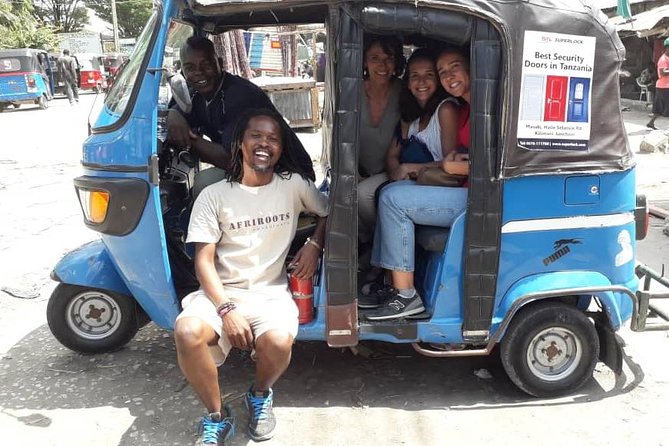
The transport is included: bicycle or bajaj. That detail matters more than it might sound, because how you move changes what you notice. On a bicycle or bajaj, you tend to see streets closer up, catch small storefront details, and spot the everyday activity you’d miss from a car window.
It’s also good for your energy level. With a half-day format and included transport, you avoid the mental load of figuring out local rides block by block. Dar es Salaam is easier when your plan already accounts for movement.
One practical note: you’ll want to wear comfortable shoes and plan for sun and street dust. Even when the tour is short, walking at stops adds up. Bring water, even though drinks are included, because it’s Tanzania and mornings can heat up.
Coffee maker stop: where a simple drink becomes income
The first meaningful stop is a coffee maker who sells coffee as their way of earning income. This is one of those visits that’s easy to miss on a normal sightseeing day. Here, it’s central.
Why it’s worth your attention: coffee in a street business setting is about routine, not performance. You can expect to see how the work is organized and how customers fit into the flow of the day. It also gives you a cleaner understanding of local micro-businesses. A coffee stand isn’t just a stop for a drink, it’s a window into how many people in the city build stability.
If you like practical cultural learning, this stop is a win. Ask questions about how the coffee is prepared or what customers order most. Even basic conversation can make the experience feel personal and respectful, rather than like you’re observing from a distance.
Swahili breakfast stop: tasting the day start the local way
Next you’ll go to a place where they make Swahili breakfast. Breakfast can sound like a quick snack, but it’s often the most honest snapshot of everyday life, because it’s where locals check in before work and errands.
What to watch for: the rhythm of preparation and how the food is served. With a tour like this, the goal isn’t just taste. It’s understanding what breakfast means locally and how a community’s food habits reflect daily schedules.
One thing to be clear on: food is listed as not included. That doesn’t ruin the stop, but it changes your expectations. You can still observe and learn, and if you want to try something, you’ll likely need to pay yourself depending on what the business offers.
Traditional medicine visit: ask respectfully, keep an open mind
Then comes a local traditional medicine place. This is a culturally sensitive stop, and the best way to handle it is with curiosity and respect. Traditional medicine is often tied to knowledge passed through families or community practice, and people may explain it differently than Western health models.
You’ll likely spend time seeing products and learning about what’s sold or prepared there. Since the tour is focused on real life across different socio-economic backgrounds, this stop adds an important piece: health and wellness can be community-based, not only clinic-based.
If you’re health-focused, keep it practical. You can ask what items are used for and how people decide what to try. If you’re offered anything, just remember that this is a cultural visit, not a medical consultation. Your comfort level matters most.
Khanga shop: understanding everyday Tanzanian style
Finally, you’ll visit a khanga shop. Khanga fabric is more than clothing. It often carries meaning in patterns, colors, and how it’s worn. On a reality tour, this type of stop is valuable because it shows how identity and culture live in everyday objects.
What you can take from this stop:
- Why certain designs are popular
- How fabric is sold and chosen
- What khanga means in daily life, from wrapping to wearing
This is also where you might find the best souvenirs if you’re into textiles. Since the tour itself does not state that food is included, you may end up spending most of your money at the stops that encourage purchases, especially fabric. If you want to keep the trip budget tight, set a souvenir limit before you start.
Drinks on board: what you should confirm
The tour includes drinks. The highlights also mention drinks including alcohol, but the provided details also list alcohol as not included. That contradiction matters.
So here’s the practical move: before you go, confirm what drinks are included and whether alcoholic drinks are truly part of the package for your booking. If you skip this, you could end up disappointed.
Either way, drinks help make the tour feel more relaxed. With a morning start at 8:00 AM and about 5 hours total, the included drinks take the edge off fatigue. Still, plan for hydration with your own water too.
Price and value for a 5-hour reality window
At $51.29 per person for about 5 hours, this tour sits in the value category for a guided half-day experience in Dar es Salaam. You’re not only paying for guidance. You’re paying for included transport (bicycle or bajaj), access to multiple local businesses, and included drinks.
The “value” angle is the mix of stops. Coffee, Swahili breakfast, traditional medicine, and khanga is a smart spread. It gives you more than one theme, so even if you’re not into one stop, another one should click.
The cost is also easier to justify because the tour returns to the meeting point. You’re not left arranging your own route afterward, which reduces overall hassle. The half-day format is a big plus for first-timers too, because it fits around other activities without forcing a full-day commitment.
Meeting point, start time, and how to plan your morning
You start at Kijiji cha Makumbusho / Village Museum, Mikocheni (Mikocheni 66FW+WG8) at 8:00 AM, and the tour ends back at the same meeting point.
This is helpful for planning. You can treat the tour as a morning block, then use the afternoon for the city’s bigger sights or for a low-key beach plan depending on your interests. Since your return is built in, you can plan food and activities after without guessing transit.
Also, this starts fairly early. If you’re not a morning person, bring a little extra patience. Early tours work best when you arrive calmly, not rushed.
Group size, tickets, and what to bring
The group has a maximum of 30 travelers, which is on the larger side for “small group,” but usually still manageable for a half-day street tour. The main advantage of 30 or fewer is that you’re less likely to feel like a number in a long line.
You’ll use a mobile ticket, and confirmation is received at booking time. That reduces last-minute uncertainty, but still, it’s wise to have your confirmation visible on your phone.
What to bring:
- Comfortable shoes for short walks at each business stop
- Sun protection (cap, sunglasses, sunscreen) since you’ll be out in the city
- A small budget for anything you want to purchase, like khanga fabric
- A layer for morning air if you’re sensitive to temperature shifts
The one caution that matters: tour reliability
A key drawback shows up in the available feedback: there’s at least one report of the agency being hard to contact for reconfirmation, followed by the tour not showing up and a refund not arriving quickly enough.
I’m not saying this is how every tour goes. But I am saying you should treat reliability as a serious factor before you walk out the door.
My practical advice:
- Recheck your booking details the day before
- If the provider offers a contact method, use it to confirm timing
- Arrive a little early at the meeting point so you’re not stuck waiting
- Keep screenshots of your confirmation and payment
That way, even if anything goes sideways, you’re prepared.
Should you book the Dar es Salaam Reality Tour?
Book it if you want Dar es Salaam through real daily moments, not only scenic stops. I think it fits best for first-time visitors who like to understand how local life works, and for people who enjoy small interactions at local businesses, from a coffee maker to a khanga shop. The half-day timing is also ideal when you want flexibility.
Skip it or approach with extra caution if you’re relying on a tight schedule and you can’t tolerate potential hiccups. The reported no-show and refund struggle is the main red flag in the information you have. If you’re the type who needs maximum certainty, confirm extra hard, keep proof of booking ready, and have a Plan B for later in the day.
If you do book, you’ll probably get the most out of it by showing up curious, asking respectful questions, and treating it like a guided walk through local work and culture rather than a rapid-fire photo tour.
Dar es Salaam and Its Coast
- Dar es Salaam: City Tour
★ 4.7 · 159 reviews - Dar es Salaam City Center: Walking Tour
★ 4.8 · 102 reviews - Dar es Salaam City Tour – Everyday
★ 5.0 · 64 reviews - 2 Days 1 Night Mikumi National Park from Dar es salaam
★ 5.0 · 60 reviews - The Best/Top Rated Cultural City Tour in Dar es Salaam
★ 5.0 · 57 reviews
Just added from around Dar es Salaam





Dar es Salaam City and Coastal Escapes, compared.
 ★ 4.7Dar es Salaam: City TourFrom $77159 reviews
 ★ 4.8Dar es Salaam City Center: Walking TourFrom $30102 reviews
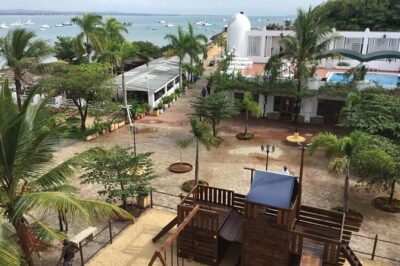 ★ 5.0Dar es Salaam City Tour – EverydayFrom $9764 reviews
 ★ 5.02 Days 1 Night Mikumi National Park from Dar es salaamFrom $67060 reviews
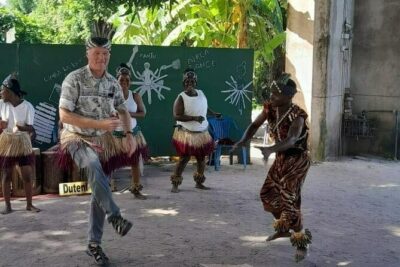 ★ 5.0The Best/Top Rated Cultural City Tour in Dar es SalaamFrom $9057 reviews
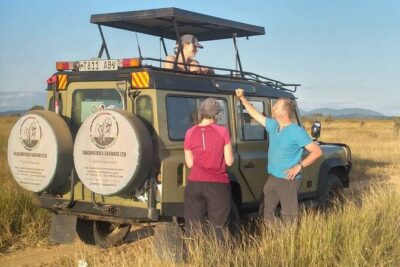 ★ 5.0Private Full-Day Trip to Mikumi National Park from Dar es SalaamFrom $55054 reviews
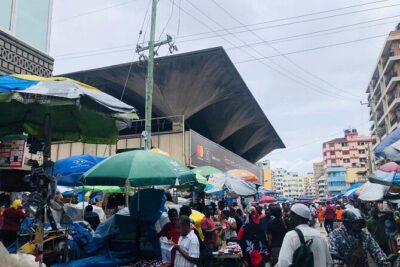 ★ 5.0Dar Es Salaam City Tour (Full Day With Private Guide And Car)From $14539 reviews
 ★ 4.5Full-Day Private Tour of Dar es SalaamFrom $16037 reviews
Browse the lists this tour appears in