
REVIEW · DAR ES SALAAM CITY AND COASTAL ESCAPES
Dar es Salaam: Experience the real Dar es Salaam (City Tour)
Markets and cathedrals in one day. I really like how Saed uses each stop to connect street life with Tanzania’s bigger story, from Kariakoo Market to the waterfront. Two standouts for me are the hands-on feel of the markets and the way the guide turns everyday sights into clear, human explanations. One thing to plan around: the fish market can be wet, so your shoes matter more than you’d expect.
This is a practical, private day outing built for first-timers and return visitors alike. You get an air-conditioned vehicle, WiFi on board, bottled water, and a route that mixes shopping, history, and sea views without feeling rushed in theory, even though you will be on the move for most of the day.
In This Review
- Key highlights to know before you go
- Dar es Salaam, up close, not from a brochure
- Pickup points and what a private tour changes
- Kariakoo Market: the first reality check of the day
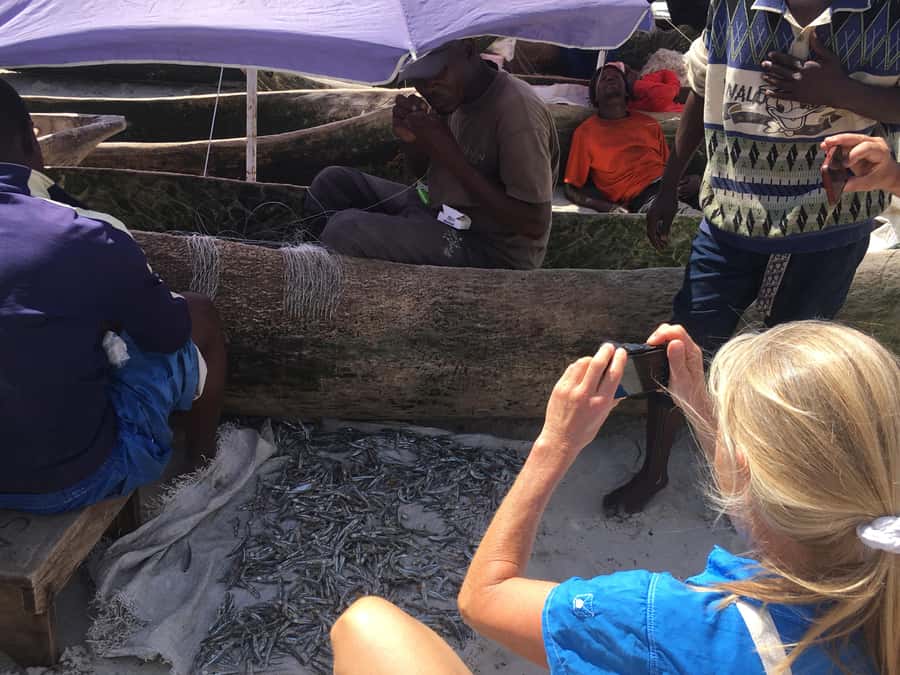
- Kivukoni Fish Market: wet ground, loud energy, real trade
- Along the waterfront: harbor views and traditional dhows
- Askari Monument and St. Joseph’s Cathedral (Azania Front area)
- National Museum and House of Culture: what museums can and cannot do
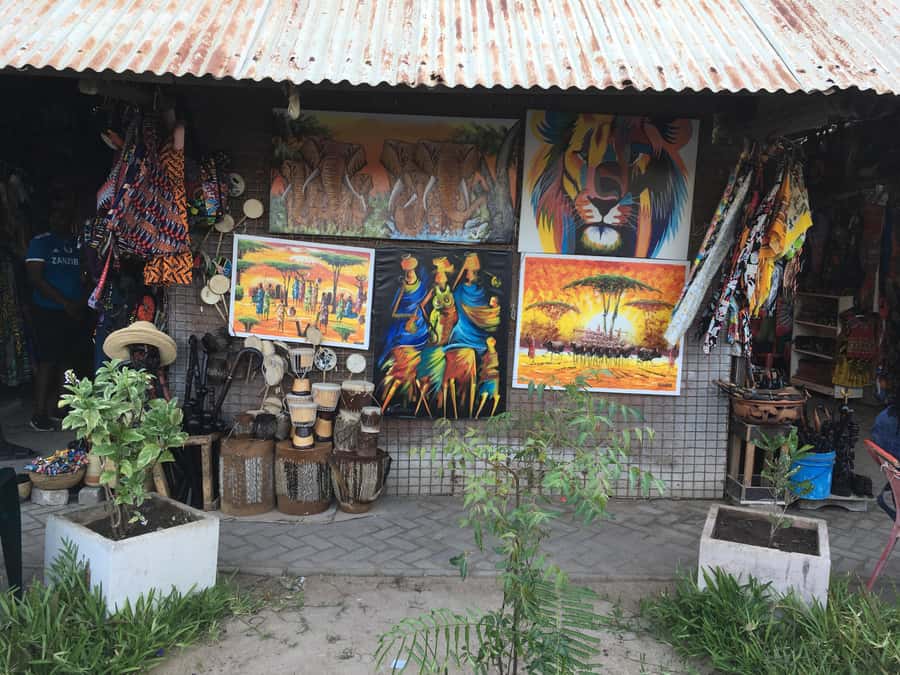
- Tinga Tinga Arts Cooperative Society: craft with personality
- Mwenge Woodcarvers Market: shopping, but with makers in mind
- Makumbusho Village Museum: the day’s cultural pause
- Sunset time at the Slipway: when the city turns into sea air
- Price and value for an 8-hour private Dar tour
- Who should book this tour
- Should you book the Dar es Salaam Experience the real Dar es Salaam City Tour?
- FAQ
- How long is the Dar es Salaam city tour?
- What does the tour cost?
- Is this tour private, and what languages does the guide speak?
- Where can I get picked up, and where will I be dropped off?
- What is included in the price?
- What should I bring or wear, especially for the fish market?
- Which places are on the tour route?
Key highlights to know before you go
- Private, first-name guidance with Saed (English or Swahili), so you get context instead of just photos
- Kariakoo Market and Kivukoni Fish Market for real trade, real routines, and real questions
- National Museum and House of Culture + Makumbusho Village Museum for how the country explains itself
- Askari Monument and St. Joseph’s Cathedral (Azania Front area) for colonial-era architecture and memory
- Mwenge Woodcarvers + Tinga Tinga Arts Cooperative Society for crafts that actually have a maker behind them
- Slipway waterfront to wrap the day with sea air and an easy place to snack
More around Dar es Salaam and its islands
- Dar es Salaam: City Tour★ 4.7 · 159 reviews
- Dar es Salaam City Center: Walking Tour★ 4.8 · 102 reviews
- Dar es Salaam City Tour – Everyday★ 5.0 · 64 reviews
- 2 Days 1 Night Mikumi National Park from Dar es salaam★ 5.0 · 60 reviews
Dar es Salaam, up close, not from a brochure
Dar es Salaam is one of those cities where you learn fast. Big views matter, but what really sticks is the street level rhythm: people buying, selling, cooking, praying, building, arguing, laughing. This tour leans into that. It gives you a structured route through the city’s key districts so you do not waste your first day guessing where to go and how to interpret what you see.
The best part for me is the human layer. With Saed guiding, you do not just walk past landmarks and markets. You learn why these places work the way they do and what they mean for daily life. That is also why this tour is especially good if it is your first day in Tanzania, when everything feels new and you want a safe, informed starting point.
And yes, you will cover a lot. It is an 8-hour city tour with multiple stops, including markets, museums, a cathedral area, monuments, and time near the ocean. Wear sun protection and plan for short walking bursts between locations.
Pickup points and what a private tour changes
Your pickup options are convenient if your schedule is already fixed: Julius Nyerere International Airport, the Hyatt Regency Dar es Salaam, or The Kilimanjaro, plus pickup in Dar es Salaam accommodations. If you are coming from the airport, you meet at the arrivals lounge. For hotels, you meet in the lobby area.
Because it is a private group, the pace can fit you. You can ask questions without worrying about slowing down a larger group, and your guide can adjust based on how you are doing in the heat. You also stay comfortable between stops in an air-conditioned vehicle, with bottled water included.
This matters more than it sounds. Dar’s street life is part of the attraction, but the sun and traffic can drain you. Having a vehicle, plus WiFi on board, makes it easier to keep your day organized and your energy stable.
Kariakoo Market: the first reality check of the day
Kariakoo Market is one of the best starting points because it immediately sets the tone. You step into a place where commerce is the main language. Colorful stalls, heavy foot traffic, lots of moving pieces, and you can almost feel the city’s pulse.
I like using Kariakoo as a first stop because it teaches you how to read the city. Saed can point out patterns you would miss on your own, like how traders structure their day and how people navigate the crowd. You also get a quick sense of what shoppers value, from everyday goods to more specialized items.
Practical tip: come with curiosity, not expectations. Do not go in searching for a single perfect souvenir. Instead, go in looking for how the market works and what you can learn from it. If you feel overwhelmed, that is normal at first. Take your time, and keep following your guide’s lead.

Kivukoni Fish Market: wet ground, loud energy, real trade
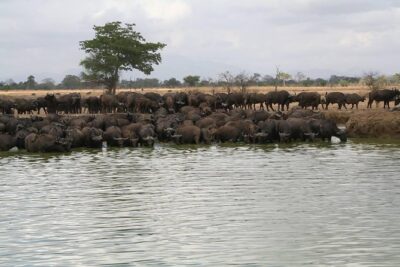
If Kariakoo is commerce, Kivukoni Fish Market is trade in its most physical form. Fishermen and buyers gather with daily rhythm, and the scene can feel intense. One of the most useful things here is how your guide explains what you are seeing without turning it into a scary story.
In my opinion, the best way to enjoy a fish market is to treat it like a workplace, not a spectacle. You will notice the water on the ground, the ongoing handling of fish, and the way people talk and move while doing business. This is where having a local guide matters most, because your questions come fast.
Key practical caution: the surface is usually very wet. Bring shoes you can safely walk in. Avoid slippers. If you want to photograph, keep your footing in mind first. The ground is part of the story here, not just a hazard.
Along the waterfront: harbor views and traditional dhows
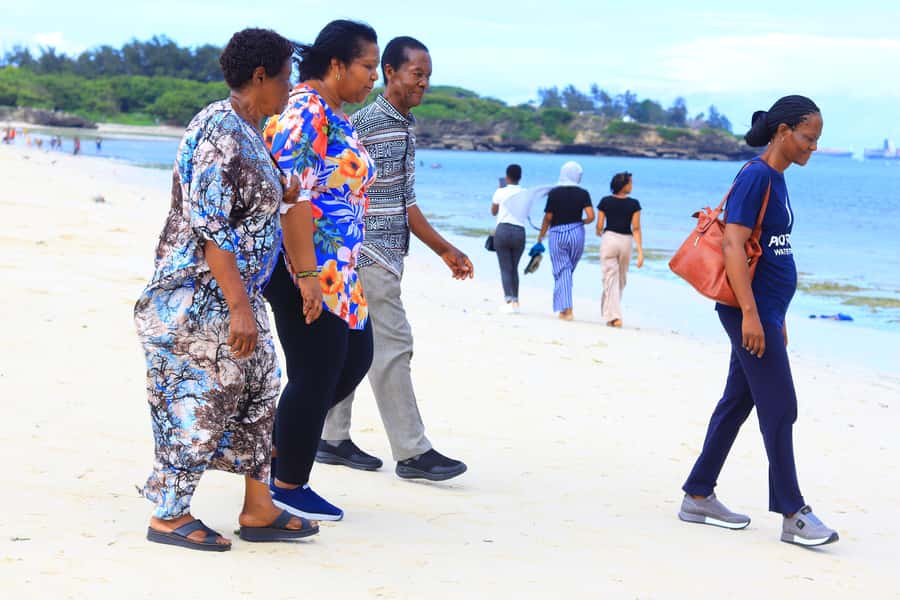
After the market intensity, you get a breather: a walk along the waterfront. This is where Dar slows your breathing without turning the day into a sightseeing-only loop.
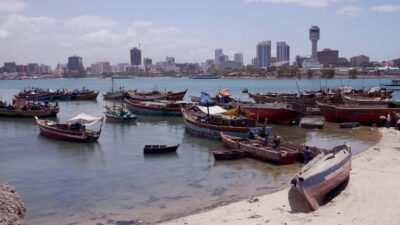
You will see the harbor and the traditional dhow boats, which helps you understand the city’s coastal identity. It is also a good moment to reset your mind and connect earlier stops to why this city grew where it did. Markets and fishing are not separate topics. They are connected to the sea.
If you like photos, this segment is usually rewarding. Keep your camera or phone ready, but also remember the goal is understanding, not just collecting images.
Askari Monument and St. Joseph’s Cathedral (Azania Front area)
Two stops give you a different kind of Dar: memory and architecture.
The Askari Monument is a visible reminder of conflict and colonial-era presence. It is not only about the structure itself. It is about what monuments do, how they mark time, and why people relate to them in their own ways.
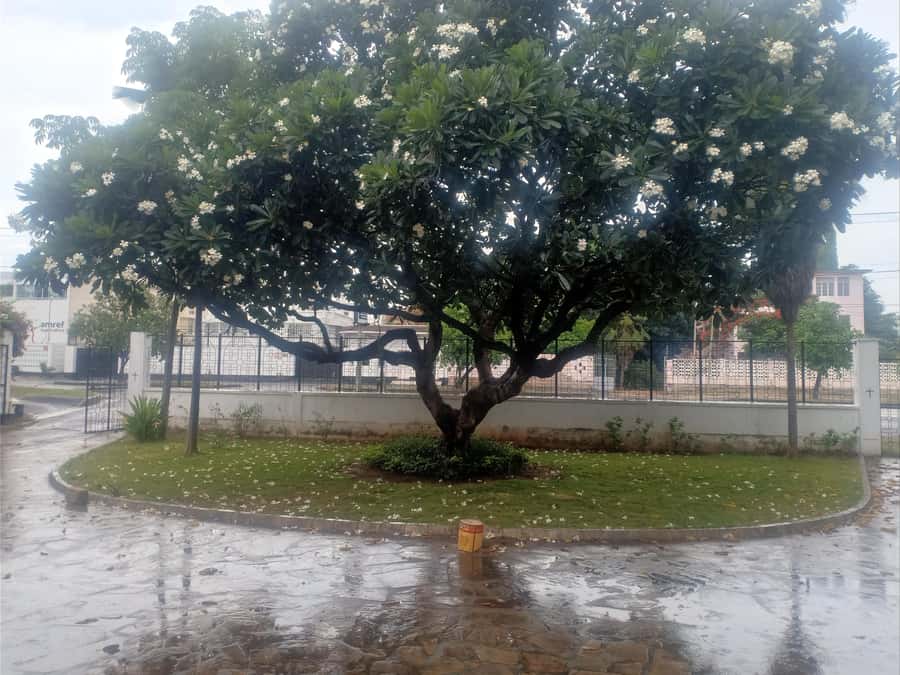
Then you move to the cathedral area, listed as Azania Front Cathedral, and also described as St. Joseph’s Cathedral. The point here is not to rank religious buildings or compare them to home. It is to see how faith spaces and colonial design influenced the city’s look and layout.
I like these stops because they balance the day. Markets show you daily life. Monuments and cathedrals show you what people chose to remember, and how those decisions shaped public space.
National Museum and House of Culture: what museums can and cannot do
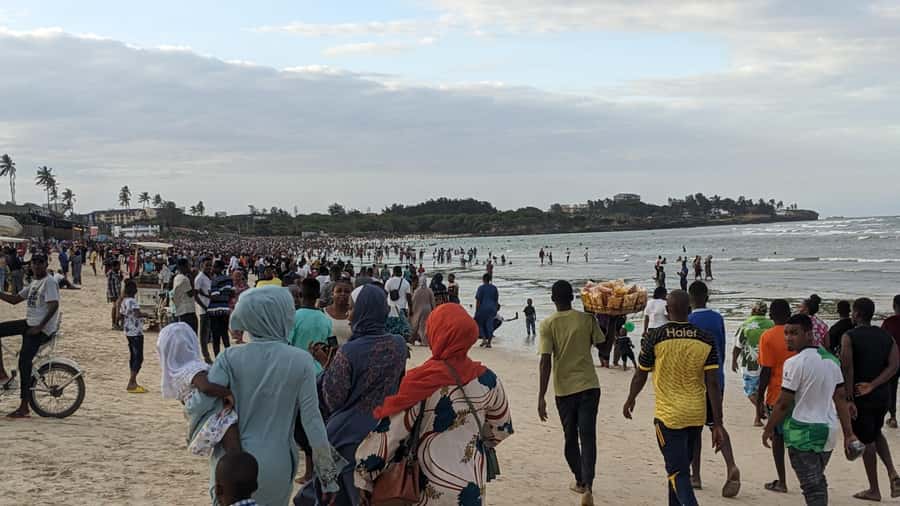
The National Museum and House of Culture is a strong anchor stop because it gives you background while your day is still fresh in your mind. You will see exhibits connected to Tanzania’s past through art, history, and archaeology.
Now, a fair warning. Museums have limits, and not every museum can tell every part of a nation’s story in the way visitors might hope. In particular, your guide can explain why certain narratives are harder to present, and that context is part of the value.
One detail that really makes this stop click is how Saed talks about how older memorials are maintained, including why a WWI memorial has not been updated since 1924. Even if you are not a museum expert, that kind of explanation helps you interpret what you are seeing and what might be missing.
Practical tip: if you tend to rush museums, slow down just a little here. You are building a foundation for the rest of the day.
Tinga Tinga Arts Cooperative Society: craft with personality
Tinga Tinga is one of the best places to buy something that feels like Tanzania, not like generic tourist art. This stop is an arts and crafts market visit, and it is a chance to meet the idea of Tinga Tinga art as something made by people, not produced for export only.
Even if you are not planning to spend heavily, browse with intention. Ask questions about the style, what themes mean, and how the cooperative supports artists. That is where a local guide helps you avoid paying more just because you do not know what you are looking at.
If you want a souvenir that tells a story, this is a good candidate. If you want a simple postcard gift, that is also possible, just be ready to compare options.
Mwenge Woodcarvers Market: shopping, but with makers in mind
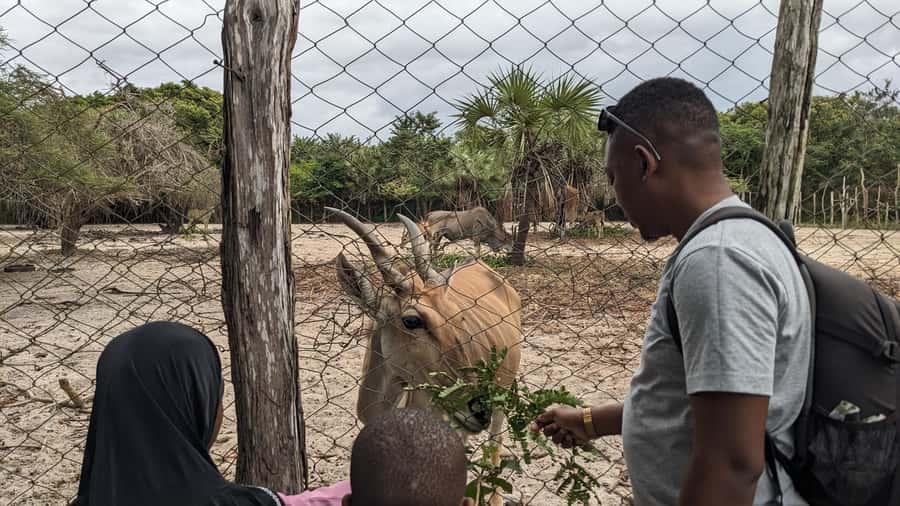
Next comes woodcarving, at Mwenge Woodcarvers Market. This is where you can slow down. Look closely at details. You will see hand-carved art and a range of crafts that reflect different skills and styles.
What makes this stop worth it is the connection to making. Dar’s craft markets are not only about buying; they are about understanding who makes what and why. When your guide frames the market like a working creative space, you will shop differently. Instead of grabbing the first thing you like, you look for craftsmanship and ask how the pieces are made.
If you are price sensitive, treat it like any market negotiation. Take your time, compare similar items, and do not feel pressured.
Makumbusho Village Museum: the day’s cultural pause
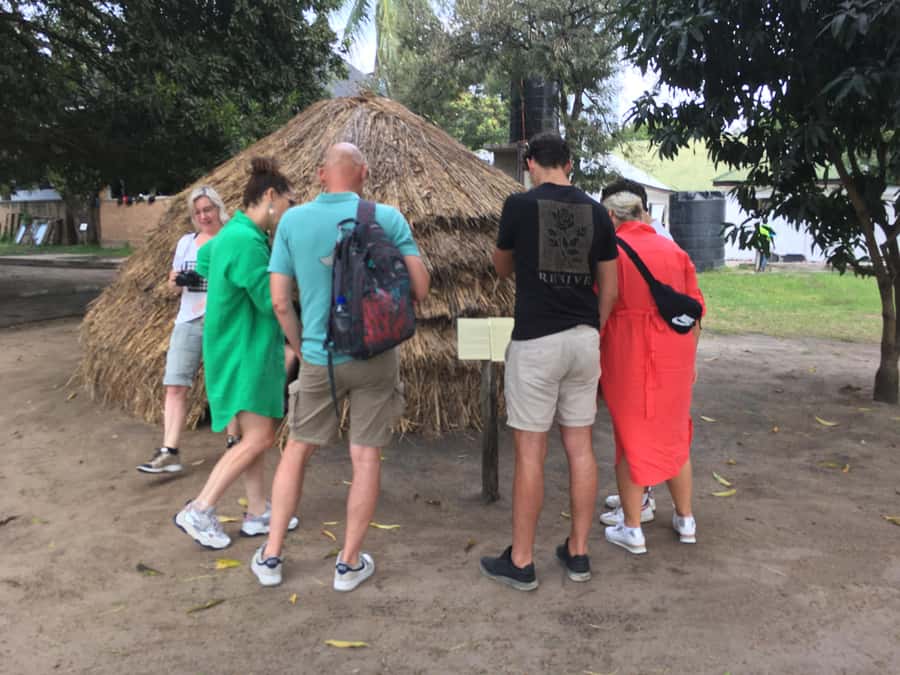
Makumbusho Village Museum is a chance to step away from the city’s busiest corridors and focus on cultural representation. It is a guided visit that lasts about 1.5 hours on the schedule you are following.
For me, this stop works because it breaks up the day. After markets and monuments, you get a more spaced-out setting where you can process what the city has been telling you all morning.
Do not expect it to be identical to museums at home. Expect something more experiential, meant to communicate tradition and daily living patterns through the setting and presentation.
Sunset time at the Slipway: when the city turns into sea air
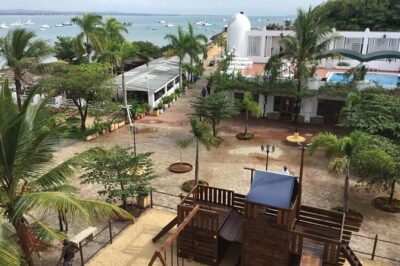
Your tour ends near the ocean at the Slipway shopping and dining complex. This is a practical finish. You get a place to relax, reflect, and pick up a snack or drink without having to plan another transport step.
Slipway is also where the day’s theme comes full circle. If you have been thinking about trade, fishing, and the harbor, the waterfront vibe makes it easier to connect the dots. It is not only scenery. It is the city’s coastline identity in a place designed for lingering.
Price and value for an 8-hour private Dar tour
At $99 per person for an 8-hour private experience, the value comes from the mix and the guide. You are not just getting a ride to one attraction. You are getting a structured route that covers multiple markets, two museum stops, a monument, a cathedral area, craft markets, and a waterfront finish.
Also, the inclusions matter. Air-conditioned vehicle time, WiFi on board, private transportation, and bottled water reduce friction. The guide’s explanations are the real “cost saver,” because they help you spend time more intelligently: where to look, what to ask, and how to interpret what you are seeing.
If you are traveling with someone and want shared value without group constraints, the private group format is a plus. If you are traveling solo, it can still be worthwhile because you get personalized guidance rather than waiting for a bigger itinerary to match everyone’s pace.
Who should book this tour
This is a great fit if:
- you want a first-day orientation so your photos and questions make sense later
- you like markets but want help navigating what you are seeing
- you want both street life and major landmarks in one day
- you appreciate crafts and want a chance to buy thoughtfully, not randomly
It might not be your best fit if you hate busy walking days, dislike wet ground environments, or want a slow, museum-only schedule. You will be moving for most of the tour.
Should you book the Dar es Salaam Experience the real Dar es Salaam City Tour?
I’d book it if you want to get your bearings fast and feel like Dar is making sense by the end of the day. Saed’s guidance is a major reason people love this route, and the itinerary gives you enough variety to avoid the usual one-spot tourist trap.
Do it with the right footwear, sun protection, and the mindset that markets are part of daily work, not just photo backdrops. If you want a day that mixes practical city learning with real atmosphere, this is a strong choice.
FAQ
How long is the Dar es Salaam city tour?
The tour duration is 8 hours.
What does the tour cost?
The price is $99 per person.
Is this tour private, and what languages does the guide speak?
It is a private group tour, and the live guide speaks English and Swahili.
Where can I get picked up, and where will I be dropped off?
Pickup and drop-off are offered at three locations: Julius Nyerere International Airport, Dar es Salaam, Hyatt Regency Dar es Salaam, and The Kilimanjaro. If you are at the airport, the meeting point is the arrivals lounge, and if you are staying at a hotel, the guide meets in your accommodation lobby.
What is included in the price?
Included are an air-conditioned vehicle, WiFi on board, private transportation, and bottled water.
What should I bring or wear, especially for the fish market?
Bring sunscreen. For the fish market, the surface is usually very wet, so you should avoid wearing slippers.
Which places are on the tour route?
The route includes Kariakoo Market, the National Museum and House of Culture, a waterfront walk with harbor views and dhow boats, Askari Monument, St. Joseph’s Cathedral (Azania Front Cathedral area), Kivukoni Fish Market, Mwenge Woodcarvers Market, Tinga Tinga Arts Cooperative Society, Makumbusho Village Museum, and finishes at Slipway shopping and dining on the coast.
Dar es Salaam and Its Coast
- Dar es Salaam: City Tour
★ 4.7 · 159 reviews - Dar es Salaam City Center: Walking Tour
★ 4.8 · 102 reviews - Dar es Salaam City Tour – Everyday
★ 5.0 · 64 reviews - 2 Days 1 Night Mikumi National Park from Dar es salaam
★ 5.0 · 60 reviews - The Best/Top Rated Cultural City Tour in Dar es Salaam
★ 5.0 · 57 reviews
Just added from around Dar Es Salaam





Dar es Salaam City and Coastal Escapes, compared.
 ★ 4.7Dar es Salaam: City TourFrom $77159 reviews
 ★ 4.8Dar es Salaam City Center: Walking TourFrom $30102 reviews
 ★ 5.0Dar es Salaam City Tour – EverydayFrom $9764 reviews
 ★ 5.02 Days 1 Night Mikumi National Park from Dar es salaamFrom $67060 reviews
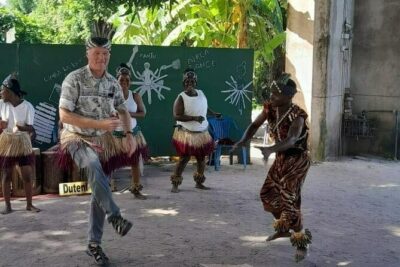 ★ 5.0The Best/Top Rated Cultural City Tour in Dar es SalaamFrom $9057 reviews
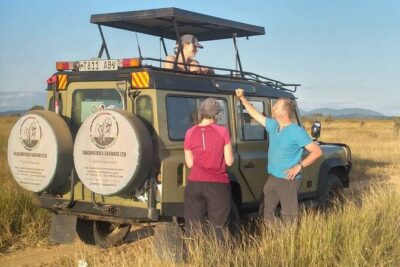 ★ 5.0Private Full-Day Trip to Mikumi National Park from Dar es SalaamFrom $55054 reviews
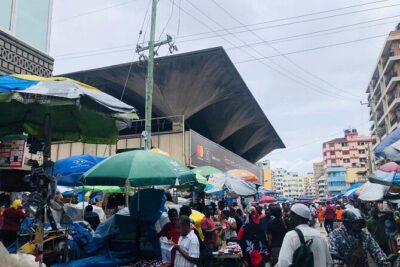 ★ 5.0Dar Es Salaam City Tour (Full Day With Private Guide And Car)From $14539 reviews
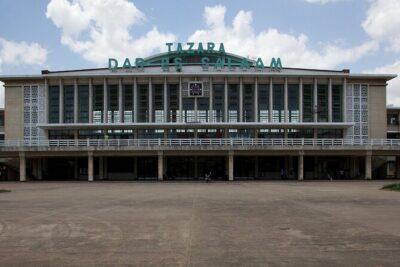 ★ 4.5Full-Day Private Tour of Dar es SalaamFrom $16037 reviews
Browse the lists this tour appears in