

REVIEW · DAR ES SALAAM CITY AND COASTAL ESCAPES
Dar es Salaam City Walking tour – Explore the Life of the Local People!
Dar es Salaam reveals itself on foot. This private city walk pairs big landmarks with everyday street scenes, so you quickly understand how the city works. I especially like the National Museum of Tanzania stop for context, and I like the Kariakoo Bazaar portion for how local life shows up in real time. One consideration: the heat can be intense, and one guest specifically noted it can feel hard for Northern Europeans.
I also like that the pace is practical, not just sightseeing. You’ll cover a compact radius and use public transport, led by Aloys E Malekela, who comes across as friendly and quick to explain what you’re seeing. You’ll also use a mobile ticket, which keeps things simple when you meet up. Just remember: you will not have lunch included, so plan your timing accordingly.
In This Review
- Key things that make this tour worth your time
- Why this half-day walking and bus route works
- Getting your bearings around Dar es Salaam’s story
- National Museum of Tanzania: the history stop that sets the tone
- Fish Market: a short stop with big sensory impact
- Sultan Majjid Building and Missionaries House for the city’s older layers
- St Joseph Church and Azania front Church: a focused church circuit
- Kariakoo Bazaar: where the local rhythm shows up fast
- Mwenge Curio Shops: a practical shopping wrap-up
- Price and value: what your $100 covers
- Heat and comfort: the one practical challenge to plan for
- Who should book this tour, and who may want a different one
- Should you book the Dar es Salaam City walking tour?
- FAQ
- How long is the Dar es Salaam City walking tour?
- What is the price per person?
- Is lunch included in the tour price?
- Does the tour include public transport?
- Is the tour private?
- Is admission to the National Museum included?
- Is free cancellation available?
Key things that make this tour worth your time
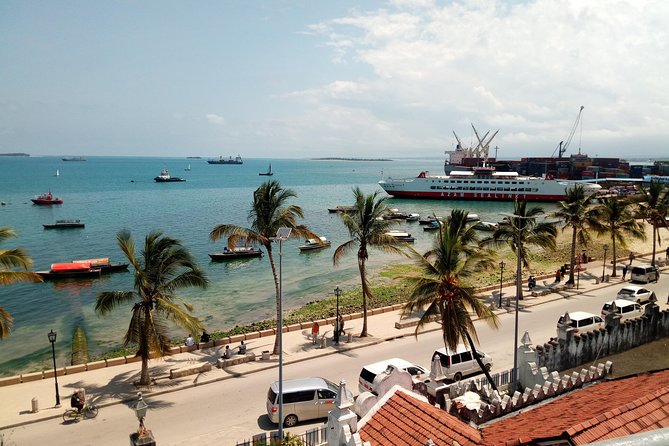
- National Museum framing: a 1 hour stop that gives you a base for everything you see next
- Public transport included: you get the feel of commuting, not only walking
- Churches in sequence: St Joseph Church and Azania front Church help you read the city’s layers
- Kariakoo Market time: a focused 30 minutes to see the energy and local shopping rhythm
- Fish Market reality check: short and intense, and it can be smelly
- Mwenge curio shopping ending: a natural close at the Mwenge shops area
More around Dar es Salaam and its islands
- Dar es Salaam: City Tour★ 4.7 · 159 reviews
- Dar es Salaam City Center: Walking Tour★ 4.8 · 102 reviews
- Dar es Salaam City Tour – Everyday★ 5.0 · 64 reviews
- 2 Days 1 Night Mikumi National Park from Dar es salaam★ 5.0 · 60 reviews
Why this half-day walking and bus route works
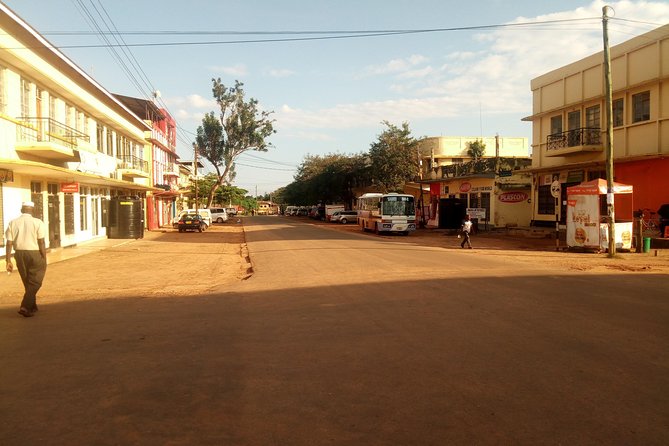
This tour is designed for people who want to get their bearings fast. It runs about 5 to 7 hours, and the walking stays within a 3 to 5 kilometer radius, with regular stops so you can actually absorb what’s happening. Instead of trying to do everything on your own, you follow a route that links key cultural and historic stops with local daily-life areas.
The biggest value here is how it mixes formats. You get time on foot, but you also ride public transport during the experience. That matters because Dar es Salaam is a place where neighborhoods and movement patterns tell the story. A pure walking tour can feel like a museum of buildings. A walk plus public bus segments feels more like you’re moving through the city the way locals do.
The tour is also private, meaning only your group joins. That usually makes the questions easier and the pacing more forgiving, especially when a stop needs a little extra time for photos or explanation.
Getting your bearings around Dar es Salaam’s story
You start with context, and that’s not a small thing. Dar es Salaam’s origin story is tied to Sultan Majjid, who founded the city in 1862 and spent time there on weekend retreats while based in Zanzibar. A guide who understands that timeline can point out why certain buildings and religious sites feel important right where they sit.
This is also where the radius and walking rhythm help. When you stay compact, you stop less like you’re racing and more like you’re learning a neighborhood flow. You’ll get a feel for how commercial areas, places of worship, and cultural institutions sit side by side, and how that mix shapes daily life.
If you’re visiting for the first time, this tour can do what a map cannot. It helps you connect streets, names, and landmarks into a story you can remember. And once you have that story in your head, going back later on your own gets easier.
National Museum of Tanzania: the history stop that sets the tone
Your first major anchor is the National Museum of Tanzania, with about 1 hour set aside. Even if you do not consider yourself a museum person, I think this is the smart start. Early context changes how you read everything else you see afterward.
Why it works: museums do not just show objects. They give you a lens. When you walk out afterward and then head toward churches and market areas, the city feels less like random sights and more like connected chapters. That is especially useful when you are only in town for a short time.
Also, admission is listed as free for this activity. That improves the value because you are not stacking extra costs on top of the $100 price. For many travelers, the biggest hidden budget problem in city tours is admissions plus transport plus unexpected meal stops. Here, the museum admission is already handled.
A possible drawback: one hour is enough to get the main sense, but not enough to go deep. If you want a very detailed museum experience, you might need extra solo time after the tour. Still, for a half-day overview, it’s a solid length.


Fish Market: a short stop with big sensory impact
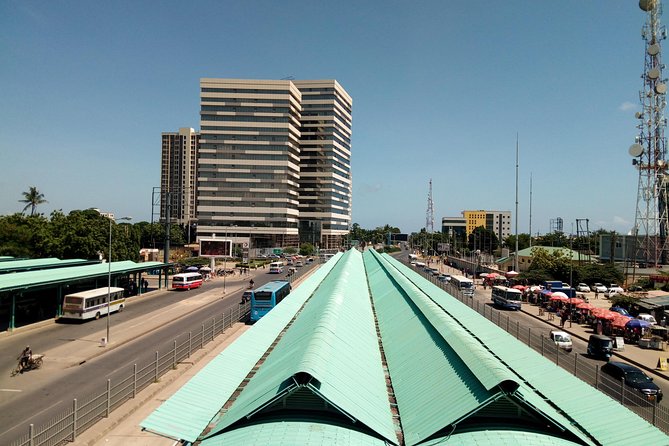
Next comes the Fish Market of Dar es Salaam, roughly 20 minutes. This is one of those stops that instantly tells you what the city is about. Food supply, daily trade, and local hustle all show up fast here.
The practical catch is smell. One guest specifically called out that it can be smelly, especially if you are sensitive. Keep expectations realistic: this is not a curated indoor experience. It’s the real thing.
What I recommend:
- Keep your time focused. Don’t linger longer than needed if you’re bothered by strong odors.
- If you’re planning photos, think about where the airflow is better, and be ready to move quickly.
This stop is short by design, and that’s good. It gives you the flavor of local commerce without making the rest of the tour miserable.
Sultan Majjid Building and Missionaries House for the city’s older layers
After the museum and market, the tour shifts into architecture and historical sites. You’ll spend about 40 minutes at the Sultan Majjid Building, then about 20 minutes at the Missionaries House.
These are the kind of stops that work best when someone explains the why, not just the what. With these sites, names are clues. They point to the city’s wider connections, including Zanzibar ties through Sultan Majjid and the role missionaries played in different periods.
If you like understanding the meaning behind buildings, you’ll get a lot out of this portion. If you want only lively streets and shopping, you may feel these stops are calmer. But they also help you not just enjoy the city, but understand why the city grew the way it did.
St Joseph Church and Azania front Church: a focused church circuit
You’ll visit St Joseph Church (about 15 minutes) and Azania front Church (about 20 minutes). This is a smart way to include cultural landmarks without turning your day into a long sequence of doors and halls.
Church stops on a walking tour do more than add variety. They help you see the city’s layers of belief and community. You can also get a sense of how these places anchor neighborhoods.
A benefit of keeping these times shorter is that you stay flexible. You can still ask questions, take photos if appropriate, and then move on. For many travelers, this makes the overall tour feel balanced rather than overloaded.
Kariakoo Bazaar: where the local rhythm shows up fast
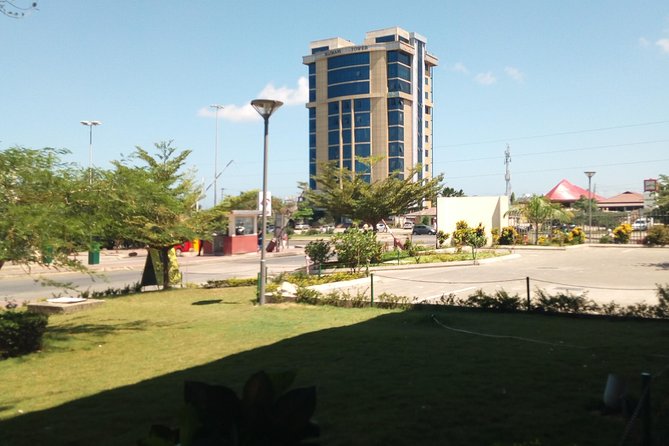
Kariakoo Bazaar is one of the headline moments, with about 30 minutes set aside. If you only do one market-style stop, I’d make it this one.
Why it matters: bazaars are where you see how people shop, talk, and move. This is not a background attraction. You can feel how commerce and community overlap. Even if you do not buy anything, you’ll learn faster by watching how transactions happen and how sellers present their goods.
From a value standpoint, markets are also great because you get a strong experience for a small time block. In a few dozen minutes, you capture energy that would take much longer if you wandered without a plan.
Practical tip: markets can be crowded and bright. Wear something breathable and keep your phone and camera secure. Also, if you’re prone to sunburn, this is not the time to be underprepared.
Mwenge Curio Shops: a practical shopping wrap-up
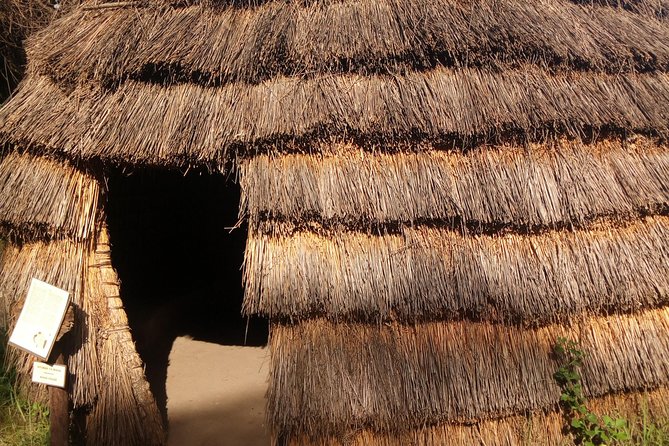
The tour ends with Mwenge Curio Shops. The provided details do not specify a clear time amount for this final stop, but it’s listed after Kariakoo, which makes sense as a shopping and browsing finish.
This kind of stop is useful even if you don’t plan to shop. Curio areas often give you a last chance to:
- compare what’s being sold across the city’s main commercial areas,
- pick up small souvenirs,
- and ask questions about items directly while you’re still with your guide.
Because this is the end of your tour, I treat it like a checkout moment. If you want to shop, do it here so you can focus earlier stops purely on sightseeing.
If you’re hoping to do serious shopping, you may want to return later with more time. A walk-through can show you what’s available, but it won’t replace a slow browse.
Price and value: what your $100 covers
The price is $100 per person, and the tour includes all fees and taxes plus public transport. It also uses a mobile ticket, which helps reduce admin friction. On the other hand, lunch or dinner is not included.
So is $100 fair? For me, it looks like it is when you consider two things:
1) You’re getting multiple major stops in one half-day format, including a museum and market circuit.
2) Public transport is included, so you don’t have to figure out your own ride plan mid-tour.
The one cost you will likely manage yourself is food. Because lunch is not included, you should either eat before the tour begins or plan to grab something after. If you wait too long, the end of a hot walking tour can make food feel urgent and expensive.
Also, the tour is booked about 55 days in advance on average. That’s a hint that it stays in demand, so if you’re traveling during a busy season, you’ll likely want to lock in early rather than hoping for last-minute availability.
Heat and comfort: the one practical challenge to plan for
Dar es Salaam heat is real, and you should plan around it. One guest specifically mentioned it felt very hot for a northern European, which tells me the tour is not limited to mild weather conditions. You’re walking, then you’re outside around markets and churches, and you’ll be exposed for much of the day.
What to do:
- Dress in lightweight layers that breathe.
- Bring sun protection you actually use, like a hat or cap.
- Carry water if that’s permitted for your comfort. Since lunch is not included, staying hydrated matters.
The good news is the route is intentionally compact. You’re not doing marathon distances. Still, the combination of sun plus market air plus walking time can be a lot if you show up unprepared.
If you’re sensitive to strong smells, the Fish Market stop is the most obvious moment. Keep your expectations straight there, and you’ll enjoy the rest of the tour more.
Who should book this tour, and who may want a different one
This tour is a strong match if you want:
- an overview of Dar es Salaam in a half day,
- a guide-led route that covers museums, churches, and major market areas,
- and a feel for how people move around using public transport.
It also works well if you do not want to carry a travel book and piece together context yourself. The guide’s job here is to connect the stops into a story, and the tour is built around that.
You might want to consider a different format if you:
- hate sensory stops, since the Fish Market can be smelly,
- struggle with very hot weather, unless you’re good at packing for sun and heat.
For couples, solo travelers, and small groups who like structured sightseeing with real street stops, this is the kind of tour that keeps you oriented without feeling like a checklist.
Should you book the Dar es Salaam City walking tour?
I’d book it if your goal is to get a real snapshot of Dar es Salaam quickly, with museum context, market energy, and a guided route that stays practical. The $100 price looks better because public transport and multiple major stops are included, and the National Museum admission is listed as free.
However, go in with two expectations set. First, the Fish Market is short but intense. Second, the heat can be challenging, so show up ready with sun protection and hydration in mind. If you can handle those two realities, you’ll come away with a much clearer sense of the city than you would from wandering alone.
FAQ
How long is the Dar es Salaam City walking tour?
It runs about 5 to 7 hours.
What is the price per person?
The price is $100.00 per person.
Is lunch included in the tour price?
No. Lunch or dinner is not included.
Does the tour include public transport?
Yes. Public transport is included.
Is the tour private?
Yes. It is a private tour/activity, and only your group participates.
Is admission to the National Museum included?
The tour details indicate that the National Museum admission ticket is free for this activity.
Is free cancellation available?
Yes. You can cancel for a full refund up to 24 hours in advance of the experience start time.
Dar es Salaam and Its Coast
- Dar es Salaam: City Tour
★ 4.7 · 159 reviews - Dar es Salaam City Center: Walking Tour
★ 4.8 · 102 reviews - Dar es Salaam City Tour – Everyday
★ 5.0 · 64 reviews - 2 Days 1 Night Mikumi National Park from Dar es salaam
★ 5.0 · 60 reviews - The Best/Top Rated Cultural City Tour in Dar es Salaam
★ 5.0 · 57 reviews
Just added from around Dar es Salaam





Dar es Salaam City and Coastal Escapes, compared.
 ★ 4.7Dar es Salaam: City TourFrom $77159 reviews
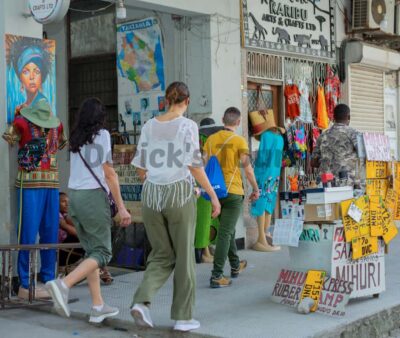 ★ 4.8Dar es Salaam City Center: Walking TourFrom $30102 reviews
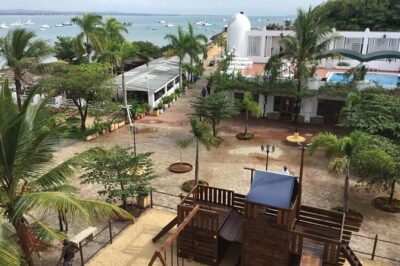 ★ 5.0Dar es Salaam City Tour – EverydayFrom $9764 reviews
 ★ 5.02 Days 1 Night Mikumi National Park from Dar es salaamFrom $67060 reviews
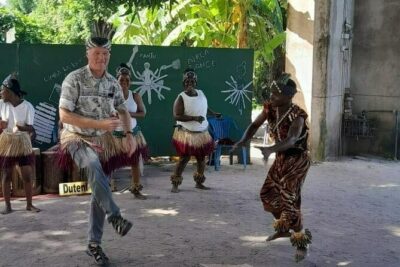 ★ 5.0The Best/Top Rated Cultural City Tour in Dar es SalaamFrom $9057 reviews
 ★ 5.0Private Full-Day Trip to Mikumi National Park from Dar es SalaamFrom $55054 reviews
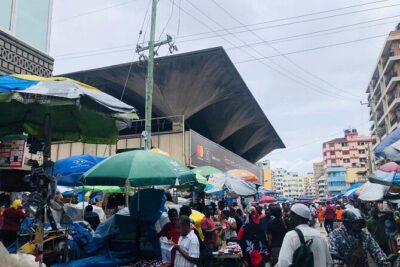 ★ 5.0Dar Es Salaam City Tour (Full Day With Private Guide And Car)From $14539 reviews
 ★ 4.5Full-Day Private Tour of Dar es SalaamFrom $16037 reviews
Browse the lists this tour appears in