
REVIEW · DAR ES SALAAM CITY AND COASTAL ESCAPES
Dar Es Salaam City Tour. All Must See Things (Private Guide and car) Full day
Dar gets you oriented in one day. I like how the morning opener, Kivukoni Fish Market, shows real daily life, and I like that the day ends with easy variety, plus a lunch stop at Mlimani City that gives you a proper break.
One heads-up: the longer market time, especially Kariakoo Market, can feel intense if you dislike crowds or prefer slower, quiet sightseeing.
In This Review
- Key Things to Know Before You Go
- How This 9-Hour Private Tour Fits Short Visits
- Price and What You’re Really Paying For
- Stop 1: Kivukoni Fish Market, Tanzania in One Morning
- Stop 2: Azania Front Lutheran Church and a Waterfront Walk
- Stop 3: DARCH and St Joseph Cathedral Photo Moments
- Stop 4: National Museum, Askari Monument, and a Botanical Garden Reality Check
- Mnazi Mmoja and the Uhuru Torch Stop You Shouldn’t Skip
- Stop 5: Kariakoo Market, the Big One for Shopping and People Watching
- Stop 6: Makumbusho Village Museum, Kijiji cha Makumbusho
- Stop 7: Mwenge Woodcarvers Market for Craft Detail
- Stop 8: Lunch at Mlimani City Shopping Mall, Plus a Time-Saving Break
- Stop 9: Coco Beach Drive-By and the Return to Kivukoni
- What I Think Works Best With This Tour
- A Few Booking and Day-Of Notes You’ll Care About
- Should You Book This Dar es Salaam City Tour?
- FAQ
- What time does the Dar es Salaam city tour start?
- How long is the full-day Dar es Salaam city tour?
- Is this a private tour?
- Where are you picked up, and where does the tour end?
- What is included in the price?
- Is breakfast included?
- Which main stops are included in the day?
- Do the stops require paid admission tickets?
- What if weather is poor, or I cancel?
Key Things to Know Before You Go
- A real mix of Dar life: from fishermen and fish sales to architecture stops, museums, and artisan markets
- Short walk, lots of window views: waterfront and cathedral area walking, then mostly drive-time connections
- Kariakoo is the biggest time block: about 1.5 hours, with friendly vendors and nonstop activity
- History shows up in small moments: like the Uhuru Torch tied to independence in 1961
- Lunch is built into the plan: at Mlimani City Shopping Mall, with both local and international options
- Good-weather dependent: the tour needs decent conditions to run smoothly
More around Dar es Salaam and its islands
- Dar es Salaam: City Tour★ 4.7 · 159 reviews
- Dar es Salaam City Center: Walking Tour★ 4.8 · 102 reviews
- Dar es Salaam City Tour – Everyday★ 5.0 · 64 reviews
- 2 Days 1 Night Mikumi National Park from Dar es salaam★ 5.0 · 60 reviews
How This 9-Hour Private Tour Fits Short Visits
This is the kind of day tour that makes sense when you have only a day or two in Dar es Salaam and want more than one “pretty viewpoint.” The plan strings together a working market, a few key cultural and historic stops, and then the shopping and crafts side of town, all with a private guide and private car.
You’re picked up after breakfast and start at 8:00 am sharp, then you’re back by the end of the day near where you started in Kivukoni. With a private setup, you’re not trapped in someone else’s pace, and you can ask your guide questions as you go, which matters a lot in markets and museum-type stops.
The day runs about 9 hours, and the stops are relatively timed, so it feels full without turning into a sprint. Still, you will be moving through busy areas, especially near the big markets.
Price and What You’re Really Paying For
At $220 per person for a private guide and car, this is not a budget shared-tour bargain. But you are buying something specific: direct transport between far-flung parts of the city, plus one guide focused on your group.
Here’s how I’d judge the value for you:
- If you want real local scenes (fish market and markets) and less guesswork, the private guide helps a lot.
- If you’re a couple or small group, you can often make private pricing feel fairer because the car is doing the work all day.
- If you only want one or two attractions, the cost may feel steep compared to simpler self-guided options.
Bottom line: this tour is for travelers who want a packed, guided day and don’t want to spend hours figuring out logistics on their own.
Stop 1: Kivukoni Fish Market, Tanzania in One Morning
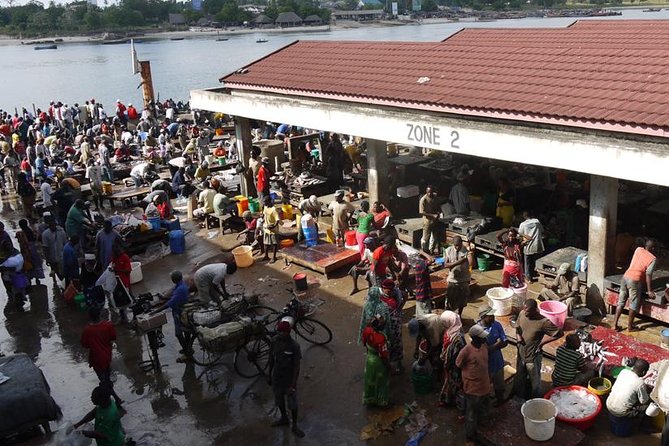
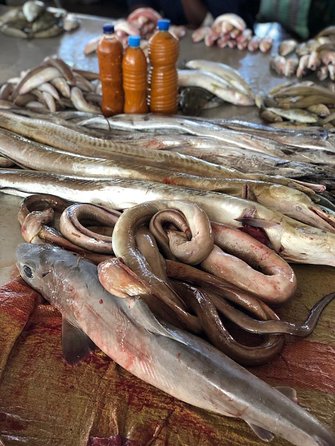
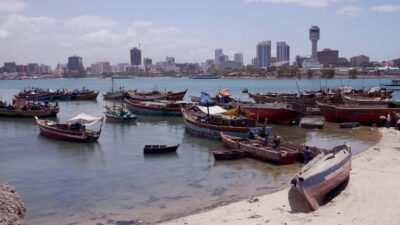
The morning start at Kivukoni Fish Market is where the day earns its keep. You’ll spend about 30 to 45 minutes, and this isn’t a quiet museum-style stop. It’s a working fish hub, so you get to see how the fish business actually functions, including the rhythms tied to fishermen and daily life.
Even if seafood is not your main interest, this is one of those places where you learn faster than you could from books. You can also watch how people move through the market, how goods are handled, and how the pace changes around the business of the day. Your guide’s job here is to connect the dots, so you’re not just seeing activities, you’re understanding them.
Practical tip: go with comfortable shoes and a readiness for a bit of sensory overload. Markets are markets.

Stop 2: Azania Front Lutheran Church and a Waterfront Walk
Next, you get a lighter stop: a short walk via the waterfront to Azania Front Lutheran Church. Plan on about 10 to 15 minutes here, and the goal is to get a feel for the city’s religious landmarks without burning the whole morning.
This is a nice contrast after the fish market. You’re still in the city scene, but the time is short enough that you won’t feel dragged into a long stop. If you like “quick hit” sightseeing, this pacing is good.
Stop 3: DARCH and St Joseph Cathedral Photo Moments
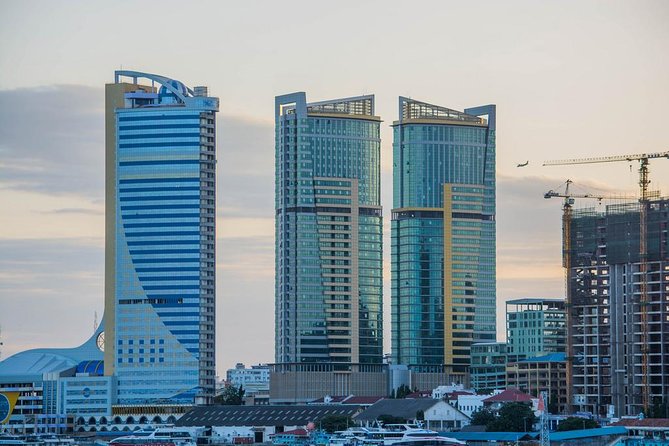
After the church area, you drive to the Dar es Salaam Centre for Architectural Heritage (DARCH). On the way, you’ll see St Joseph Cathedral, and then you’ll spend about 30 to 45 minutes at DARCH.
This part of the tour is for you if you want Dar es Salaam to feel more than “markets and traffic.” Architectural heritage is a smart way to understand a city because buildings reflect cultural shifts, community identity, and historical influences. DARCH gives you that context without turning your day into a classroom.
The stop isn’t overly long, which helps. You get time to look and absorb, then you’re back on the road heading toward the next major anchor point.
Stop 4: National Museum, Askari Monument, and a Botanical Garden Reality Check
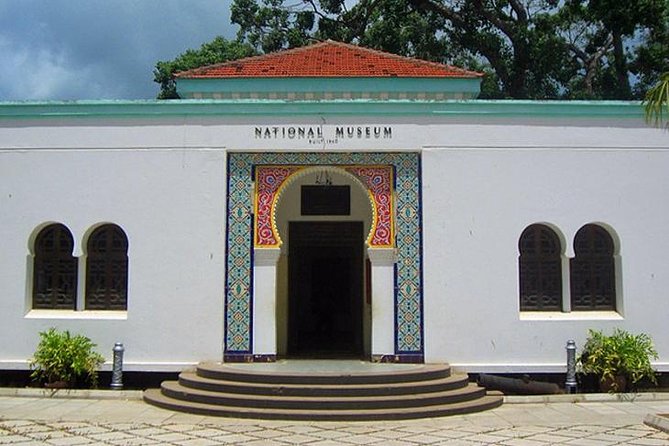
From DARCH and the cathedral area, the route brings you to the National Museum of Tanzania. On the way, you’ll pass Askari Monument, and you’ll then spend about 30 minutes at the museum.
This is a good size for a first pass. You’re not expected to read every label, but you should be able to get a sense of what the museum highlights and what it covers. If museum time tends to make you restless, 30 minutes is a manageable window.
There’s also a side note built into the route: the botanical gardens near the National Museum are there, but you likely won’t see much because the gardens are not properly maintained. I appreciate that the tour doesn’t oversell it. It’s better to know the likely outcome than to waste energy hoping for a garden that isn’t being cared for.
Mnazi Mmoja and the Uhuru Torch Stop You Shouldn’t Skip
As you head toward Kariakoo, you pass through Mnazi mmoja, with a standout point: the Uhuru Torch, placed in 1961 to celebrate Tanzania’s independence from Germany.
This is the kind of small stop that can matter a lot. A torch is physical, public, and hard to ignore. And because it ties directly to independence, it gives your day a clear historical thread rather than random sightseeing.
Even if you only spend a short amount of time here, the connection is memorable, especially when you later see how everyday life continues around major landmarks.
Stop 5: Kariakoo Market, the Big One for Shopping and People Watching

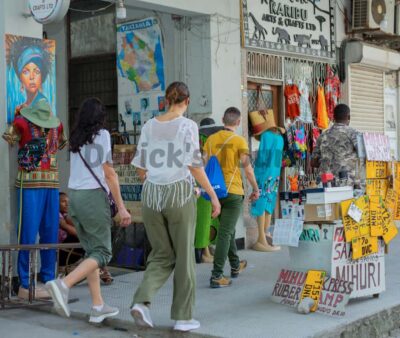
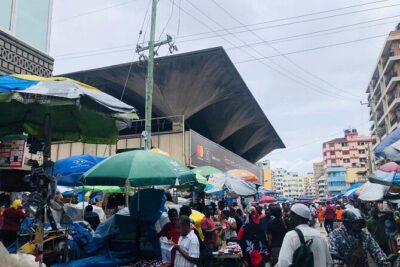
Kariakoo Market takes up the most time on the route, about 1.5 hours. This is described as the biggest East African markets for all kinds of items, and the practical reality is that you will feel the scale. The area is visited by thousands, if not millions, of people per day.
This is where I’d expect the biggest split in traveler preferences. If you love lively market energy, you’ll have a great time. If you find crowds exhausting, it may be a lot.
A few things to know so you feel confident:
- You will meet local entrepreneurs selling daily goods, so expect plenty of conversations.
- The most common greetings you’ll hear are things like Habari and Mambo, and a common easy answer is Poa, meaning everything is cool.
- Shopping is part of the experience here, so if you want souvenirs or supplies, plan to use your time intentionally.
The upside of doing Kariakoo with a guide is simple: you don’t just walk through chaos, you get direction and context. Your guide can help you keep your focus instead of getting swept up in every stall.
Practical tip: wear something you can move comfortably in, and take breaks when you need them. Even short pauses help in dense markets.
Stop 6: Makumbusho Village Museum, Kijiji cha Makumbusho
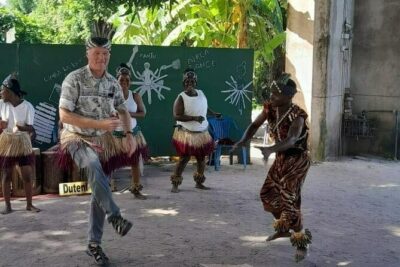
After Kariakoo, the tour shifts into cultural presentation at Kijiji cha Makumbusho (Makumbusho Village Museum) in Mikocheni. You’ll have about 45 minutes.
This stop is a nice change of pace because it moves from shopping energy to interpretation and cultural setting. Village museum style stops work well during a full-day tour because they give you a “slow down” moment where you can understand lifestyle and tradition in a more structured way.
If you enjoyed the human side of the fish market and the market conversations, this is the next step. It helps connect everyday life to cultural identity.
Stop 7: Mwenge Woodcarvers Market for Craft Detail
From the village museum area, you head to Mwenge Woodcarvers Market for about 30 to 45 minutes. This is a favorite on this route because it adds hands-on craft energy.
Woodcarving markets are also great for photo opportunities and for seeing skill in progress. And since this is a market too, you still get that street-level feel, but with a focus on artisan products instead of daily goods.
One of the strongest values here is contrast. After Kariakoo’s large-scale shopping, you get a more craft-focused environment where you can take your time choosing what to look at and ask questions.
Stop 8: Lunch at Mlimani City Shopping Mall, Plus a Time-Saving Break
Lunch happens at Mlimani City Shopping Mall, and you’re given about 2 hours for lunch and recovery, plus any shopping you want. The plan explicitly notes that Mlimani City has international restaurants and local food, so you should be able to find something that fits your taste.
This stop is not just about eating. A big mall gives you practical relief during a long day:
- bathrooms and seating can be easier to find
- options are varied if you have different cravings in your group
- it’s a controlled environment compared with open-air markets
It’s also stated as the biggest mall in Tanzania, with many stores for items you may have missed elsewhere. If you want to pick up essentials or simple gifts, this is the moment to do it without fighting market chaos.
Practical tip: use the break. Reset your energy before you head out to the final part of the day.
Stop 9: Coco Beach Drive-By and the Return to Kivukoni
After lunch and markets, you head back toward your hotel area, driving via Coco Beach. You’ll have about 45 minutes here.
This final beach stop is positioned as a popular local beach view rather than a long beach day. So if you’re expecting hours of swimming, you might feel slightly limited. But if your goal is to see the shoreline and get that coastal finish, it works well as a gentle wrap-up.
Then you’re done and returned to the meeting point near Kivukoni. The pacing of ending near the start makes it easier to transition back to your evening plans.
What I Think Works Best With This Tour
This is a smart pick if you:
- have only a day or two in Dar es Salaam
- want a guided day that combines markets, culture, and history
- prefer private pacing and direct transport over public transit guesswork
- like learning from a guide who can explain what you’re seeing in markets and heritage sites
It may be less ideal if you:
- strongly dislike crowds and want mostly quiet sights
- hate shopping areas and don’t want to spend time in Kariakoo
- want a slower, deeper museum day with long reading time
A Few Booking and Day-Of Notes You’ll Care About
The tour is set to start 8:00 am sharp, after pickup from your hotel following breakfast. The plan emphasizes that it’s built for good weather, and if the weather is poor, you should expect a reschedule or refund.
You’ll also have bottled water included, and the tour includes lunch and private transport. Admission tickets for the listed stops are marked as free, which helps keep your budget predictable.
Since this is a private group experience, you’re not blending into a random crowd of strangers. That usually makes a big difference in how easy the day feels, especially in busy markets.
Should You Book This Dar es Salaam City Tour?
If you want one full day that covers Dar es Salaam’s main personality, I think this tour is a solid choice. The standout parts for many travelers are the early real-life scene at Kivukoni Fish Market and the craft and cultural angle at Mwenge Woodcarvers Market. If those are your two priorities, you’re likely to feel happy with how the day is structured.
I’d book it when:
- you value guided context at markets
- you want a planned route with minimal logistics stress
- you’d rather see more in one day than pick only one or two sights
I’d skip or customize if:
- you know Kariakoo crowds will stress you out
- you want a longer beach or museum-only day instead of a mix
If your time is short, this kind of “big mix, guided pacing” day can be the best use of a visit.
FAQ
What time does the Dar es Salaam city tour start?
The tour starts at 8:00 am.
How long is the full-day Dar es Salaam city tour?
It runs about 9 hours (approx.) total.
Is this a private tour?
Yes. It is a private tour/activity, and only your group participates.
Where are you picked up, and where does the tour end?
Pickup is arranged from your hotel after breakfast, and the tour ends back at the meeting point in Kivukoni.
What is included in the price?
Lunch is included, along with bottled water and private transportation.
Is breakfast included?
No. Breakfast is not included.
Which main stops are included in the day?
You visit Kivukoni Fish Market, Azania Front Lutheran Church, DARCH, the National Museum (with Askari Monument on the way), Mnazi mmoja, Kariakoo Market, Makumbusho Village Museum (Kijiji cha Makumbusho), Mwenge Woodcarvers Market, and Coco Beach.
Do the stops require paid admission tickets?
For the listed stops, admission tickets are marked as free.
What if weather is poor, or I cancel?
The experience requires good weather. If it is canceled due to poor weather, you will be offered a different date or a full refund. For cancellations, you can cancel up to 24 hours in advance for a full refund.
Dar es Salaam and Its Coast
- Dar es Salaam: City Tour
★ 4.7 · 159 reviews - Dar es Salaam City Center: Walking Tour
★ 4.8 · 102 reviews - Dar es Salaam City Tour – Everyday
★ 5.0 · 64 reviews - 2 Days 1 Night Mikumi National Park from Dar es salaam
★ 5.0 · 60 reviews - The Best/Top Rated Cultural City Tour in Dar es Salaam
★ 5.0 · 57 reviews
Just added from around Dar es Salaam





Dar es Salaam City and Coastal Escapes, compared.
 ★ 4.7Dar es Salaam: City TourFrom $77159 reviews
 ★ 4.8Dar es Salaam City Center: Walking TourFrom $30102 reviews
 ★ 5.0Dar es Salaam City Tour – EverydayFrom $9764 reviews
 ★ 5.02 Days 1 Night Mikumi National Park from Dar es salaamFrom $67060 reviews
 ★ 5.0The Best/Top Rated Cultural City Tour in Dar es SalaamFrom $9057 reviews
 ★ 5.0Private Full-Day Trip to Mikumi National Park from Dar es SalaamFrom $55054 reviews
 ★ 5.0Dar Es Salaam City Tour (Full Day With Private Guide And Car)From $14539 reviews
 ★ 4.5Full-Day Private Tour of Dar es SalaamFrom $16037 reviews
Browse the lists this tour appears in