
REVIEW · TANZANIAN COOKING CLASSES AND FOOD TOURS
Cooking Class Tour
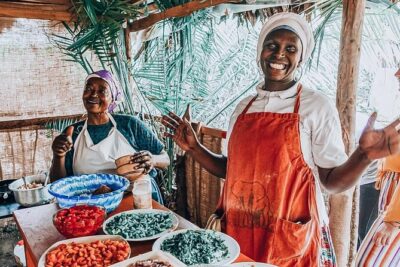
Cooking Zanzibar food feels personal fast, because you cook it yourself. This small-group class in Zanzibar pairs a market ingredient hunt with hands-on lessons from a local chef, then ends with the meal you made, eaten together. I love the max 6-person group size, which keeps the lesson practical instead of rushed, and I love that you start at a market so spices and produce feel like they have a reason, not just a label. A possible drawback: it depends on good weather, so plan for flexibility if conditions are rough.
You meet at Tembo House Hotel near Forodhani Street, and the start time is 9:00 am, so it is not a “sleep in and stroll” morning. Pickup is offered, and the tour uses a mobile ticket, which makes it easier to coordinate. If you are expecting a fancy food show, tone down those expectations, because the real value is learning how to cook in a Zanzibar style, using a charcoal brazier, with a chef who is teaching in a real kitchen.
In This Review
- Key Reasons This Class Gets High Marks
- Start at Tembo House, Then Get to Work (9:00 am)
- Market Time in Zanzibar: Where Your Spices Actually Begin
- The Cooking Lesson: Swahili Methods on a Charcoal Brazier
- Lunch Together: Eating the Result (and Learning the Story Behind It)
- Price and Value: Why $90 Can Make Sense for a 5-Hour Class
- Who This Works Best For (and Who Might Want Something Else)
- Weather Timing in Zanzibar: Plan for a “Maybe” Morning
- Should You Book This Zanzibar Cooking Class?
- FAQ
- How long is the cooking class?
- What does the class cost?
- Is pickup offered?
- Where do we meet?
- Is lunch included?
- Can vegetarians participate?
- What is included for cooking?
- What happens if the weather is poor?
- Can I get a refund if I cancel?
Key Reasons This Class Gets High Marks
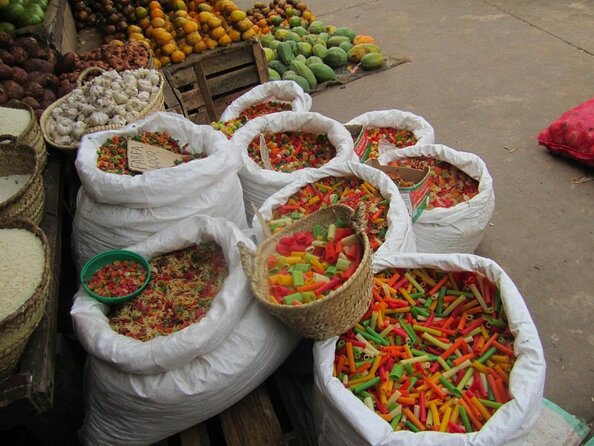
- Market-first shopping so you cook with what you actually picked
- Hands-on Swahili cooking led by a local chef like Hamza, with support from Miram
- Charcoal brazier cooking plus kitchen knife use, so you learn methods, not just recipes
- Small group cap of 6 for quick questions and real attention
- Vegetarian accommodation, so you can still enjoy the class without feeling sidelined
More Zanzibari kitchens to sit in
- Stonetown: Food Markets and Street Food Walking Tour★ 4.7 · 151 reviews
- Zanzibar Cooking Class & Spice Tour★ 4.5 · 77 reviews
- Zanzibar: Spice Farm Tour with Traditional Cooking Lesson★ 4.8 · 77 reviews
- Authentic Street Food Tours in Stone Town, Zanzibar★ 5.0 · 46 reviews
Start at Tembo House, Then Get to Work (9:00 am)
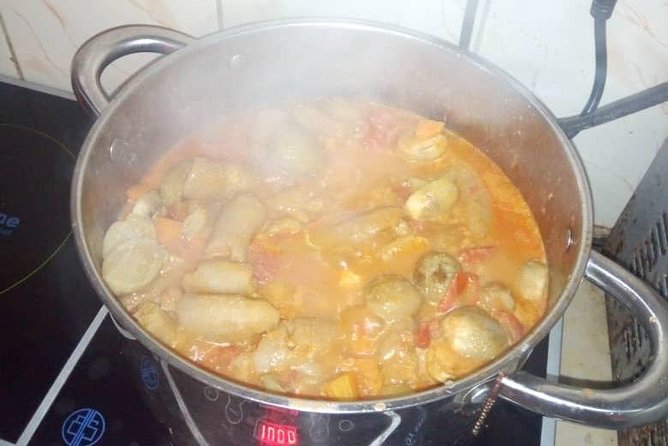
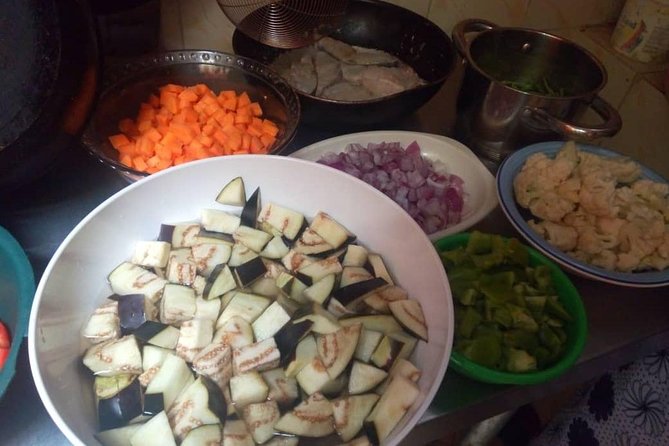
The day begins at Tembo House Hotel, on Shangani Street by Forodhani Street in Zanzibar. The class is scheduled to start at 9:00 am, and the tour ends back at the same meeting point. If you are staying around Stone Town, this is a convenient start, and you can build the rest of your day around it once you know where you are going.
One of the smartest parts of this format is that it is built for a half-day rhythm. In about five hours, you are not just learning what to do, you are actually doing it: buy the ingredients, cook with them, then sit down and eat. You also get lunch included, which matters in Zanzibar where a “tour meal” can sometimes feel like an afterthought. Here it is part of the payoff.
If you want this to feel low-stress, take advantage of pickup if it is offered during booking. Private transportation is not included, so you may otherwise need to make your own way to the meeting point.
Market Time in Zanzibar: Where Your Spices Actually Begin
Before any stove work, you head to a local market to buy ingredients. This is more than a quick photo stop. It is where you learn what is available, what spices are being used, and how Zanzibar flavor gets built.
In Swahili cooking, spices are not just “seasoning.” They are part of the structure. When you shop the ingredients yourself, you start noticing things like:
- Which spices you can actually find in Zanzibar
- How different ingredients look and smell in context
- The logic of what you buy first, then how it gets used in cooking later
You also get a chance to ask questions in real time. Even if you do not know the right terms, the chef and team can guide you through what to look for. That makes the rest of the lesson easier, because you connect the recipe steps to the ingredients you handled in the market.
If you are the type who loves food details, this market segment is where the day becomes more meaningful. Without it, cooking classes can feel like you are following a generic script. With it, you are learning the “why” behind Zanzibar flavor.
The Cooking Lesson: Swahili Methods on a Charcoal Brazier
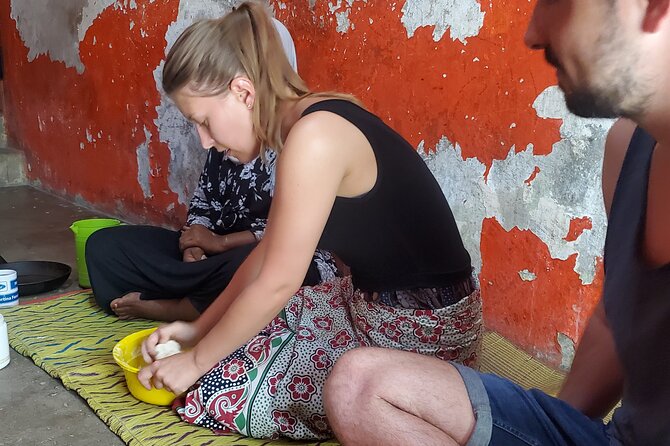
This class is taught by a local Zanzibari chef, and the group is capped at six people. That size limit changes everything. You get time to practice, ask questions, and adjust what you are doing. It is also why the chef can give feedback that actually reaches you, instead of only talking at the group.
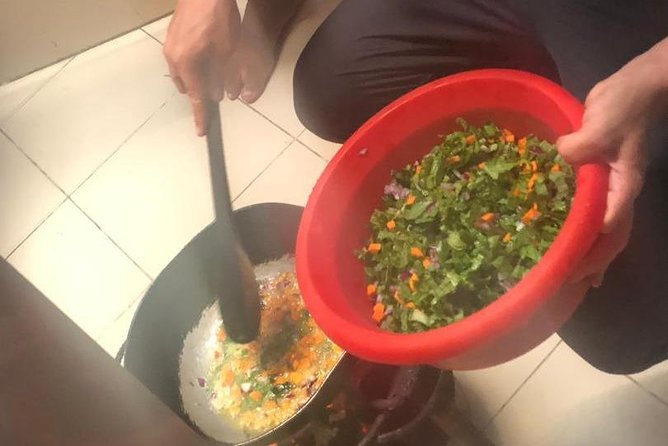
Another key ingredient is the cooking setup. You are not just learning in a modern kitchen with an electric stove you would recognize anywhere. Included in the class is the use of a kitchen knife and a charcoal brazier. Cooking this way affects flavor and technique, because heat behavior and cooking pace are different. You learn how to manage it through the chef’s guidance.
You can expect the chef to walk you through Zanzibar-style cooking and explain the intricacies of Swahili dishes, including how oriental influences show up alongside the spices grown in Zanzibar. The point is not to memorize a list. The point is to understand how the ingredients work together on the stove.
From what I have seen in classes like this, the most valuable part is the repetition of key steps. You typically do more than one dish or component, so you start getting a feel for:
- When flavors need time to develop
- How to handle aromatic spices
- How to adjust during cooking instead of waiting for a perfect timer
Also, if you are vegetarian, you are not treated as an afterthought. Vegetarian accommodation is specifically mentioned, so you should still be able to participate meaningfully rather than sitting out.
And yes, in a home-kitchen setup, the experience can feel less like a classroom and more like learning in someone’s space. That is often where the best advice comes from, because the chef is explaining as a working cook, not as a performer.



Lunch Together: Eating the Result (and Learning the Story Behind It)
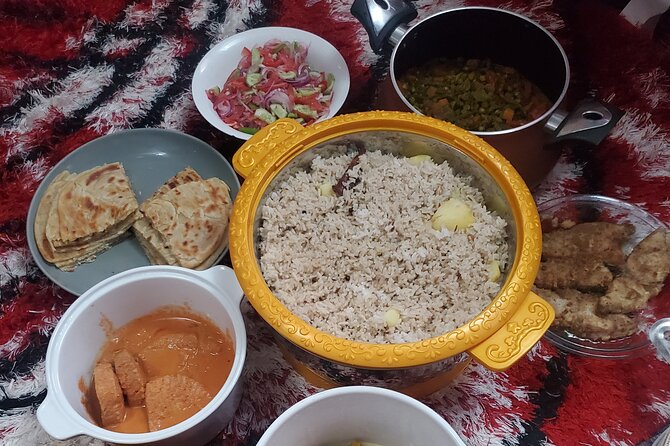
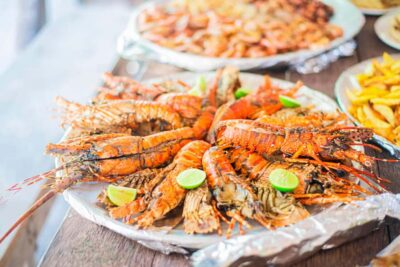
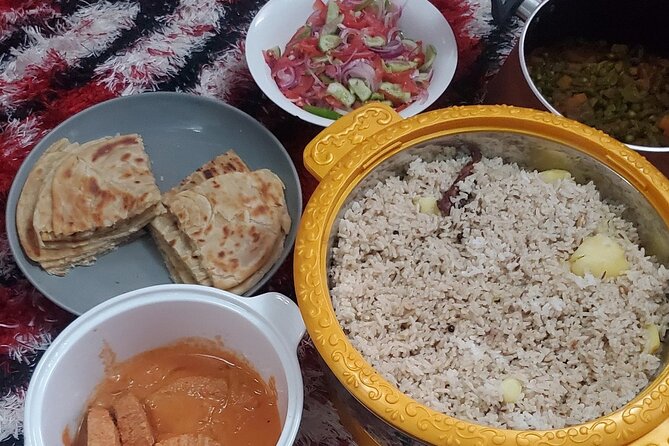
Once your dishes are ready, you eat what you made, together with the chef. This is a big deal, because it turns the class into a real meal, not just a cooking session.
You also get time to discuss the merits of Swahili foods. That is not marketing talk. It is the practical food conversation that helps you understand why these dishes work. You learn things like what makes a dish satisfying, how spice balance should feel, and what to pay attention to if you cook similar food later.
If you are used to travel meals where you taste something and move on, this feels different. Here, you connect ingredients, technique, and final flavor. You will likely find yourself thinking, next time I see this spice, I will remember what it did in the pan.
The class includes lunch, so you do not have to scramble afterward to find food that fits your budget or dietary needs. You also leave full, which is not a small thing in Stone Town where afternoon plans can be more walk-heavy than you expect.
Price and Value: Why $90 Can Make Sense for a 5-Hour Class
At $90 per person for an approximately 5-hour experience, this is not a budget cooking class. But it is also not overpriced for what you get.
Here is what you are paying for, in plain terms:
- A market visit to purchase ingredients
- Instruction from a local chef
- A small group size capped at six, which increases individual attention
- Supplies and ingredients provided
- Lunch included
- Use of a kitchen knife and a charcoal brazier
In Zanzibar, you can spend money on meals quickly, and you can also spend money on tours that do not include food you truly make. This class bundles the market experience, cooking time, and the meal in one package. That “all-in” structure is where the value comes from.
One more value factor: the class is booked about 93 days in advance on average. That usually signals stable demand, which matters if you are visiting during a peak stretch. If you want a time slot that fits your plans, booking ahead is smart.
Who This Works Best For (and Who Might Want Something Else)
This is an excellent fit if you:
- Like food travel that has hands-on payoff
- Want a small-group experience, not a crowd event
- Prefer learning from a local chef in a working kitchen
- Need vegetarian options while still participating
It is also a strong choice for solo travelers who want a social meal with the chef and a small group, without being stuck in a big tour bus group.
Where it might feel less ideal is if you:
- Want a long sightseeing day instead of one focused on cooking
- Have no interest in spice-based cooking methods
- Need a very late start, since it begins at 9:00 am
- Are dependent on private transportation, since private transport is not included
Weather Timing in Zanzibar: Plan for a “Maybe” Morning
The experience requires good weather. If it is canceled due to poor weather, you are offered a different date or a full refund. That tells you something important about how the day is run. Market schedules and outdoor movement can get tricky when conditions turn.
A practical approach is to plan this class early in your Zanzibar window, not on your last morning. That way, if your first option changes, you still have room to adjust. Also, if you are coming from elsewhere in Stone Town, give yourself time to reach the meeting point calmly, even if the weather is fine.
Should You Book This Zanzibar Cooking Class?
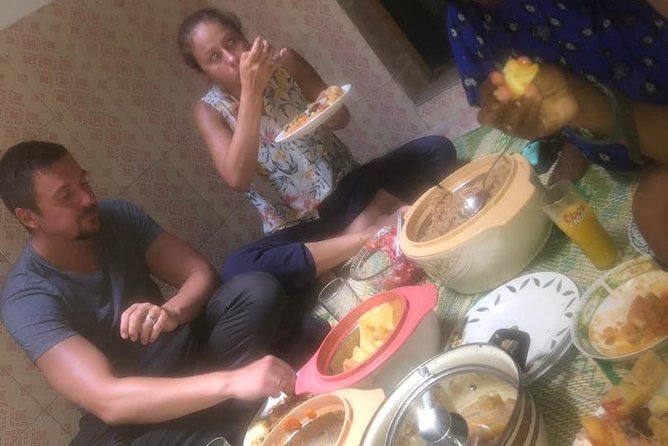
If you want a real Zanzibar food experience, I think this is a strong choice. The combination of a market ingredient visit, hands-on cooking on a charcoal brazier, and lunch included adds up to something you can remember and repeat. The small group cap is also a genuine quality advantage, because it keeps the lesson interactive.
Book it if you care about Swahili flavors and you enjoy learning by doing, with a local chef like Hamza and support from Miram. If you are vegetarian, it is built to accommodate you. If you hate morning starts, or you have zero flexibility due to weather, then you might want to choose another activity that does not depend on conditions.
FAQ
How long is the cooking class?
It runs for about 5 hours.
What does the class cost?
The price is $90.00 per person.
Is pickup offered?
Pickup is offered.
Where do we meet?
You start at Tembo House Hotel, Shangani Street by Forodhani Street, Zanzibar.
Is lunch included?
Yes, lunch is included.
Can vegetarians participate?
Vegetarians can be accommodated.
What is included for cooking?
All supplies and ingredients are provided, and the class includes use of a kitchen knife and a charcoal brazier.
What happens if the weather is poor?
If it is canceled due to poor weather, you will be offered a different date or a full refund.
Can I get a refund if I cancel?
Yes. You can cancel up to 24 hours in advance of the experience for a full refund.
More Zanzibari Kitchens
- Stonetown: Food Markets and Street Food Walking Tour
★ 4.7 · 151 reviews - Zanzibar Cooking Class & Spice Tour
★ 4.5 · 77 reviews - Zanzibar: Spice Farm Tour with Traditional Cooking Lesson
★ 4.8 · 77 reviews - Authentic Street Food Tours in Stone Town, Zanzibar
★ 5.0 · 46 reviews - Mamas of Zanzibar – A Unique Cultural & Culinary Experience
★ 5.0 · 45 reviews
Just added from around Zanzibar






Tanzanian Cooking Classes and Food Tours, compared.
 ★ 4.7Stonetown: Food Markets and Street Food Walking TourFrom $35151 reviews
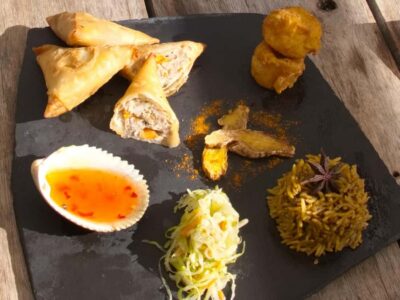 ★ 4.7Zanzibar: The Swahili Spice Experience – Spice Tour + Culinary JourneyFrom $2196 reviews
 ★ 4.8Zanzibar: Spice Farm Tour with Traditional Cooking LessonFrom $6577 reviews
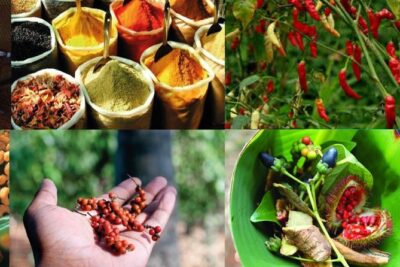 ★ 4.5Zanzibar Cooking Class & Spice TourFrom $4077 reviews
 ★ 5.0Authentic Street Food Tours in Stone Town, ZanzibarFrom $4046 reviews
 ★ 5.0Mamas of Zanzibar – A Unique Cultural & Culinary ExperienceFrom $11645 reviews
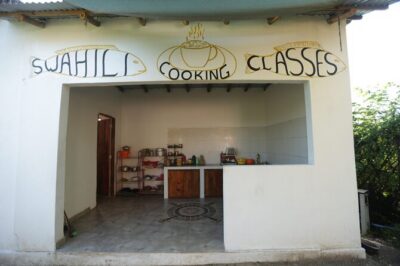 ★ 4.5Half-Day Kuza Cave Swimming Adventure and Cooking ClassFrom $1344 reviews
 ★ 5.0NGO Lifted Strong – Traditional Tanzanian Cooking ClassFrom $5039 reviews
Browse the lists this tour appears in