
REVIEW · DAR ES SALAAM CITY AND COASTAL ESCAPES
Bagamoyo Historical Tour – Everyday
Prison tunnels and coastal ruins, in one day. This private Bagamoyo Historical Tour takes you through the town that once mattered hugely to trade, then layers in German-era links, Arab settlements, and missionary history along the Indian Ocean coast. Expect a full 8 hours of guided storytelling, with time to move at a private pace and see how mangroves and beaches shape the setting.
I really like two things here. First, you get a smooth, safe start with pickup and an air-conditioned vehicle, and the driver Derrick is highlighted for being prompt, good company, and focused on safety. Second, the guide Sadiq is singled out for being intensely informative and for connecting multiple time periods, so the ruins do not feel random.
One consideration: the subject matter is heavy. You’ll hear stories tied to slavery and imprisonment, including how captives were held and moved for departures, so go in with your emotions prepared, and plan your day around that tone.
In This Review
- Key Things to Know Before You Go
- Why Bagamoyo Feels Like a Time Machine
- Price and Logistics: What You Really Get for $199
- Stop 1: Old Arab Fort, Prison Tunnels, and the Harbor Route
- Stop 2: Old Boma and the German State House Story
- Stop 3: Kaole Ruins, Trading Roots, and Stone Tombs
- Stop 4: Bagamoyo Museum and the Holy Ghost Mission, Livingstone, and Chains
- Mangroves, Beaches, and How the Route Matters
- Private Pace, Real Local Timing, and What to Bring
- Who This Tour Fits Best (and Who Should Think Twice)
- Should You Book This Bagamoyo Historical Tour?
- FAQ
- How long is the Bagamoyo Historical Tour (Everyday)?
- What time does the tour start in Dar es Salaam?
- Is pickup included?
- What’s included in the price?
- Is lunch included?
- What if the weather is bad?
- What is the cancellation policy?
Key Things to Know Before You Go
- Old Fort prison history, including the lead-up to harbor departures and underground tunnels
- German East Africa links at the Old Boma, including why the capital moved to Dar es Salaam
- Kaole Ruins stone sites tied to centuries of Arab settlement, with mosques and tombs
- Bagamoyo Museum’s Holy Ghost Mission story, plus the Livingstone connection
- Private pacing, with admission tickets included at each main stop
More around Dar es Salaam and its islands
- Dar es Salaam: City Tour★ 4.7 · 159 reviews
- Dar es Salaam City Center: Walking Tour★ 4.8 · 102 reviews
- Dar es Salaam City Tour – Everyday★ 5.0 · 64 reviews
- 2 Days 1 Night Mikumi National Park from Dar es salaam★ 5.0 · 60 reviews
Why Bagamoyo Feels Like a Time Machine
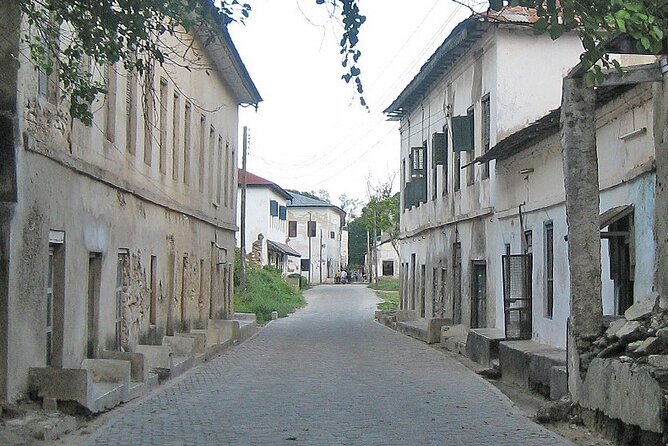
Bagamoyo has a way of turning geography into story. You’re not just looking at old buildings. You’re watching the coast explain itself, from where trade routes mattered to how power moved people.
This tour leans into that. You’ll cover multiple sites tied to different communities that shaped Bagamoyo over centuries. The result is a day that feels more like walking through chapters than checking boxes. And because it is private, you can slow down when a site grabs you, or speed up when you’re ready to move on.
There is also a strong coastal atmosphere built in. Even when you’re between stops, the setting matters. Bagamoyo is tied to the Indian Ocean, and you’ll get a sense of how nearby mangroves and beaches shaped what happened here.
Price and Logistics: What You Really Get for $199
At $199 per person for about 8 hours, the value mostly comes from two things: transportation that is included and key admissions that are handled for you.
You get:
- Pickup offered (so you are not hunting down logistics first thing)
- An air-conditioned vehicle
- All fees and taxes included
- Admission tickets included for the major stops (Old Fort, Old Boma, Kaole Ruins, and the museum)
That matters because days like this add up fast once you start paying for entry after entry. Here, you pay up front and then focus on the sites.
Also, you’re not stuck with a giant, hard-to-control group vibe. It is described as a private tour, even though the activity listing notes a maximum of 100 travelers. In practice, that usually means you spend your time with your guide and driver team, not in a long line of strangers.
You do have one extra cost to plan for: lunch is not included. The good news is you can stop for lunch during the day, but you’ll pay yourself. If you have dietary needs, treat lunch as part of your planning, not an afterthought.
Finally, consider timing. The start time is 8:00 am, so you’ll want to be ready early in Dar es Salaam.
Stop 1: Old Arab Fort, Prison Tunnels, and the Harbor Route
Old Arab Fort of Bagamoyo is the kind of place that makes your brain work overtime. The site served as a prison where slaves were kept before they were herded through underground tunnels to waiting dhows at the harbor.
That harbor link is important. This was not just confinement for the sake of confinement. It was part of a system designed to move human beings from inland holds to boats, then onward to an unknown world. You’ll hear that story in the context of how Bagamoyo functioned as a trading center.
How to experience this stop
- Give yourself space to absorb the details. This is not a quick look-and-go.
- Expect emotions. The tour is factual, and the topic is hard.
How long it takes
- Plan on about 1 hour here, with admission included.
The drawback, again, is tone. If you prefer light sightseeing, this first major stop might feel abrupt. But if you want the real Bagamoyo, this is one of the places where you understand why the town’s history is so closely tied to shipping and forced movement.

Stop 2: Old Boma and the German State House Story
Old Boma is shorter, about 30 minutes, but it gives you a different layer. This is one of the historical buildings used as an old state house built by the Germans at the end of the 19th century.
The key idea is purpose. It was built with the sole purpose of being a residence for its leaders in the area. The timeline is part of the story too. It was only used by German leaders for a few years, because the capital was moved to Mzizima, now known as Dar es Salaam, due to shallow water at the Bagamoyo port.
That shallow-water detail is a big deal because it connects politics to geography. You see how a place can lose status not because of culture or conflict, but because of practical access to ships.
What I like about this stop
- It turns buildings into cause and effect.
- It helps you understand why Bagamoyo’s role shifted over time.
How to approach it
- When the guide points out the German-era context, keep an eye on the port angle. The story makes more sense when you remember how dependent trade was on sea access.
Admissions here are included, and the stop is quick enough that you won’t feel rushed if you want to move directly to the next site.
Stop 3: Kaole Ruins, Trading Roots, and Stone Tombs
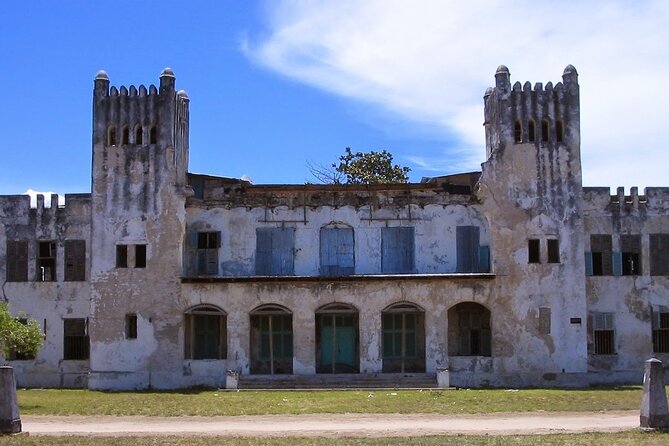
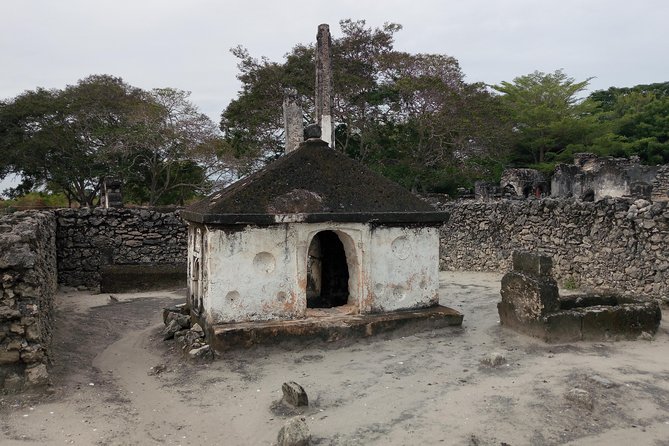
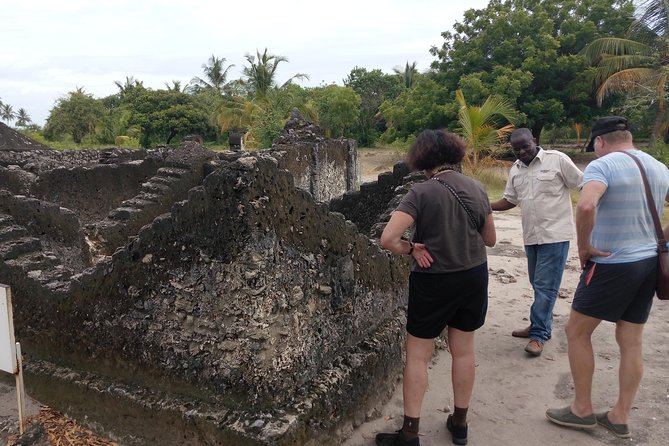
Kaole Ruins is where the day expands beyond one era. This site holds remains linked to early Arab settlement in Bagamoyo and also functions as an archaeological area with excavation remains.
The long timeline matters. Kaole was originally settled in the 8th century as a trading town. Then the stone ruins you see date roughly between the 13th century and the 16th century. So you’re looking at layers of occupation and change, not one single snapshot.
What stands out in the description
- The site includes structures such as houses, mosques, water wells, and graves of foreigners who died there.
- The ruins are small but packed, with two mosques and around 30 tombs mentioned for the site.
This is also a good stop for people who like atmosphere. Even if you are not a hardcore archaeology person, the site layout and the types of remnants mentioned give you a sense of daily life: community spaces, water, worship places, and burial grounds.
How long it takes
- Expect about 1 hour, with admission included.
A practical note: because it is a smaller archaeological area, you’ll likely do more walking on foot within the site. Wear comfortable shoes and be ready for sun and heat depending on the day.
And because the tour is designed as a private experience, you can ask the guide to connect Kaole’s story back to Bagamoyo’s role as a trading hub.
Stop 4: Bagamoyo Museum and the Holy Ghost Mission, Livingstone, and Chains
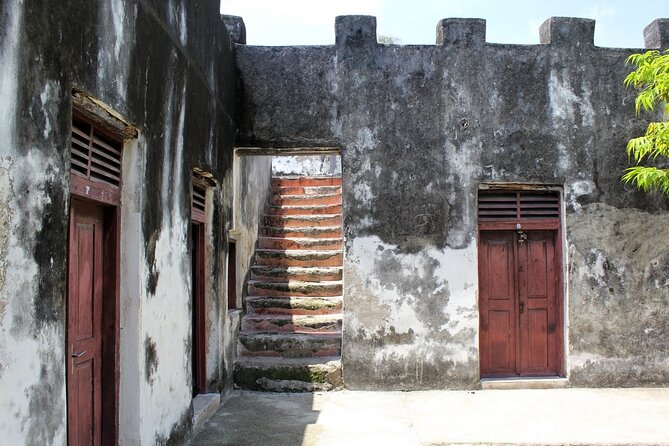
The museum stop is the emotional and intellectual center of the day.
At the heart of it is the Holy Ghost Church complex. The original Holy Ghost Church was built in 1872, reportedly as the oldest church on the mainland of East Africa, and part of the Holy Ghost Mission. It is tied to early missionary work in East Africa.
Here’s the Livingstone connection that makes the site more than local history:
- In 1874, David Livingstone was interred for a night at the Holy Ghost Mission.
- The Livingstone Tower is named in his honor.
Then there’s the Sisters’ House, built in 1876. That building was converted into the Roman Catholic Mission Museum. And inside, the exhibits include photographs of slaves tied together with chains to their necks, along with mission history and conversion-related materials like books and booklets.
How long it takes
- About 1 hour here, with admission included.
What I think you should pay attention to
- Let the museum do its work. You’re not just reading dates. You’re seeing how missionary institutions recorded, interpreted, and displayed history.
- Keep an eye on how the exhibits connect back to what you learned at Old Fort. The story line becomes clearer when you see imprisonment themes continue through later mission-era documentation.
This is also where the tour’s strongest “value” shows up: a guide who can connect sites across decades and communities. The tour is not just a set of entries. It’s a guided explanation of how Bagamoyo changed, and how different groups recorded their role in that change.
Mangroves, Beaches, and How the Route Matters
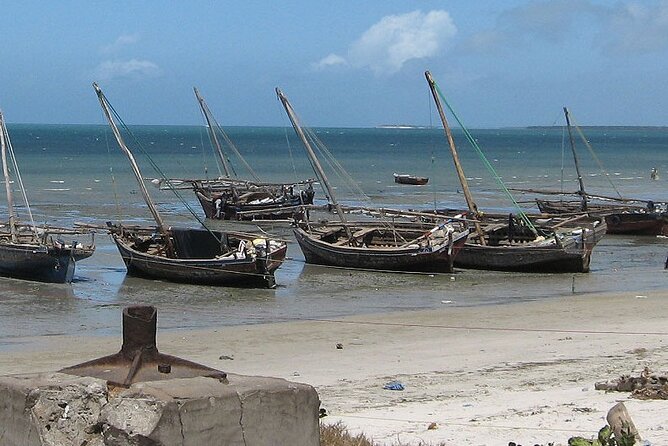
The overview for this experience promises more than just ruins and museum walls. You’re also shown the magic of Bagamoyo and its surrounding mangrove forest and beaches.
Even though the written stop list focuses on named sites, the “in between” time is part of what makes this tour feel like Bagamoyo, not just “historic places near Bagamoyo.” When you travel along the coast, you start to understand why a port town becomes a gateway.
This matters for your memory of the day. Without the coastal context, the slavery and shipping stories can feel like something that happened far away. With it, you connect the routes to the physical world around you.
So when you’re in the vehicle between stops:
- Keep your eyes up during transitions.
- Ask the guide if there’s a view worth noting.
- Use the drive time to connect the story of trading, settlement, and shifting power.
Private Pace, Real Local Timing, and What to Bring
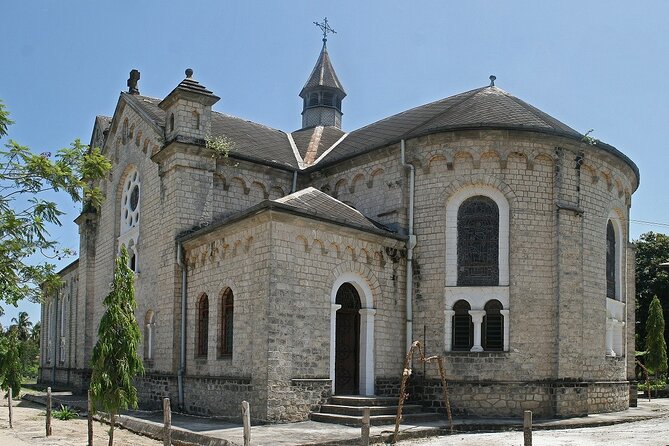
Because the tour is private, it is built around your rhythm. That’s not just comfort, it changes your learning. You can take a moment at a site to think about what you just heard, and you do not feel the pressure of a rigid group stampede.
That said, the day is still long at about 8 hours, starting at 8:00 am. You’ll want to treat it like a full-day outing, not a short walk.
Here’s how I’d prep based on what’s explicitly part of the experience:
- You should plan for lunch on your own since lunch is not included.
- You’ll be moving between multiple historical sites, so comfortable shoes help.
- It requires good weather, so if conditions are poor, expect the operator to adjust by offering a different date or a refund.
Also, you’re in air-conditioned comfort during transit, which helps if you’re sensitive to heat. But once you’re at sites, you’ll still be outdoors.
On the people side, I also like the human reliability element. In the feedback, Derrick is described as prompt and safe, and Sadiq as very informative. Those two roles matter because they control the flow of the day. Good driving reduces stress, and a strong guide turns facts into something you remember.
Who This Tour Fits Best (and Who Should Think Twice)
This tour is ideal if you want a guided day in Bagamoyo that connects multiple time periods without bouncing around on your own.
It fits particularly well if you:
- Like history that ties directly to geography, like port access and settlement changes
- Want a private guide who can explain what you are seeing
- Prefer a structured route where admissions are included, so you don’t keep budgeting for entry fees
- Care about understanding how Bagamoyo functioned as a trading center, including German-era and Arab-era connections
Who should think twice:
- If emotional historical topics are difficult for you, the slavery and prison themes may feel heavy, especially starting right with Old Fort.
If you are traveling with teenagers or family members, the tour can still work, but I’d suggest you think carefully about how your group handles hard history and whether you can pause when needed.
Should You Book This Bagamoyo Historical Tour?
For me, the decision comes down to one point: you’re paying $199 for a day that includes transportation, major admissions, and guided connections across sites. When those elements are bundled, it’s easier to do a high-quality day without extra friction.
I’d book this if you want the real Bagamoyo, not just a quick look. The mix of Old Fort, Old Boma, Kaole Ruins, and the Holy Ghost Mission museum gives you a full arc, from trading and settlement to imprisonment, missionary documentation, and the Livingstone link.
I’d skip or at least reconsider if you want a lighter, purely scenic day. This tour spends real time on the darker mechanics of history, including how captives were moved toward departures.
If you do book, pick a day with good weather, bring lunch money, and give yourself permission to feel the weight of what you learn. The payoff is a day where the coastline is not background. It’s the reason the story happened.
FAQ
How long is the Bagamoyo Historical Tour (Everyday)?
The tour lasts about 8 hours.
What time does the tour start in Dar es Salaam?
The start time is 8:00 am.
Is pickup included?
Yes, pickup is offered.
What’s included in the price?
The price includes an air-conditioned vehicle and all fees and taxes, and admission tickets are included for the listed stops.
Is lunch included?
No. Lunch is not included, but you can stop for lunch during the day.
What if the weather is bad?
This experience requires good weather. If it is canceled due to poor weather, you’ll be offered a different date or a full refund.
What is the cancellation policy?
You can cancel for a full refund up to 24 hours in advance. If you cancel less than 24 hours before the experience start time, the amount paid will not be refunded.
Dar es Salaam and Its Coast
- Dar es Salaam: City Tour
★ 4.7 · 159 reviews - Dar es Salaam City Center: Walking Tour
★ 4.8 · 102 reviews - Dar es Salaam City Tour – Everyday
★ 5.0 · 64 reviews - 2 Days 1 Night Mikumi National Park from Dar es salaam
★ 5.0 · 60 reviews - The Best/Top Rated Cultural City Tour in Dar es Salaam
★ 5.0 · 57 reviews
Just added from around Dar es Salaam





Dar es Salaam City and Coastal Escapes, compared.
 ★ 4.7Dar es Salaam: City TourFrom $77159 reviews
 ★ 4.8Dar es Salaam City Center: Walking TourFrom $30102 reviews
 ★ 5.0Dar es Salaam City Tour – EverydayFrom $9764 reviews
 ★ 5.02 Days 1 Night Mikumi National Park from Dar es salaamFrom $67060 reviews
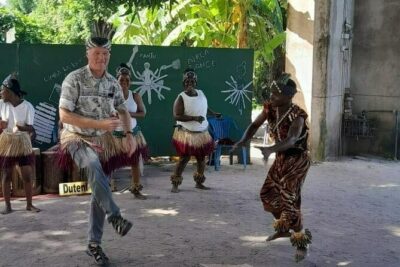 ★ 5.0The Best/Top Rated Cultural City Tour in Dar es SalaamFrom $9057 reviews
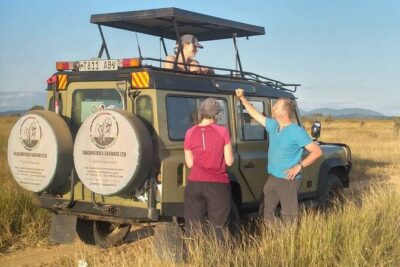 ★ 5.0Private Full-Day Trip to Mikumi National Park from Dar es SalaamFrom $55054 reviews
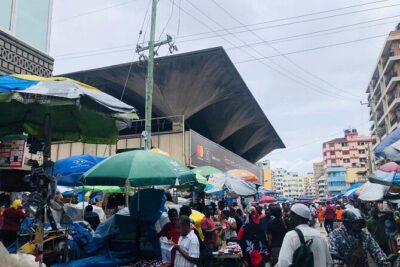 ★ 5.0Dar Es Salaam City Tour (Full Day With Private Guide And Car)From $14539 reviews
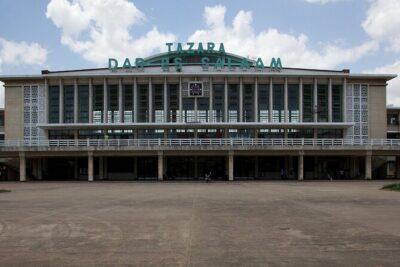 ★ 4.5Full-Day Private Tour of Dar es SalaamFrom $16037 reviews
Browse the lists this tour appears in