
REVIEW · DAR ES SALAAM CITY AND COASTAL ESCAPES
Bagamoyo Historical Tour – Everyday
Old ports have sharp lessons for modern travelers. Bagamoyo, once the formal capital of German East Africa, is a real day trip with big stories: trade, faith, and the human cost that shaped this coast. I love how the tour hits key sites in a logical route, and I especially like the way the guide brings the places to life with clear narration, including what life and power looked like in the port city.
Two moments that really stuck with me are Kaole Ruins, with their 30 tombs and the oldest mosque in East Africa, and the Catholic Museum/Livingstone stop, which traces Christianity’s early footprint here. One drawback to plan around: the guide’s English level can vary, so if you want very technical wording, pick a time and ask questions in advance.
In This Review
- Key Highlights You’ll Actually Care About
- Getting from Dar es Salaam to Bagamoyo in 8 Hours
- Kaole Ruins and the Portuguese-Tipped Timeline
- The Slave and Ivory Trade Prison, and Why Bagamoyo Means Heartbreak
- Old Boma and German Colonial Echoes You Can Still Walk Through
- The Catholic Museum, Livingstone, and the First Cross of 1867
- Beaches, Warm Hospitality, and What a Calm Finish Looks Like
- Price and Value for an 8-Hour Heritage Day
- Who This Tour Fits Best
- Should You Book the Bagamoyo Historical Tour?
- FAQ
- Where is Bagamoyo located?
- How long does the Bagamoyo Historical Tour last?
- What does the price include?
- Are meals included?
- Do I get hotel pickup?
- What language is the guide?
- Is the tour wheelchair accessible?
- Can I cancel for a refund?
- Can I reserve now and pay later?
Key Highlights You’ll Actually Care About
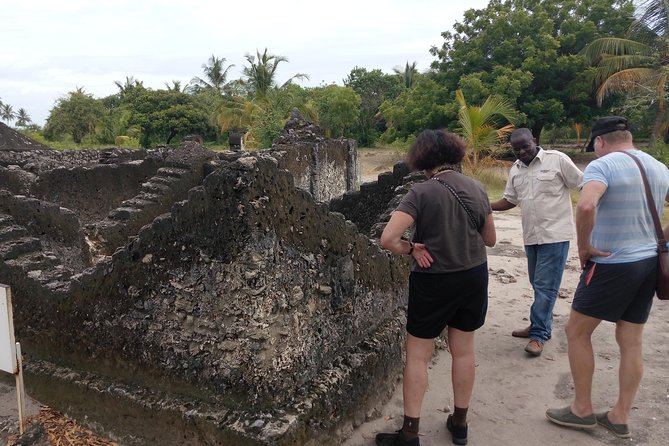
- Kaole Ruins with 30 tombs and East Africa’s oldest mosque
- The prison tied to the slave and ivory trade
- Old Boma, German-built in 1897, later taken over by the British
- Dr. Livingstone resting place at the Catholic Museum
- First Cross erected in 1867 by French missionaries
- Comfort basics on the road, air-conditioned transport plus water and soft drinks
More around Dar es Salaam and its islands
- Dar es Salaam: City Tour★ 4.7 · 159 reviews
- Dar es Salaam City Center: Walking Tour★ 4.8 · 102 reviews
- Dar es Salaam City Tour – Everyday★ 5.0 · 64 reviews
- 2 Days 1 Night Mikumi National Park from Dar es salaam★ 5.0 · 60 reviews
Getting from Dar es Salaam to Bagamoyo in 8 Hours
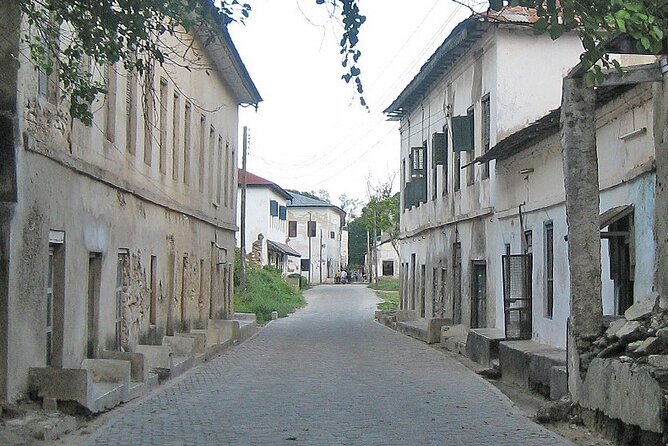
This is an 8-hour outing based in Bagamoyo, about 65 kilometers north of Dar es Salaam along the coast opposite Zanzibar. You start with air-conditioned transportation, and you get a driver pickup from your hotel lobby, with a sign and your name. That part matters, because Dar can feel chaotic, and you do not want to waste your history day hunting for the meeting point.
On the ride, you get the “why this town matters” context early. Bagamoyo is not just one monument. It is a whole coastal story of migration routes, trade routes, and foreign influence that turned a local port into an international crossroads. One review I read singled out how the narration covered things like immigration, controllers, leaders, education, art, and the port’s overall feel. That is the kind of setup that helps later stops make more sense.
You’ll also feel the shift as you leave the Dar energy behind and head toward Bagamoyo’s slower rhythm. The day becomes part museum visit, part coastal walk, part reflection. It is a good format when you want history without feeling trapped in a building all day.
Practical note: meals are not included. You should plan something before you go, or set aside cash and time for food on your own back in town. The tour does include water and soft drinks, which helps, but it does not replace a proper meal.
Kaole Ruins and the Portuguese-Tipped Timeline
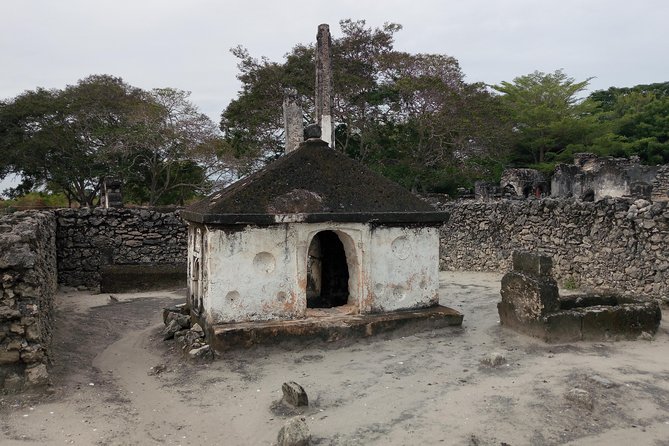
Kaole is about 5 kilometers south of Bagamoyo, and it gives you one of the tour’s most concrete “how places change” lessons. This is where you see remnants of an ancient Arab town of Kaole that declined after the Portuguese arrived in the 15th century.
The ruins you’ll walk among include around 30 tombs, and you’ll also see the oldest mosque in East Africa. That combination is powerful because it turns a broad historical claim into something physical. You are not just hearing that Kaole faded, you are looking at the edges of that era.
What I like about this stop is how it balances local and outside forces. Portuguese arrival is the kind of detail that sounds abstract until you stand somewhere that still shows the earlier period. You start to understand decline as a process, not a sudden switch: trade routes shift, people move, institutions weaken, and architecture becomes a memory.
The Kaole stop is also a good pace reset. The prison and colonial buildings that come later are heavier and more politically charged. Kaole gives you a quieter, archaeological kind of focus, where you can slow down and absorb what remains.
What to consider: this is a ruins visit. You’ll want comfortable shoes and the mindset that you are seeing partial structures, not a fully restored “theme park” scene. If you like history that shows scars, this will land well.
The Slave and Ivory Trade Prison, and Why Bagamoyo Means Heartbreak
After Kaole, the tour turns toward the darker machinery of the port. You’ll visit reminders tied to the slave and ivory trade, including the prison where enslaved people were held captive.
This is not a gentle stop, and it is not meant to be. The word Bagamoyo, also given locally as Bwagamoyo, is explained as meaning Here I throw down my heart. That phrasing matters because it signals despair, the feeling of people being forced into a future they would not survive or would never return from.
In practical terms, this is where the tour stops being just geography and becomes moral history. Bagamoyo’s coastal position made it profitable to outsiders, and profit helped create systems that treated humans like cargo. When you see the space described as a holding place, it makes the scale feel real in a way that reading alone often cannot.
One useful way to approach this stop is to let your guide’s story do its work, then ask yourself what the port economy depended on. If you understand the purpose, you understand why other places in the town also show foreign control, colonial architecture, and “administration” that feels oddly bureaucratic for what it enabled.
If you prefer light and upbeat history, you might not love this part. But if you want the full picture of Bagamoyo, you should be ready for it.

Old Boma and German Colonial Echoes You Can Still Walk Through
Next comes the colonial era, and it is one of the most visually memorable sections because you can connect it to a clear timeline.
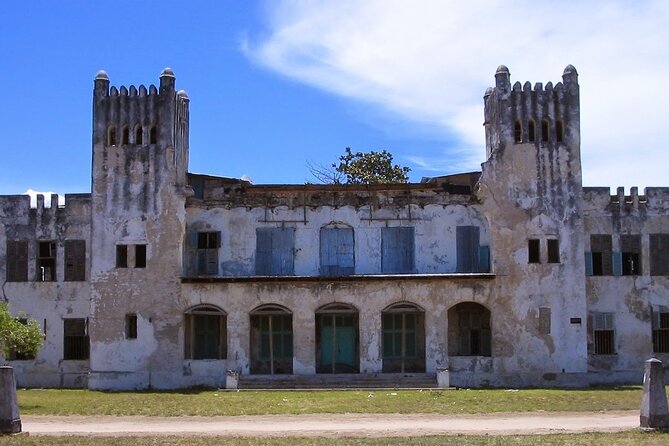
You’ll visit the Old Boma, described as a statehouse constructed by the Germans in 1897. After the first World War, it was taken over by the British. Walking through a structure like this (and hearing how control shifted) makes the whole “who ruled what” story much easier to hold in your head.
This stop also includes tombs of German leaders who perished during the first World War. That detail adds a second layer: the town is not only a stage for power on paper. It is also a place where people lived and died, and where empires left both buildings and personal remnants behind.
I appreciate how this part links to the earlier trade story. German East Africa did not appear out of nowhere. It built on patterns that had already made Bagamoyo strategic: coastal transport, export markets, and foreign interest in controlling access.
Possible drawback: this portion can feel politically intense, especially if you have been carrying the prison stop’s emotions. If you know you’ll get overwhelmed, give yourself a small buffer afterward by taking a breather, drinking your included water, and focusing on how the architecture and the dates tell the story.
The Catholic Museum, Livingstone, and the First Cross of 1867
If the slave-trade prison is the tour’s emotional anchor, the next religious history stops act like a second “map layer” over the same coast.
You’ll visit the Catholic Museum, including the former resting place of Dr. Livingstone. This is a chance to trace Christianity’s roots in Bagamoyo with a very recognizable name attached to the story. Even if you do not know Livingstone’s biography in detail, the museum framing helps you place him in the broader pattern of European exploration and mission activity along the coast.
Then you’ll see the First Cross, erected in 1867 by French missionaries. That is a very specific date, and you can use it as a benchmark for how long missionary activity and foreign religious presence have been tied to this region.
What I like about ending up here is how it shows the port’s range of influence. Bagamoyo was not only about trade and coercion. It was also a meeting ground where religion, education, and foreign networks took root, sometimes alongside conflict, sometimes because of it.
This section also works well for first-time visitors to Tanzania. It gives a clear, chronological thread, so your brain has something orderly to hold while the broader history is complex.
Beaches, Warm Hospitality, and What a Calm Finish Looks Like
After the heavier sites, the tour leaves room for Bagamoyo’s softer side. You’ll get time to enjoy the warm hospitality of the town, along with beaches and hotels that make Bagamoyo a reasonable place to slow down after a long day.
This part is practical, not just pretty. You need a mental cooldown after history that includes forced captivity and colonial control. A coast walk lets you rejoin the present reality: salt air, people living their lives, and the simple fact that this town is more than a set of ruins and records.
I also like that this is not a “fly in, see one sight, fly out” experience. You are given enough hours to feel like you visited a destination, not just a stop on a checklist.
One consideration: since meals are not included, use the beach time thoughtfully. If you want a proper dinner afterward, plan for it so you are not stuck deciding where to eat with limited daylight or energy.
Price and Value for an 8-Hour Heritage Day
At $187 per person for an 8-hour tour, you are paying for more than someone driving you around. This price covers air-conditioned transportation, an English-speaking guide, water, and soft drinks, plus access to a route that connects multiple historical sites across Bagamoyo and nearby Kaole.
Here’s how I see the value. The drive from Dar es Salaam is long enough that you want comfortable transport and a set plan. The tour then strings together several “must-know” stops: Kaole ruins, the slave-trade prison area, German colonial landmarks at the Old Boma, and Christianity-linked locations including the Catholic Museum and Livingstone resting place.
If you tried to do this solo, you’d likely spend time organizing transport, sorting out guides for each site, and figuring out how to sequence the visits efficiently. The tour price looks more fair when you think about time saved and the guide’s narration connecting the dots.
What to watch: one review flagged that the tour guide’s English level can be low. The tour states English-speaking, but quality can still vary. If English precision matters to you, ask for confirmation before you go, or bring a willingness to accept simpler explanations and ask follow-up questions on the spot.
Who This Tour Fits Best
This Bagamoyo day trip is a good match if you want a coast history that does not shy away from hard topics. You’ll enjoy it if you like:
- Clear links between trade, power, and how towns change
- A structured route across major sites in one day
- Learning the meaning behind names like Bwagamoyo and the story context for Kaole’s decline
It’s also a solid choice if you want some relaxation at the end. Bagamoyo’s beaches and hotel zone make it easier to transition from museum mood to downtime without planning an extra separate day.
If you dislike emotional historical topics, the prison stop may feel too heavy. If English narration is critical for your enjoyment, consider that guide language quality may not be consistent.
Should You Book the Bagamoyo Historical Tour?
I’d book this if you want an efficient, guided day that connects Kaole, the slave-trade prison, Old Boma, and Christianity-linked landmarks into one coherent story. The comfort perks and included water help, and the ending at the beach gives you a nice mental reset.
I would hesitate if you need advanced English delivery every minute, or if you strongly prefer only upbeat history. In that case, you might still enjoy it, but be ready for the prison and the colonial-era content to steer the mood of the day.
FAQ
Where is Bagamoyo located?
Bagamoyo is in Tanzania’s Pwani Region, about 65 kilometers north of Dar es Salaam on the coast, opposite Zanzibar.
How long does the Bagamoyo Historical Tour last?
The tour duration is 8 hours.
What does the price include?
It includes air-conditioned transportation, an English-speaking guide, water, and soft drinks.
Are meals included?
No, meals are not included. Alcohol is also not included.
Do I get hotel pickup?
Yes. Pickup is included, and the driver will wait in your hotel lobby with a sign that has your name on it.
What language is the guide?
The guide is English-speaking.
Is the tour wheelchair accessible?
Yes, the tour is wheelchair accessible.
Can I cancel for a refund?
You can cancel up to 24 hours in advance for a full refund.
Can I reserve now and pay later?
Yes. The tour offers a reserve now and pay later option, so you can book your spot without paying today.
Dar es Salaam and Its Coast
- Dar es Salaam: City Tour
★ 4.7 · 159 reviews - Dar es Salaam City Center: Walking Tour
★ 4.8 · 102 reviews - Dar es Salaam City Tour – Everyday
★ 5.0 · 64 reviews - 2 Days 1 Night Mikumi National Park from Dar es salaam
★ 5.0 · 60 reviews - The Best/Top Rated Cultural City Tour in Dar es Salaam
★ 5.0 · 57 reviews
Just added from around Dar Es Salaam





Dar es Salaam City and Coastal Escapes, compared.
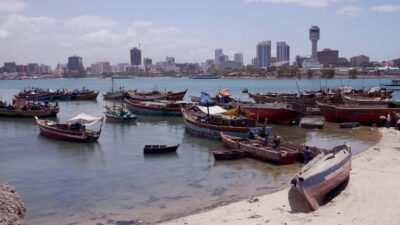 ★ 4.7Dar es Salaam: City TourFrom $77159 reviews
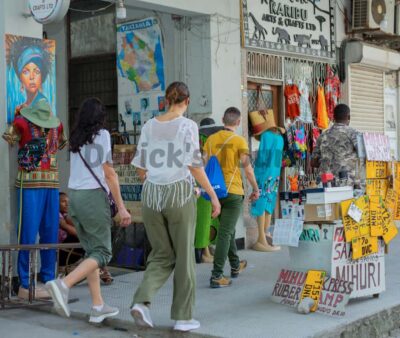 ★ 4.8Dar es Salaam City Center: Walking TourFrom $30102 reviews
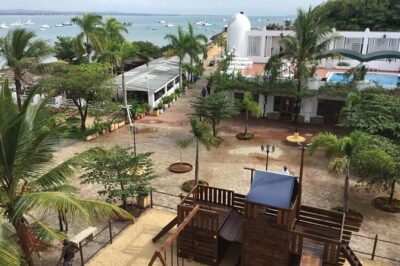 ★ 5.0Dar es Salaam City Tour – EverydayFrom $9764 reviews
 ★ 5.02 Days 1 Night Mikumi National Park from Dar es salaamFrom $67060 reviews
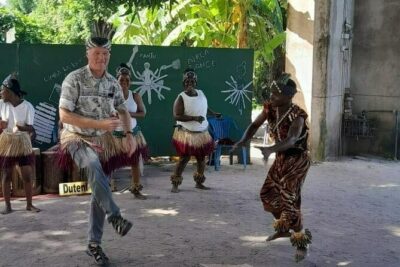 ★ 5.0The Best/Top Rated Cultural City Tour in Dar es SalaamFrom $9057 reviews
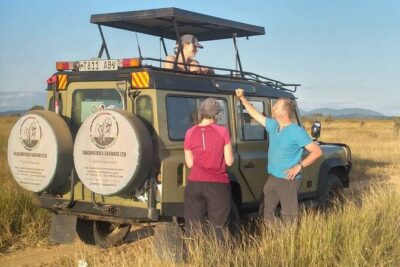 ★ 5.0Private Full-Day Trip to Mikumi National Park from Dar es SalaamFrom $55054 reviews
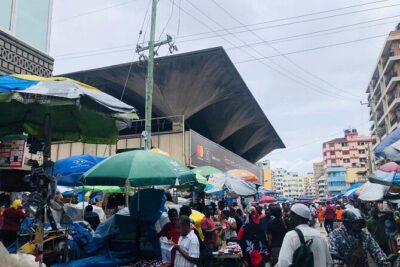 ★ 5.0Dar Es Salaam City Tour (Full Day With Private Guide And Car)From $14539 reviews
 ★ 4.5Full-Day Private Tour of Dar es SalaamFrom $16037 reviews
Browse the lists this tour appears in