
REVIEW · WALKING TOURS
Arusha; Walking City Tour History, Culture & Lifestyle
Arusha feels like a real city. This walking tour threads together museums, markets, and central landmarks, guided by people like Israel or Daudi who explain what you are seeing and why it matters. You start at the Natural History Museum in a former German fortress, then keep moving through the city at street speed, with stops like the Clock Tower and the Maasai Market.
Two things I really like: the way the tour starts with the Natural History Museum so Arusha’s past has context before you hit daily life, and the focus on walking local streets instead of just snapping photos from a taxi window. If you enjoy learning how places work, the route makes it easy to connect culture, politics, and commerce in one day.
The one consideration is simple: you are on your feet for 4 to 8 hours. If you have mobility limits, or you cannot do moderate walking, this route is not for you, and comfortable shoes stop being optional.
In This Review
- Key highlights worth your time
- Entering Arusha by Foot, Not by Checklist
- Natural History Museum in a German Fortress, Why That Matters First
- Government District Walk: EACHQ, Mount Meru Hospital, and AICC
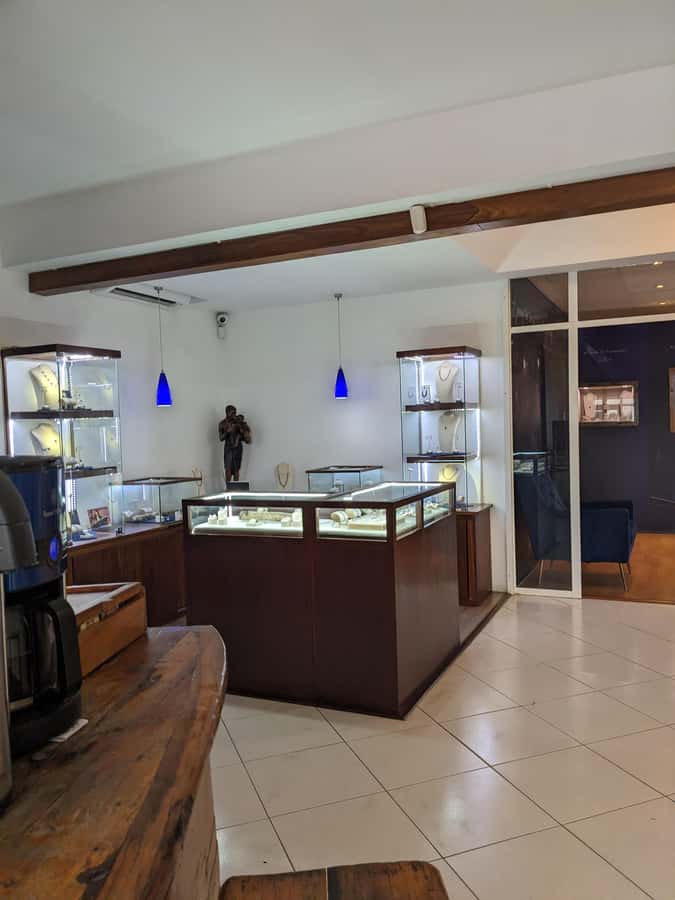
- Tanzanite Experience Museum: Learn the Stone, Then Decide If You Want to Buy
- Maasai Market: Crafts, Jewelry, Textiles, and Real Street Energy
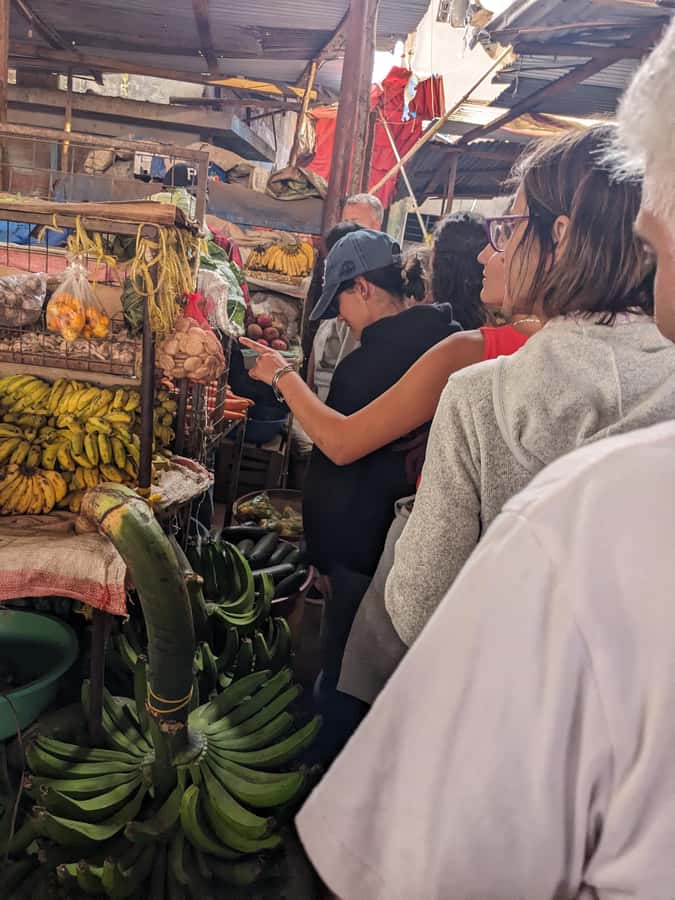
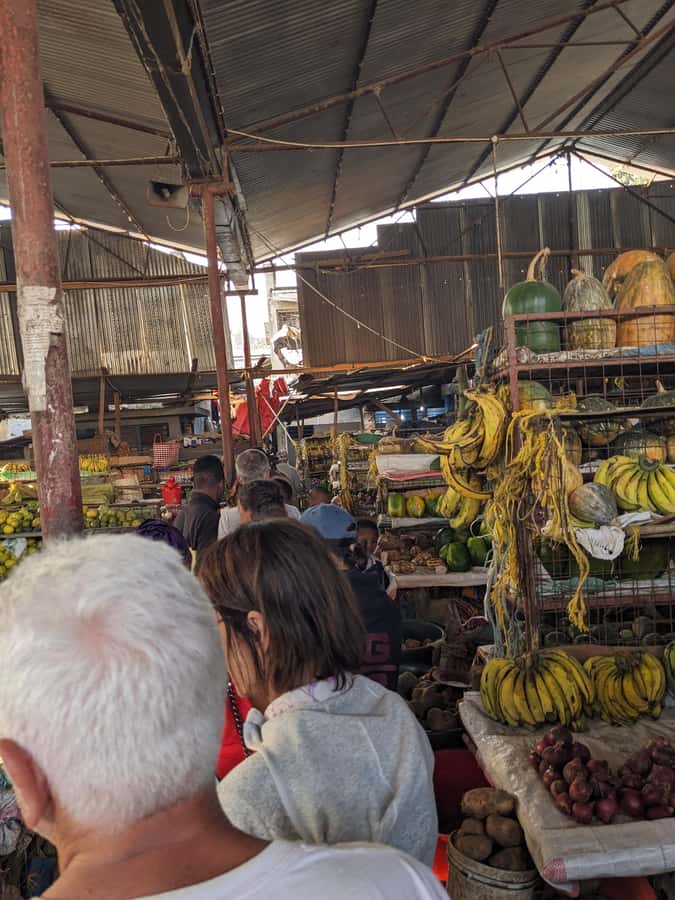
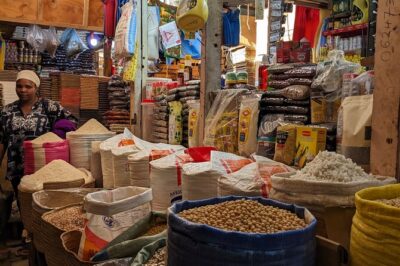
- Central Food Market: Where Colors, Smells, and Everyday Snacks Take Over
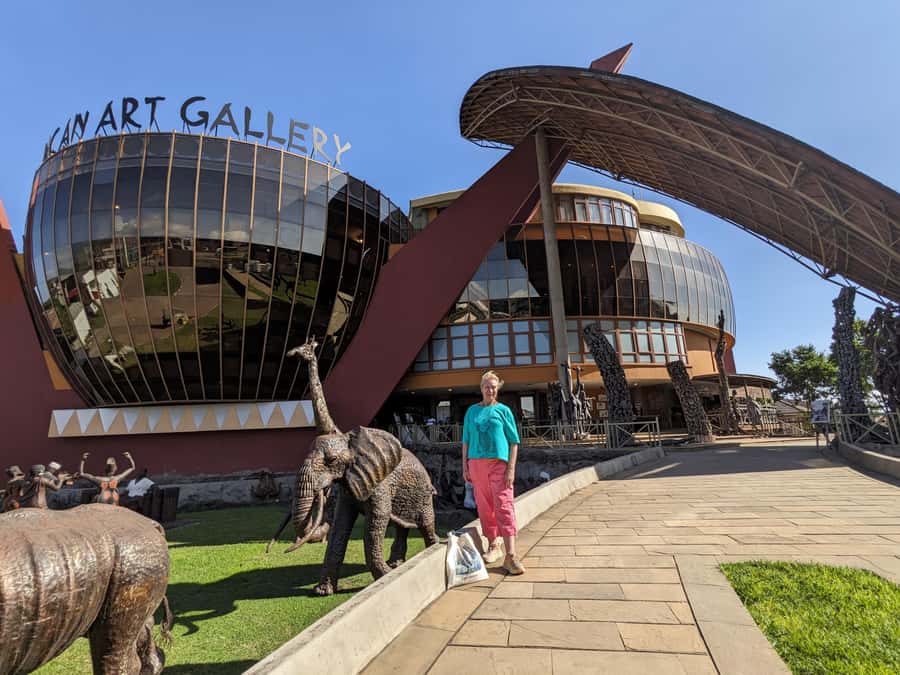
- African Art Gallery and Cultural Heritage Centre: Context After the Markets
- Price, Walking Time, and What Costs Extra (So You Are Not Guessing)
- Tips That Make the Whole Tour Work Better
- Who This Arusha Walking Tour Fits Best
- Should You Book This Arusha Walking City Tour?
- FAQ
- How much does the Arusha Walking City Tour cost?
- How long is the tour?
- Is pickup and drop-off included?
- Where does the tour start?
- Which museum fees are not included?
- What stops are included in the tour?
- Do I need cash during the tour?
- Is food and drink included?
- What language is the guide?
- Is the tour refundable if plans change?
Key highlights worth your time
- German fortress Natural History Museum first, so the rest of the city has meaning
- East African Community, Mount Meru Hospital, AICC passed on foot in the government district
- Tanzanite Experience Museum with history, plus time to shop if you want
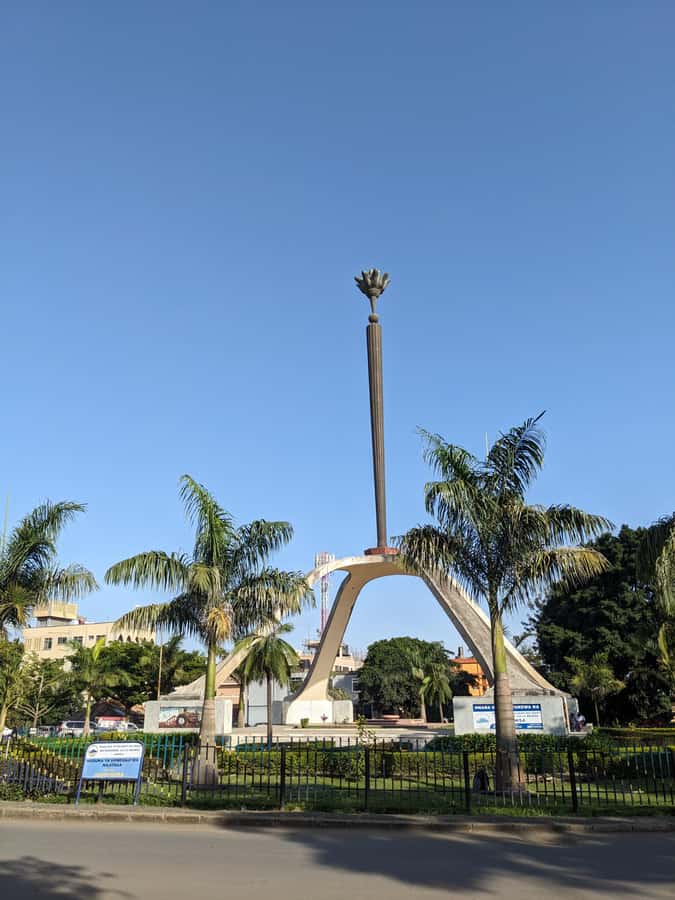
- Clock Tower area including the midpoint idea between Cairo and Cape Town
- Maasai Market and Central Food Market for crafts, textiles, spices, and everyday bites
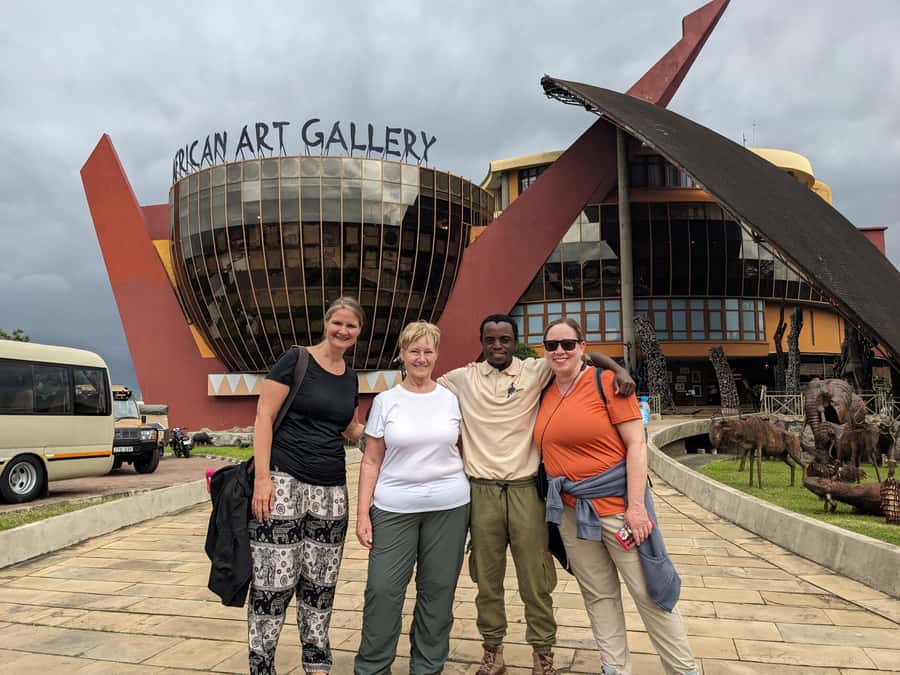
- African Art Gallery and Cultural Heritage Centre for a bigger picture of African art and heritage
Entering Arusha by Foot, Not by Checklist
Arusha can be a great launch point for Tanzania. But it can also feel oddly hard to “crack” at first, especially if you only have a short stay. This walking tour does the job by structuring your day around places that locals actually use and talk about, from museums to markets.
The best part is the human layer. Guides I noticed across the experience, including Israel, Daudi, Innocent, and John, do more than point. They answer questions as you go, explain what you’re looking at, and keep the pace feeling like a long conversation. One guide even helped with a SIM card for practical city life, which tells you this is not just a photo parade.
You also get the value of walking in the middle of town. Street corners, small shops, and market rhythms make it easier to understand how Arusha functions, not just what it looks like. You finish with better bearings for the rest of your trip.
Natural History Museum in a German Fortress, Why That Matters First
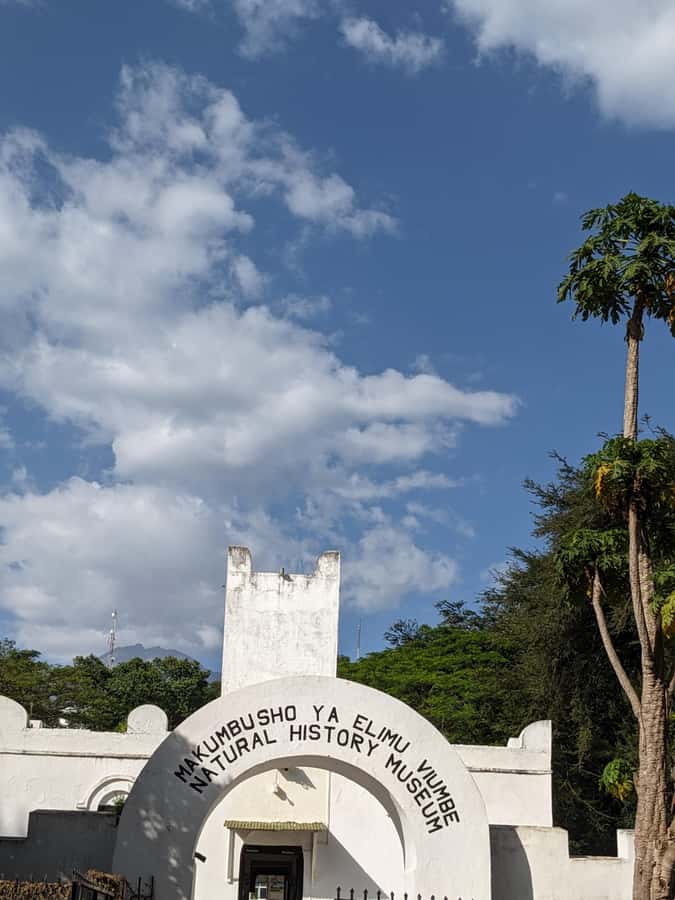
Your day typically starts at the Natural History Museum, located in a colonial-era German fortress. That matters because you are not starting with crafts or souvenirs. You start with context: how people and nature connect in this region, and how the museum tells that story.
You should plan for the museum itself to be an extra cost. The entrance fee is listed as $6 per adult, and it is not included in the base price. If you want the full “start here” effect, treat that fee as part of the experience, not a surprise.
Inside, you can expect exhibits related to:
- human evolution
- local wildlife
- the region’s past
If you like learning in layers, this is a strong opening. By the time you get to the central districts and markets later, you are not only seeing Tanzanian life, you are understanding some of the themes behind it.
Government District Walk: EACHQ, Mount Meru Hospital, and AICC
After the museum, the route moves into central Arusha, where you get to see major landmarks at walking distance. This is where the tour shifts from “history in a building” to “history you can point to on the street.”
On the route, you pass places such as:
- the East African Community Headquarters
- Mount Meru Hospital
- the Arusha International Conference Centre (AICC)
The AICC stop is especially interesting if you want to understand Arusha beyond the safari world. It is a hub for diplomacy and regional cooperation. In other words, this city is not only a gateway. It also hosts important meetings and visitors for regional affairs.
One of the underrated parts of walking here is tempo. From street level, you can notice the scale of buildings, how people move between appointments and daily errands, and how the city balances formality with everyday life.
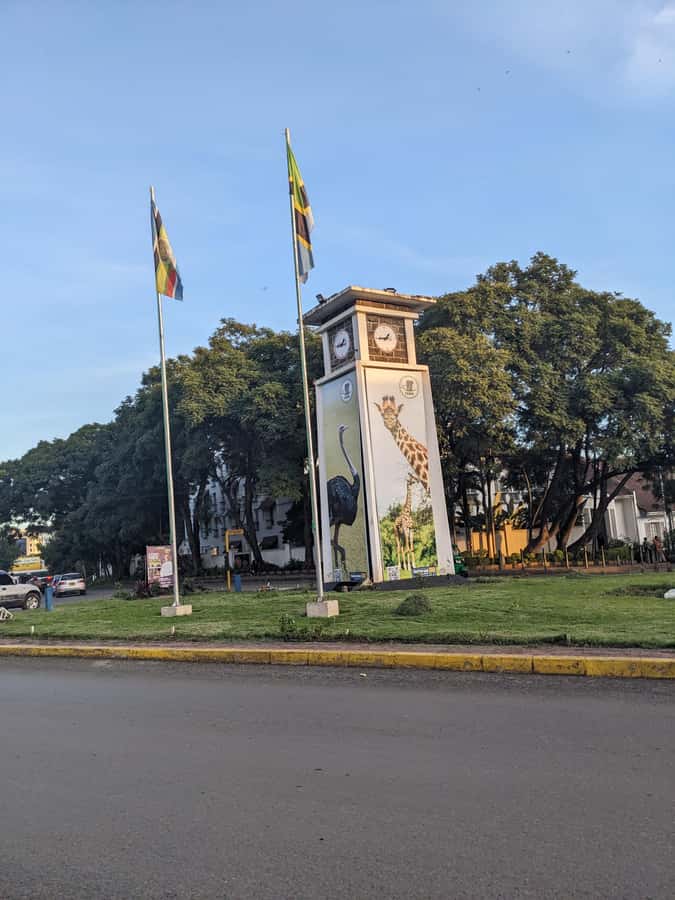
You might also spot nearby public landmarks in the same central area, like the Clock Tower region. One highlight many people named was the Clock Tower, tied to the idea of being a midpoint between Cairo and Cape Town.
Tanzanite Experience Museum: Learn the Stone, Then Decide If You Want to Buy
Next up is the Tanzanite Experience Museum. This is where the tour becomes more interactive, because Tanzanite is not just a product. It is a story, and you get that story in museum form before the shopping moment.
What you can expect:
- learning the history and mystery around Tanzania’s rarest gemstone
- time to shop if you want
Now, let’s be practical. Tanzanite shops exist all over the region, and prices can vary. The value of the museum stop is that it can help you ask better questions when you reach the point of buying. Even if you do not purchase anything, it changes the shopping conversation from random to informed.
Some tours also build in a few souvenir moments. You may find that guides can hold items while you keep walking, so you are not juggling bags the whole time. If shopping is on your plan, this kind of small organization helps.
Maasai Market: Crafts, Jewelry, Textiles, and Real Street Energy
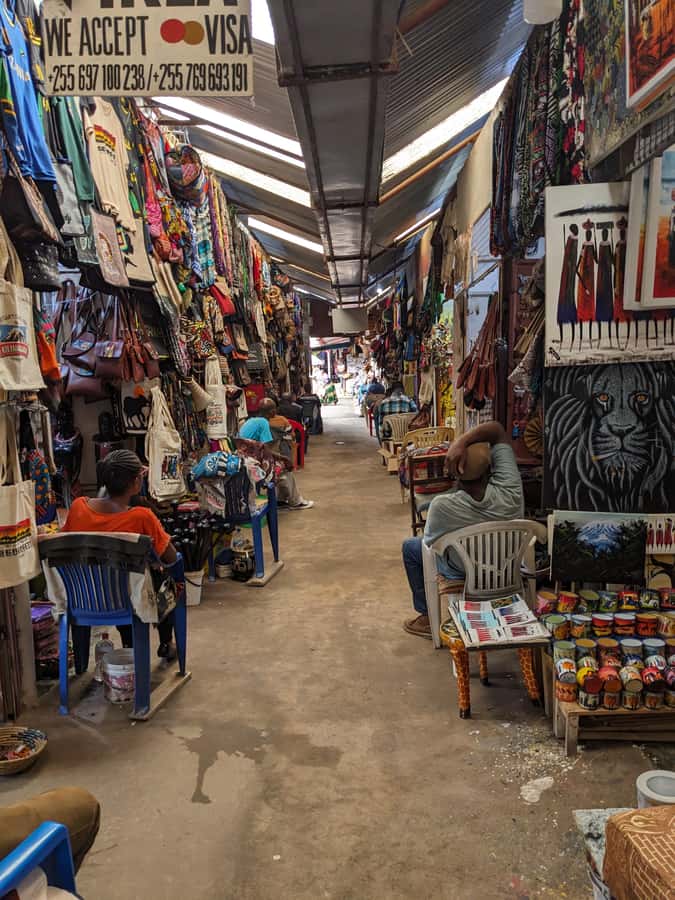
Then comes the Maasai Market, one of the loudest, most colorful parts of Arusha’s commercial life. This is your “slow down and look closely” section, because crafts, jewelry, and textiles tend to be layered with local design choices.
What I like about visiting a market with a guide is that you get help decoding what you are seeing. You’re not stuck guessing. You can ask what items mean, how people use them, and what makes a piece typical. Guides also tend to keep the experience respectful and conversational, rather than turning it into a rushed shopping stop.
One key thing to remember is that markets are not museums. You will hear sales talk and see fast movement. If you want the most positive experience, bring a calm mindset and plan to browse rather than buy immediately.
Also, bring cash. The tour lists cash as a bring-along item for a reason, and it will make your market stops easier.
Central Food Market: Where Colors, Smells, and Everyday Snacks Take Over
After crafts, you shift to food. The Central Food Market is where you feel Arusha in a different way, through produce, spices, and street food smells.
This stop is great for two reasons:
- you learn what people buy day to day
- you get a more sensory sense of local life, not just cultural history
The tour description calls out the colors and aromas of local produce and spices. That is the kind of detail that makes the markets feel real, because you are not only seeing objects, you are absorbing the shopping and eating rhythm.
If you are someone who likes to taste when you travel, this is a smart moment to do it. Drinks and food are not included in the tour price, but that gives you freedom to choose what you want to try, based on your comfort and budget.
And since this is walking, you can pause, compare, then move on without the feeling of being trapped in a restaurant schedule.
African Art Gallery and Cultural Heritage Centre: Context After the Markets
By the time you reach the African Art Gallery and Cultural Heritage Centre, you have already seen daily life and commercial energy. This part adds a longer lens.
You can expect:
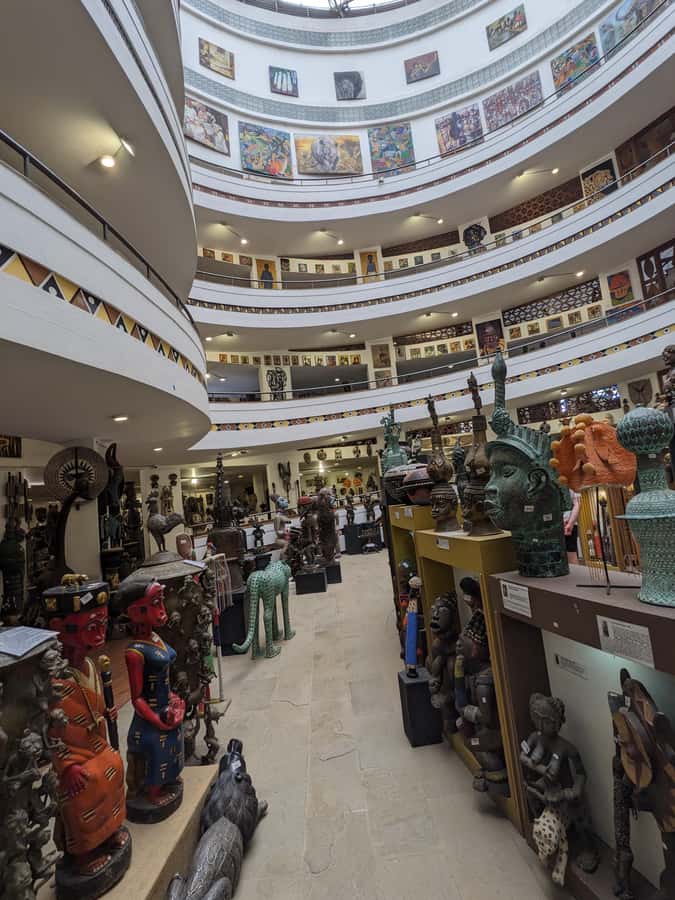
- an extensive African art collection
- a cultural heritage focus that helps you connect the dots between objects you saw at markets and the art displayed in a gallery setting
People who enjoyed this portion often said the art amount felt overwhelming in a good way, meaning you can easily lose track of time. That is a good problem. It usually means there is more to see and more to ask about than you expected.
If you are short on museum time elsewhere in Tanzania, this stop can still deliver a worthwhile cultural payoff.
Price, Walking Time, and What Costs Extra (So You Are Not Guessing)
Let’s talk value. The price is $28 per person, and the tour runs about 4 to 8 hours. For a city tour that includes multiple guided stops and museum time, that is a reasonable entry price.
But here are the costs you should expect:
- Natural History Museum entrance fee is $6 per adult, not included
- drinks and food are not included
- pickup and drop-off is included only for hotels near the city center, with the tour noting about 3 KM away from the city center
- if your hotel is more distant, there can be an extra pickup cost
- private transport is an extra cost if needed
So the value question is not only the $28. It is whether the guide is saving you time and confusion. Based on how guides described their approach, many people get a more tailored feel, like advice for practical city stuff and options based on what you care about. Guides such as Israel and Daudi in particular were praised for knowledge, flexibility, and making the day feel personal.
Also, note the tour lists that it can be flexible with holding or helping with souvenir purchases. If you do plan to buy something, that kind of help matters.
Tips That Make the Whole Tour Work Better
This is a walking tour, so the best advice is boring for a reason. Here’s what will help you have an easier day.
Bring:
- comfortable shoes
- sun hat
- camera
- sunscreen
- water
- cash
Wear:
- breathable clothing suitable for the weather
Then, plan your expectations:
- You are doing moderate walking, and the duration can stretch up to 8 hours.
- You will be outside a lot, so sun protection matters.
- Markets can be busy and slightly chaotic, so keep your phone and valuables secure and your pace unhurried.
One more tip I liked from the experience vibe: treat the guide like a city translator. If you care about food, ask where to try something specific. If you care about culture, ask what symbols or designs mean. Guides like John and Innocent were praised for interacting with locals and answering questions, which makes the walk feel less like a route and more like a guided conversation.
Who This Arusha Walking Tour Fits Best
This works best for you if:
- you want a first-day orientation in Arusha
- you enjoy museums and markets in the same day
- you like learning through street-level context, not just landmarks from a vehicle
- you want a guide who will answer questions and keep things relaxed
It may not fit you if:
- you have mobility impairments or use a wheelchair (the tour lists it as not suitable)
- you are pregnant (also listed as not suitable)
- you cannot handle moderate walking for 4 to 8 hours
If you recently returned from safari and want a calmer cultural day, this tour can be a smart counterbalance. A few guide stories pointed to the tour being a great way to end a Tanzania trip, because it leaves you with a deeper sense of the city and the country beyond game parks.
Should You Book This Arusha Walking City Tour?
If you want Arusha to feel understandable, not random, I think this is a strong pick. The mix is practical: history at the Natural History Museum first, central landmarks on foot next, then hands-on culture through Tanzanite, markets, and African art.
Book it if:
- you have half a day to up to a full workday of walking time
- you want to see both museums and street life
- you want a guide who can adapt and help beyond just reciting facts
Skip or reconsider if:
- you need a low-walking activity
- you are uncomfortable paying the Natural History Museum entrance fee separately
- you expect food and drinks to be included, because they are not
If you do book, come with good shoes, sun protection, and a simple goal: learn how Arusha works. With the guide approach shown by Israel, Daudi, Innocent, John, and others, you are very likely to get more than a route. You get a clearer picture of the city through the people who live it.
FAQ
How much does the Arusha Walking City Tour cost?
The price is listed as $28 per person.
How long is the tour?
The duration is 4 to 8 hours.
Is pickup and drop-off included?
Pickup and drop-off at your hotel is included only for hotels near the city center, with the information noting about 3 KM away from the city center. If you are farther away, an extra cost may apply.
Where does the tour start?
The meeting point is pickup from your hotel, depending on the selected option.
Which museum fees are not included?
The Natural History Museum entrance fee is not included and is listed as $6 per adult.
What stops are included in the tour?
Included stops are the Tanzanite Experience Museum, Central food market tour, Maasai Market visit, and the African Art Gallery and Cultural Heritage Centre.
Do I need cash during the tour?
Yes. Cash is listed as something to bring, which is useful for markets and any optional purchases.
Is food and drink included?
No. Drinks and food are listed as not included.
What language is the guide?
The live tour guide language is English.
Is the tour refundable if plans change?
Yes. The tour offers free cancellation up to 24 hours in advance for a full refund.
Walking Tours, compared.
 ★ 5.0Stone Town Private Walking TourFrom $26371 reviews
 ★ 4.6Zanzibar: 3 Hours Private Stone Town walking Tour with GuideFrom $24301 reviews
 ★ 4.5Zanzibar: Stone Town Historical Cultural Walking Guided TourFrom $21179 reviews
 ★ 4.7Stonetown: Food Markets and Street Food Walking TourFrom $35151 reviews
 ★ 5.0Arusha Guided Walking City Tour, Culture, Lifestyle & HistoryFrom $26150 reviews
 ★ 5.0Zanzibar Stone Town Walking TourFrom $25145 reviews
 ★ 5.0Stone Town Historical Walking TourFrom $20143 reviews
 ★ 5.0Walking City Tour in Zanzibar IslandFrom $33122 reviews
Browse the lists this tour appears in