
REVIEW · DAR ES SALAAM CITY AND COASTAL ESCAPES
Ancient Bagamoyo City Day Tour
Bagamoyo turns a beach day into real history. This tour hits Bagamoyo Museum for the story of the slave trade and the town’s role as a coastal capital, then you continue to Kaole Ruins where the Arab period and Kiswahili language connections get explained in a straightforward way. I like that the stops are well chosen, so you do not just pass buildings, you understand why they mattered. My only caution is that some parts of the story are difficult, and you will be out for about 10 hours in coastal weather.
You get pickup and a private tour, so your group sets the pace with your guide. In past departures, guides and coordinators such as Emmanuel, Mr Erick, Miss Abby, and Jacqueline were named for being friendly, professional, and good at turning dates and places into something you can actually follow. One practical note: the schedule is packed, so comfortable shoes and a hat help a lot.
In This Review
- Key things to know before you go
- Why Bagamoyo makes a smart day trip from Dar es Salaam
- Price and logistics: what $200 buys you
- Your 7:00 am start and how to handle a full 10-hour day
- Stop 1: Bagamoyo Museum and why it sets the tone
- Stop 2: Kaole Ruins, Arab colonial chapter, and Kiswahili links
- Stop 3: Old Boma by the beach, customs, and trade strategy
- Stop 4: Old Bagamoyo Cathedral and David Livingstone connections
- Stop 5: Crocodile and reptile sanctuary, photos, and choosing your level
- Food and drinks: lunch, snacks, water, and included alcohol
- What makes the guiding style matter here
- Who this tour suits best
- Getting the most out of Bagamoyo city stops
- Should you book the Ancient Bagamoyo City Day Tour?
- FAQ
- How long is the Ancient Bagamoyo City Day Tour?
- What time does the tour start?
- Is pickup included?
- Is this a private tour?
- What is included in the tour price?
- Are admission tickets included?
- Can I drink alcohol on the tour?
- Can I hold the crocodiles at the sanctuary?
- What is the cancellation policy?
Key things to know before you go
- Museum first, context fast: Bagamoyo Museum includes admission and sets up the rest of the day.
- Kaole Ruins explain more than ruins: You get admission included and a clear link to Arab rule and Kiswahili.
- Beach-side Old Boma keeps it real: A short stop near the water shows how customs and trade worked.
- Livingstone areas plus a cathedral visit: You’ll see the old Bagamoyo Cathedral and places tied to David Livingstone.
- Crocodiles, up close and optional: At the reptile sanctuary you can hold them if you want photos.
More around Dar es Salaam and its islands
- Dar es Salaam: City Tour★ 4.7 · 159 reviews
- Dar es Salaam City Center: Walking Tour★ 4.8 · 102 reviews
- Dar es Salaam City Tour – Everyday★ 5.0 · 64 reviews
- 2 Days 1 Night Mikumi National Park from Dar es salaam★ 5.0 · 60 reviews
Why Bagamoyo makes a smart day trip from Dar es Salaam
Bagamoyo is one of those places where the coast is not just pretty scenery, it is the storyline. The town sits on a long timeline, with roots reaching back to the older Swahili settlement of Kaole, then later becoming a major trading port during German East Africa. That mix matters because you are not looking at one era, you are watching how power, trade routes, and cultures changed over time.
What I like about this kind of day tour is that it keeps history grounded. You move from a museum setting, to ruins with architecture you can visually read, to a customs building by the beach, and then to faith and famous explorer connections. It is a full slice of the town’s identity, not a single highlight.
Also, this is a private day. That means you can ask more questions, and the guide can adjust the pace if your group needs a slower moment.
Price and logistics: what $200 buys you
At $200 per person, this is not a budget hop. But it is also not just a driver and a wandering timeline. The price is positioned like a full-day small operation: pickup is offered, you get a mobile ticket, and you are on the calendar for about 10 hours.
Here is the real value angle. The tour includes lunch, snacks, bottled water, and alcoholic beverages. Admission tickets are included for Bagamoyo Museum, Kaole Ruins, and Old Boma. Other stops, like the cathedral area and the reptile sanctuary experience, are listed as free. So you are paying for guided time plus the major entry costs, instead of building the day yourself piece by piece.
One more practical detail: the tour uses a mobile ticket. That is handy when you are juggling multiple bookings and do not want to track paper.
Your 7:00 am start and how to handle a full 10-hour day
The tour kicks off at 7:00 am and runs for around 10 hours. For a day trip, that early start is what gives you enough time to cover multiple stops without feeling rushed at every single photo break.
Plan for two things: heat and walking. Even though some stops are shorter, you still spend the day moving between sites, standing to listen, and shifting between city streets and coastal areas. If you are sensitive to sun, bring a hat and use sunscreen early, not “later when you notice you need it.”
If your group includes anyone who plans to drink alcohol, remember the minimum drinking age is 18 and older.

Stop 1: Bagamoyo Museum and why it sets the tone
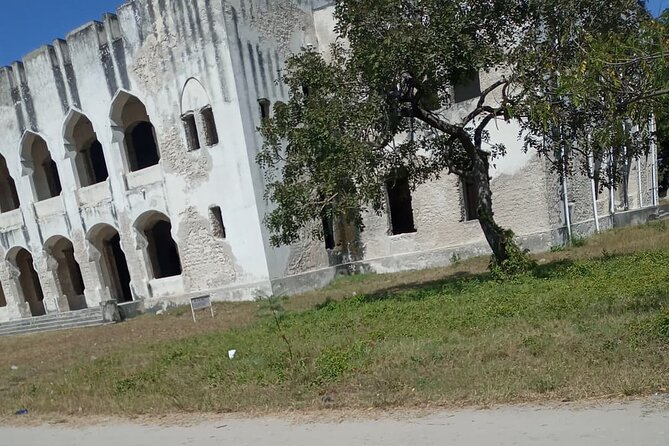
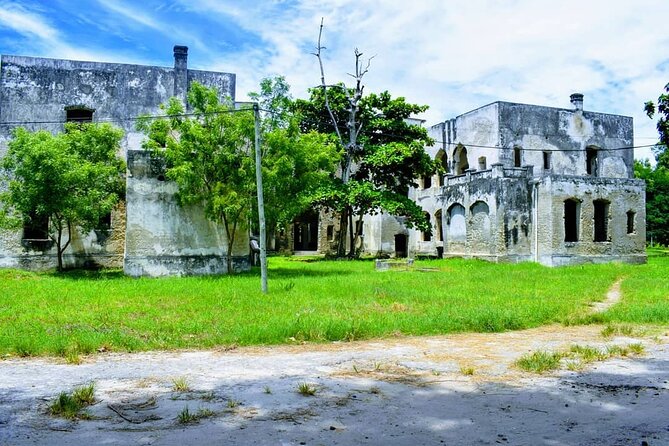
Your first major entry is Bagamoyo Museum, with admission included and about an hour on site. This is the stop that frames the whole day, because it focuses on Bagamoyo’s slave trade history and the story of the ancient coastal capital of East Africa.
This matters because the rest of the itinerary is physical: ruins, old customs structures, and older buildings connected to faith and exploration. Without context, it is easy to see objects and architecture as “old stuff.” With the museum first, you get the bigger picture, so you can connect what you are seeing outside the museum to why it existed.
A practical tip for a museum start: keep a small note list in your head as you go. Ask your guide to link what you learned to the next stop. It makes the day feel like one story instead of five separate errands.
Stop 2: Kaole Ruins, Arab colonial chapter, and Kiswahili links
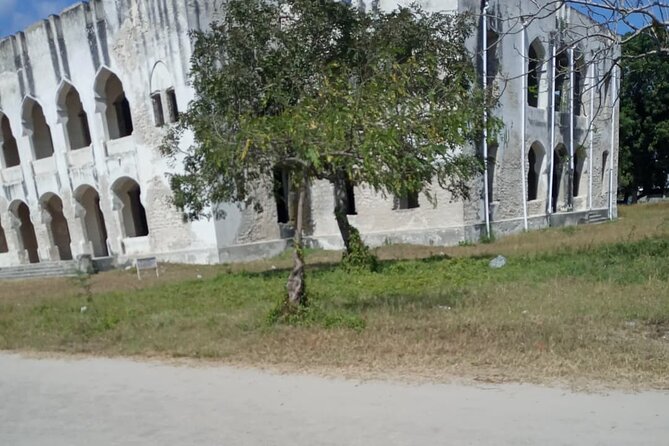
Next up are the Kaole Ruins, again about an hour, with admission included. Ruins can be hit-or-miss on tours, because sometimes guides only point and move on. Here, the focus is described as showing the advancement of the city during Arab colonial rule, and also how later trading cities emerged along the coast.
What makes this stop especially valuable is the language angle. You are not only learning about dates and rulers, you are hearing how Kiswahili emerged and spread through trade and coastal life. Even if you already know Kiswahili basics, it is useful to connect the language to the human systems that helped it grow.
One consideration: ruins weather can be unpredictable. Coastal sites can get humid fast, and sun can be intense. Wear breathable layers and plan to drink water steadily.
Stop 3: Old Boma by the beach, customs, and trade strategy
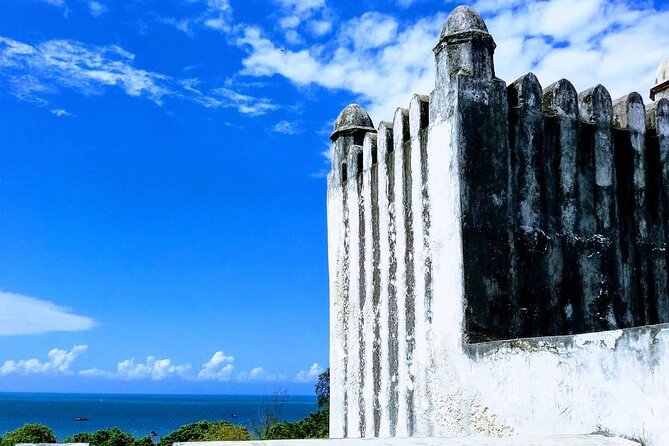
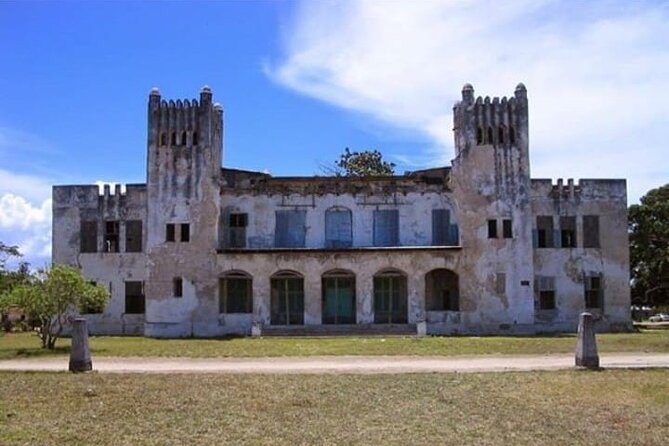
Old Boma is a shorter stop, about 30 minutes, and admission is included. It is located near the beach side close to the heart of the city, so you get a nice change of pace from ruins and museum rooms.
This is the “how the machine worked” stop. The customs building concept is exactly what you want after learning about trade in big picture terms. It helps you picture how goods moved, who controlled access, and how coastal strategy shaped daily life.
Because this stop is brief, you should use it actively. If your group has questions, now is a good moment. Ask how the customs role fit into the trading port status Bagamoyo held during colonial and pre-colonial eras.
Stop 4: Old Bagamoyo Cathedral and David Livingstone connections
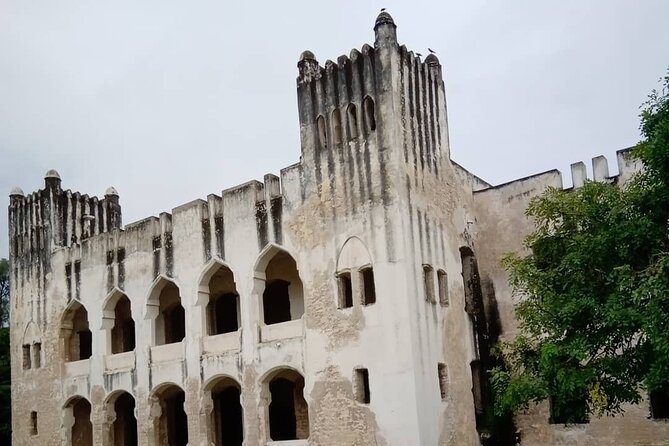
After the trade and customs focus, the tour turns toward faith and famous explorer links. You visit the old Bagamoyo Cathedral and areas connected to David Livingstone, with about an hour allocated. Admission here is listed as free.
This stop gives you another kind of reading skill. Instead of looking for how commerce functioned, you start looking at how communities built spiritual and cultural landmarks, and how famous visitors recorded and intersected with local places.
If you like history in a human-scale way, this is the part where it can start to feel less like a textbook. Cathedral visits are often calmer, too, which helps balance the more intense topics earlier in the day.
Stop 5: Crocodile and reptile sanctuary, photos, and choosing your level

The final scheduled stop is the crocodile and reptile sanctuary, with about 40 minutes on site. Admission is listed as free. This is the “release valve” portion of a heavy day, because it turns history into a living coastal reality.
The sanctuary experience includes the chance to get close to the animals, and you can hold them if you want to take great pictures. If you do not want to hold them, you can still enjoy watching and learning about the animals in a controlled setting.
Two practical notes. First, confirm with your guide how holding works on the ground, and follow instructions carefully. Second, keep your phone secure and your hands dry, because reptile encounters tend to be unpredictable with splashes and quick movements.
Food and drinks: lunch, snacks, water, and included alcohol
One big reason this day tour feels like good value is the food plan. Lunch is included, along with snacks and bottled water. Alcoholic beverages are also included, with the minimum drinking age set at 18 and older.
This changes the rhythm of the day. You do not spend time hunting for food or negotiating a meal stop mid-itinerary. It also means the guide can keep you moving instead of waiting while everyone searches for options.
I recommend treating the meals as part of your schedule. Eat what is provided, then top off water before you head into the next walking segment.
What makes the guiding style matter here
The sites on this tour are meaningful on paper, but your day depends on how the story is told. Past experiences with guides such as Emmanuel and Mr Erick, and coordination by Miss Abby and Jacqueline, are described as friendly, professional, and good at explaining the historical and cultural way of life from pre-colonial to post-colonial times.
That matters because Bagamoyo’s history is layered. You need a guide who can connect the German choice of Bagamoyo as a capital, the earlier Swahili settlement roots, the Arab coastal chapter, and the trading port reality without drowning you in names and dates.
If you like asking questions, this is a tour where you will get more out of your time by speaking up. If you prefer quieter explanations, you can also ask for shorter answers and more time to look at buildings.
Who this tour suits best
This is a strong fit for you if:
- You enjoy history tied to real places, not just museum facts.
- You want a coastal day that includes ruins, a customs site by the beach, and an animal encounter.
- You like structured itineraries where admissions and meals are handled.
It may be less ideal if:
- You want a light, carefree beach day. This is a history-focused route, and parts of the story involve slavery and colonial trade.
- You hate long mornings and steady walking. The day runs about 10 hours starting at 7:00 am.
If you are traveling with mixed interests, the itinerary works because it holds history in the morning and early afternoon, then gives you a different kind of close-up experience at the reptile sanctuary.
Getting the most out of Bagamoyo city stops
Here are a few tactics that make a big difference on a day like this.
First, wear shoes you can trust. Ruins and coastal areas can be uneven, and you will be standing while listening.
Second, use your guide to connect stops. Ask, at each point, what changed from the previous era. Museum to ruins is an easy link, ruins to Old Boma is another, and Old Boma to the cathedral helps you see how community life continued alongside trade systems.
Third, pace your photos. Bagamoyo rewards looking slowly, but your day is time-managed. Take your key photos, then spend the rest of the time listening and looking in person.
Should you book the Ancient Bagamoyo City Day Tour?
I think this is a book-worthy day tour if you want a well-paced, private introduction to Bagamoyo that covers the major anchors in one shot. The value is strongest when you add up what you get: museum and ruins admissions included, lunch and snacks, bottled water, and alcoholic beverages, plus a full day of guided interpretation.
I would hesitate only if you are hoping for a purely relaxing coastal outing or if you know you struggle with heavy historical topics. If that is you, still consider it, but go prepared mentally.
If your trip timing allows it, book early. This tour is typically reserved about a month in advance, which is a sign it fits well into tight itineraries.
FAQ
How long is the Ancient Bagamoyo City Day Tour?
It runs for about 10 hours (approx.).
What time does the tour start?
The start time is 7:00 am.
Is pickup included?
Pickup is offered.
Is this a private tour?
Yes. It is private, and only your group participates.
What is included in the tour price?
The tour includes lunch, snacks, bottled water, and alcoholic beverages.
Are admission tickets included?
Admission tickets are included for Bagamoyo Museum, Kaole Ruins, and Old Boma. The old Bagamoyo Cathedral and the crocodile and reptile sanctuary are listed as free.
Can I drink alcohol on the tour?
Alcoholic beverages are included, but the minimum drinking age is 18 and older.
Can I hold the crocodiles at the sanctuary?
You can hold them if you want to take great pictures.
What is the cancellation policy?
You can cancel for a full refund if you cancel up to 24 hours in advance of the experience start time. The experience requires good weather, and if it is canceled due to poor weather, you will be offered a different date or a full refund.
Dar es Salaam and Its Coast
- Dar es Salaam: City Tour
★ 4.7 · 159 reviews - Dar es Salaam City Center: Walking Tour
★ 4.8 · 102 reviews - Dar es Salaam City Tour – Everyday
★ 5.0 · 64 reviews - 2 Days 1 Night Mikumi National Park from Dar es salaam
★ 5.0 · 60 reviews - The Best/Top Rated Cultural City Tour in Dar es Salaam
★ 5.0 · 57 reviews
Just added from around Dar es Salaam






Dar es Salaam City and Coastal Escapes, compared.
 ★ 4.7Dar es Salaam: City TourFrom $77159 reviews
 ★ 4.8Dar es Salaam City Center: Walking TourFrom $30102 reviews
 ★ 5.0Dar es Salaam City Tour – EverydayFrom $9764 reviews
 ★ 5.02 Days 1 Night Mikumi National Park from Dar es salaamFrom $67060 reviews
 ★ 5.0The Best/Top Rated Cultural City Tour in Dar es SalaamFrom $9057 reviews
 ★ 5.0Private Full-Day Trip to Mikumi National Park from Dar es SalaamFrom $55054 reviews
 ★ 5.0Dar Es Salaam City Tour (Full Day With Private Guide And Car)From $14539 reviews
 ★ 4.5Full-Day Private Tour of Dar es SalaamFrom $16037 reviews
Browse the lists this tour appears in