
REVIEW · MIKUMI NATIONAL PARK SAFARIS
8 Days Safari to Mikumi NP, Ruaha NP and Nyerere NP + Isimila Stone Age Site
Southern Tanzania hits hard, on purpose. This 8-day private route through Mikumi National Park, Ruaha National Park, and the Selous Game Reserve area pairs game drives in an open pop-up 4×4 with a rare change of pace: boat safari and ranger-led walking in Selous. Add the Isimila Stone Age site and you get wildlife and human-world in one trip.
The trade-off is time, with long drives between regions and a day that includes a steep footpath at Isimila, so plan on moving at safari speed and pack for comfort.
In This Review
- Key Highlights at a Glance
- A Southern Circuit That Moves With the Wildlife
- Day-to-Day Flow: What Each Stretch of the Trip Really Means
- Mikumi National Park: The Hippo Pool Moment You’ll Want Photos For
- Ruaha National Park: Big Predators and Water-Driven Drama
- Isimila Stone Age Site: A Short Museum Start Then a Canyon Descent
- Selous Game Reserve: 4×4 Tracking, Rufiji River Boats, and Ranger Walking
- Day 6: The Tiring Drive In, Then Afternoon Game Drive Out
- Day 7: 4×4 Game Drive, Then Boat Safari on the Great Rufiji River
- Day 8: Walking Safari With an Armed Ranger
- Value and Price: What $2,500.62 Buys You, and What to Plan For
- Who Should Book This Safari, and Who Might Feel the Strain
- Should You Book This Trip With African Pangolin Safaris?
- FAQ
- What time does the safari start each day
- How long is the drive from Dar es Salaam to Mikumi National Park
- Are meals included
- Is there bottled water provided
- What safari activities are included besides game drives
- What happens at the Isimila Stone Age Site
- What is not included in the price
Key Highlights at a Glance
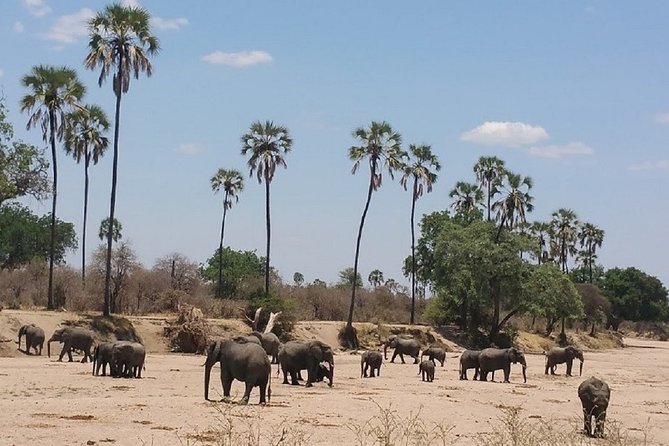
- Open-roof 4×4 game viewing, made for spotting and photo angles
- Sunset-focused safari rhythm in Mikumi and Ruaha, when animals are most active near water
- Ruaha full-day predator viewing, including big-cat and wild dog mentions in the plan
- Great Rufiji River boat safari in Selous, with hippo and crocodile very much in the story
- Ranger-led wilderness walking safari, where you read the bush through tracks and droppings
- Isimila museum-to-canyon visit, built around fossils, tools, and rock formations
Mikumi from other starting points
- MIKUMI NATIONAL PARK – 3 Days★ 4.5 · 63 reviews
- 2 nights 3 days safari to mikumi national park★ 5.0 · 62 reviews
- 2 Days 1 Night Mikumi National Park from Dar es salaam★ 5.0 · 60 reviews
- Private Full-Day Trip to Mikumi National Park from Dar es Salaam★ 5.0 · 54 reviews
A Southern Circuit That Moves With the Wildlife
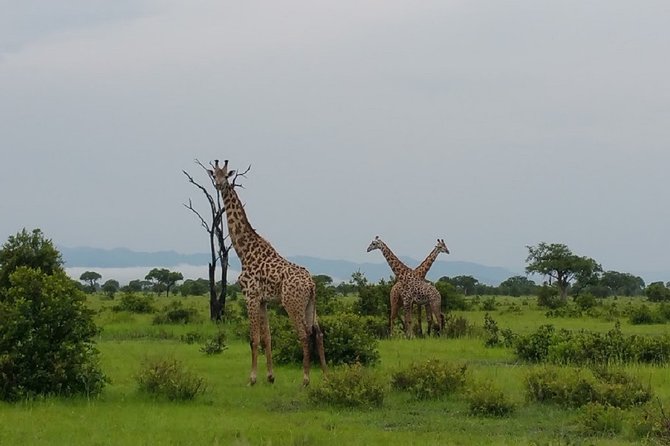
This itinerary is built around one simple idea: don’t just visit parks, visit the different ways they deliver animals. Mikumi is a classic game-drive start. Ruaha leans into predators and seasonal water action. Then Selous pushes you into river country and on-the-ground tracking.
I like how the schedule keeps the core of the trip simple: you spend your best daylight on game drives, and then you add two high-value extras in Selous. The boat safari gives you a different angle on crocodile and hippo. The walking safari shifts your attention from what’s moving fast to what’s been moving quietly.
That mix is why this circuit feels more than just a checklist. It’s designed so you see animals from a vehicle, from a boat, and on foot, all with the same underlying goal: better sightings, better photos, better understanding of the habitat.
Day-to-Day Flow: What Each Stretch of the Trip Really Means
The tour starts with an early meet time of 7:00 am, and the days are structured around driving blocks plus a main activity window. If you get cranky from travel days, this won’t be the trip for you. If you can treat the drive like part of the journey, it works.
Here’s what the rhythm looks like, in plain terms:
- Day 1 (Mikumi National Park): you drive roughly 5 hours from Dar es Salaam to Mikumi, stop in Morogoro for hot lunch, then do an afternoon game drive. The plan calls out sunset at the hippo pool, which is usually the kind of moment you remember because it’s both loud and alive.
- Day 2 (Mikumi to Iringa Region): you get a half-day game drive, then you head to Iringa town for dinner and overnight. This day keeps your wildlife time earlier and makes the road feel manageable.
- Day 3 (Iringa to Ruaha National Park): an early breakfast, then about 2.5 hours from Iringa town to the Ruaha gate. After that, it’s a full day game drive until sunset. The itinerary paints Ruaha as a place where animals come to water when conditions get dry, which is when predators often sharpen their focus.
- Day 4 (Ruaha): another full day, starting with early morning breakfast and breakfast-before-drive timing. The tour highlights rocky kopjes and ancient baobab trees, then you return late evening for dinner and overnight.
- Day 5 (Isimila Stone Age Site + Morogoro): you drive to Isimila via Iringa town (about 2 hours), start at a little museum with a guide, then go down a steep footpath into the canyon to see where tools were found and how rock towers formed. After lunch time in Iringa, you continue to Morogoro for dinner and overnight.
- Day 6 (Morogoro to Selous Game Reserve): this is one of the big travel days. The drive goes up into the Uluguru Mountains, crosses rivers, and passes small villages and farms. It sounds tiring, and it is, but it’s also the kind of route where you stop thinking only about the destination. You arrive for an afternoon game drive at Selous.
- Day 7 (Selous: 4×4 + boat): early breakfast, half-day game drive in Selous with the plan calling for a 4WD style route. Then lunch, a short nap, and a boat safari along the Great Rufiji River until sunset. That sequence matters because it gives you a break before the river action.
- Day 8 (Selous walking safari + back to Dar): coffee or tea early, then a walking safari with an armed ranger for 2 to 2.5 hours. After breakfast you pack and drive back to Dar es Salaam with lunch pack.
Also, the itinerary is clear about included items: bottled drinking water, the safari vehicle, and your main meals are covered. That lowers stress because you’re not constantly trying to figure out what to pay for at the last minute.
Mikumi National Park: The Hippo Pool Moment You’ll Want Photos For
Mikumi is where the safari starts, and it sets the tone fast. Day 1 is an afternoon game drive after a long drive, which means you’ll want to arrive in Mikumi feeling ready to pay attention. The plan specifically highlights late afternoon time at the hippo pool for sunset viewing.
On many safaris, “sunset” can be a soft promise. Here, it’s tied to an actual place in the day plan, which is better. Hippos feeding or moving at dusk tends to create exactly the kind of scene where you look up, then look again because something new just happened in the water.
Day 2 continues with a half-day game drive in Mikumi before you leave for Iringa town. The goal is to get more animal time without turning the trip into an all-day grind on the first two days.
Practical note: because this safari includes open-roof viewing in a 4×4 vehicle, bring sunglasses and protect your eyes. Wind at dusk can sneak up on you.
More Nyerere and Selous river safaris
Ruaha National Park: Big Predators and Water-Driven Drama
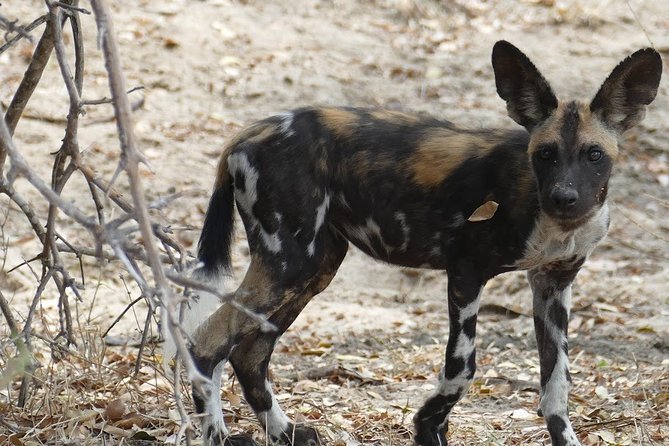
Ruaha gets two full days in the itinerary, and that tells you where the operator expects you to get your most intense wildlife moments. The tour emphasizes how Ruaha’s game viewing roads follow the Great Ruaha and seasonal tributaries, and it specifically mentions dry-season behavior: antelopes and other animals taking risks near water.
That risk theme is where Ruaha becomes more than scenery. The itinerary names the predators and it’s not subtle:
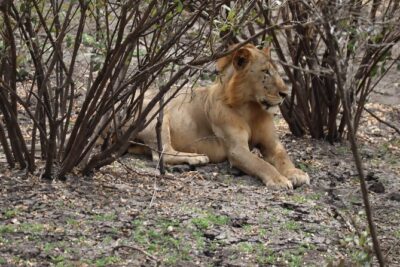
- lions, described as prides of 10-plus
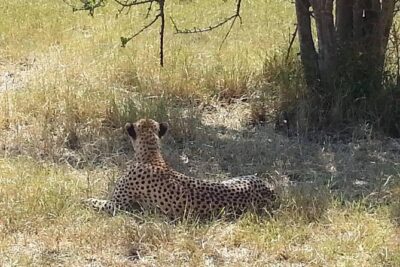
- cheetahs stalking open grassland
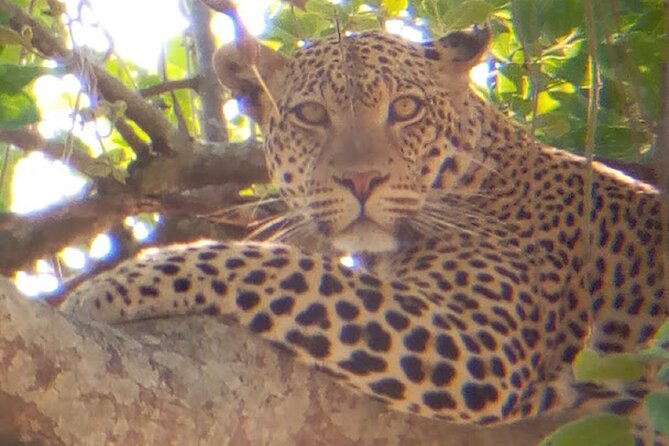
- leopards in tangled riverine thickets
- striped and spotted hyena
- African wild dog packs, noted as highly endangered
Even if your sightings don’t match every species mention, the habitat logic holds. When animals congregate near water, predators can focus. When you’re on a full-day circuit until sunset, you’re in the right time window for that kind of action.
Day 3 is the big full-day drive. Day 4 follows with early morning and another day built around rocky kopjes and ancient baobab trees. These features are more than decorative. Kopjes can create natural lookout points, and baobabs often mark areas that animals use.
If you love watching animal behavior, not just spotting animals, Ruaha is the part of the trip where you’ll feel your attention getting sharper. You’ll start noticing how animals choose shade, how they react to wind, and how quickly things change when the sun drops.
Isimila Stone Age Site: A Short Museum Start Then a Canyon Descent
Day 5 is where the safari turns educational, without losing its sense of adventure.
The tour starts at the little museum first. A guide gives a brief introduction to how the site formed and explains the fossils and tools displayed there. Then you move to the canyon, walking down a steep footpath.
Once you’re down there, the guide shows tool beds where items were found and explains how the rock towers were formed. The route is also described as scenic, with warm reddish earth tones and a good chance to see birds.
This stop is valuable for two reasons. First, it breaks up the driving and game-drive repetition. Second, it adds a human timeline next to the animal timeline. You’re standing in a place where survival and tool use once mattered, and you can’t help but think about how long this region has been shaped by both people and wildlife.
Comfort tip: that steep path is real. You’ll want good shoes with grip, and you should take your time, especially if the ground is dusty or uneven.
Selous Game Reserve: 4×4 Tracking, Rufiji River Boats, and Ranger Walking
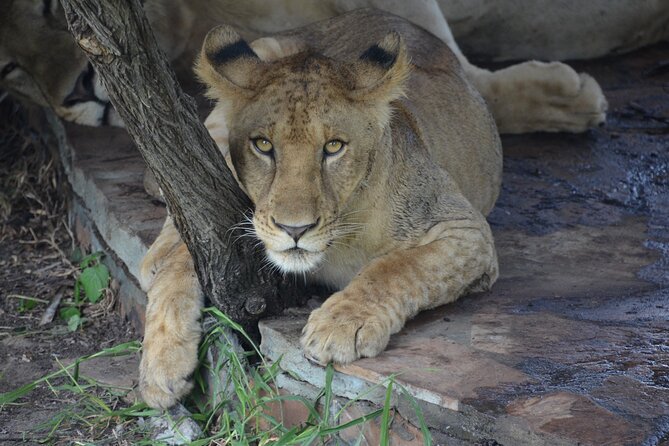
Selous is the operational highlight of the trip. It gets days 6, 7, and 8, and each day has a different viewing method, which is a big deal for spotting variety.
Day 6: The Tiring Drive In, Then Afternoon Game Drive Out
The drive into Selous is described as wild and untouched, climbing through the Uluguru Mountains, crossing rivers, and passing villages and farms. Expect the day to feel long. That’s part of why Selous can feel so remote once you arrive.
After you get there, you do an afternoon game drive until sunset. This works well psychologically. The road wears you out a bit, then the park rewards you.
Day 7: 4×4 Game Drive, Then Boat Safari on the Great Rufiji River
Day 7 is set up with a proper rhythm:
- early half-day game drive with a 4WD style approach
- back to the lodge for lunch
- a short nap
- then a boat safari along the Great Rufiji River until sunset
This sequencing is smart. The nap time gives you energy back before the river activity.
The boat part is the selling point. The itinerary explicitly calls out close contact with hippos and crocodiles, plus fantastic bird life. It paints a vivid scene of crocodiles gliding into the water as your boat approaches, and hippos appearing frighteningly close with grunting and blowing steam.
Even if you’re not looking for thrills, river boats can be a sighting advantage. Animals often behave differently at water edges, and crocodiles can be easier to track when you’re floating past their lines of sight.
Day 8: Walking Safari With an Armed Ranger
The final morning is walking safari time, led by an armed ranger. It’s scheduled as 2 to 2.5 hours, and the focus is on staying close to the ground.
The tour description is practical about what walking gives you:
- a more intimate feel for African wild
- chance to see footprints and droppings
- the ability to notice small creatures you might miss on game drives
- touching nature and reading the environment
Walking with an armed ranger matters. It changes the rules of awareness, and you’ll likely move more slowly and observe more carefully than you would in a vehicle. If you like nature notes and tracking details, this day is the one that sticks with you after the dust settles.
Value and Price: What $2,500.62 Buys You, and What to Plan For
The listed price is $2,500.62 per person for an 8-day safari. That number can feel steep if you compare it to DIY travel, but you’re not booking a “just get me there” service. You’re buying a bundle: transport, park-related costs, vehicle support, and your meals and lodging.
From the included list, this trip covers:
- private transportation
- all fees and taxes
- accommodation as shown in the itinerary
- a 4×4 tourist vehicle with open pop-up roof
- bottled drinking water
- breakfast (7), lunch (8), dinner (7)
What’s not included is also straightforward:
- anything personal
- tips for driver/guide
- anything not mentioned
Here’s how I’d think about it. You’re paying for reduced friction. You don’t have to plan routing between parks, negotiate park-day timing, or worry about how you’ll handle your day when game drives run long. Instead, you can focus on the wildlife windows and enjoy the planned transitions between activities.
Also, the listing mentions group discounts, but the experience is described as private, meaning your group shares the trip logistics. If you have multiple people in your party, it’s worth asking whether any discount applies to your specific group size.
Tipping is the one variable you should budget for. The tour explicitly calls out tips for the driver/guide as not included. If you want to keep stress low, set aside a tip amount in advance.
Who Should Book This Safari, and Who Might Feel the Strain
This safari fits best if you want variety and you’re comfortable with an active travel pace. The itinerary includes:
- open-roof game viewing
- full-day and half-day game drive blocks
- a museum and canyon walk at Isimila
- a boat safari on the Great Rufiji River
- a walking safari with an armed ranger
You’ll likely enjoy it most if you:
- care about predators and want long game-drive time to reach sunset
- like photography from high-visibility vehicle positions
- enjoy nature activities beyond just sitting in a car
- want one trip that mixes wildlife with a major human-history site
The main consideration is physical and time comfort. The steep Isimila footpath and the 2 to 2.5 hour walking safari mean you should bring shoes and pace yourself. If walking is difficult for you, ask the operator how they handle that specific segment. The listing says most travelers can participate, but the itinerary still includes walking time.
Should You Book This Trip With African Pangolin Safaris?
If your ideal safari is not only about seeing animals, but also about seeing them in more than one way, this circuit makes sense. Mikumi jump-starts you with a sunset hippo pool moment. Ruaha gives you two days of predator-focused long drives until sunset. Selous finishes with boat and walking, which is where the trip starts to feel more personal and less vehicle-bound.
I’d book it if you can handle:
- long drives between regions
- early starts and full days
- a steep footpath at Isimila and a guided walking safari
I’d think twice if you want a low-effort trip with minimal walking. Then you might feel the schedule more than you enjoy it.
One more reason to like this booking: the trip is rated 5 in the provided summary, and it includes park-related costs, meals, bottled water, and the key vehicle setup. That makes budgeting less guessy, as long as you still plan for tips and personal spending.
FAQ
What time does the safari start each day
The tour notes a start time of 7:00 am.
How long is the drive from Dar es Salaam to Mikumi National Park
The itinerary states it is approximately a 5-hour drive from Dar es Salaam to Mikumi National Park.
Are meals included
Yes. The included list covers breakfast 7 times, lunch 8 times, and dinner 7 times.
Is there bottled water provided
Yes. Bottled drinking water is listed as included.
What safari activities are included besides game drives
In Selous, the schedule includes a boat safari along the Great Rufiji River and a wilderness walking safari with an armed ranger.
What happens at the Isimila Stone Age Site
You start at a little museum with a guide, then walk down a steep footpath into the canyon to see tool beds and learn how the rock towers formed.
What is not included in the price
The not included list says anything of personal nature, tips for the driver/guide, and anything not mentioned in the inclusive list.
Down in the Southern Highlands
- Mikumi National Park & Udzungwa Water Falls 3 Days Group Tour
★ 4.5 · 19 reviews - 8 Days Safari to Mikumi, Ruaha & Udzungwa Mountains
★ 5.0 · 14 reviews - 6 Days Safari to Udzungwa Mountain NP, Ruaha NP and Mikumi NP
★ 5.0 · 10 reviews - 5-Day Mikumi & Ruaha Tanzania Wildlife Lodge Safari
★ 5.0 · 10 reviews - 4 Days Mikumi & Udzungwa National Parks Safari
★ 5.0 · 9 reviews
Along the Rufiji, More Options
- 3 Days Selous (Nyerere National Park)
★ 5.0 · 43 reviews - 3 Days Safari – Selous Game Reserve
★ 5.0 · 21 reviews - 3 Days Nyerere NP [Selous GR] Game, Walking and Boat
★ 5.0 · 19 reviews - 5 Days Safari to Selous & Mikumi
★ 5.0 · 15 reviews - 5 Days Selous/Nyerere & Mikumi NP Game drive, Maasai and Walking
★ 5.0 · 13 reviews
Mikumi, a Few More Ways In
- MIKUMI NATIONAL PARK – 3 Days
★ 4.5 · 63 reviews - 2 nights 3 days safari to mikumi national park
★ 5.0 · 62 reviews - 2 Days 1 Night Mikumi National Park from Dar es salaam
★ 5.0 · 60 reviews - Private Full-Day Trip to Mikumi National Park from Dar es Salaam
★ 5.0 · 54 reviews - Private 3 Days 2 Nights Mikumi Adventures
★ 5.0 · 47 reviews
Just added from around Dar es Salaam

Mikumi National Park Safaris, compared.
 ★ 4.7From Zanzibar: Mikumi Safari Day Trip with Flights and MealFrom $4511,470 reviews
 ★ 5.0Mikumi Safari Tour: Day Trip Return Flight From ZanzibarFrom $60097 reviews
 ★ 5.0Mikumi National Park Day TripFrom $52076 reviews
 ★ 4.5MIKUMI NATIONAL PARK – 3 DaysFrom $72563 reviews
 ★ 5.02 nights 3 days safari to mikumi national parkFrom $65062 reviews
 ★ 5.02 Days 1 Night Mikumi National Park from Dar es salaamFrom $67060 reviews
 ★ 5.02 Day Safari To Mikumi National Park + transfers from Dar Es SalamFrom $90256 reviews
 ★ 4.02 Day safari to Mikumi departure from ZanzibarFrom $69054 reviews
Browse the lists this tour appears in