
REVIEW · NYERERE NATIONAL PARK AND SELOUS GAME RESERVE
3-Day Selous Reserve mid-Range Safari
Big country, fewer crowds, real wildlife. This 3-day Selous safari is interesting because you start with a Rufiji River boat safari and then shift into elephant-focused game drives inside one of Tanzania’s most remote reserves. You also get a private setup, with hotel pickup in Dar es Salaam and transport handled end to end, so you spend less time figuring things out and more time looking out the window.
Here’s the one drawback to plan for: Selous is remote, so expect a day of mostly driving plus early starts. If you have a moderate fitness level requirement, this tour is best when you’re comfortable with long sit times in a vehicle and uneven conditions around camp.
In This Review
- Key things I’d spotlight before you go
- Selous Game Reserve: a big, remote safari you can feel
- Day 1 in Selous: Rufiji River boat safari and the animals near water
- Day 2: morning and afternoon game drives in elephant country
- Day 3: heading back to Dar es Salaam, with one last picnic break
- Price and value: what you’re really buying for $2,066.67
- Guide care makes a difference, especially in remote places
- What’s included, what’s not, and how to pack smart
- Should you book this 3-Day Selous mid-Range safari?
- FAQ
- How long is the 3-Day Selous Reserve mid-Range Safari?
- What is the price of this safari?
- Where do you start and end the tour?
- What’s included in the tour price?
- Is pickup included from Dar es Salaam?
- Is this tour private or shared?
- What wildlife experience happens on day 1?
- How much game drive time is included on day 2?
- Are meals and bottled water included? Is alcohol included?
- Can children join, and what about dietary needs?
- What is the cancellation policy?
Key things I’d spotlight before you go
- Rufiji River boat safari on day 1, with chances for hippos, crocodiles, and elephants along the water.
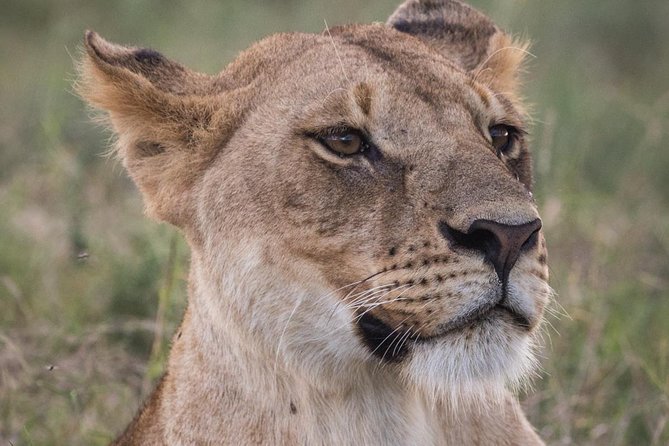
- Elephant country in Selous on day 2, plus other species like lions, wild dogs, buffalo, and antelope types.
- Morning and afternoon game drives so you can catch wildlife activity at different times of day.
- Private vehicle with pickup and drop-off in Dar es Salaam for a smoother, less stressful start.
- Meals and bottled water included so you can budget without surprise add-ons (alcohol is separate).
- Guide-led experience with real personality, including praise for guides named Laban and James for being attentive and respectful with animals.
More Nyerere and Selous river safaris
- 3 Days Selous (Nyerere National Park)★ 5.0 · 43 reviews
- 3 Days Nyerere NP [Selous GR] Game, Walking and Boat★ 5.0 · 19 reviews
- 5 Days Safari to Selous & Mikumi★ 5.0 · 15 reviews
- 5 Days Selous/Nyerere & Mikumi NP Game drive, Maasai and Walking★ 5.0 · 13 reviews
Selous Game Reserve: a big, remote safari you can feel
Selous Game Reserve is the kind of place that changes your expectations. You’re not just visiting a park, you’re entering a huge conservation area where wildlife has room to move and where the reserve can stay quieter than the more famous northern circuits.
The numbers explain a lot. Selous is described as the largest game reserve in Africa, and in the itinerary details it’s listed at 54,600 square kilometers. It’s also framed as far bigger than the Serengeti and even larger than Switzerland, which gives you a sense of scale. That matters for you because bigger spaces usually mean different animal behavior, more time where sightings are spread out, and fewer chances to feel like you’re repeating the same drive route.
Another reason I like Selous is its wildlife reputation. It’s famous for elephants, and the itinerary notes that Selous was originally set aside as a hunting area where animals were abundant but could be shyer than in northern parks. That doesn’t mean you’ll never get close views, but it does mean your best results often come from patience, good guiding, and being ready when animals decide to show up.
Day 1 in Selous: Rufiji River boat safari and the animals near water
Day 1 is built around the most dramatic and different kind of viewing: a boat safari on the Rufiji River. After pickup and the drive from Dar es Salaam, you stop for a picnic lunch on the way. Then you arrive at camp in the early afternoon, settle in, and head out for the river.
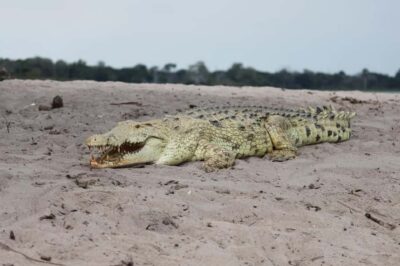
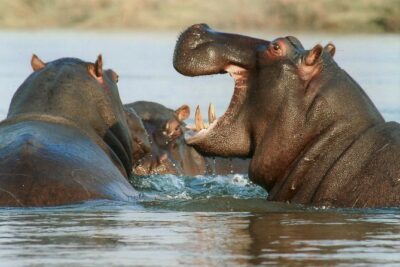
This is one of those safari setups that helps you read wildlife faster. The Rufiji River is formed by the confluence of the Kilombero and Luwegu rivers, and the itinerary describes it as about 600 kilometers long. That big, flowing system is where hippos and crocodiles are expected, and where elephants also gather because the river acts like a natural magnet in the reserve.
You also get bird life baked into the experience. The tour information highlights that about 350 bird species can be found in Selous. On a boat day, birds often become part of the rhythm. You’ll spend time scanning not just for the headline mammals, but also for movement in the reeds and along the waterline.
A practical note about timing: the day 1 block is listed as 5 hours with the admission ticket included, which usually means you’re not doing an all-day marathon. You’re getting a focused wildlife window that sets up the next day’s game drives without exhausting you completely.
What to watch for as you plan your day 1 comfort:
- You’ll be on a boat, so think about sun protection and layers for cooler moments.
- Bring a steady pair of binoculars if you own them, since river viewing rewards careful scanning.
- If you’re prone to motion discomfort, plan for it ahead of time, because river travel can be bumpy even when it’s not extreme.
Day 2: morning and afternoon game drives in elephant country
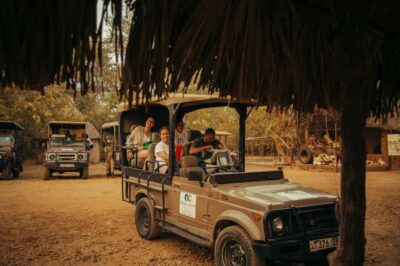
If day 1 is about water, day 2 is about searching on land. After breakfast, you head out for morning and afternoon game drives in Selous Game Reserve. The tour details list this as 5 hours total for the day, with the admission ticket included.
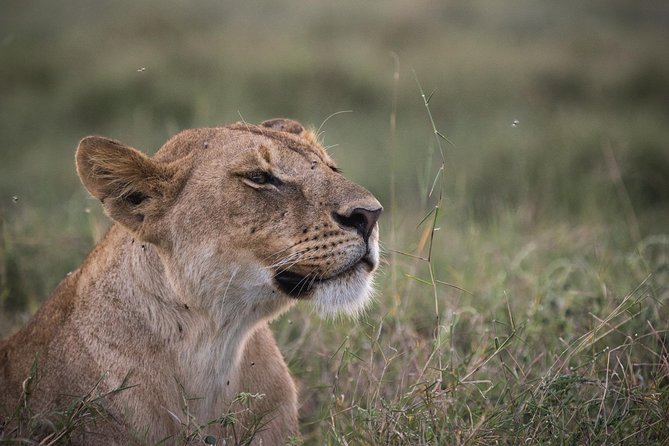
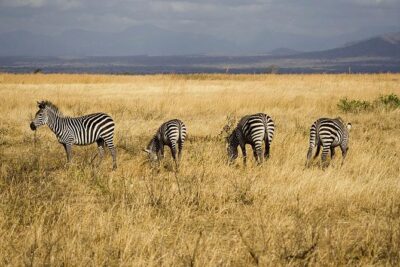
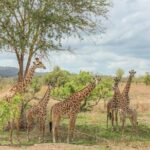
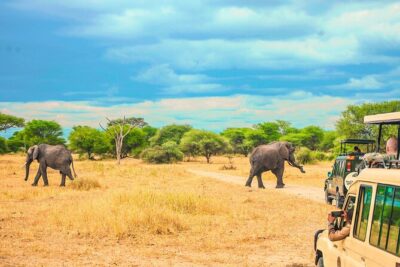
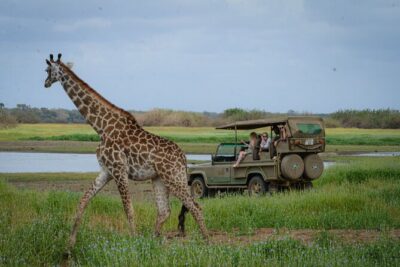
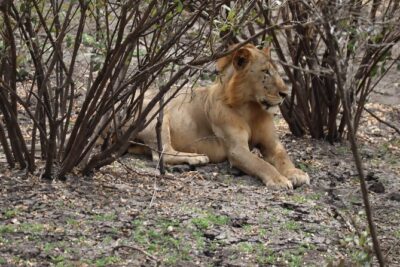
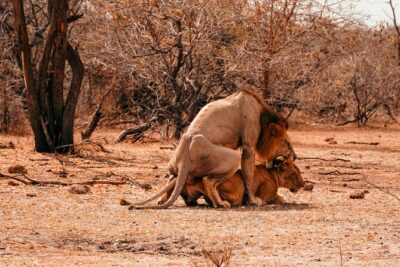
This is where Selous earns its reputation. The itinerary says Selous is famous for elephants, and it also lists other animals you may see, including lions, wild dogs, buffalo, bushbuck, impalas, elands, baboons, zebras, and greater kudus. That mix matters because it suggests the reserve supports both large predators and a variety of grazing and browsing species, which tends to increase your overall chances.
The tour also connects the place to its human history in a way that’s useful for context. Selous is named after hunter and explorer Frederick Courtney Selous, who was killed here during World War 1. You don’t need to read a textbook on him to enjoy the safari, but it helps you understand why the reserve name shows up so often in stories and signage.
Why the schedule uses both morning and afternoon drives:
Wildlife activity changes by time of day, and animals often move differently as temperatures shift. Even when you don’t see your whole wish list, splitting the day tends to raise your odds of getting different kinds of sightings, like animals moving to water versus animals feeding farther from it.
A balanced expectation setting:
Selous can be remote and animals can be wary, as the itinerary notes it was set aside as a hunting area where animals were abundant but shy. So, you’ll get the best results when you treat each sighting as a bonus, not a guarantee. Good guiding becomes the difference between driving past and knowing where to look.
If you care about animal behavior and respectful viewing, it’s worth paying attention to the guiding style. The reviews attached to this kind of safari route often highlight guides who take animal respect seriously and who time things well, like the praise for guides named Laban and James being warm, attentive, and focused on making the experience feel safe and enjoyable.
Lodge safaris in the same bracket
Day 3: heading back to Dar es Salaam, with one last picnic break
Day 3 keeps things simple. After breakfast, you drive back to Dar es Salaam with a picnic lunch on the way. It’s the kind of finish that’s practical rather than fancy, and that’s what you want after two active wildlife days.
One thing you should remember about leaving Selous is that the drive time can feel long. Your best move is to keep your expectations flexible. Treat the return ride as part of the trip rather than a transit chore. If your guide chats about what you’re seeing along the route, ask questions. If you’re quiet and observant, you’ll still spot wildlife and habitat along the way because this region is not a sterile road corridor.
Also, because this is built as a private experience, the return should feel tailored to your group pace. That matters if you have photo-heavy habits, if you want a bathroom break at a certain time, or if you’re traveling with someone who needs slower transitions.
Price and value: what you’re really buying for $2,066.67
The price listed is $2,066.67 per person. That’s not a small number, so it helps to look at where the money goes. In the tour inclusions, you get:
- Hotel pickup and drop-off in Dar es Salaam
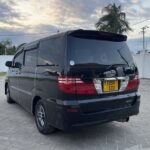
- Transport by private vehicle
- A driver/guide
- Accommodation included as per the itinerary
- Meals listed as breakfast 2 times, lunch 3 times, dinner 3 times
- Bottled water
- Admission tickets included
- A boat safari on day 1, plus game drives on day 2
That bundle is part of the value. For remote reserves, what you’re paying for is not just the wildlife itself. You’re paying for logistics that would be annoying to DIY, like reliable transport, meal planning, and the guide and ticket coordination that keeps things running on time.
There’s also a budgeting advantage: alcohol is not included, but it’s available to purchase. So if you like a beer or a glass of wine, you can plan for it, rather than having a surprise show up later.
My quick reality check on value:
- If you want a mid-range safari with a private vehicle and guided access in a remote reserve, this price can make sense.
- If you’re trying to keep costs ultra-low, you may find cheaper shared-group options elsewhere, but you’d likely trade away the private pickup and smoother group pacing.
Guide care makes a difference, especially in remote places
In a safari, your guide isn’t just a driver. They’re your wildlife translator. They help you interpret signs, choose where to stop, and keep your timing aligned with animal behavior.
In the feedback linked to this type of Selous safari, guides named Laban and James get standout praise for being professional, warm, and attentive. One comment also mentions a guide making a cocktail in a remote setting, which tells me these teams often try to add small, memorable touches, not just checklist driving.
Even if you don’t get a cocktail moment, the bigger takeaway is the vibe. A good guide helps you feel safe, helps you understand what you’re seeing, and keeps the day from feeling rushed.
For you, that means:
- You’ll likely spend more time looking and less time wondering.
- You’ll get better “why that animal matters” context when the guide explains behavior instead of just naming species.
- The experience can feel more personal because it’s private, with your group only.
What’s included, what’s not, and how to pack smart
This safari is clearly set up as a guided, food-included trip. You’ll have:
- Accommodation included
- Meals aligned to the itinerary
- Bottled water
- Pickup and drop-off at your Dar es Salaam hotel
- Private vehicle transport
- Driver/guide support
What’s not included is simple: alcoholic drinks. Everything else is handled by the tour.
Before you pack, keep in mind that Selous is in Tanzania and the reserve is described as remote. That doesn’t automatically mean uncomfortable, but it does mean you should travel like the day can change quickly. If you have dietary needs, the tour information asks you to advise them at booking. Don’t wait. This kind of food planning is easier when the team knows early.
Also, there’s a note about moderate physical fitness. The tour doesn’t claim to be extreme, but you should be prepared for long vehicle time, getting in and out at set stops, and time outdoors during the day.
Should you book this 3-Day Selous mid-Range safari?
I’d book this if you want:
- A private safari with pickup from Dar es Salaam
- A boat safari on the Rufiji River as part of day 1
- Elephant-focused game driving in a reserve described as huge and remote
- Meals, admission, and transport handled so you can focus on wildlife
I’d pause before booking if:
- You’re hoping for a super short, low-driving itinerary. Selous is remote, so the travel time is part of the deal.
- You need alcohol included in the base price. It’s not, though it’s available to purchase.
One smart decision rule: if you and your group are at least two people, comfortable with moderate physical activity, and you want the chance to see wildlife in Selous rather than a more crowded route, this tour lines up well with what that kind of trip should feel like.
FAQ
How long is the 3-Day Selous Reserve mid-Range Safari?
It’s listed as 3 days (approximately).
What is the price of this safari?
The price is $2,066.67 per person.
Where do you start and end the tour?
The tour starts in Dar es Salaam, Tanzania, and ends back at the meeting point (also in Dar es Salaam).
What’s included in the tour price?
The tour includes accommodation as per the itinerary, meals (breakfast, lunch, dinner as listed), hotel pickup and drop-off, private vehicle transport, bottled water, and a driver/guide. Admission tickets are also included.
Is pickup included from Dar es Salaam?
Yes, hotel pickup and drop-off are included.
Is this tour private or shared?
It’s private. Only your group participates.
What wildlife experience happens on day 1?
Day 1 includes a boat safari along the Rufiji River, with chances to see hippos and crocodiles, and elephants and birds in the area.
How much game drive time is included on day 2?
Day 2 includes morning and afternoon game drives, listed as 5 hours, with the admission ticket included.
Are meals and bottled water included? Is alcohol included?
Meals are included as per the itinerary, and bottled water is included. Alcoholic drinks are not included, but they are available to purchase.
Can children join, and what about dietary needs?
Children must be accompanied by an adult. You should advise any specific dietary requirements at the time of booking.
What is the cancellation policy?
You can cancel up to 6 days in advance for a full refund. Canceling 2 to 6 days before can get a 50 percent refund. Less than 2 days before is not refundable, and the cutoff is based on local experience time.
More Lodge Safaris
- 5-Day Mikumi & Ruaha Tanzania Wildlife Lodge Safari
★ 5.0 · 10 reviews - 2 DAYS – MIKUMI PARK FROM DAR ES SALAAM BY LUXURY TRAIN
★ 5.0 · 5 reviews - Mikumi Np Mid Range Tour 3 Days
★ 5.0 · 3 reviews
Along the Rufiji, More Options
- 3 Days Selous (Nyerere National Park)
★ 5.0 · 43 reviews - 3 Days Safari – Selous Game Reserve
★ 5.0 · 21 reviews - 3 Days Nyerere NP [Selous GR] Game, Walking and Boat
★ 5.0 · 19 reviews - 5 Days Safari to Selous & Mikumi
★ 5.0 · 15 reviews - 5 Days Selous/Nyerere & Mikumi NP Game drive, Maasai and Walking
★ 5.0 · 13 reviews
Just added from around Dar es Salaam
Nyerere National Park and Selous Game Reserve, compared.
 ★ 4.7From Zanzibar: Day Selous Game Reserve Safari with FlightsFrom $4701,025 reviews
 ★ 5.0Selous Luxury Day Safari with PhotographerFrom $800211 reviews
 ★ 4.5Day Safari tour to Selous Game Reserve from ZanzibarFrom $55098 reviews
 ★ 5.0Day Safari Tour Selous Game ReserveFrom $60063 reviews
 ★ 4.3From Zanzibar: Nyerere National Park Game Drive with LunchFrom $55059 reviews
 ★ 5.03 Days Selous (Nyerere National Park)From $85043 reviews
 ★ 5.01-Day Selous (Nyerere National Park) Fly-In Safari from ZanzibarFrom $55039 reviews
 ★ 4.5The best Selous 1 day safari from ZanzibarFrom $55031 reviews
Browse the lists this tour appears in