
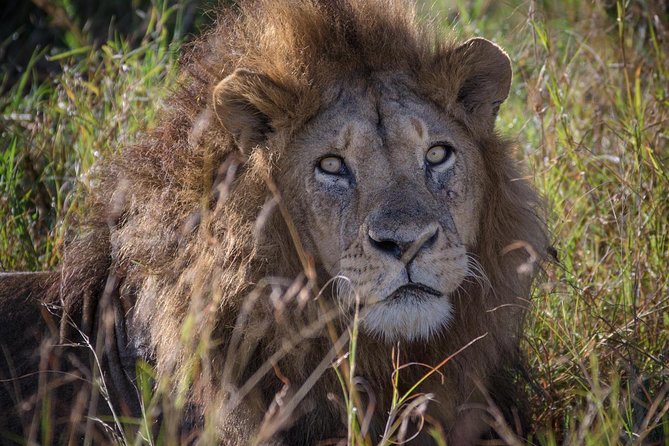
REVIEW · MIKUMI NATIONAL PARK SAFARIS
10 Days Mikumi Ruaha Selous Experience
Two huge reserves, one smart route. This 10-day private safari in southern Tanzania gives you time in Ruaha National Park and Selous Game Reserve, with a practical stop in Mikumi along the way. You get proper days for morning and afternoon game drives, not just a rushed checklist.
Two things I really like about this trip are the wildlife variety packed into one circuit, and the way the timing favors wildlife viewing. Ruaha is described as having exceptionally strong elephant numbers and also supporting rare sightings like endangered wild dogs. Then Selous shifts the feel with huge conservation area scale, dense cover that makes animal sightings feel real, and a reported bird list that can reach about 400 species.
One drawback to consider is that Selous can be tougher for quick sightings because dense vegetation sometimes blocks the view. If you hate waiting for the right moment, you may want to balance your expectations and rely on patient guiding.
In This Review
- Key highlights worth planning around
- A Southern Tanzania safari that connects three distinct ecosystems
- Dar es Salaam arrival: a gentle landing before the driving starts
- Mikumi National Park: open horizons and the Mkata Floodplain feel
- Ruaha National Park: elephants, predators, and river life
- Two full Ruaha days: more space, more patience, fewer vehicles
- Back through Mikumi, then onward to Selous
- Selous Game Reserve: a huge reserve where waiting pays off
- Selous extras: walking and boat cruise if you want to add variety
- Value and logistics: what you get for your money
- Who this 10-day Mikumi Ruaha Selous safari suits best
- Should you book the 10 Days Mikumi Ruaha Selous Experience?
- FAQ
- How long is the Mikumi Ruaha Selous safari?
- Where does the trip start and where do you end?
- Are pickups and drop-offs included?
- Which parks will I visit during the safari?
- What meals are included?
- Are park admission tickets included?
- Is this a group tour or private tour?
- Are there any optional activities?
- Is accommodation included for all nights?
Key highlights worth planning around
- Elephant-heavy Ruaha: Ruaha is noted for a high concentration of elephants in East Africa.
- Wild dog habitat in Ruaha: Ruaha is specifically mentioned as supporting endangered wild dogs.
- Fewer safari vehicles in southern parks: Ruaha’s southern location is described as meaning less crowding.
- Selous scale like Switzerland: Selous plus nearby protected areas are described as being as large as Switzerland.
- Dense vegetation in Selous: Animal and bird sightings can be harder because cover is thick.
- Optional add-ons in Selous: Walking and boat cruise options may be arranged for extra cost.
Mikumi from other starting points
- MIKUMI NATIONAL PARK – 3 Days★ 4.5 · 63 reviews
- 2 nights 3 days safari to mikumi national park★ 5.0 · 62 reviews
- 2 Days 1 Night Mikumi National Park from Dar es salaam★ 5.0 · 60 reviews
- Private Full-Day Trip to Mikumi National Park from Dar es Salaam★ 5.0 · 54 reviews
A Southern Tanzania safari that connects three distinct ecosystems
This is a road-connected safari that links three major wildlife areas: Mikumi, Ruaha, and Selous. That matters because each park is a different kind of experience, and you do not have to choose between “easy access” and “big wilderness.” You’ll also spend multiple days in two of the parks, which is where good wildlife watching usually happens.
The pace also feels sensible for a 10-day trip. You start with Dar es Salaam, then work your way into the national parks by land, with a dedicated game drive day in Mikumi, two full Ruaha days, and two big Selous days. The overland route is part of the deal, since it gets you into remote ecosystems rather than only sticking to the most convenient highways.
Dar es Salaam arrival: a gentle landing before the driving starts
Day 1 is all about getting set. You arrive in Dar es Salaam, meet and greet a representative, and transfer into the city center for an overnight. For many safari travelers, this is a real quality-of-life move, because it reduces pressure if your flight lands later than expected.
It also helps that the first day is not packed with game drive pressure. Instead, you get a reset, then the safari work begins the following morning. If you are the kind of traveler who likes a calm start, this structure is a strong fit.
Mikumi National Park: open horizons and the Mkata Floodplain feel
Mikumi is where the trip finds its easy entry. After breakfast, you drive from Dar es Salaam to Mikumi National Park with a packed lunch for a game drive day. Mikumi is described as Tanzania’s fourth-largest national park and also as the most accessible from Dar es Salaam, which explains why it works well early in the circuit.
The highlight is the Mkata Floodplain. You get open horizons and abundant wildlife, and the park is compared to the more famous Serengeti Plains for those wide, watchable views. In practical terms, that means your first serious game drive has better odds of spotting animals quickly because you can see farther across the flats.
What to watch for on this day is the mix of habitat and visibility. Mikumi’s open views can make sightings feel straightforward early on, especially if you want to get your safari rhythm going before the longer, wilder drives into Ruaha and Selous.
More Nyerere and Selous river safaris
Ruaha National Park: elephants, predators, and river life
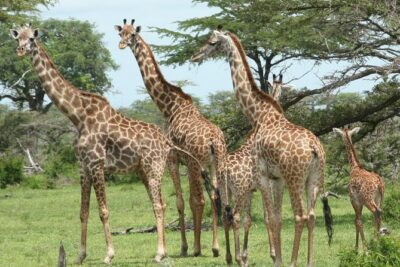
Ruaha is the emotional center of this route. You head there for an afternoon game drive, and the park is described as an extensive ecosystem connected with other protected areas like Rungwa and Usangu. The name comes from the Great Ruaha River, and that river is presented as the core of wildlife activity.
I love the way Ruaha is described as both dramatic and specific. It is said to have a high concentration of elephants than any national park in East Africa, and Ruaha is also listed as a habitat for endangered wild dogs. That is not the usual “generic safari” pitch. It signals that if your priority is big animals and conservation-sensitive species, Ruaha has a strong case.
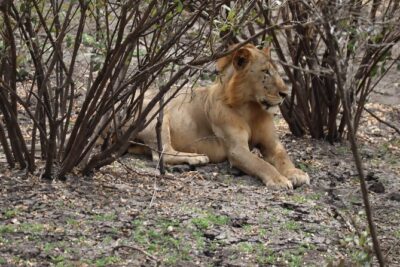
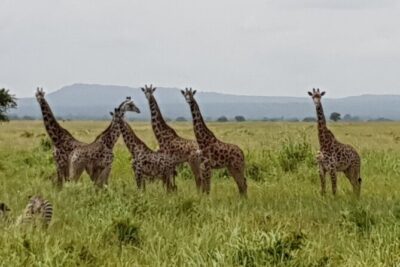
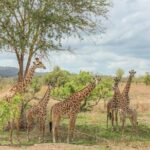
Ruaha also supports classic woodland wildlife. You might expect kudu, sable, and roan antelopes in miombo woodland, plus predators and large herbivores such as lions, leopards, cheetah, giraffes, zebras, elands, impala, and more. The point is not to memorize a list, it’s to understand the habitat is varied enough that your game drive time can keep paying off.
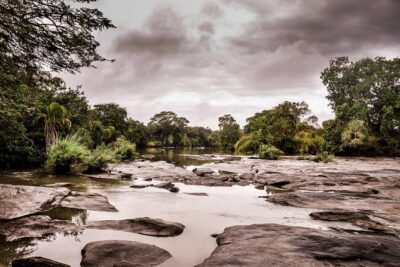
And then there’s the river angle. Ruaha is described as having huge numbers of crocodiles and hippos, which usually means you’ll get that “water source equals life” feeling where animals gather and the day’s sightings can cluster around river activity.
Two full Ruaha days: more space, more patience, fewer vehicles
Days 4 and 5 are devoted to Ruaha game drives, with both morning and afternoon sessions. All meals are at your lodge, which is another real value detail. When you are not spending time hunting down food or managing logistics, you can focus on wildlife time.
This is also where the southern location becomes a practical advantage. Ruaha is described as less visited than northern parks, so you can see hardly any safari vehicles. That usually means less disturbance and more natural behavior, because you are not surrounded by a constant stream of other vehicles.
What I really like here is the “time-on-wildlife” feel. You get multiple drives across different times of day, which improves your chances of seeing a wider set of behaviors. Morning can bring movement and visibility, while afternoon drives often line up with when animals reposition toward water or shade.
If you are guide-led, this part of the trip tends to shine. In past Gosheni Safaris stories, guides like Francis have been praised for knowing where game was and being patient enough to wait for the right moment. Another guide spotlight was Calvin Kileo, who was described as professional and focused on finding animals each day. Those qualities matter because wildlife viewing is rarely a “hit fast, move on” activity.
Back through Mikumi, then onward to Selous
Day 6 is a transitional day. After breakfast, you do a game drive en route back to Mikumi, and the trip uses Mikumi’s position as a bridge to Selous the next day. The logic is simple: these parks sit together in a unique ecosystem, so the travel feels like part of the safari rather than dead time.
On Day 7, you head toward Selous Game Reserve through Matemwe Gate. After Morogoro, you leave the tar road and drive along the Uluguru Mountains through remote villages. That shift from paved road to rougher track is something you feel in your body, so it helps that the itinerary still gives you either a short game drive depending on arrival time, or time to relax and prepare for the fuller Selous days.
I like this structure because it prevents the first Selous day from feeling like a forced grind. If you arrive earlier, you get a quick taste of the reserve. If you arrive later, you are not punished for it, you can settle in and be ready for the next two days.
Selous Game Reserve: a huge reserve where waiting pays off
Selous gets two full game driving days on Days 8 and 9. The reserve is described as the biggest wildlife conservation area in Africa, and it is part of a larger protected region that is said to be as big as Switzerland when combined with bordering Mikumi and Udzungwa National Parks.
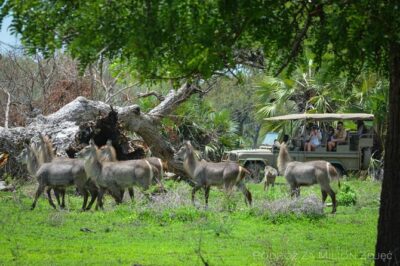
The itinerary emphasizes the northern part of Selous, which is described as open for photo safaris. That phrasing is useful because it tells you the days are built around viewing time and vehicle-based watching. You have plenty of time for unique wildlife encounters in an unspoiled environment.
Here is the honest watch-out: dense vegetation can make animals and birds harder to spot. Even though the reserve is described as supporting up to 400 different bird species, thick cover can limit sightlines. If your idea of a safari is constant spotting in wide-open plains, Selous may feel slower at first. If your idea is to experience real wilderness where animals are present but not always visible on demand, Selous can be a great fit.
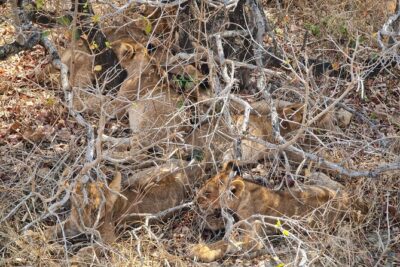
I also like that Selous is positioned as a place for unique encounters rather than a single iconic target species. You still get the typical African bush residents, but the dense habitat can turn a routine drive into a “did you see that?” moment when something finally breaks the view.
Guide style matters even more in these conditions. In guide-focused feedback from Gosheni Safaris, Edward was praised for helping put the itinerary together and providing a strong overall experience. Albert was noted for combining wildlife knowledge with lectures about culture and history, plus humor that kept the drives light. In a place like Selous, that kind of guiding helps when the pace is slower and you are spending more time scanning.
Selous extras: walking and boat cruise if you want to add variety
The itinerary mentions optional activities in Selous, such as walking in the wilderness or arranging a boat cruise, for extra cost. You should treat these as flexible add-ons, not guaranteed components of the base schedule.
If you love animal viewing from different angles, these options can add texture to your trip. Walking often changes how you notice small signs of wildlife, and a boat cruise can change the whole feel when water brings different animals and bird activity into play. Just be aware that the schedule can depend on timing, so if an activity is a must for you, plan it with your guide once you are on the ground.
Value and logistics: what you get for your money
The price listed is $4,538.47 per person for an approximately 10-day private safari based out of Dar es Salaam. For that price, you are not just buying game drives. You are buying a full moving package that includes:
- All accommodation except the last day
- Meals as per the itinerary (breakfast, lunch, dinner where listed)
- Airport pickup and drop-off
- Private vehicle transport
- Bottled water
- Driver/guide
- Admission tickets included (as noted for the park-related days)
That last part matters for value. Safari budgets can change fast once park fees and related entry costs come into play, so it’s a relief when those are included. The included meals also help you avoid the expense and hassle of searching for food during long drives.
What is not included is straightforward: alcoholic drinks are available to purchase, and a flight from Kilimanjaro to Serengeti North is listed as not included. Even though this itinerary is clearly centered on Mikumi, Ruaha, and Selous, that flight note is a reminder that if you are combining this trip with northern Tanzania later, you handle those air legs separately.
Also, this is a private tour/activity. Only your group participates. That makes the safari feel more like a tailored experience rather than waiting for a big group to relocate.
Who this 10-day Mikumi Ruaha Selous safari suits best
This safari is a good match if you want a southern Tanzania circuit that mixes big wildlife odds with real wilderness scale. Ruaha fans will like the elephant focus and the conservation credibility around wild dogs. Selous fans will likely enjoy the sense of space created by its enormous protected area and the possibility of great bird life, even if you must be patient because visibility can be blocked by dense vegetation.
It also suits travelers who appreciate a guide-led experience. Past trips highlighted guides such as Francis, Edward, Albert, and Calvin Kileo for their wildlife instincts and for making the experience feel thoughtful, not just transactional. If you want someone to help you read the bush, this kind of private guiding can be worth it.
One other fit note: the tour mentions a moderate physical fitness level. That does not mean it’s a hiking expedition, but it does suggest you should be comfortable with day-to-day game drive time and travel by private vehicle over multiple days.
Should you book the 10 Days Mikumi Ruaha Selous Experience?
I would book this if your top priorities are Ruaha’s elephant energy and Selous’s massive conservation scale, and you are okay with the reality that Selous can be slower for quick sightings because of dense cover. The itinerary gives you real time in the parks, and the included meals, accommodation (except the last day), and admissions make the value feel more “done for you” than many budget-friendly sounding offers.
I would think twice if you need constant spotting in open terrain. Mikumi starts with open horizons, but Ruaha and especially Selous reward patience as much as luck. If that trade-off fits how you want your safari to feel, then this route is a strong choice for a classic southern Tanzania wildlife trip.
FAQ
How long is the Mikumi Ruaha Selous safari?
The experience is listed as 10 days approximately.
Where does the trip start and where do you end?
It starts in Dar es Salaam with an arrival transfer, and the last day ends with a drive back toward Dar es Salaam for transfer to an airport or hotel at your own arrangement.
Are pickups and drop-offs included?
Yes, airport pickup and drop-off are included.
Which parks will I visit during the safari?
You’ll visit Mikumi National Park, Ruaha National Park, and Selous Game Reserve, with travel time between them.
What meals are included?
Meals are included as per the itinerary. Breakfast is included, plus lunch and dinner where listed, and meals are also noted as being at the lodge during Ruaha.
Are park admission tickets included?
Yes. Admission tickets are listed as included for the park days.
Is this a group tour or private tour?
It is a private tour/activity, and only your group will participate.
Are there any optional activities?
In Selous, optional activities like walking in the wilderness or a boat cruise can be arranged for extra cost.
Is accommodation included for all nights?
Accommodation is included except on the last day.
Down in the Southern Highlands
- Mikumi National Park & Udzungwa Water Falls 3 Days Group Tour
★ 4.5 · 19 reviews - 8 Days Safari to Mikumi, Ruaha & Udzungwa Mountains
★ 5.0 · 14 reviews - 6 Days Safari to Udzungwa Mountain NP, Ruaha NP and Mikumi NP
★ 5.0 · 10 reviews - 5-Day Mikumi & Ruaha Tanzania Wildlife Lodge Safari
★ 5.0 · 10 reviews - 4 Days Mikumi & Udzungwa National Parks Safari
★ 5.0 · 9 reviews
Along the Rufiji, More Options
- 3 Days Selous (Nyerere National Park)
★ 5.0 · 43 reviews - 3 Days Safari – Selous Game Reserve
★ 5.0 · 21 reviews - 3 Days Nyerere NP [Selous GR] Game, Walking and Boat
★ 5.0 · 19 reviews - 5 Days Safari to Selous & Mikumi
★ 5.0 · 15 reviews - 5 Days Selous/Nyerere & Mikumi NP Game drive, Maasai and Walking
★ 5.0 · 13 reviews
Mikumi, a Few More Ways In
- MIKUMI NATIONAL PARK – 3 Days
★ 4.5 · 63 reviews - 2 nights 3 days safari to mikumi national park
★ 5.0 · 62 reviews - 2 Days 1 Night Mikumi National Park from Dar es salaam
★ 5.0 · 60 reviews - Private Full-Day Trip to Mikumi National Park from Dar es Salaam
★ 5.0 · 54 reviews - Private 3 Days 2 Nights Mikumi Adventures
★ 5.0 · 47 reviews
Just added from around Dar es Salaam

Mikumi National Park Safaris, compared.
 ★ 4.7From Zanzibar: Mikumi Safari Day Trip with Flights and MealFrom $4511,470 reviews
 ★ 5.0Mikumi Safari Tour: Day Trip Return Flight From ZanzibarFrom $60097 reviews
 ★ 5.0Mikumi National Park Day TripFrom $52076 reviews
 ★ 4.5MIKUMI NATIONAL PARK – 3 DaysFrom $72563 reviews
 ★ 5.02 nights 3 days safari to mikumi national parkFrom $65062 reviews
 ★ 5.02 Days 1 Night Mikumi National Park from Dar es salaamFrom $67060 reviews
 ★ 5.02 Day Safari To Mikumi National Park + transfers from Dar Es SalamFrom $90256 reviews
 ★ 4.02 Day safari to Mikumi departure from ZanzibarFrom $69054 reviews
Browse the lists this tour appears in