

REVIEW · STONE TOWN HERITAGE WALKS
Zanzibar: Stone Town 3-Hour Walking Tour
Stone Town makes history walkable. This 3-hour guided walk links big landmarks with daily street life, and I like how it explains the roots of Swahili and guides you through the spice and fruit market. You also get time to wander the narrow lanes and browse the curio shops without feeling rushed.
One heads-up: this is a true walking tour with rules that matter, and it’s listed as not suitable for people with mobility impairments. Add in the no-large-bags rule and the clothing requirement (below the knees), and you’ll want to plan for comfort before you go.
In This Review
- Key Highlights You’ll Actually Notice
- A 3-Hour Walk That Gives You Bearings Fast
- Pickup, Clothing, and the Small Rules That Matter
- Arab Fort Area and the House of Wonders: Where the Story Gets Its Teeth
- Forodhani Gardens and Darajani Spice Market: Smell It, Ask It, Shop Smart
- Old Slave Market at the Anglican Cathedral: A Hard Stop Done Carefully
- Freddie Mercury House, Jaws Corner Coffee, and the Curio-Seller Circuit
- Sultan Palace Entrance: Why This Stop Adds More Than a Photo
- The Guide Experience: Where You’ll Feel the Difference
- Value for Money: Is $27 Worth It?
- Who Should Book, and Who Might Skip
- Should You Book This Stone Town Walking Tour?
- FAQ
- How long is the Stone Town walking tour?
- How much does it cost per person?
- What’s included in the price?
- When does pickup happen if I stay in Stone Town?
- What should I wear or bring?
- Are luggage or large bags allowed?
- Can I cancel and get a refund?
Key Highlights You’ll Actually Notice
- Arab Fort and House of Wonders area: a strong starting sweep for the sights and the city’s power stories
- Forodhani Gardens and the Darajani fruits and spice market: smells, color, and plenty of opportunities to ask questions
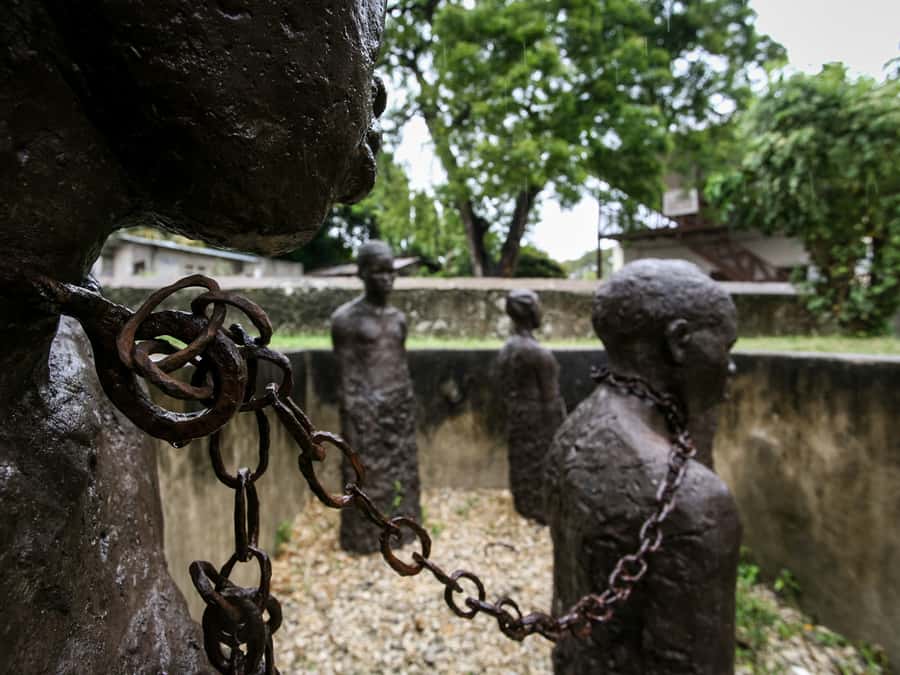
- Old slave market at the Anglican Cathedral: a sobering stop that helps the city’s past make sense
- Freddie Mercury house and the neighborhood vibe: pop culture, but tied to place
- Curio shops, bazaar streets, and some free wandering time: buy a few things or just get your bearings
- Hotel pickup plus Sultan Palace entrance included: less logistics work for you, more time on the ground
Other Stone Town walks we followed
- Stonetown: Food Markets and Street Food Walking Tour★ 4.7 · 151 reviews
- Zanzibar Stone Town Walking Tour★ 5.0 · 145 reviews
- Stone Town Historical Walking Tour★ 5.0 · 143 reviews
- Spice Tour + Stone Town Tour + Prison Island★ 4.5 · 130 reviews
A 3-Hour Walk That Gives You Bearings Fast

Stone Town can feel like a maze at first. This tour’s value is that it gives you a route that makes the city readable in a short time. In a few hours, you go from fortifications to markets to cathedrals, and the connections start to click.
Price is $27 per person, and what makes it feel fair is what you don’t have to arrange yourself: you get hotel pickup and drop-off, a guide who covers the main market areas, and the Sultan Palace entrance fee is included. For first-time visitors, that combination often beats piecing things together one attraction at a time.
The pace is “walk and look,” not “sit and watch.” You’ll be on your feet for the full session, with breaks that are more about turning corners and catching your breath than long downtime.
Pickup, Clothing, and the Small Rules That Matter
If you’re staying in Stone Town, expect pickup at 9:00 AM from your hotel lobby. Comfortable walking shoes are a must, because you’re moving through tight streets and market lanes.
A couple rules are easy to miss until you’re standing there:
- Clothing must be at least below the knees
- You should bring sunscreen
- No luggage or large bags
- Ask before photographing someone, because you may not take someone’s picture without their permission
These aren’t just formalities. They keep the group moving and respectful, especially around places where locals are going about their day.
Also, note the accessibility note has two sides. The activity is described as wheelchair accessible, yet it is also listed as not suitable for people with mobility impairments. If you or someone in your group has any limitations, I’d treat this as a “check first” situation and be ready for uneven, narrow lanes.
Arab Fort Area and the House of Wonders: Where the Story Gets Its Teeth
The tour starts after a greeting and short briefing. From there, you head toward the old fort area, often referred to as the Arab Fort, and on to the House of Wonders stop.
This part works because it sets the tone. Stone Town isn’t just pretty doors and stone streets. It’s a place shaped by trade routes, changing rulers, and the architecture that came with wealth and power. When your guide connects these buildings to how the city functioned, you start to see why the rest of the walk matters.
You also get a chance to learn about the origin of Swahili during the broader movement through the historical sites. That’s the kind of fact that can sound abstract in a museum. Here, it lands better because you’re physically moving through the places where cultural exchange would have been felt.
If you like photos, this is a good stretch to take a few, but keep an eye on the “permission first” rule where people are involved, especially near street stalls and shops.



Forodhani Gardens and Darajani Spice Market: Smell It, Ask It, Shop Smart
Next comes one of the most practical parts of the tour: the markets. You’ll visit Forodhani Gardens and the Darajani fruits and spice market area, plus you’ll also pass by the Zanzibar ferry terminal region.
Markets are where Stone Town turns from history into everyday life. You’ll see fruit and spices laid out for sale, you’ll hear bargaining rhythms, and you’ll learn enough background to understand why spice trading mattered here. Your guide’s job is not just to point. It’s to explain what you’re looking at and how the city’s trade culture shaped what ended up in these stalls.
Here are a few ways to make the market time feel worth it:
- Treat this as your Q-and-A window. Ask what’s commonly used locally versus what visitors usually buy.
- Compare prices quickly if the guide pauses at a particular booth. Don’t feel pressured into buying immediately just because you’re standing there.
- If you’re sensitive to strong smells, pace yourself and step back for a moment before moving deeper.
One thing to keep in mind: market stops can sometimes tilt toward shopping. If your ideal tour is more “sights and explanations,” tell your guide early that you want a balanced mix. A good guide can adjust the time so you still cover the sights you came for.
Old Slave Market at the Anglican Cathedral: A Hard Stop Done Carefully
This is not a casual sightseeing moment. The tour includes the Anglican cathedral, also known as the former slave market, which served for centuries as a hub in the East African slave market. Your guide explains how people were hunted and abducted from areas including Malawi, Congo, Zambia, and other parts of East Africa.
This stop matters because it brings brutal history into a real place, not just a page in a book. When your guide frames it as part of the city’s trading connections and power shifts, Stone Town’s story stops being just charming architecture.
Because this is heavy subject matter, you’ll want to go in mentally prepared. If you’re the type who prefers to skim hard topics, this tour might feel demanding. But if you want a more complete picture, this is one of the most important stops on the route.
Freddie Mercury House, Jaws Corner Coffee, and the Curio-Seller Circuit
Stone Town also has a modern layer, and this tour includes it without letting it replace the main story. You’ll visit the Freddie Mercury house area, and you may also stop by places like Zanzibar Curio Shop and Jaws Corner coffee shop.
This part can be fun for two reasons:
- It breaks up the day with something lighter.
- It helps you see how Stone Town’s identity works today. People come for history, but they also come for music, design, crafts, and the small-cafe pauses in between.
For the shopping side, you’ll spend time in curio shops and bazaar streets. You also get enough room for leisure walking alongside the shops. That free wandering time is a real perk because it helps you find what you like rather than only what you were told to buy.
A helpful practical move: set a rough plan before you enter any store. Decide whether you want one meaningful souvenir or a few smaller items. It reduces impulse buys when prices and options are changing fast.
Sultan Palace Entrance: Why This Stop Adds More Than a Photo
The tour includes an entrance fee to the Sultan Palace. You’re not just ticking off a name. It’s the kind of place that gives context for the city’s ruling structures and wealth.
This is useful even if you don’t love formal historical interiors. Stone Town’s story is full of power, trade, and shifting control. A palace stop helps you understand why the city’s layout and architecture look the way they do.
Expect the visit to be part of a larger flow, not an isolated event. You’ll come here with earlier context from the fort area and markets, so the palace doesn’t feel random.
The Guide Experience: Where You’ll Feel the Difference
This tour runs with a live guide available in Spanish, French, German, Italian, and Russian. That matters because Stone Town history is full of details, and you’ll want a guide who can explain without turning it into a lecture.
Some guides you might meet, such as Amari and Mohamed, are known for making the city feel understandable through stories and real examples. You’ll get more out of the tour if you ask a few questions that connect the stops:
- How did trade shape everyday life here?
- What makes Swahili distinct and where did influences come from?
- Why did certain sites become commercial or administrative hubs?
Also, keep your expectations realistic about market time. There can be more emphasis on spice buying than you’d guess from the headline. If you want extra site time, ask directly for more sightseeing and less stand time, while still being polite. A good guide will work with you.
Value for Money: Is $27 Worth It?
For $27 for 3 hours, the math gets strong because several “extras” are folded in:
- Hotel pickup and drop-off
- Guide fee to the markets
- Sultan Palace entrance fee
- Government taxes
What you’re really paying for is time and context. Stone Town’s sights are close, but they are not always obvious in what they mean. A guide helps you connect places like the fort area, markets, and the former slave market into one coherent walking story.
If your goal is an efficient first overview with key stops, this is solid value. If you already know Stone Town well or you prefer a slow, independent wandering day, you might feel this is a bit tight. Three hours is enough for highlights, not enough to treat the city like a full-day shopping and museum marathon.
Who Should Book, and Who Might Skip
This tour is a good fit if you:
- Want a first pass at Stone Town that includes both historical and street-life stops
- Like guided explanation, especially around the old slave market and Swahili origins
- Appreciate market time, even if you do only light shopping
- Prefer hotel pickup over navigating meet-up points
It may not be the best fit if you:
- Have mobility limitations, since the route is walking-heavy and street conditions can be tough
- Need a lot of seated or low-movement time
- Are traveling with luggage or large bags (this tour does not allow it)
Should You Book This Stone Town Walking Tour?
If you’re short on time and you want the city’s major themes covered in one guided loop, I’d book it. The strongest reason is the combination: Arab Fort area history, market culture, the former slave market at the Anglican cathedral, and a pop-culture stop like the Freddie Mercury house, all wrapped into a guided route with pickup and key entrance coverage.
But if you want to roam Stone Town at your own rhythm, or if accessibility is a concern for your group, you may want to rethink. In those cases, choose a tour style that offers more flexibility or a shorter, more targeted route.
For most visitors, this is a practical way to understand Stone Town fast, while still giving you time to wander the narrow lanes and decide what you want to explore next on your own.
FAQ
How long is the Stone Town walking tour?
The tour lasts 3 hours.
How much does it cost per person?
The price is $27 per person.
What’s included in the price?
It includes hotel pickup and drop-off, the guide fee to all the markets, entrance fee to Sultan Palace, and government taxes.
When does pickup happen if I stay in Stone Town?
If you are staying in Stone Town, pickup from your hotel is at 9:00 AM, and the guide collects you at your hotel lobby.
What should I wear or bring?
Bring sunscreen and wear clothing that is at least below the knees. Comfortable shoes are suggested for the walking.
Are luggage or large bags allowed?
No, luggage or large bags are not allowed.
Can I cancel and get a refund?
Yes, you can cancel up to 24 hours in advance for a full refund.
Stone Town, Street by Street
- Zanzibar; Prison Island, Nakupenda, StoneTown Tour with BBQ
★ 4.3 · 457 reviews - Stonetown: Food Markets and Street Food Walking Tour
★ 4.7 · 151 reviews - Zanzibar Stone Town Walking Tour
★ 5.0 · 145 reviews - Stone Town Historical Walking Tour
★ 5.0 · 143 reviews - Spice Tour + Stone Town Tour + Prison Island
★ 4.5 · 130 reviews
Just added from around Zanzibar






Stone Town Heritage Walks, compared.
 ★ 4.4Zanzibar: Stone Town, Spice Tour, Prison Island with LunchFrom $681,219 reviews
 ★ 4.5Zanzibar: Prison Island, Stone Town, & Spice Farm TourFrom $70579 reviews
 ★ 4.3Zanzibar; Prison Island, Nakupenda, StoneTown Tour with BBQFrom $71457 reviews
★ 4.6Zanzibar: Stone Town, Spice tour & Prison Island with LunchFrom $55453 reviews
★ 4.3Zanzibar; Prison Island, Nakupenda, StoneTown Tour with BBQFrom $71457 reviews
★ 4.6Zanzibar: Stone Town, Spice tour & Prison Island with LunchFrom $55453 reviews
 ★ 5.0Stone Town Private Walking TourFrom $26371 reviews
 ★ 4.6Zanzibar: 3 Hours Private Stone Town walking Tour with GuideFrom $24301 reviews
 ★ 4.5Full-Day Private Stone Town +Spice Farm and Prison Island TourFrom $100216 reviews
 ★ 4.5Zanzibar: Stone Town Historical Cultural Walking Guided TourFrom $21179 reviews
Browse the lists this tour appears in