

REVIEW · NUNGWI KENDWA AND ZANZIBAR BEACH ESCAPES
Zanzibar: Maasai village and Nungwi turtles experience trip
Sea turtles in a tide pool. Maasai dancing. This half-day tour pairs both in one smooth loop around northern Zanzibar. You start with a pickup in Zanzibar, then head to Nungwi to see how conservation works up close, including feeding and swimming in a natural lagoon area. The day also includes a visit to a traditional Maasai village, where you learn customs and watch a dance show.
What I like most is how hands-on the turtle time feels. You can feed the turtles with food sold by the caretakers, or get into the pool for a closer look. I also like the way the trip explains why this place exists, from turtles harmed in fishing nets to the protection of baby turtles.
One thing to consider: the turtle portion may feel more self-guided at the water than you expect. Also, the water can look less pretty on certain days, so plan for “conservation practical” more than “Instagram perfect.”
In This Review
- Key Takeaways Before You Go
- Nungwi and the Turtle Lagoon, Why This Stop Matters
- Feeding Sea Turtles With Caretakers, Not Just Tour Props
- Swimming in the Marine Turtle Conservation Lagoon
- The Turtle Rehabilitation Angle, What You Learn Beyond the Photos
- Zanzibar Aquarium Stop: Short, Useful, and Focused
- Maasai Village Culture: Entertaining, Informative, and Human-Scale
- How the 5-Hour Loop Really Feels, Pickup to Return
- Price and Value: Is $50 a Fair Deal?
- What to Pack and What to Expect in Your Body
- Who This Tour Suits Best
- Should You Book This Turtle and Maasai Day Trip?
- FAQ
- How long is the Zanzibar: Maasai village and Nungwi turtles trip?
- Where is the tour located?
- Is hotel pickup and drop-off included?
- Is this a private tour?
- What language is the guide?
- What should I bring?
- Is food included in the price?
- Do I have to swim to see the turtles?
- Is the tour suitable for people with mobility impairments?
- What is the cancellation window?
Key Takeaways Before You Go
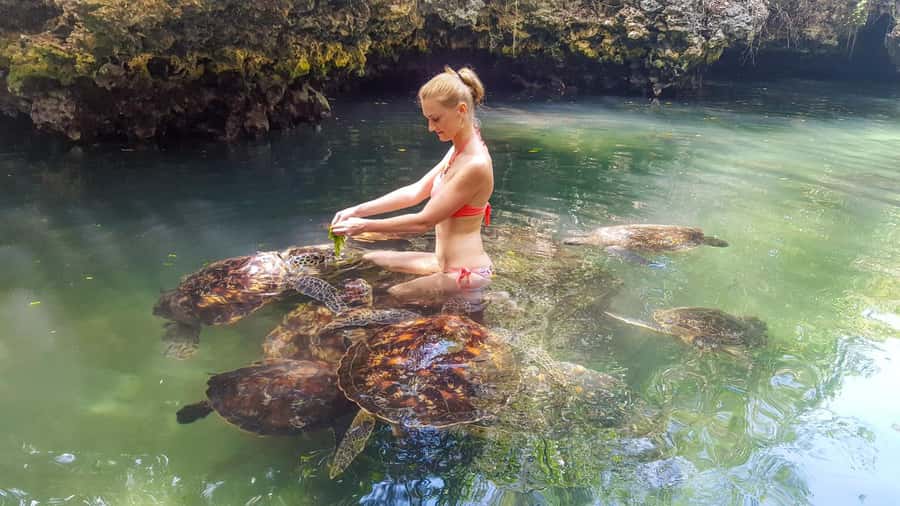
- Swim in a natural tidal pool behind the beach, not a show tank
- Feed turtles using seaweed and food provided by caretakers at the site
- Conservation story is front and center, including turtles caught in nets
- Maasai village visit is both informative and entertaining, with dance and guided tour time
- Hotel pickup and drop-off make this an easy half-day plan
Up north to Nungwi and Kendwa, more picks
- From Nungwi: Prison Island & Nakupenda Sandbank With Lunch★ 3.9 · 16 reviews
Nungwi and the Turtle Lagoon, Why This Stop Matters
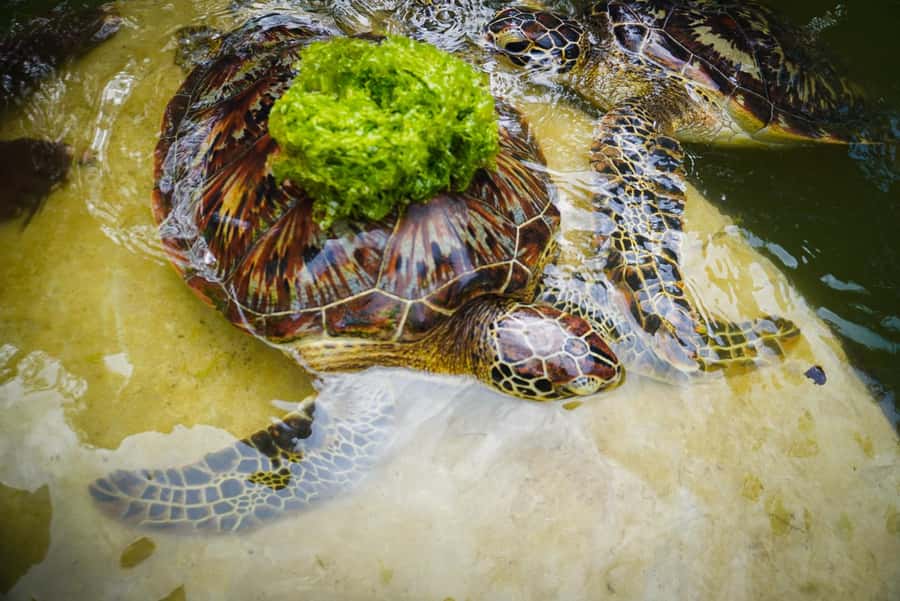
Nungwi sits on the northern tip of Zanzibar Island, and it’s where this tour does its main work. Instead of just seeing turtles from a distance, you get to interact in a controlled, conservation focused setting. The heart of it is a large, natural tidal pool carved into coral rock behind the beach. That matters because turtles behave differently when you’re in their real environment, even if the area is managed and monitored.
This is also a place built around a problem that hits coastal communities hard: turtles get caught in fishing nets. The setup at the site started as a way to rehabilitate and study marine turtles when they were injured by net entanglement. Then the project expanded its focus to include protection for local baby turtles too. So when you learn about what they eat, how they live, and why pollution and fishing practices cause problems, it’s tied to something practical on the ground.
You’ll come away with a clearer picture of why conservation is not just about animals. It’s about fishing pressures, pollution, and how a community responds when wildlife is at risk.
Feeding Sea Turtles With Caretakers, Not Just Tour Props
At the lagoon area, you’ll be guided to where the turtles are swimming. From there, you usually have two options: buy seaweed from the turtles’ carers and feed them, or get into the pool for an even closer encounter. Either way, the “up close” part is real, because you’re in the same water space where the turtles move.
The feeding element is one of the best ways to understand their behavior. Green turtles, in particular, follow food cues and tend to stay in the area when they know food might show up. You’ll also hear explanations about their life cycle and food, which helps you stop thinking of them as “cute animals” and start thinking of them as wild creatures with specific needs.
One practical note for your comfort: the tour includes swimming time, and you’ll be at a tidal pool area where the ground can be uneven around the rocks. Bring comfortable shoes even if you plan to swim. Crocs might work for some people, but if you have even a hint of rocky edges in your mind, sturdy sandals or water shoes will keep you calmer.
Swimming in the Marine Turtle Conservation Lagoon
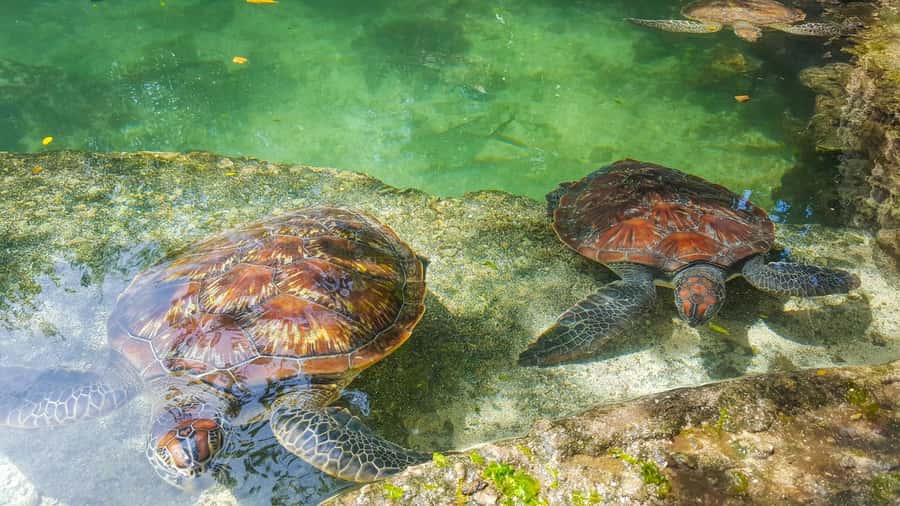
Swimming with turtles is the signature moment of this tour. You’re not just standing at the fence line. You’re in the pool, in the water with them, and that changes the whole feel of the experience. The turtles are there in a managed area, but they are still behaving like turtles. That’s exactly why this can be unforgettable.
Still, keep expectations grounded. One of the reviews I saw highlighted that during the water portion, some visitors felt more or less left on their own. That doesn’t mean the experience is bad. It just means you should go in ready to observe, ask your guide questions before you get in, and focus on what you can control: your buoyancy, where you stand, and staying relaxed.
If you want a better experience, time your entry. Arrive at the pond area, watch for a few minutes, then decide whether you’ll feed from the edge first or go in right away. That way you’re not rushing while the turtles are still moving around.
Also, plan for the water to be variable. One reviewer noted the water wasn’t so nice. If the water looks less clear on your day, don’t assume the turtles are “gone.” They often stay in the same tidal pool area even when the water surface is less pretty.
Other turtle sanctuaries and lagoon swims

The Turtle Rehabilitation Angle, What You Learn Beyond the Photos

This tour doesn’t just frame turtles as a feel-good animal encounter. It adds context about injuries, rehabilitation, and what happens after recovery. The conservation site is connected to an aquarium that rehabilitates sea turtles once they’ve recovered injuries, especially those caused by being caught in nets.
You’ll learn how the rehabilitation process works in plain terms: what the project is trying to do, how turtles are handled after injuries, and why the work includes both study and care. That matters because it turns your time with the turtles into something bigger than a one-time swim.
The tour also connects conservation to day-to-day threats like pollution and fishing. You’ll hear about the problems tied to these pressures, and you’ll get a sense of how difficult it can be to protect wildlife along an ocean shoreline where people depend on fishing.
If you’re the kind of traveler who likes to understand the why behind the experience, this part is worth your attention. It’s the difference between seeing animals and learning how humans and conservation can coexist.
Zanzibar Aquarium Stop: Short, Useful, and Focused

After the Maasai village, you’ll head to the Zanzibar Aquarium for a guided stop that can include marine life viewing and swimming time depending on the day’s flow. You’ll have time for a photo stop and a guided tour here too.
Because the rest of the day already focuses on the turtle lagoon, this aquarium stop works like a bridge. It helps you connect what you saw in the tidal pool with the larger care system behind it. Even if you don’t spend hours here, the guided angle makes the time feel more purposeful than random wandering.
From a planning perspective, treat this as a “supporting chapter,” not the main story. Your best photos and your strongest memory will likely still come from the tidal pool encounter where you feed and swim.
Maasai Village Culture: Entertaining, Informative, and Human-Scale

The other big half of this trip is the Maasai village experience. The visit includes a photo stop, a guided tour, and a traditional dance show. This is where you learn customs and get an entertaining glimpse into everyday culture.
I like how the timing is structured so you don’t feel rushed. One reviewer specifically said the pace kept them interested and that the presentations felt helpful and relevant. That’s exactly what you want from a cultural village visit. You want it to feel real, not like a quick checklist.
The dance show also helps you connect culture with emotion, not just facts. It’s not only about watching, it’s about seeing how community storytelling is done. If you come in expecting a museum-style lesson, you might miss the point. This visit is more performance plus conversation plus guided context.
One more reason this stop works well on a half-day trip: it balances the ocean part. After turtle time, it can be easy to feel like your day is all water and rules. The Maasai village portion brings you back to people, rhythm, and local life.
How the 5-Hour Loop Really Feels, Pickup to Return

This is a short day trip, about 5 hours total. That’s the big advantage. You don’t have to sacrifice a whole day to do conservation and culture.
Your day starts with pickup from your hotel in Zanzibar. You’ll be driven for about an hour to the northern area, then return after the village and turtle experiences. The van transfer between the village area and the turtle aquarium portion is shorter too, about 20 minutes, which helps keep the pacing smooth.
Practical tip: be ready at the reception about 5 minutes before departure time. The meeting point is the reception, and you’re looking for a vehicle with the Beach & Safari Holidays and Crabs Tours logo. Getting this right saves you stress right at the start.
The tour is listed as a private group, and that can make a big difference on an animal encounter day. A smaller group usually means fewer distractions, more time for questions, and less waiting around when you’re trying to watch turtles calmly.
The tour is also in English. If you’re comfortable following in English, you’ll likely get the most out of the explanations about turtle life cycle, rehabilitation, and green turtle threats.
Price and Value: Is $50 a Fair Deal?

The price is listed at $50 per person. For a 5-hour half-day with hotel pickup and drop-off, an experienced driver, a guide, and entry to the Nungwi excursion site, it has a lot going for it.
Here’s how I think about value on a day like this:
- You’re paying for a guided experience, not just transportation. The turtle and cultural explanations matter.
- You’re paying for access. The ticket and structured visit to the conservation and turtle area is the core value.
- You’re not stuck paying extra for basic logistics like finding the place yourself.
What you should budget separately is food and turtle food. Turtle food is not included, and the tour doesn’t include meals. So if you’ll be hungry, plan for a snack before pickup or money for food afterward.
Tips are optional too. So if you had a good guide and driver, a tip can be a nice thank you, but it’s not required to make the tour “work.”
For me, this tour is best value when you want both parts, culture and turtles, in one go. If you only care about turtles, you may find a more turtle-focused option. If you only care about Maasai village culture, you may prefer a shorter culture-only visit. But when you want both, $50 feels like a reasonable price for the combination.
What to Pack and What to Expect in Your Body
This tour is active. It includes a guided village walk plus a turtle pond experience where you might swim.
Bring:
- Swimwear
- A towel
- Comfortable shoes for rocky or uneven ground near the coral rock pool
Not suitable for people with mobility impairments. The main reason is the nature of getting around the areas near the tidal pool and the swimming portion.
If you’re nervous about swimming in open water, you still have a choice. You can feed turtles from the edge using seaweed purchased from caretakers. So you’re not forced to swim for the core turtle experience, as long as you feel steady and comfortable at the edge.
Who This Tour Suits Best
This is a great fit if you want:
- A short, efficient day trip that includes two very different experiences: Maasai culture and sea turtle conservation
- A hands-on wildlife day, where feeding and swimming are part of the plan
- A guided story about turtles, including net injuries and protection for baby turtles
It’s also a good choice for couples and solo travelers who like the idea of a private group and hotel pickup.
If you’re someone who hates any uncertainty around animal encounters, you should know that the turtle portion can be calm and observational. Your best results come from paying attention to what the caretakers and guide say before you enter the pool.
If you expected a constantly narrated water session, you might want to ask for clarification early. That way, you get the background before the moment gets busy.
Should You Book This Turtle and Maasai Day Trip?
I’d book this if you want a half-day that mixes people and wildlife, with conservation information built in. The turtle feeding and swimming in the Marine Turtle Conservation Lagoon is the headline, and the Maasai village visit adds real cultural context with a guided tour and dance show. You also get the practical win of hotel pickup and drop-off, which makes it easy to fit into a Zanzibar stay.
I’d think twice if your top priority is a tightly guided, constantly explained turtle session at the water. One potential drawback is that you might feel left to observe once you’re at the pond. Also, water appearance can vary, so go in ready for conservation and behavior watching, not crystal-clear conditions.
If you book, do yourself a favor: arrive ready to ask questions, wear the right footwear, and treat the turtles like the focus of the day. That mindset usually turns a simple outing into a memory you keep.
FAQ
How long is the Zanzibar: Maasai village and Nungwi turtles trip?
The tour duration is 5 hours.
Where is the tour located?
It takes place on Zanzibar Island, with activities in the Nungwi area (Unguja South Region) and a traditional village visit.
Is hotel pickup and drop-off included?
Yes. The tour includes hotel pickup and hotel drop-off.
Is this a private tour?
Yes. It is described as a private group.
What language is the guide?
The live tour guide speaks English.
What should I bring?
Bring comfortable shoes, swimwear, and a towel.
Is food included in the price?
No. Food is not included. Turtle food is also not included.
Do I have to swim to see the turtles?
Not necessarily. The experience includes the option to feed the turtles using seaweed sold by the caretakers, or to get into the pool for a closer encounter.
Is the tour suitable for people with mobility impairments?
No. It is not suitable for people with mobility impairments.
What is the cancellation window?
You can cancel up to 24 hours in advance for a full refund.
Time With Maasai Hosts
- Zanzibar: Maasai World Tour with Cultural Practices
★ 4.0 · 4 reviews
Turtle Lagoons and Sanctuaries
- SALAAM CAVE: Swim with turtles & Dine at The Rock Restaurant
★ 4.6 · 9 reviews - Zanzibar: Prison island, Sea Turtle Sanctuary + Mtende Beach
★ 4.6 · 4 reviews
North to Nungwi and Kendwa
- From Nungwi: Prison Island & Nakupenda Sandbank With Lunch
★ 3.9 · 16 reviews
Just added from around Zanzibar Archipelago
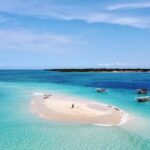
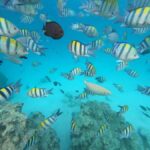
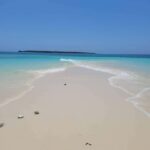
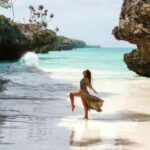

Nungwi Kendwa and Zanzibar Beach Escapes, compared.
 ★ 4.9Zanzibar: Quad Bike Adventure departing from Kendwa or NungwiFrom $721,233 reviews
 ★ 4.8From Kendwa: Mnemba Boat Trip and Dolphin Snorkel AdventureFrom $501,043 reviews
 ★ 4.9Quad Adventures in Zanzibar: Nungwi / KendwaFrom $71640 reviews
 ★ 5.04h Quad Adventures in Zanzibar: Nungwi / KendwaFrom $68270 reviews
 ★ 4.3Matemwe: Mnemba Island Dolphin & Snorkeling Boat TripFrom $35152 reviews
 ★ 4.5Mnemba from Kendwa & nungwi half dayFrom $4594 reviews
 ★ 5.04h-Quad Explore the Heart and Culture of Nungwi and KendwaFrom $6574 reviews
 ★ 4.7Mnemba dolphin & snorkel: from matemwe, pwani, kwingwa, UroaFrom $5274 reviews
Browse the lists this tour appears in