
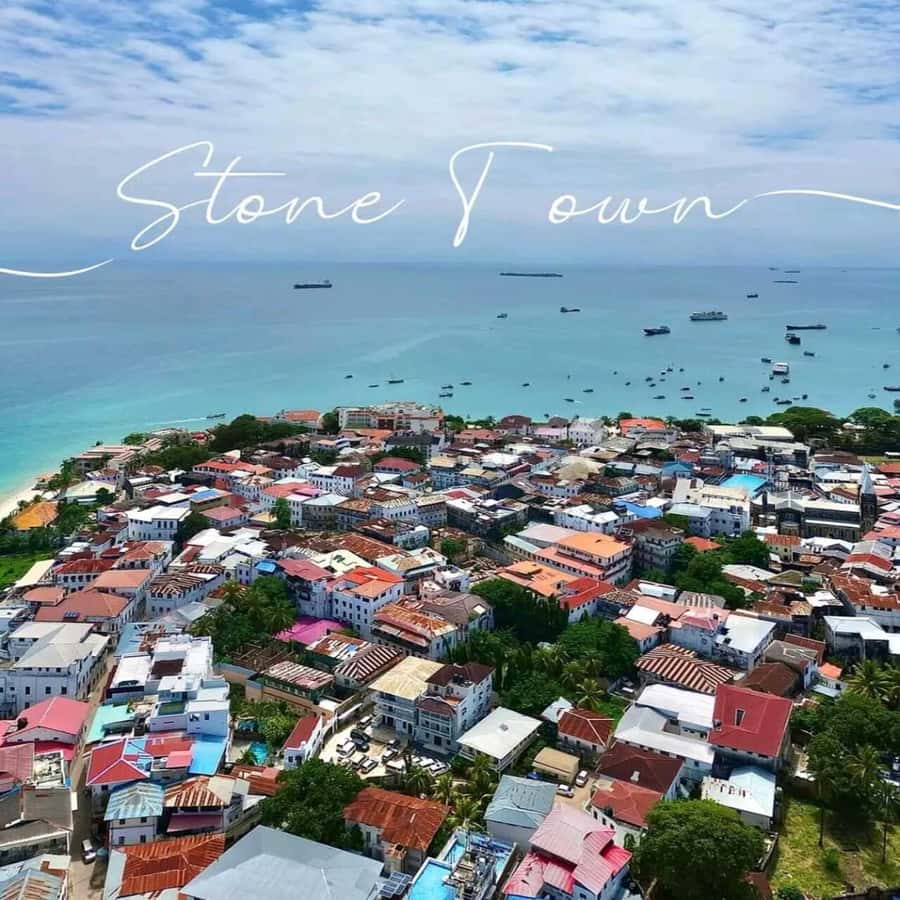
REVIEW · STONE TOWN HERITAGE WALKS
Stone Town Walking Tour with Female Guides
Stone Town is best felt on foot, and this female-led walk is a smart way to start. You get a tight route through the city’s old-world streets, with built-in stops tied to the slave trade story and Zanzibar’s Swahili culture mix. I especially like how the guide keeps things human, pointing out what you would otherwise miss in the maze.
The tour also gives you time at Darajani Market and a planned coffee break, which helps you turn sightseeing into real day-in-the-life watching. One thing to consider, though, is that a couple of major sights may not be open when your day comes around, so your exact route can shift.
In This Review
- Key Highlights You Should Know
- Stone Town on a Walking Route, Not a Checklist
- Price and Value: What $19 Covers (and What It Doesn’t)
- Pickup, Timing, and How the 3 Hours Feels in Real Life
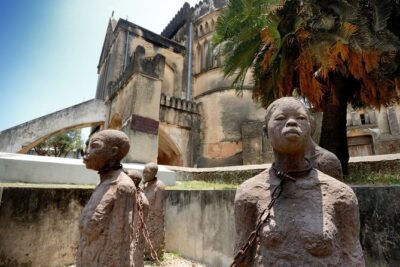
- Former Slave Market to Anglican Church: Starting With Context
- Darajani Market: Fruits, Fish, Spices, and Smart Browsing
- Coffee Break at Zanzibar Coffee House: A Good Reset
- Sultan’s Palace, Portuguese Fort, and Zanzibar Gates
- House of Wonders and Freddie Mercury: Two Stops, Two Types of Fascination
- Notre-Dame de Zanzibar and the Quiet Weight of Streets
- Shopping in Stone Town Without Turning It Into a Stress Trip
- Who This Tour Fits Best, and Who Should Skip It
- Should You Book It?
- FAQ
- Where does the tour start and how do I get back?
- How long is the Stone Town walking tour?
- Is entry to the former East Africa slave market included?
- Is the Freddie Mercury Museum ticket included?
- What’s included in the tour besides guiding?
- What languages are the guides able to speak?
- What should I bring?
- Is this tour private, and are there age discounts?
Key Highlights You Should Know

- Female guide storytelling that stays focused on what you see, not just dates
- Slave trade context starting at the former slave market site, now an Anglican church
- Darajani Market time for fruits, fish, spices, and practical souvenir browsing
- Freddie Mercury photo stop plus optional museum entry if you want to go deeper
- Spice and gate viewing through the narrow streets, including Zanzibar-style architectural details
- Free time built in so you can circle back and explore at your own pace
Other Stone Town walks we followed
- Stonetown: Food Markets and Street Food Walking Tour★ 4.7 · 151 reviews
- Zanzibar Stone Town Walking Tour★ 5.0 · 145 reviews
- Stone Town Historical Walking Tour★ 5.0 · 143 reviews
- Spice Tour + Stone Town Tour + Prison Island★ 4.5 · 130 reviews
Stone Town on a Walking Route, Not a Checklist
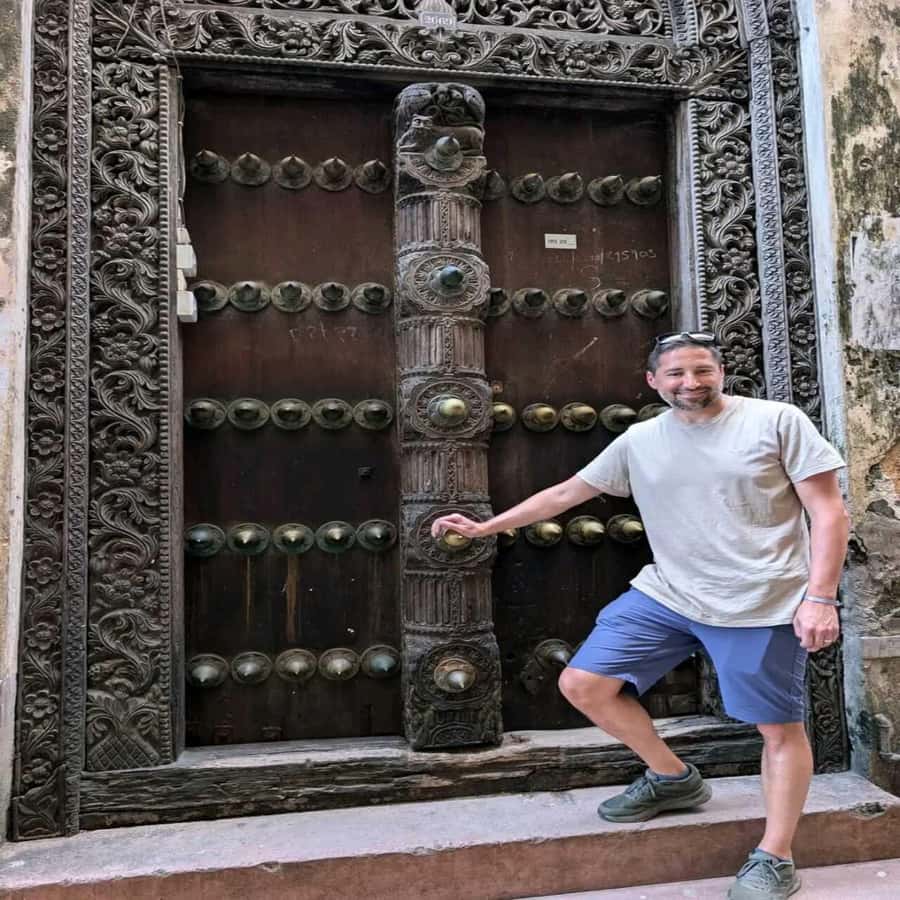
Stone Town can feel like a puzzle at first. The streets are narrow, the buildings curve in odd ways, and the city changes character block by block. This tour is useful because it gives you a way to move through it without getting lost, and without missing the places that explain why Stone Town looks the way it does.
I like that it’s not only photo stops. You also get context for the city’s mixed influences, including Arab, Indian, European, and Portuguese history, which shows up in architecture and street layout. The tour is designed for walking, so wear shoes you can trust for uneven stones and long stretches, even if the pace stays relaxed.
At around 3 hours total, the walk is long enough to feel like a real introduction, but not so long that you’re wiped out afterward. The tradeoff is that some stops depend on what’s open that day, so keep your expectations flexible.
Price and Value: What $19 Covers (and What It Doesn’t)
At about $19 per person, this tour is positioned as a budget-friendly introduction to Stone Town. For that price, you’re paying for a guided narrative, water, and hotel pickup and drop-off in Stone Town.
What matters for your wallet is that key sites can require separate entry fees. The former East Africa slave market site is listed as an additional $10 per person, and the Freddie Mercury Museum is about $8 per person. If those are must-sees for you, the total cost becomes a bit higher, but still reasonable for a guided walk across major landmarks.
If you prefer to keep costs down, you can still enjoy the route and exterior viewing, then decide on museum entries once you’re standing in the right place. Either way, bring cash, because tickets and small purchases are often easier to handle that way.
Pickup, Timing, and How the 3 Hours Feels in Real Life

You’ll be picked up from your Stone Town hotel, with the driver waiting at the reception. That sounds simple, but it’s important in Stone Town because door-to-door access can be limited, and you don’t want to waste time searching for your meeting point.
The schedule notes the tour as about 3 hours, but the actual guiding time is closer to 2 hours 45 minutes. That slight mismatch is normal for tours that include walking time plus brief pauses for photos and market stops.
The pacing is a walking pace, not a sprint. One experience shared that it felt like a slow walk, which can be a plus if you like looking at details and absorbing the explanations. Just don’t expect a fast-moving hit list where you see every major attraction inside.



Former Slave Market to Anglican Church: Starting With Context
The tour begins at the former slave market area, now the Anglican church. Starting here changes the tone of the whole day. Instead of beginning with architecture or shopping, you confront the part of Zanzibar’s past that shaped East Africa’s history and trade routes.
Your guide traces the history of the slave trade in East Africa and connects it to the wider story of explorers and missionaries, including David Livingstone. Even if this subject is heavy, it’s also one of the most meaningful reasons to take a guided Stone Town walk. Alone, you might see the building and move on, but with a guide, you understand why this location matters.
A practical note: the Former East Africa slave market entry is not included, listed at $10 per person. If you’re sensitive to hard history, you can choose how much time you spend inside. You’ll still get the overview and location context.
Darajani Market: Fruits, Fish, Spices, and Smart Browsing
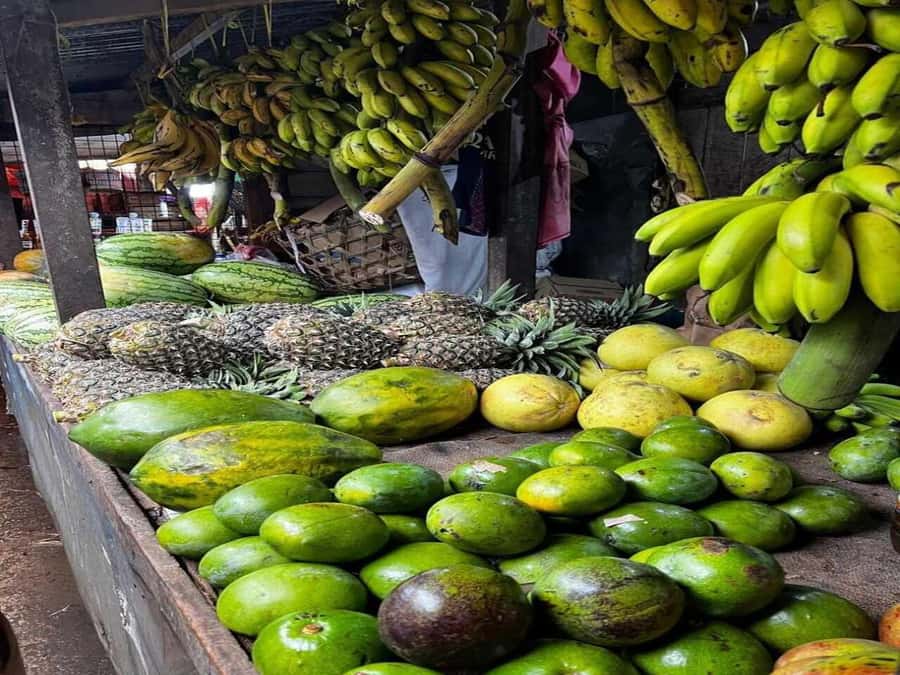
Next you head to Darajani Market, the busy hub for fruits, vegetables, fish, meat, and spices. This is where Stone Town becomes more than old stone. You’re watching daily life, seeing what people buy, and learning the rhythm of the place.
You’ll have time to shop, sample if available, take photos, and look closely at ingredients from the Indian Ocean and Zanzibar growers. If you like souvenirs, this stop is valuable because it mixes food culture with shopping, so you can buy things that make sense at home, not just decorative items.
Tip: bring a camera and be patient. Markets reward curiosity, but you have to move slowly through crowds. Also, because the tour includes time for your own choices here, you can tailor spending without feeling pressured to rush through everything.
Coffee Break at Zanzibar Coffee House: A Good Reset
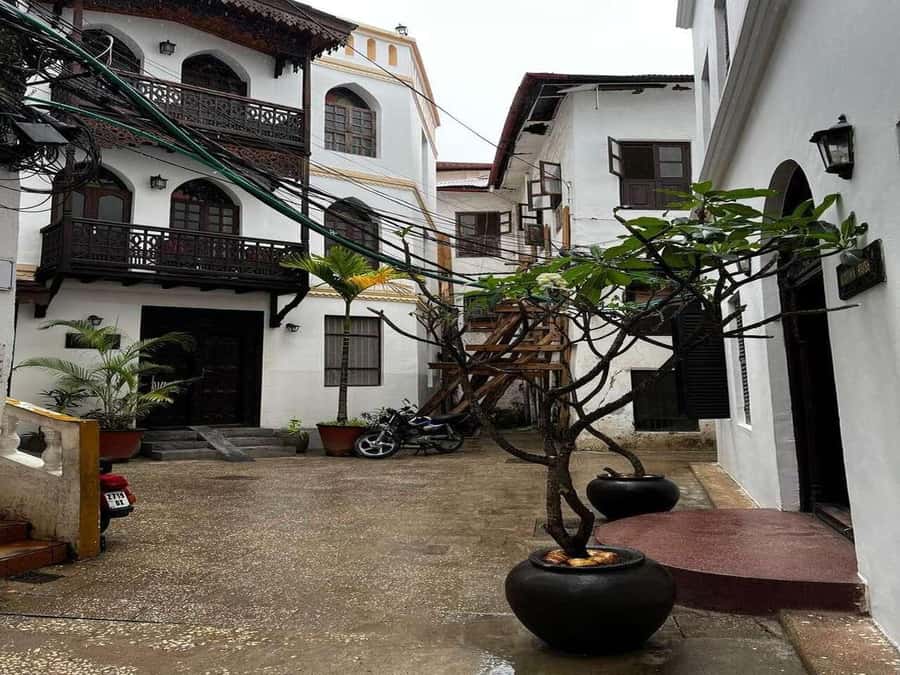
Between the market and the palace area, there’s a stop at the Zanzibar Coffee House, where you can sit and choose an aromatic coffee. This is more than a casual pause. It helps you recover from the market intensity so you can enjoy the next wave of landmarks.
I like these built-in breaks because Stone Town is visually dense. After you’ve seen gates, balconies, and doorways all morning, your brain starts blending details together. A coffee break gives you a reset so the next explanations land better.
If you’re the type who prefers photos over sitting, you can still use this as a short stop to hydrate and regroup. The tour also provides bottled water, which helps keep you steady in the heat.
Sultan’s Palace, Portuguese Fort, and Zanzibar Gates
After coffee, the tour moves toward power and architecture: the Sultan’s Palace comes first, giving you the atmosphere of the Zanzibar Sultanate. You’ll learn how the sultanate shaped the city’s role in regional trade and its cultural blend.
Then you walk toward the Old Arabic Fort, also called an Old Fort structure that served as a battle arena and later as an early railway station, among other uses. After that, you’ll head to the Old Portuguese Fort. Even if you only do exterior viewing, the presence of these forts helps you see why Stone Town was strategically important, not just culturally interesting.
Throughout, the guide points out Zanzibar gates and the curved, decorative style that makes Stone Town look like no other city. These details matter because they teach you what to notice as you wander on your own later.
One caution: an experience shared that some key sites were closed for renovations on their day, including the Old Fort and the House of Wonders. So be prepared for the possibility that you might spend more time on streets and viewpoints instead of entering everything.
House of Wonders and Freddie Mercury: Two Stops, Two Types of Fascination
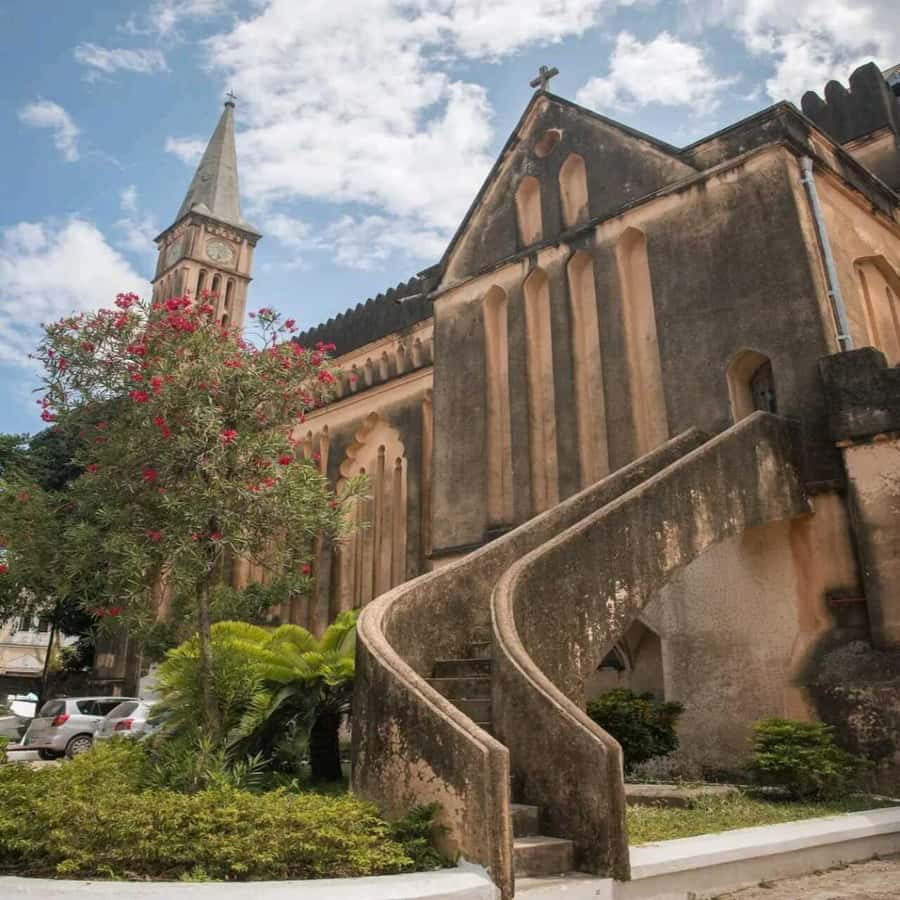
The House of Wonders (Bait el-Ajab) is listed as a major stop, noted as the tallest building in East Africa and described as a ceremonial palace with mysterious history. This is the kind of place you’ll want to hear about, because the story gives the walls meaning.
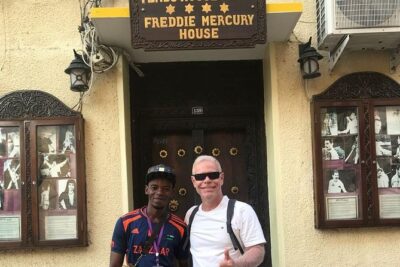
Then the tour shifts to music history at Freddie Mercury’s childhood home, with a photo stop included. If you’re a Queen fan, this is one of the quickest, most fun parts of the day because it turns a pop culture name into a real street photo.
The Freddie Mercury Museum entry is not included, about $8 per person. If you care deeply about the museum, consider paying extra. If you mainly want the photo moment and the story context, you can skip it and still get plenty from the walk.
Also, note the guide language mix. Your guide can speak French, English, German, Italian, and Swahili. One tour report mentioned a guide who was personable but with English that needed improvement. So if English is a must, it may help to confirm your guide language preference when you book.
Notre-Dame de Zanzibar and the Quiet Weight of Streets

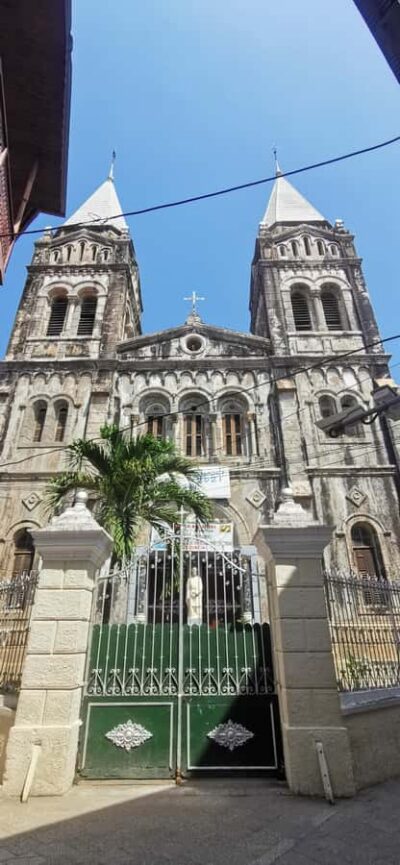
The final landmark stop is the French Catholic Cathedral (Notre-Dame de Zanzibar). This church is described as beautifully sculpted and located right in the heart of Stone Town, with history attached to the space.
This works well as a closing stop because it’s different from the market and the palace. You slow down, look at details, and get a sense of how many faith traditions have left marks on this small city.
After the cathedral, you get a stroll through narrow streets again, including browsing souvenir shops and boutiques and seeing more of the Zanzibar gate features.
Then you’re back to your pickup location or to your hotel, depending on how your day is arranged. The route is designed so you can end feeling like you saw enough to navigate confidently later.
Shopping in Stone Town Without Turning It Into a Stress Trip
Stone Town shopping can be fun, but it can also turn into last-minute overpaying if you wait until you’re tired. This tour helps because it includes market time and guided browsing in different spots.
Use Darajani Market for practical items like spices, and use the boutiques on the later street stroll for handmade crafts or souvenirs you can inspect closely. If you want a smarter shopping plan, go in with a rough idea of what you want to bring home, then let your guide help with where the best viewing happens.
Bring cash, and keep an eye on how much time you spend bargaining. The tour already builds in free time, so you don’t need to rush every purchase.
Who This Tour Fits Best, and Who Should Skip It
This tour suits you if you want:
- A walking introduction to Stone Town with strong landmark flow
- A guide-led explanation of the slave trade story, starting at the former slave market site
- Market time for spices and everyday life
- A Freddie Mercury photo moment without needing to plan separately
It may not suit you if:
- You prefer a super-fast tour with maximum number of stops in one pass
- You hate uncertainty around closures, since some sites can be under renovation
- You have altitude sickness concerns, since the activity notes it is not suitable for that condition
If you’re traveling solo or as a couple, the private group format is a plus. You’ll likely get a calmer experience than big group tours, and a chance to ask questions.
Should You Book It?
Yes, if you want a guided Stone Town start with real context, not just walking for photos. The female-guided storytelling, the opening stop connected to the slave trade story, and the Darajani Market segment are the big reasons this works.
I’d book it if your top priorities include learning what you’re looking at, seeing landmarks in a logical order, and leaving with enough energy to wander more on your own afterward. Just be sure you budget for optional entry fees for the former slave market site and the Freddie Mercury Museum.
If you are the type who only wants places that are guaranteed open, then keep your expectations flexible and treat it as a guided route plus street exploration. With that mindset, this is good value.
FAQ
Where does the tour start and how do I get back?
The tour includes hotel pickup and drop-off in Stone Town. You’re asked to wait at the reception, and you’ll return to your pickup location or your hotel at the end.
How long is the Stone Town walking tour?
The activity is listed as 3 hours, and it also notes the tour lasts approximately 2 hours 45 minutes.
Is entry to the former East Africa slave market included?
No. Entry to the former East Africa slave market is not included and is listed as $10 per person.
Is the Freddie Mercury Museum ticket included?
No. Freddie Mercury Museum entry is listed as not included, and the price is about $8 per person.
What’s included in the tour besides guiding?
Included items are guiding service, bottled water, hotel pickup and drop-off in Stone Town, and a photo stop at Freddie Mercury’s childhood home.
What languages are the guides able to speak?
The tour is available with a live guide in French, English, German, Italian, and Swahili.
What should I bring?
Bring comfortable shoes for walking, a camera, and cash for purchases and any ticketed entries.
Is this tour private, and are there age discounts?
It’s a private group. Children 0 to 4 can join for free, and children 6 to 12 have a reduced price.
Stone Town, Street by Street
- Zanzibar; Prison Island, Nakupenda, StoneTown Tour with BBQ
★ 4.3 · 457 reviews - Stonetown: Food Markets and Street Food Walking Tour
★ 4.7 · 151 reviews - Zanzibar Stone Town Walking Tour
★ 5.0 · 145 reviews - Stone Town Historical Walking Tour
★ 5.0 · 143 reviews - Spice Tour + Stone Town Tour + Prison Island
★ 4.5 · 130 reviews
Just added from around Zanzibar






Stone Town Heritage Walks, compared.
 ★ 4.4Zanzibar: Stone Town, Spice Tour, Prison Island with LunchFrom $681,219 reviews
 ★ 4.5Zanzibar: Prison Island, Stone Town, & Spice Farm TourFrom $70579 reviews
 ★ 4.3Zanzibar; Prison Island, Nakupenda, StoneTown Tour with BBQFrom $71457 reviews
★ 4.6Zanzibar: Stone Town, Spice tour & Prison Island with LunchFrom $55453 reviews
★ 4.3Zanzibar; Prison Island, Nakupenda, StoneTown Tour with BBQFrom $71457 reviews
★ 4.6Zanzibar: Stone Town, Spice tour & Prison Island with LunchFrom $55453 reviews
 ★ 5.0Stone Town Private Walking TourFrom $26371 reviews
 ★ 4.6Zanzibar: 3 Hours Private Stone Town walking Tour with GuideFrom $24301 reviews
 ★ 4.5Full-Day Private Stone Town +Spice Farm and Prison Island TourFrom $100216 reviews
 ★ 4.5Zanzibar: Stone Town Historical Cultural Walking Guided TourFrom $21179 reviews
Browse the lists this tour appears in