
REVIEW · STONE TOWN HERITAGE WALKS
Stone Town Private Tour with Slave Market Tickets
Stone Town feels like a time machine in motion. You get a private guided route through Zanzibar’s most famous lanes, with stop-and-speak context for how Swahili culture grew from Arab, Indian, Portuguese, and European trade links. It also covers the 19th century slave trade story at the old sale site, then balances that weight with markets, churches, and palaces.
What I like most is the way the day mixes meaning and everyday life, especially around the Darajani Market seafood and produce and the maze of streets near the old coffee-house area. I also love that the tour includes entry to the former slave market, so you can look at the monuments and Slave Chamber without scrambling for tickets. One thing to consider is that the Freddie Mercury Museum admission is not included, and several stops are short, so you will be moving at a steady pace.
In This Review
- Key moments you should look for
- Meeting at Forodhani Park, then into Stone Town’s tight streets
- Old Slave Market and Anglican Cathedral, where the trade story is laid out
- Freddie Mercury Museum, a quick stop if you want a pop-culture twist
- Ngome Kongwe (Old Fort), Portuguese chapel meets Busaid Arab fort
- Darajani Bazaar, where spices, fish, and fruit do the talking
- Zanzibar Coffee House area, a brief break in the lanes
- People’s Palace Museum and the Sultan Palace ambience
- Forodhani Gardens, evening-style food energy in a daytime visit
- St Joseph’s Roman Catholic Cathedral, ornate inside and easy to miss outside
- Old Dispensary, the first health institution in town
- Tippu Tip’s House, learning the story behind a famous name
- Price and value at $30, what you actually get
- Weather, comfort, and how to enjoy the route without rushing
- Should you book this Stone Town private tour?
- FAQ
- How long is the Stone Town private tour?
- What time does the tour start?
- Where do we meet for the tour?
- Is this tour private or shared?
- What is included in the price?
- Is the Freddie Mercury Museum admission included?
- Are any of the other stops free to enter?
- Is there a mobile ticket?
- What happens if the weather is bad?
- Is cancellation free?
Key moments you should look for
- Maulid Omar’s storytelling that connects architecture, trade, and daily street life
- Old Slave Market and Anglican Cathedral stops where you see the site’s own historical markers
- Darajani Bazaar for a close look at fish, spices, fruits, and bargaining energy
- Ngome Kongwe (Old Fort) with Portuguese and Arab layers explained in plain terms
- People’s Palace Museum and the Sultan Palace area for how power shaped the city
Other Stone Town walks we followed
- Stonetown: Food Markets and Street Food Walking Tour★ 4.7 · 151 reviews
- Zanzibar Stone Town Walking Tour★ 5.0 · 145 reviews
- Stone Town Historical Walking Tour★ 5.0 · 143 reviews
- Spice Tour + Stone Town Tour + Prison Island★ 4.5 · 130 reviews
Meeting at Forodhani Park, then into Stone Town’s tight streets
This tour starts at Forodhani of Zanzibar at Forodhani Park, and you return to the same meeting point. The timing is set for an 8:30 am start, which is handy if you want to see the “real city” before it gets crowded.
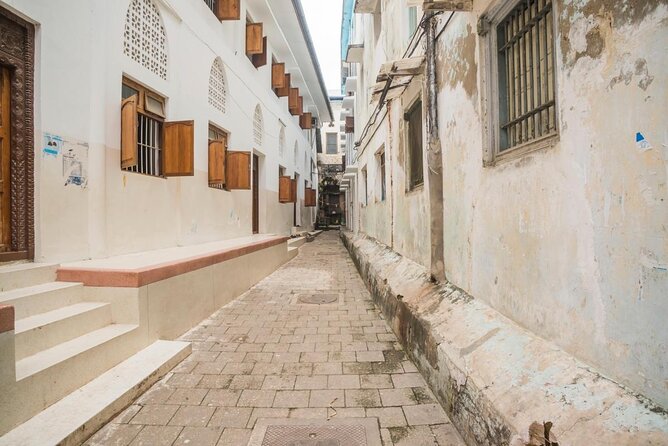
Right away, you’re walking into the rhythm of Stone Town, with narrow streets that can feel confusing on your own. With a private guide, you can ask questions as you go, and you avoid wasting time figuring out where the key buildings are hiding.
Old Slave Market and Anglican Cathedral, where the trade story is laid out
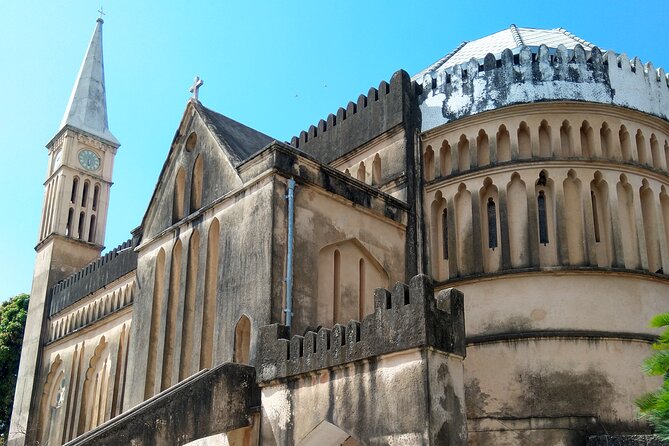
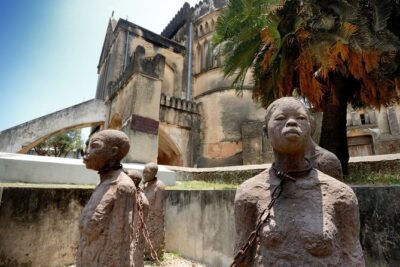
The first stop is the Old Slave Market / Anglican Cathedral area, and the tour is focused here for a reason. You get to trace the slave trade in Zanzibar and the wider East Africa region, and you’ll look at the monuments and the Slave Chamber area, including the site where people were sold out.
This part is heavy, but it is also the most important part of the itinerary. The guide also helps you spot historical artifacts connected to the area, plus the marks connected with well-known figures such as Dr. David Livingstone and missionaries. Because the entrance ticket is included, you can focus on the learning instead of worrying about extra access.
A practical note: plan to slow down here, even if the schedule keeps moving. This is the place where you’ll want a minute to absorb what you’re seeing before walking on.
Freddie Mercury Museum, a quick stop if you want a pop-culture twist
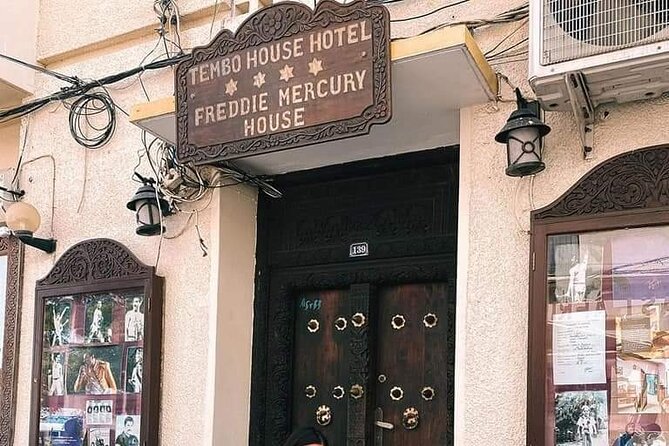
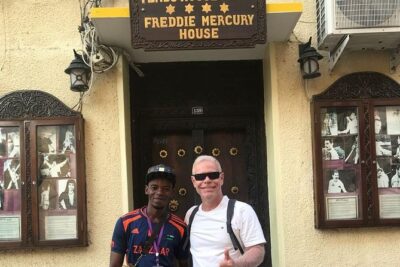
Next comes the Freddie Mercury Museum, where the guide gives the history of the singer, songwriter, guitarist, and Queen frontman. The stop is short, about 20 minutes, and the museum ticket is not included in the tour price.
If you are a big Queen fan, this may be a fun contrast after the morning’s serious topic. If you are not, it can still be interesting as a way to understand how global pop culture and local identity overlap in Stone Town.



Ngome Kongwe (Old Fort), Portuguese chapel meets Busaid Arab fort

Then you head to the Old Fort (Ngome Kongwe), which is explained as a layered history story. You’ll see the open amphitheatre area and learn about the Portuguese chapel, plus the Busaid Arab fort side of the complex.
Even with limited time here, this stop matters because Stone Town’s buildings are not just pretty. The architecture shows who had influence, who built, and how power and trade shaped the city’s layout.
Drawback to keep in mind: this is another about 20 minute window, so it is more of an orientation than a long sit-down visit. If you like to linger for photos, you may have to choose what you capture quickly.
Darajani Bazaar, where spices, fish, and fruit do the talking

After the fort, the tour hits Darajani Bazaar, and this is one of the most practical stops on the route. You’ll be guided through the market’s daily rhythm, checking out fresh produce and the seafood catch from the Indian Ocean, plus spices, fruits, vegetables, and meats.
This is where Stone Town feels less like a museum and more like a living port city. You get a chance to shop, test items, photograph, and bargain with local vendors, and you can try to read the market like a local instead of just walking past stalls.
One consideration: markets can be noisy and crowded, so if you prefer quiet sightseeing, this is the part of the day where you’ll notice the sensory overload. Still, it’s also the stop most people remember because it’s about daily life, not just landmarks.
Zanzibar Coffee House area, a brief break in the lanes
The itinerary then takes you into the narrow street section of Stone Town up to Zanzibar Coffee House, with a short 15 minute pause. The idea is simple: take a breath, and enjoy a coffee of your choice.
This stop can be a good reset after the market. It also helps you see how easy it is to get your bearings, because the streets near the coffee-house area act like a reference point once you’ve got your guide’s route in your head.
People’s Palace Museum and the Sultan Palace ambience
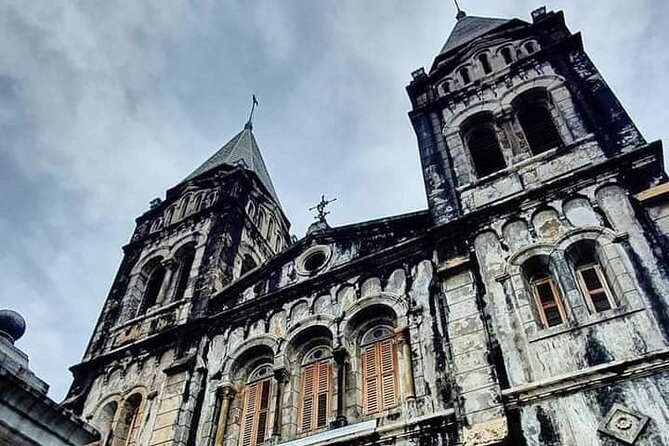
Next you go up toward the Sultan Palace area, tied to People’s Palace Museum time. This part is about the Sultan dynasty and getting a feel for the ambience inside the majestic palace setting.
Even if you only get 20 minutes, it’s enough to understand why this city’s architecture looks the way it does. It shows how rule, wealth, and trade connections translated into spaces people could gather in, display power, and host visitors.
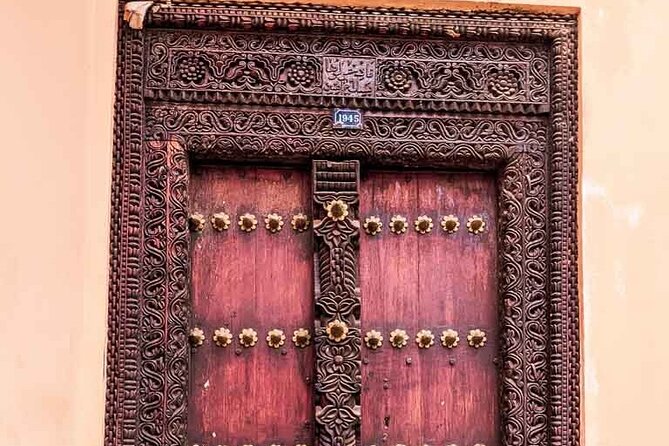
This is also a good stop for photos, but don’t rush through it if your guide is explaining details. Palace spaces often have small tells, door shapes, carvings, or layout choices that make more sense when you hear the story.
Forodhani Gardens, evening-style food energy in a daytime visit

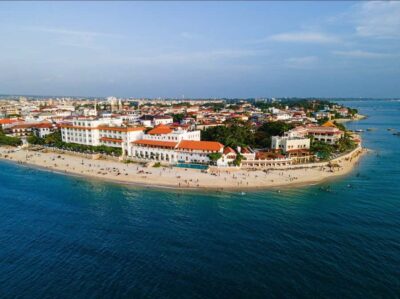
The tour includes a stop at Forodhani Gardens, a well-known spot where locals sell food in the evening. The listed menu of what you might find includes sea foods, sugarcane juice, BBQ, and Zanzibar pizza, and the area is described as a place with strong local energy.
Because your tour starts in the morning, you may not see the exact same evening crowd, but you still get a feel for why this waterfront area matters. It’s part market, part social space, and part “Zanzibar tastes” training ground.
Tip for you: if you see food you want to try, keep it simple and eat what you can finish comfortably. With a short itinerary, you do not want a big meal that slows you down for the remaining stops.
St Joseph’s Roman Catholic Cathedral, ornate inside and easy to miss outside
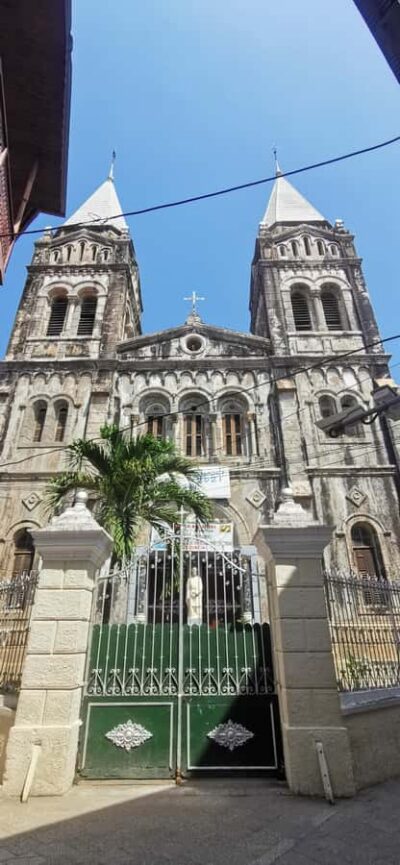
You then visit St. Joseph’s Roman Catholic Cathedral, described as the French cathedral (Notre Dom of Zanzibar) within the heart of Stone Town. The key point here is that it is well-sculptured inside, with stories that match the mix of influences across the city.
This stop is one of those “small time, big impression” moments. Churches can be easy to skip when you’re focused on markets and forts, but this one gives Stone Town another lens, faith and community shaped by outside links.
Because the stop is about 20 minutes, you’ll want to balance photos with listening as your guide points out specific details.
Old Dispensary, the first health institution in town
After the cathedral, the tour heads to the Old Dispensary, noted as the first dispensary in town. It was established by Sultan’s business advisor Tharia Thopan, and you’ll spend around 20 minutes learning why that matters.
This kind of stop is underrated, because it shifts the story from grand buildings and trade to public services. It’s a reminder that the city was also building institutions for everyday needs, not only trading and ruling.
If you like history that goes beyond headlines, this stop is a good match for your interests.
Tippu Tip’s House, learning the story behind a famous name
The final named site is Tippu Tip’s House on Shangani Street. The guide gives you the chance to explore the house linked to Tip Tip, described as a world powerful and famous slave trader.
This stop helps close the loop on the theme of trade, influence, and Zanzibar’s role in East African history. It’s another chance to connect what you saw earlier at the former slave market site with the broader network of commerce and power.
Time is short here, about 20 minutes, but it works well as a closing perspective before you return to Forodhani.
Price and value at $30, what you actually get
At $30 per person, this tour can feel like good value because it packs a lot into a 3 to 4 hour private experience. You get bottled water, guiding services, and entrance fees, including entry to the former slave market.
Also, since the private format means only your group participates, the guide can pace the day around your questions. That matters in Stone Town, because you’ll want explanations for why doors, mosques, and palaces look the way they do and how that connects to trade routes.
The main “not included” item to remember is the Freddie Mercury Museum admission. Everything else listed for the other stops is free (including Fort Ngome Kongwe, Darajani Bazaar, and the cathedral, among the points you visit), so your extra cost should mainly be that museum ticket.
Weather, comfort, and how to enjoy the route without rushing
The experience notes that it depends on good weather, so if you see rain in the forecast, you should plan for possible changes. Wear comfortable shoes, because Stone Town’s streets can be uneven and tight, especially when you’re moving between sites quickly.
Bring basic spending money for market snacks and drinks. Even with guidance, the market experience works best when you can say yes to a small taste or a quick purchase and then keep walking.
Should you book this Stone Town private tour?
I’d book this if you want a Stone Town walk that is more than photo stops. The slave market site with included tickets gives you context fast, and the route then balances it with markets and major landmarks, so the day feels complete instead of one-topic only.
I’d think twice if you prefer long museum time or hate short stops. The pace is designed for a half-day feel, meaning some places get about 15 to 20 minutes before you move on.
If your group likes history plus daily life, and you want a guide who can connect the dots, this one is a strong choice.
FAQ
How long is the Stone Town private tour?
It runs for about 3 to 4 hours.
What time does the tour start?
The start time is 8:30 am.
Where do we meet for the tour?
You meet at Forodhani Park, Zanzibar, Tanzania (Forodhani of Zanzibar, R5QQ+VJ6).
Is this tour private or shared?
It is private, meaning only your group participates.
What is included in the price?
The tour includes bottled water, entrance fees, guiding services, and entry/admission tickets at the former slave market.
Is the Freddie Mercury Museum admission included?
No. The Freddie Mercury Museum ticket is not included.
Are any of the other stops free to enter?
Many stops are listed as free for entry, including Ngome Kongwe (Old Fort), Darajani Market, People’s Palace Museum area, Forodhani Gardens, and several cathedrals or historic sites on the route.
Is there a mobile ticket?
Yes, the tour features a mobile ticket.
What happens if the weather is bad?
This experience requires good weather. If it is canceled due to poor weather, you will be offered a different date or a full refund.
Is cancellation free?
Yes, you can cancel for a full refund up to 24 hours in advance. If you cancel less than 24 hours before the experience starts, the amount paid is not refunded.
Stone Town, Street by Street
- Zanzibar; Prison Island, Nakupenda, StoneTown Tour with BBQ
★ 4.3 · 457 reviews - Stonetown: Food Markets and Street Food Walking Tour
★ 4.7 · 151 reviews - Zanzibar Stone Town Walking Tour
★ 5.0 · 145 reviews - Stone Town Historical Walking Tour
★ 5.0 · 143 reviews - Spice Tour + Stone Town Tour + Prison Island
★ 4.5 · 130 reviews
Just added from around Zanzibar




Stone Town Heritage Walks, compared.
 ★ 4.4Zanzibar: Stone Town, Spice Tour, Prison Island with LunchFrom $681,219 reviews
 ★ 4.5Zanzibar: Prison Island, Stone Town, & Spice Farm TourFrom $70579 reviews
 ★ 4.3Zanzibar; Prison Island, Nakupenda, StoneTown Tour with BBQFrom $71457 reviews
★ 4.6Zanzibar: Stone Town, Spice tour & Prison Island with LunchFrom $55453 reviews
★ 4.3Zanzibar; Prison Island, Nakupenda, StoneTown Tour with BBQFrom $71457 reviews
★ 4.6Zanzibar: Stone Town, Spice tour & Prison Island with LunchFrom $55453 reviews
 ★ 5.0Stone Town Private Walking TourFrom $26371 reviews
 ★ 4.6Zanzibar: 3 Hours Private Stone Town walking Tour with GuideFrom $24301 reviews
 ★ 4.5Full-Day Private Stone Town +Spice Farm and Prison Island TourFrom $100216 reviews
 ★ 4.5Zanzibar: Stone Town Historical Cultural Walking Guided TourFrom $21179 reviews
Browse the lists this tour appears in