
REVIEW · STONE TOWN HERITAGE WALKS
Stone Town Historical Walking Tour
Stone Town turns a walk into a living story. I especially like the religious mix in the streets and the way the guide ties architecture to everyday Zanzibar life, not just dates. You also get a practical route that includes food stops like Forodhani Gardens, plus key landmarks such as the Old Fort and Christ Church. The main downside to plan for is that some of the stops (like the Freddie Mercury Museum) cost extra, and the tour moves at a city-walking pace.
The best part is the personal guidance. This is a private experience, so your guide can pace things around what you care about, and one name that pops up in feedback is Ahmed, known for adjusting the tour based on group interests and sharing real context. If you want a slow, sit-down style sightseeing day, you may prefer something less walk-heavy.
In This Review
- Key things you’ll notice right away
- Stone Town in a 2 to 3 Hour Walk, not a Sightseeing Marathon
- Price and what the $5 entrance fee really covers
- Start at Forodhani: where the city feels both old and current
- Stop 1: Stone Town streets, carved doors, and a UNESCO-listed trading hub
- Stop 2: The Old Fort (Ngome Kongwe) and the Portuguese to Oman story
- Stop 3: Forodhani Gardens street food, when the city turns into a night market
- Stop 4: Darajani Bazaar for spices, seafood, and everyday shopping
- Stop 5: People’s Palace Museum and the Sultan’s home life
- Stop 6: Christ Church Cathedral at the former slave market site
- Stop 7: Freddie Mercury Museum and Zanzibar’s pop-culture bridge
- What makes the guide matter here (and why Ahmed is mentioned)
- Timing tips: how to plan around the food stop and walking comfort
- Who should book this Stone Town walking tour
- Should you book Stone Town Historical Walking Tour for your trip?
- FAQ
- How long is the Stone Town Historical Walking Tour?
- Where does the tour start and end?
- Is the tour private?
- Is there a hotel pickup?
- Are entrance fees included?
- Do I get a mobile ticket?
Key things you’ll notice right away
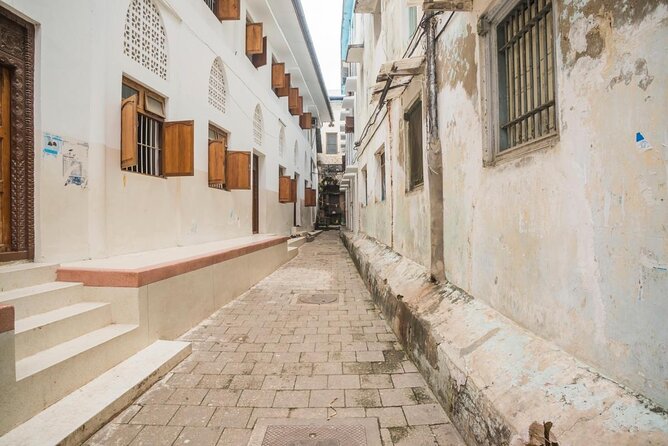
- Stone Town streets start with the senses, sea air, perfume smells, and calls to prayer in the same walk
- Old Fort (Ngome Kongwe) gives the Portuguese to Oman timeline in plain language
- Forodhani Gardens centers on food after sunset, with grilled seafood, samoosa, cassava, and potatoes
- Darajani Bazaar is a daily-life crash course, from produce and spices to crafts and clothing
- Christ Church Cathedral marks the former slave market site, adding weight to what you see
- Freddie Mercury Museum links Zanzibar to global pop culture, with personal items and memorabilia (extra entry)
Other Stone Town walks we followed
- Stonetown: Food Markets and Street Food Walking Tour★ 4.7 · 151 reviews
- Zanzibar Stone Town Walking Tour★ 5.0 · 145 reviews
- Stone Town Historical Walking Tour★ 5.0 · 143 reviews
- Spice Tour + Stone Town Tour + Prison Island★ 4.5 · 130 reviews
Stone Town in a 2 to 3 Hour Walk, not a Sightseeing Marathon
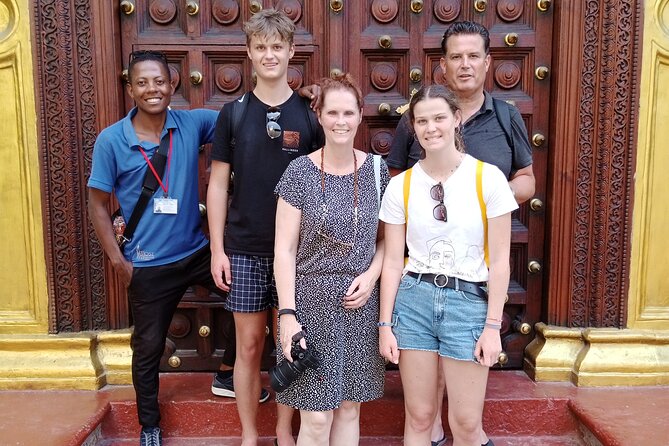
At $25 per person for about 2 to 3 hours, this tour is built for people who want a solid introduction without burning a whole day. Stone Town is UNESCO-listed, but the tour does not treat it like a museum display. It treats it like a real neighborhood, where you can still hear people at work, smell the food, and watch daily routines move around the historic walls.
One practical perk is that you meet at Forodhani and end back there. That makes it easier to keep plans clean afterward, whether you’re heading for dinner or trying to catch a sunset stroll. You also get a professional guide and, if you request it in advance, a hotel pickup within Stone Town.
Price and what the $5 entrance fee really covers
The headline price is $25. On paper that sounds straightforward, but the real value comes from what you get included: a guide, a private walking route through the main heritage sights, and enough stops that you’ll feel like you saw more than one “postcard” moment.
The tour lists an entrance fee of $5 per person as not included. At the same time, the individual schedule notes admission tickets as free for several stops. So here’s the practical way to look at it: you should expect a small extra cost, and you’ll be ready for it when your guide points out where entry applies.
Two stops also flag that admission is not included: Christ Church Cathedral and the Freddie Mercury Museum. That matters because both are meaningful. The museum, in particular, is not just about the name on the poster, it’s about his Zanzibar roots and the items connected to his life and career.
Start at Forodhani: where the city feels both old and current
You begin at Forodhani, a great choice because it anchors you in the most “alive” part of Stone Town. Even before you get into the official sites, you’ll feel the rhythm of the area: sea air, perfume scents, and the soundscape from the minarets. Stone Town can be hypnotic, but it can also feel like you’re wandering. A guide prevents that drift by turning the walk into a sequence with meaning.
Forodhani also sets you up for the most food-focused part of the route. The schedule notes that the park gets very busy after sunset with a popular street food scene, and that’s exactly when most people start enjoying Stone Town as more than heritage buildings.



Stop 1: Stone Town streets, carved doors, and a UNESCO-listed trading hub

Stone Town is the historical center of Zanzibar City, and this tour starts where the city makes the most sense. The Old Town grew as a major trading center for spices, silk, and slave trade routes for more than a millennium. That long trade history is why you see so many overlapping cultural fingerprints in the architecture and street layout.
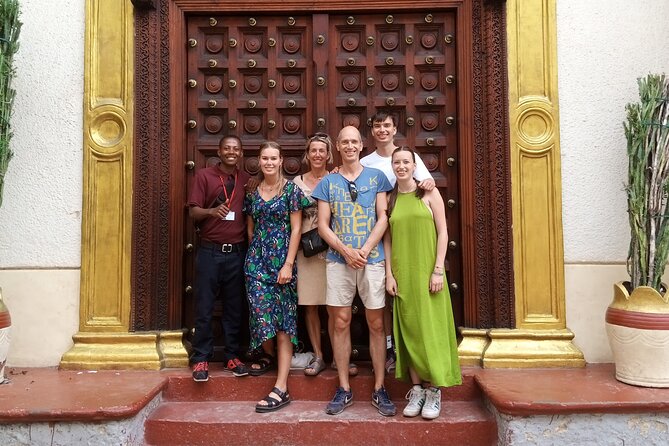
What I like about this stop is how it connects the visuals to real influences. You’ll see how the area reflects African, Indian, Arab, Persian, and European connections. You’ll also get the sensory side: the guide points out the way the coast smell mixes with perfumes and the calls to prayer as you move through narrow lanes.
You’ll get a clear sense of why Stone Town is on the UNESCO list. It’s not just that buildings look old. It’s that the city is one of the few ancient urban spaces left in Africa where you can still read the history through the street fabric, door designs, and colonial-era structures.
Stop 2: The Old Fort (Ngome Kongwe) and the Portuguese to Oman story

Next up is the Old Fort, also called Ngome Kongwe, described as one of the oldest stone buildings in Stone Town around 1560. This stop is where history stops being abstract and becomes a specific storyline.
The guide frames it in the context of Zanzibar under the Yaarub, who expelled the Portuguese after the Portuguese had taken Mombasa. That is how the tour connects one regional power shift to what happened locally on Zanzibar. You also get a reference point for the Portuguese occupation period until Oman took over in 1698.
This is a good stop if you like your heritage with context. If you prefer modern Zanzibar viewpoints or contemporary issues only, you might want to pay attention to how your guide ties past conflict to present-day life, since the tour notes the guide can share current struggles as well.
Stop 3: Forodhani Gardens street food, when the city turns into a night market
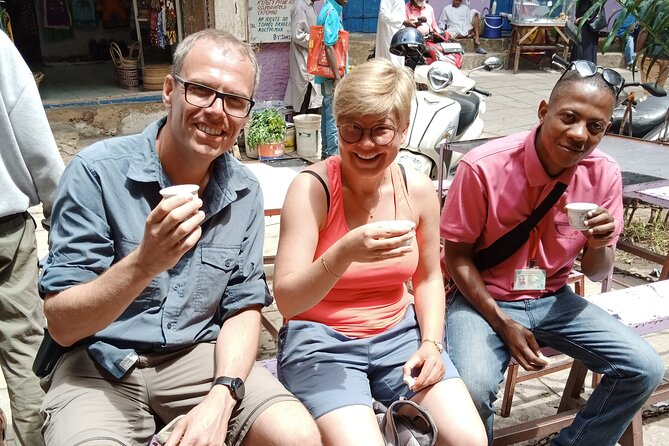
Forodhani Gardens is the “okay, pause, smell the food” moment. The tour plans about 30 minutes here, and it’s especially active after sunset when tourists and locals gather.
You’ll see street food staples you can actually picture even if you’ve never eaten them in Zanzibar before. The schedule calls out Kiswahili and Zanzibari dishes and includes examples like grilled seafood, samoosa, cassava, and potatoes. There’s also a note about something sweet, which is a gentle reminder to budget time for one small treat if you like desserts.
The good part: you don’t have to commit to a big meal to enjoy this stop. The better part: it shows you what locals eat when the day cools down, which helps you understand Zanzibar cuisine beyond “tourist food.”
The only caution is simple. Food stalls can be crowded after sunset. If you get stressed in queues, show up with a calm mindset and treat it as part of the experience, not a problem.
Stop 4: Darajani Bazaar for spices, seafood, and everyday shopping
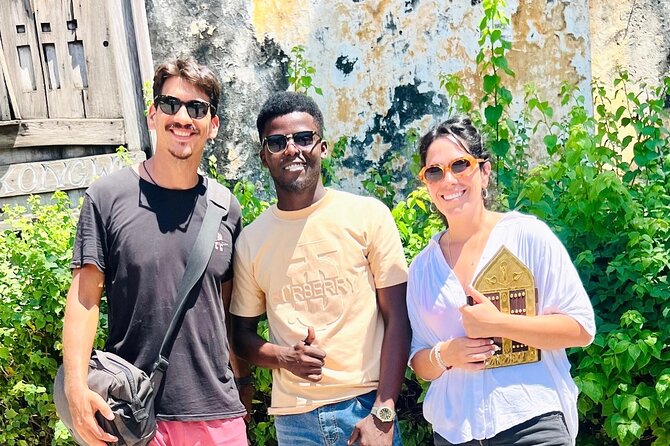
After Forodhani, you move to Darajani Bazaar, where the pace is more practical and less about monuments. The schedule describes it as a place where you can see fresh produce, spices, seafood, clothing, and crafts. You can also interact with vendors, sample traditional foods, and shop for items that feel connected to daily life rather than souvenirs mass-produced elsewhere.
This stop is short, about 18 minutes. That’s enough time to get your bearings, learn what to look for, and understand the role of spice trade culture in Zanzibar today. It’s also a good reality check: Stone Town is heritage, but it’s also a working city.
If you don’t like markets, you might feel this is the least comfortable stop. If you do like them, it’s one of the best for seeing what Zanzibar commerce looks like in the flesh.
Stop 5: People’s Palace Museum and the Sultan’s home life
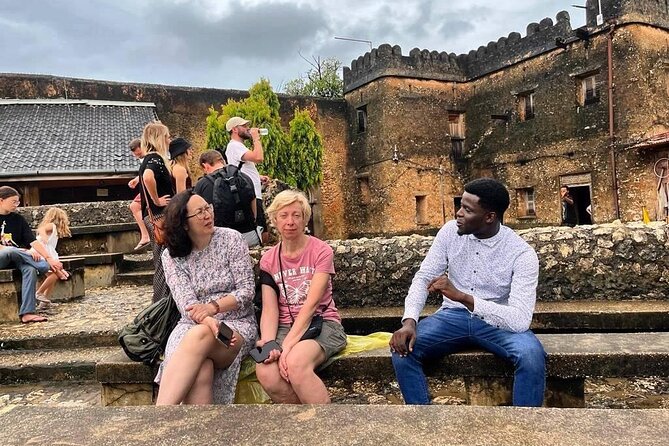
People’s Palace Museum is scheduled for about 18 minutes. Here, the focus shifts from streets and trading to the Sultan’s historical residence and royal past.
The tour notes you’ll explore artifacts and exhibits connected to cultural heritage. It also suggests you may see interactive elements like traditional music or craft demonstrations, depending on what’s available during your visit. That kind of detail matters because it keeps the museum from feeling like a silent room of labels.
If your travel style is “I want to understand who had power here,” this is a strong stop. It gives you a human scale to the history you heard in the Old Fort. You go from regional occupation stories to how Zanzibar’s royal life shaped the island’s identity.
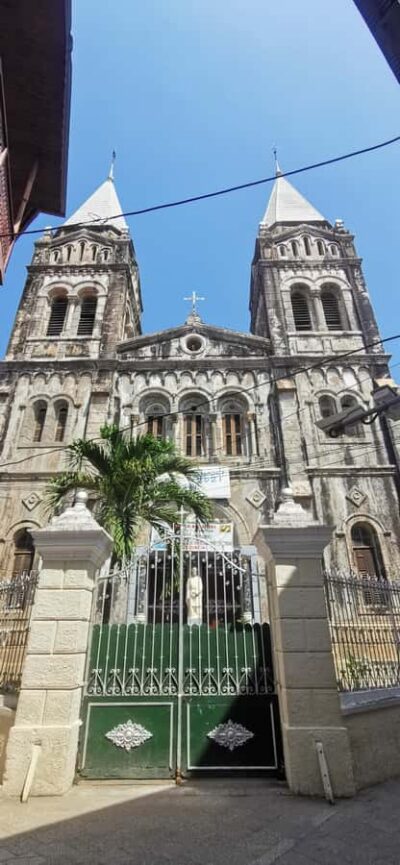
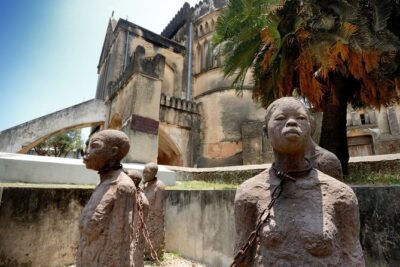
Stop 6: Christ Church Cathedral at the former slave market site
Christ Church Cathedral is a heavier stop, scheduled for about 18 minutes. The guide takes you to the site where the slave market was, which is now where the church stands.
This is the moment when Stone Town stops feeling like only architecture and starts feeling like a moral weight. The tour includes an explicit framing about slavery and the importance of confronting it rather than debating it from a distance. You should expect a serious conversation, and you should give it your attention, even if you feel uncomfortable.
This stop costs extra, since admission is not included. That’s normal for major sights, but it’s also worth it if you care about seeing the full story, not only the pretty parts.
Stop 7: Freddie Mercury Museum and Zanzibar’s pop-culture bridge
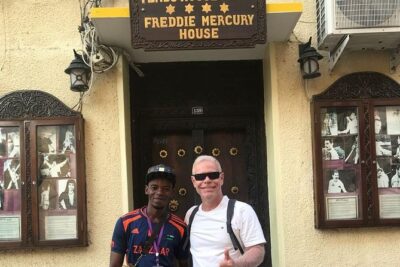
The Freddie Mercury Museum is also around 18 minutes and has admission not included. This stop works because it connects Stone Town to a global figure without pretending Zanzibar is only an origin story.
The tour describes the museum as a look into Mercury’s life and legacy, with personal belongings, memorabilia, and artifacts tied to his career and Zanzibari heritage. You’ll also get insight into his path from Zanzibar to worldwide stardom with Queen, and how that impact relates to music and culture.
If you’re a music fan, this stop can be a fun release after the heavier cathedral moment. If you’re not a music person, you can still enjoy it as a story about identity, migration, and how Zanzibar culture shows up on international stages.
What makes the guide matter here (and why Ahmed is mentioned)
This tour is private, so you’re not stuck in a one-size-fits-all script. In the strongest examples of the experience, the guide adjusts pacing based on what you care about. One guide that comes up in feedback is Ahmed, praised for pacing according to interests and for giving a lot of information on culture, history, and even the current struggles Zanzibarians face.
That matters because Stone Town can overwhelm you if you only get basic facts. A good guide helps you prioritize. You learn what to notice, when to slow down, and how to connect one place to the next.
Timing tips: how to plan around the food stop and walking comfort
The schedule suggests a route that moves across central Stone Town, with times like 30 minutes at Stone Town, 40 minutes at the Old Fort, then a mix of shorter stops. For the best Forodhani Gardens experience, try to time your day so you catch the after-sunset energy at least partway.
A 2 to 3 hour walking tour is not extreme, but Stone Town streets are compact and uneven in places. Wear shoes you can trust, and keep water in mind since you’re out for a few hours.
If you’re traveling in heat, build in a slow moment for yourself. You can use the market stops to pause, and you can also step aside briefly during the longer Fort area if you need a breather.
Who should book this Stone Town walking tour
Book it if you want:
- A guided overview of Stone Town’s main heritage sights without turning it into a full-day grind
- A route that includes both landmarks and food culture, especially the Forodhani street food window
- Context that links trade-era influences, religious coexistence, and Zanzibar identity
You might skip it or look for a different style if:
- You hate walking and want mostly indoor stops
- You only want museums and would rather avoid markets and street scenes
- You want a purely light, entertainment-only tour and not moments tied to slavery history
Should you book Stone Town Historical Walking Tour for your trip?
If you’re spending limited time in Zanzibar, I think this is an easy yes. For $25 plus a small expected entry cost, you get a concentrated route through the parts of Stone Town that help you understand what you’re seeing. The private format also makes it more personal, and that’s where guides like Ahmed can turn generic sightseeing into a more meaningful, better-paced day.
One more practical note: it’s commonly booked about 13 days in advance, so if your schedule is tight, reserve early. And since free cancellation is listed, you can book now and adjust plans if needed, as long as you stay within the window.
FAQ
How long is the Stone Town Historical Walking Tour?
It runs about 2 to 3 hours.
Where does the tour start and end?
You start at Forodhani, Zanzibar, Tanzania, and the tour ends back at the same meeting point.
Is the tour private?
Yes. It is private, and only your group participates.
Is there a hotel pickup?
Pickup from Stone Town hotels is offered if you request it in advance by sending a message.
Are entrance fees included?
Entrance fees are not included. The tour lists an entrance fee of $5 per person. Some sites also note admission not included.
Do I get a mobile ticket?
Yes, the tour includes a mobile ticket.
Stone Town, Street by Street
- Zanzibar; Prison Island, Nakupenda, StoneTown Tour with BBQ
★ 4.3 · 457 reviews - Stonetown: Food Markets and Street Food Walking Tour
★ 4.7 · 151 reviews - Zanzibar Stone Town Walking Tour
★ 5.0 · 145 reviews - Stone Town Historical Walking Tour
★ 5.0 · 143 reviews - Spice Tour + Stone Town Tour + Prison Island
★ 4.5 · 130 reviews
Just added from around Zanzibar






Stone Town Heritage Walks, compared.
 ★ 4.4Zanzibar: Stone Town, Spice Tour, Prison Island with LunchFrom $681,219 reviews
 ★ 4.5Zanzibar: Prison Island, Stone Town, & Spice Farm TourFrom $70579 reviews
 ★ 4.3Zanzibar; Prison Island, Nakupenda, StoneTown Tour with BBQFrom $71457 reviews
★ 4.6Zanzibar: Stone Town, Spice tour & Prison Island with LunchFrom $55453 reviews
★ 4.3Zanzibar; Prison Island, Nakupenda, StoneTown Tour with BBQFrom $71457 reviews
★ 4.6Zanzibar: Stone Town, Spice tour & Prison Island with LunchFrom $55453 reviews
 ★ 5.0Stone Town Private Walking TourFrom $26371 reviews
 ★ 4.6Zanzibar: 3 Hours Private Stone Town walking Tour with GuideFrom $24301 reviews
 ★ 4.5Full-Day Private Stone Town +Spice Farm and Prison Island TourFrom $100216 reviews
 ★ 4.5Zanzibar: Stone Town Historical Cultural Walking Guided TourFrom $21179 reviews
Browse the lists this tour appears in