
REVIEW · STONE TOWN HERITAGE WALKS
Stone Town Foodie Walk
Stone Town can be more than photos. This foodie walk turns UNESCO-listed streets into a smart, flavorful way to learn Zanzibar’s mixed influences, from former colonizers to nearby neighbors. I especially like the small group size (max five), which keeps things personal, and the way guides like Haj and Mussawir use tastings to explain why Zanzibar food tastes the way it does. One heads-up: you’re walking for 2 to 3 hours, so comfy shoes and a moderate fitness level really matter.
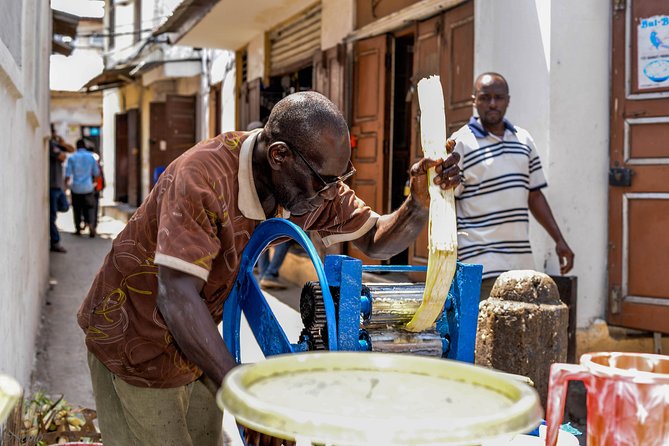
Expect the tour to start with traditional coffee and sweet snacks, then move into the inner lanes where local food joints live. I also like that you get hands-on sampling, not just a quick bite here and there, including items like boflo bread, Indian Zanzibar urojo mix, and hand-pressed sugarcane juice. The only possible drawback is timing, you’ll want to eat lightly beforehand because the goal is to taste, and you do not want to feel stuffed before the best stops.
In This Review
- Quick Hits for a Stone Town Foodie Walk
- Why This Stone Town Walk Works for Food Lovers (and Anyone Hungry)
- The Real Timing: 2 to 3 Hours of Tasting and Walking
- Forodhani Garden Coffee Break: Ocean Views and Sweet Start
- Boflo Bread, Urojo Mix, and Sugarcane Juice, One After Another
- Inner Stone Town Lanes: Where You Learn the Local Food Joints
- The Market Stop and Seasonal Tropical Fruit
- What’s Included, What Isn’t, and How to Plan Your Own Meal
- Small Group Limit to Five: Why It Changes Everything
- Pickup and Meeting Points: Forodhani to Darajani
- What to Wear: Casual Covering Shoulders and Knees
- Who This Tour Suits Best
- Should You Book the Stone Town Foodie Walk?
- FAQ
- How long is the Stone Town Foodie Walk?
- What is the group size limit?
- What kind of food and drinks are included?
- Where does the tour start and end?
- Is hotel pickup included?
- Can I cancel for a full refund?
Quick Hits for a Stone Town Foodie Walk
- Forodhani Garden start: coffee, sweet snacks, and ocean views before you head into the alleys
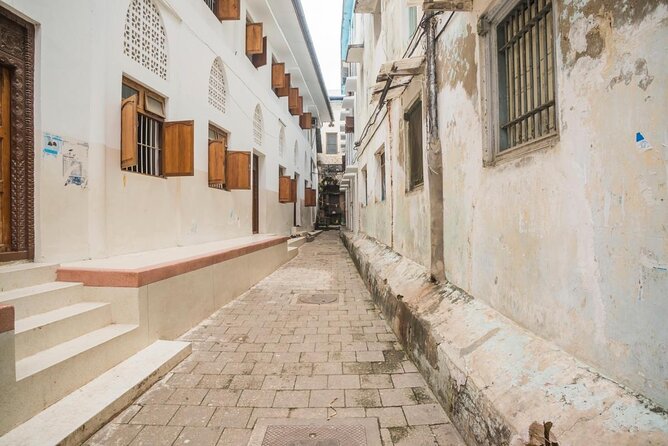
- Real street-to-market route: you hit inner Stone Town lanes and a buzzing food market
- Iconic samples: boflo bread, Indian Zanzibar urojo mix, and hand-pressed sugarcane juice
- Seasonal tropical fruit: tasted at the market, not guessed at from a menu
- Max five people: a guide can slow down, answer questions, and keep it relaxed
Other Stone Town walks we followed
- Stonetown: Food Markets and Street Food Walking Tour★ 4.7 · 151 reviews
- Zanzibar Stone Town Walking Tour★ 5.0 · 145 reviews
- Stone Town Historical Walking Tour★ 5.0 · 143 reviews
- Spice Tour + Stone Town Tour + Prison Island★ 4.5 · 130 reviews
Why This Stone Town Walk Works for Food Lovers (and Anyone Hungry)
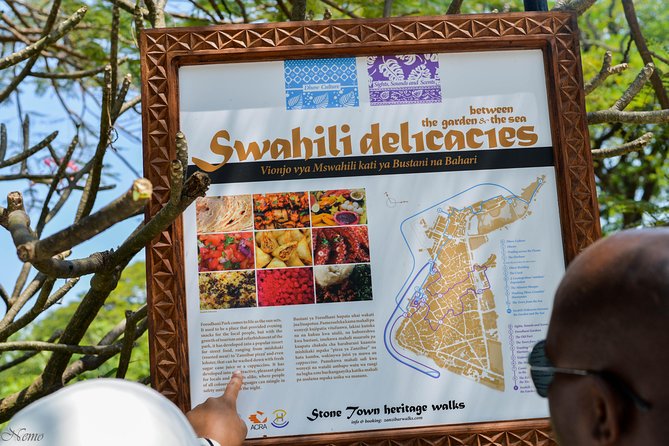
Stone Town is a UNESCO World Heritage Site, but it can feel like a blur of doors, carvings, and corners. This tour solves that problem by using food as your map. Each stop explains something, why certain ingredients show up, why certain flavors became everyday staples, and how Zanzibar’s position in the Indian Ocean shaped what ended up on plates.
You also get the best kind of travel bonus, the practical kind. By the end, you’ll know what to order later on your own, which stalls tend to be worth it, and what snacks are local rather than tourist-safe. It’s the difference between seeing a place and actually understanding it through your senses.
The Real Timing: 2 to 3 Hours of Tasting and Walking
Plan on about 2 to 3 hours total. The walking portion is about three hours long, so treat this like a real short walk, not a quick stroll. You’ll cover a chunk of inner Stone Town and spend time tasting at several points, plus a market stop where seasonal tropical fruits are part of the fun.
A moderate fitness level is recommended. If you have knee or mobility issues, go in knowing there will be uneven streets and plenty of turning corners. Still, the pace is small-group friendly. When you can ask questions and get specific answers while you walk, the time passes fast.
Forodhani Garden Coffee Break: Ocean Views and Sweet Start
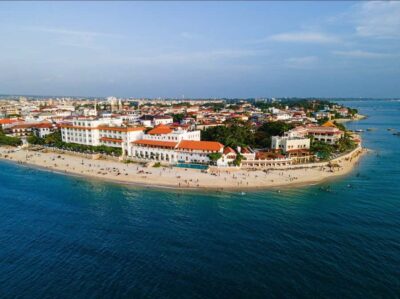
The tour begins at Forodhani in Stone Town, specifically at Forodhani Garden. You’ll get a briefing there with traditional coffee and sweet snacks, with the Indian Ocean nearby. It’s a calm start that helps you get oriented, especially if Stone Town feels confusing at first.
This opening matters more than you might think. Coffee is not just a sip to wake you up. It sets the tone for the rest of the walk, a place where drinks and snacks often carry stories. Once the group is ready, your guide starts connecting the food influences to the streets around you.



Boflo Bread, Urojo Mix, and Sugarcane Juice, One After Another
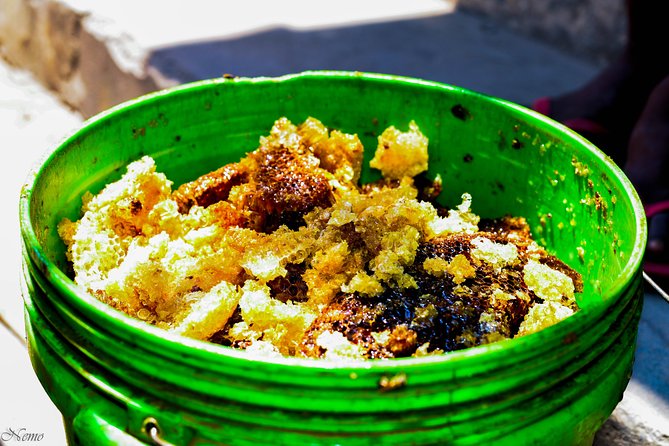
This is a tasting tour, so you should expect a steady flow of samples. Among the highlights are:
- Boflo bread at a local bakery
- Indian Zanzibar urojo mix (a Zanzibar-style mix you get to taste rather than just read about)
- Hand-pressed sugarcane juice
What I like about this approach is that it gives you a starting point for later eating. If you try one bread, one classic street mix, and one locally pressed drink, you start building a mental flavor profile of Zanzibar. Then when you’re on your own, you can compare what you find to what you tasted on the walk.
Also, you’ll be walking through the inner lanes, so these aren’t all samples from one sheltered spot. It feels like you’re being led through everyday life, not a staged food counter.
Inner Stone Town Lanes: Where You Learn the Local Food Joints

A big part of the experience is learning the difference between tourist-friendly and local-friendly. As you move through inner Stone Town, your guide points out places that work for everyday eating, and how to spot spots that locals actually use.
This section is less about a single landmark and more about patterns. You’ll get a feel for how food culture shows up in the layout of the streets, how people gather, and where you’re most likely to find the kind of snacks that fit Zanzibar’s fast, practical rhythm.
One practical consideration: this part is walking heavy. If you’re the type who loves to stop and look at every door and balcony, you’ll probably do that anyway. Just remember you still need to keep up with the group at a steady pace so you don’t miss later tastings.
The Market Stop and Seasonal Tropical Fruit
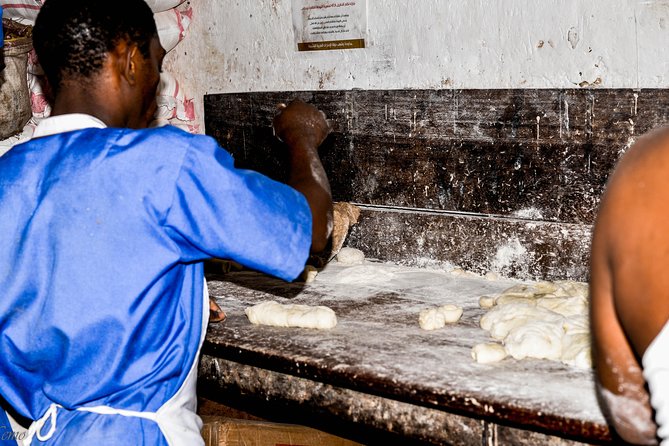
You’ll also visit a buzzing food market during the tour. This is where you taste seasonal tropical fruits, and where the story of Zanzibar food becomes real in front of you.
Markets are valuable on a food tour for two reasons. First, they show what’s fresh right now, not what some menu decided a month ago. Second, you see the ingredients before they become a snack. That helps you understand why flavors work together in Zanzibar cuisine.
Drawback to consider: markets can be lively and crowded. If you get overwhelmed easily, use the tasting moments as your anchor. Focus on what you’re tasting, ask your guide what to pay attention to, and let the noise stay in the background.
What’s Included, What Isn’t, and How to Plan Your Own Meal

The price is $40 per person, and the tour runs about 2 to 3 hours. That cost is tied to real guide time, multiple tastings, and bottled water. You’re not paying for a long museum lecture. You’re paying for access and context, plus food samples you can’t easily recreate on your own without already knowing where to go.
Included items:
- Bottled water
- Food tasting (snacks and drinks)
- Professional guide
- Pickup and drop-off from designated meeting points
- GST
Not included:
- Lunch
- Hotel pickup and drop-off (except pickup from meeting points, and extra-cost hotel pickup options in some cases)
- Transportation to/from attractions
So what do you do with meals? I’d plan to eat light before the walk. The whole point is to sample a bunch. If you go in overly full, you’ll miss the pleasure of tasting. After the tour, you’ll be ready for a real meal, and you’ll know what to order with more confidence.
Small Group Limit to Five: Why It Changes Everything
This tour caps at a maximum of five travelers. That matters. In a big group, guides rush, people get separated, and you end up watching more than tasting. With a tiny group, you get room to ask questions, and your guide can adjust the pace when someone wants a second look at a food stall or wants context about an ingredient.
If you like a more personal travel style, this is one of the best ways to get it in Stone Town without turning the day into a private car tour. You get small-group energy, without the bigger price tag that often comes with true one-on-one guiding.
Pickup and Meeting Points: Forodhani to Darajani
The start point is Forodhani, Zanzibar, Tanzania. The end point is Darajani, Zanzibar, Tanzania.
Pickup is offered, but the exact kind of pickup depends on your situation:
- Pickup and drop-off from designated meeting points is included.
- Hotel pickup and drop-off in Stone Town is listed as extra cost for private tours only.
- Hotel pickup from beach hotels also has extra costs.
That means you should plan on meeting at Forodhani unless you’ve confirmed your pickup option. If you’re staying outside Stone Town, ask early about how you’ll get there and how you’ll get back, so you don’t lose time at the start.
What to Wear: Casual Covering Shoulders and Knees
Dress code is casual, with shoulders and knees covered to respect local culture. Stone Town is often warm, so choose breathable fabric that still covers. This is one of those travel details that makes your experience smoother right away, because you’ll feel comfortable moving around without worrying about awkward adjustments.
Also bring comfortable walking shoes. Stone Town streets can be uneven, and even a short tour can become uncomfortable if you’re in shoes that look great but do not walk well.
Who This Tour Suits Best
This is a strong fit if:
- You want an easy, structured way to explore Stone Town.
- You like street food and want a guided shortcut to what’s local.
- You want history told through eating, not through a lecture hall.
- You prefer small groups and real questions.
It may be less ideal if you:
- Hate walking and would rather stick to a minimal route.
- Have very specific dietary needs, because the tour is built around tasting local snacks and drinks. (The exact menu can’t be guaranteed here, so ask questions when booking.)
Kids are welcome with a child rate when sharing with two paying adults, and children must be accompanied by an adult. If you’re traveling with a family, plan for extra patience since it’s a walking experience.
Should You Book the Stone Town Foodie Walk?
Yes, if you want a food-focused Stone Town introduction that feels practical and local. For $40, you get guide leadership, bottled water, and a sequence of tastings that includes bread, a Zanzibar-style mix, hand-pressed juice, market fruit, and coffee to start. That is good value because the tour is doing the hard part for you, steering you to places you might not find on your own and giving you the context to understand what you’re eating.
Skip it if you want a purely sightseeing day, or if you can’t handle 2 to 3 hours of walking through older streets. Also, if you already planned heavy meals right before and after, adjust your plan, because this tour is designed to fill you with samples.
FAQ
How long is the Stone Town Foodie Walk?
It lasts about 2 to 3 hours.
What is the group size limit?
The tour is limited to a maximum of five travelers.
What kind of food and drinks are included?
Food tasting is included, including traditional coffee with sweet snacks at the start, and samples such as boflo bread, Indian Zanzibar urojo mix, hand-pressed sugarcane juice, plus seasonal tropical fruits at a food market.
Where does the tour start and end?
It starts in Forodhani, Zanzibar, Tanzania and ends in Darajani, Zanzibar, Tanzania.
Is hotel pickup included?
Pickup and drop-off from designated meeting points is included. Hotel pickup and drop-off in Stone Town is listed as extra cost for private tours only, and pickup from beach hotels also has extra costs.
Can I cancel for a full refund?
Yes. You can cancel up to 24 hours in advance for a full refund.
Stone Town, Street by Street
- Zanzibar; Prison Island, Nakupenda, StoneTown Tour with BBQ
★ 4.3 · 457 reviews - Stonetown: Food Markets and Street Food Walking Tour
★ 4.7 · 151 reviews - Zanzibar Stone Town Walking Tour
★ 5.0 · 145 reviews - Stone Town Historical Walking Tour
★ 5.0 · 143 reviews - Spice Tour + Stone Town Tour + Prison Island
★ 4.5 · 130 reviews
Just added from around Zanzibar






Stone Town Heritage Walks, compared.
 ★ 4.4Zanzibar: Stone Town, Spice Tour, Prison Island with LunchFrom $681,219 reviews
 ★ 4.5Zanzibar: Prison Island, Stone Town, & Spice Farm TourFrom $70579 reviews
 ★ 4.3Zanzibar; Prison Island, Nakupenda, StoneTown Tour with BBQFrom $71457 reviews
★ 4.6Zanzibar: Stone Town, Spice tour & Prison Island with LunchFrom $55453 reviews
★ 4.3Zanzibar; Prison Island, Nakupenda, StoneTown Tour with BBQFrom $71457 reviews
★ 4.6Zanzibar: Stone Town, Spice tour & Prison Island with LunchFrom $55453 reviews
 ★ 5.0Stone Town Private Walking TourFrom $26371 reviews
 ★ 4.6Zanzibar: 3 Hours Private Stone Town walking Tour with GuideFrom $24301 reviews
 ★ 4.5Full-Day Private Stone Town +Spice Farm and Prison Island TourFrom $100216 reviews
 ★ 4.5Zanzibar: Stone Town Historical Cultural Walking Guided TourFrom $21179 reviews
Browse the lists this tour appears in