
REVIEW · ZANZIBAR SPICE FARMS AND PLANTATIONS
Spice Farm – spice up your life in Zanzibar
Spices hit you fast in Zanzibar’s countryside. This Spice Farm tour is one of the most popular ways to experience Unguja South Region, and you get to smell and taste a lineup of crops tied to Zanzibar’s spice trade, while also sitting down for a traditional lunch in a local kitchen. One drawback to keep in mind is that like any popular excursion, you should confirm your pick-up details in advance.
What I like most is the mix of senses and stories, your guide explaining how plants such as cinnamon, vanilla, nutmeg, lemon grass, cloves, ylang-ylang, cumin, ginger, pepper, tamarind, chili, and more are used in everyday life. If you are sensitive to strong aromas or you have food restrictions, you’ll want to tell your guide early so your lunch works for you.
In This Review
- Key Points Worth Planning For
- Zanzibar’s Spice Roots, Without the Museum Vibe
- Hotel Pick-Up and the Day You Can Actually Enjoy
- The Walk Through the Spice Plantation, Smell Is the Curriculum
- Tropical Fruit Sampling That Changes the Pace
- How Spices Move From Farm to Plate, and Why Locals Use Them
- Lunch in a Local Kitchen: Swahili Flavors and Herb-Heavy Comfort
- Buying Spices as Gifts, How to Make It Worth It
- Price and Value: Is $60 Actually Fair?
- Who Should Book This Spice Farm Tour
- A Word on Service Issues, What to Do Before You Go
- Should You Book Spice Farm in Zanzibar?
Key Points Worth Planning For
- Hotel pick-up and drop-off keep this from feeling like a hassle, especially if you want a low-stress day.
- Smell-first spice education means you learn by experiencing, not just listening.
- A long list of spice and herb tastings includes familiar kitchen staples and some you might never have tried.
- Fresh fruit sampling (mango, passion fruit, avocado, papaya, bananas, pineapple, and more) adds a sweet counterpoint.
- A traditional Zanzibar lunch spiced with local herbs is part of the ticket, not an add-on.
- Strong overall ratings (4.6 out of 5 from 18 reviews) suggest the experience is usually well-run.
Still weighing it up? These Kendwa trips came out well when we reviewed them.
- From Kendwa: Mnemba Boat Trip and Dolphin Snorkel Adventure★ 4.8 · 1,043 reviews
- Mnemba from Kendwa & nungwi half day★ 4.5 · 94 reviews
- Zanzibar: Jet Car Ride with Drone footages (pickup included)★ 5.0 · 90 reviews
- Tumbatu island snorkling tour : from Kendwa & Nungwi★ 4.2 · 51 reviews
Zanzibar’s Spice Roots, Without the Museum Vibe
This tour is built for people who want more than photos of palm trees. Zanzibar was once a major player in the spice world, and that legacy still shows up in the rural plantations and farm routines you see during the walk. When you move through the gardens and villages, the whole point becomes clear: these are living crops, tended by farmers who know exactly what the plants smell like, how they grow, and how they get used.
I also appreciate the focus on both the practical and the cultural sides. Your guide talks about culinary and medicinal uses of the herbs and spices you meet, which turns the tour from a one-time tasting session into something you can take home mentally. You’ll finish the day knowing what cinnamon does to a dish, yes, but also why the plant matters in local life.
Hotel Pick-Up and the Day You Can Actually Enjoy
The Spice Farm experience starts with pick-up and drop-off from your hotel. That matters more than it sounds, because farm days can turn annoying quickly when you have to figure out timing, transport, and where to wait. Here, the tour is packaged to reduce friction, and the included bottle water is a small comfort when you are in the heat and humidity.
One extra detail I pay attention to is language support. The tour is offered in English, Italian, German, French, and Russian, which makes it easier to ask questions on the spot. A good guide can turn a spice farm visit into a story you remember, and you are more likely to connect if the explanations land in a language you feel totally comfortable with.
The Walk Through the Spice Plantation, Smell Is the Curriculum

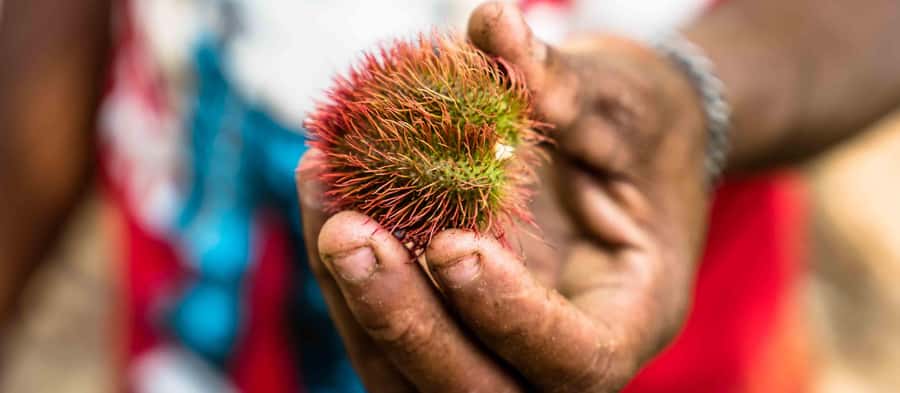
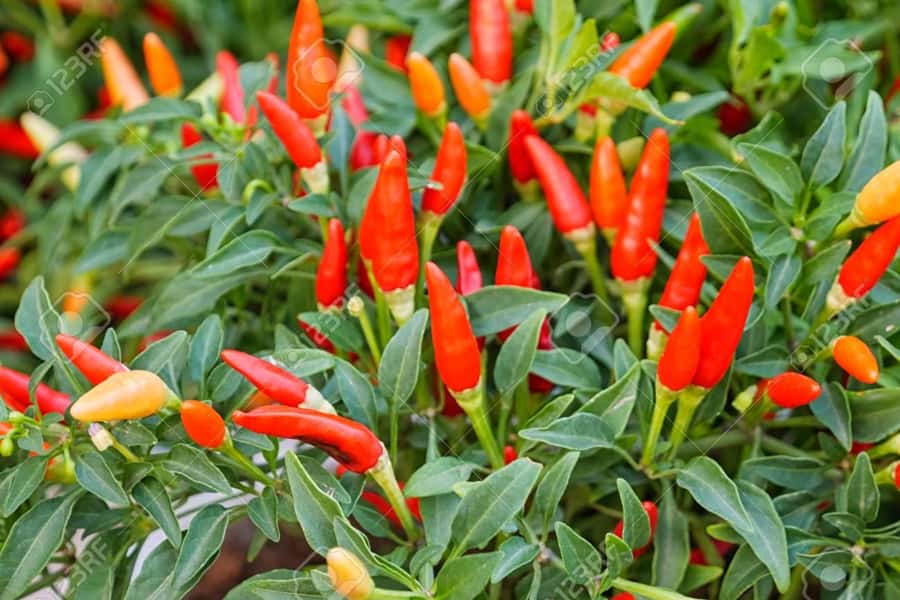
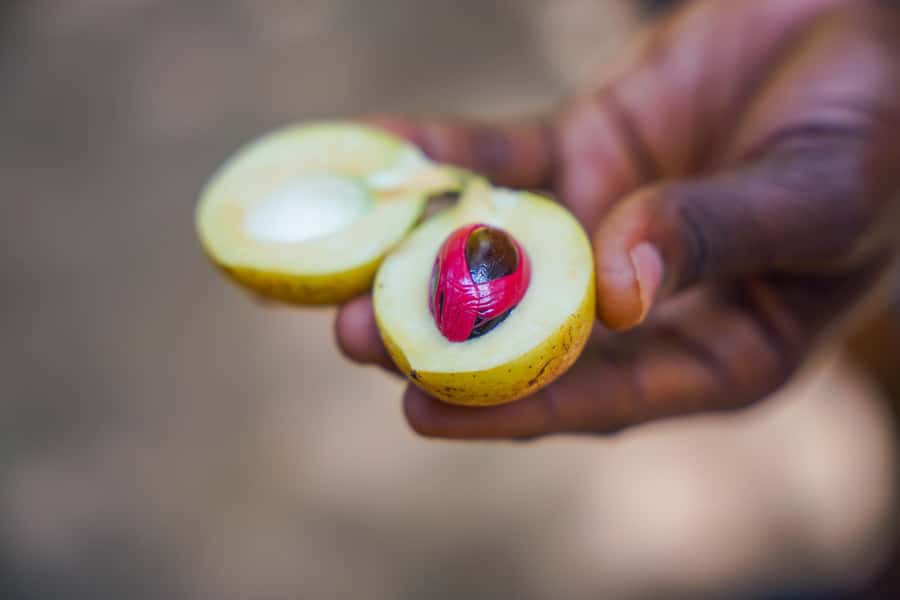
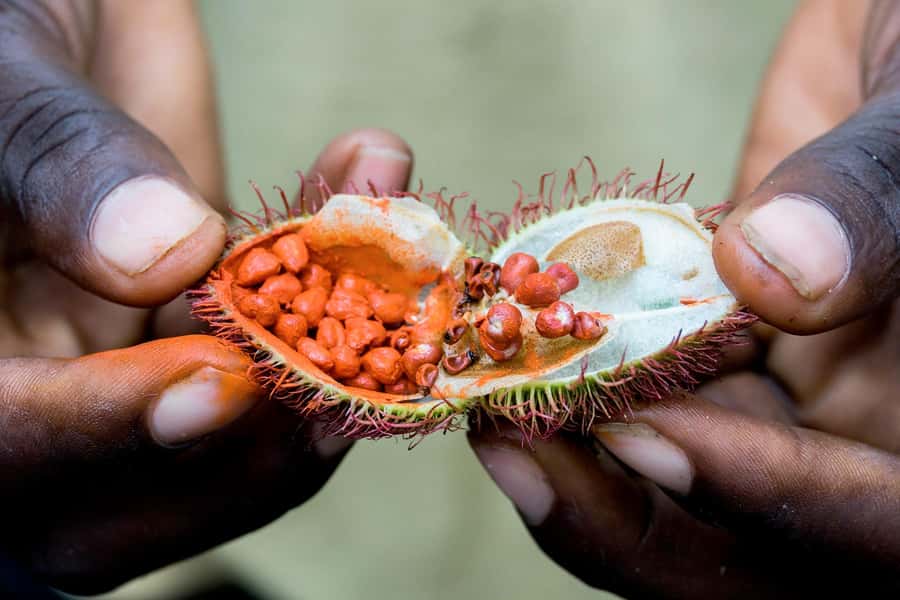
The core of this experience is a guided meander through villages and plantations. You do not just pass by plants. Farmers and your guide help you discover, taste, and smell a wide variety of crops. Think cinnamon and vanilla on one end, then deeper cuts like ylang-ylang on the other. You also get to meet herbs and spices many visitors use at home, including nutmeg, cloves, ginger, cumin, pepper, lemon grass, tamarind, chili, and more.
Here’s why this part works so well: you learn through your senses. Smell is doing most of the teaching. When you take in aromas right where the plants grow, the explanations stick. That also makes the tour feel interactive. You are comparing smells and flavors, asking why one plant is used one way and another plant is used differently.
You should also expect that the guide’s tone shapes your experience. People consistently describe the explanations as informative, and in some cases, funny. That’s not a small detail. Spice farms can sound dry if the delivery is dull, but a guide who keeps things light helps you stay engaged while you absorb a lot of information.




Tropical Fruit Sampling That Changes the Pace
After all those spices, fruit tasting gives you a reset. The tour includes sampling freshly picked tropical fruits, including mangoes, passion fruits, avocado, papaya, local grapefruits, bananas, pineapples, and more.
I like that the fruit stop is not random. Fruit connects to the island climate and to the farm reality that spices do not grow alone. In practice, this makes the day feel more balanced. One moment you’re smelling cloves and nutmeg, and the next you’re tasting something sweet, cool, and juicy that feels made for Zanzibar’s warm air.
If you are the kind of traveler who likes to understand what locals eat and how they see their land, this is an important bridge. It’s easier to remember spice names when you’ve tied them to real flavors you experienced immediately after.
How Spices Move From Farm to Plate, and Why Locals Use Them
One of the most valuable parts is the explanation of culinary and medicinal uses of spices and herbs. You’ll hear how these plants have shaped everyday cooking, but also how they have been used locally beyond the kitchen.
Now, I’m careful about expectations here. The tour is not a medical course. But it does offer a grounded look at why certain herbs show up in meals and in traditional practices. That context is what makes your spice farm lunch more meaningful. You’re not just eating something tasty. You’re learning what the ingredients are and why they matter.
If you enjoy food history, this also connects nicely to the broader spice trade story. In the 16th century, spices flowed into the region from places including Asia and Latin America, and Zanzibar’s tropical climate helped many of those plants flourish. During your visit, you’re standing in living evidence of that long movement of crops, trade, and knowledge.
Lunch in a Local Kitchen: Swahili Flavors and Herb-Heavy Comfort
Lunch is included at the farm, cooked in a local kitchen. This is traditional Zanzibar cuisine spiced with local herbs, and it’s the moment when all the tasting and smelling becomes a full meal.
People praise the lunch as delicious and well presented in line with the theme. I take that as a good sign: it means the food is treated as part of the experience, not simply a rushed stop to keep you moving. Even if you’ve had Swahili food before, you’ll likely enjoy the added layer of learning because you’ve just spent time with the crops that flavor the dishes.
A practical tip: pace yourself with the spices. If you’ve been tasting strong flavors all morning, your palate can get overwhelmed. Lunch helps, but it also can hit hard if you rush. Take your time, drink your bottle water, and let your guide know if you want clearer explanations of what you are eating.
Buying Spices as Gifts, How to Make It Worth It
One of the tour goals is to give you the chance to buy spices as gifts. This is where your senses from earlier matter. If you paid attention to aroma and flavor during the walk, you’ll be in a better position to choose what you actually want to bring home.
Here’s how I’d approach buying on a tour like this:
- Choose spices you can picture using at home, not just the rare-sounding ones.
- Smell before you commit, since aroma tells you more than a label.
- Ask your guide what the spice is best for, since they can connect it to local cooking uses.
Also, keep in mind that you are dealing with real agricultural products. Quality can vary depending on processing and storage, so you want to buy from the people and place that are tied to what you just experienced. If you plan to bring spices back internationally, check your destination’s food rules before you pack.
Price and Value: Is $60 Actually Fair?
The listed price is $60 per person, with pick-up and drop-off from your hotel, local lunch at the farm, all taxes, fuel surcharges, and service fees included, plus bottle water.
I think this is where the value really shows. On many trips, you get a low base price and then hit add-on costs for transport, meals, or fees. Here, those items are already folded in. That makes it easier to compare honestly against other excursions in Zanzibar.
The other value point is time and teaching. You’re not just paying for transportation. You’re paying for guided farm time, a guided tasting experience across many plants and fruits, and a full lunch. If that sounds like your kind of day, $60 can feel like a straightforward deal rather than a splurge.
Who Should Book This Spice Farm Tour
This is a great fit if you:
- Love food and want to understand where flavors come from
- Enjoy guided explanations and hands-on tastings
- Want a cultural countryside experience in Zanzibar’s rural areas, not just a beach afternoon
- Prefer a day trip with built-in logistics like hotel pick-up and drop-off
I also think it suits travelers who like smaller surprises. The spice lineup is broad, and the inclusion of fruit tastings adds variety. Even if you’ve tried a few spices at home, it’s the combination of plants, aromas, and stories that makes the tour rewarding.
A Word on Service Issues, What to Do Before You Go
Most experiences sound very well organized. People describe pick-up and return to the hotel working perfectly, and the guides are praised for being informative and engaging, sometimes even funny.
Still, one major negative example exists where the promoter did not show up at the hotel and did not respond to emails, with a contact number that did not work. I can’t pretend that kind of situation is common based on limited details, but it is enough to justify a simple precaution.
Before your tour day, do this:
- Confirm the pick-up time and location with the provider so you have the right details in writing.
- Bring your provider name, AMAYA TOURS COMPANY LIMITED, and be ready to show your booking info if needed.
- If you have any doubt, ask your hotel to help you confirm the plan.
That way, you reduce the risk of a frustrating start and can focus on the fun part, the spices.
Should You Book Spice Farm in Zanzibar?
If you want a hands-on Zanzibar experience tied to the island’s spice identity, I’d say book it. This tour is built around tasting and smelling real plants in real farm conditions, then turning that education into lunch you actually enjoy.
I’d only hesitate if you are uncomfortable with strong aromas, or if you have serious dietary restrictions and you think you might struggle to manage lunch during the experience. If that’s you, tell your guide what to avoid ahead of time.
For most people who like culture through food, this is a solid value: $60 with pick-up, lunch, and a guided plantation walk that teaches you why Zanzibar mattered in the spice trade long before the first souvenir shop existed.
Just added from around Kendwa






Zanzibar Spice Farms and Plantations, compared.
 ★ 4.4Zanzibar: Stone Town, Spice Tour, Prison Island with LunchFrom $681,219 reviews
 ★ 4.5Zanzibar: Prison Island, Stone Town, & Spice Farm TourFrom $70579 reviews
★ 4.6Zanzibar: Stone Town, Spice tour & Prison Island with LunchFrom $55453 reviews
★ 4.5Zanzibar: Prison Island, Stone Town, & Spice Farm TourFrom $70579 reviews
★ 4.6Zanzibar: Stone Town, Spice tour & Prison Island with LunchFrom $55453 reviews
 ★ 4.5Full-Day Private Stone Town +Spice Farm and Prison Island TourFrom $100216 reviews
 ★ 4.5Spice Tour + Stone Town Tour + Prison IslandFrom $140130 reviews
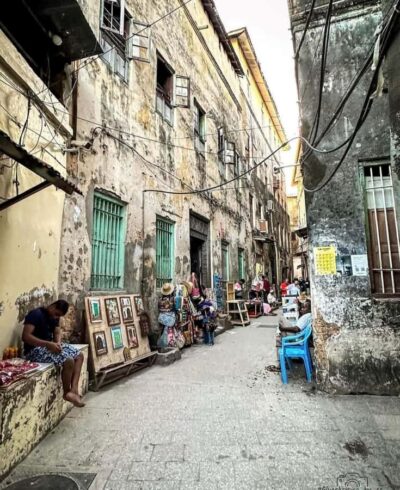 ★ 4.8Zanzibar: Spice Tour & Stone Town Walking TourFrom $95115 reviews
 ★ 4.5Zanzibar: Stone Town & Spice Farm Tour with LunchFrom $7397 reviews
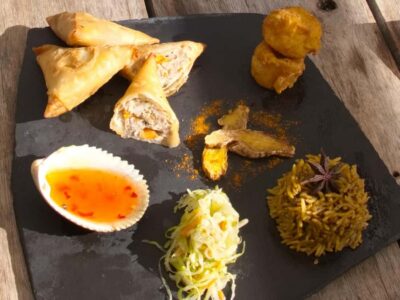 ★ 4.7Zanzibar: The Swahili Spice Experience – Spice Tour + Culinary JourneyFrom $2196 reviews
Browse the lists this tour appears in