
REVIEW · STONE TOWN HERITAGE WALKS
Private Stone Town Walking Tour
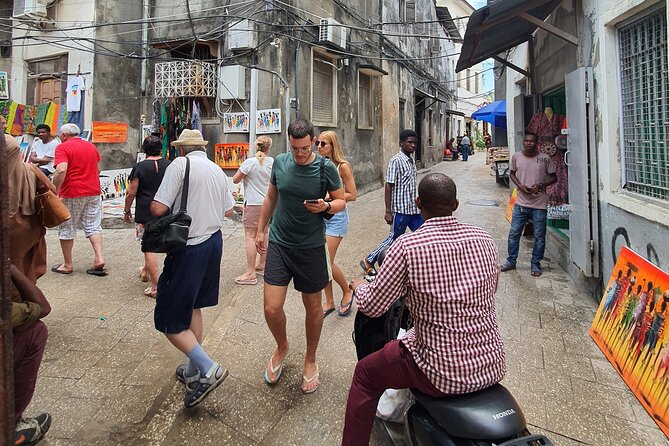
Stone Town fits in three smart hours. This Private Stone Town walking tour strings together UNESCO-listed streets, famous doorways, and major landmarks, starting at the Old Fort area. I like the way the route mixes big names and architecture with the lived-in feeling of the local market.
One potential snag is cost planning: the Freddie Mercury Museum is not included, so you’ll want to budget a little extra if you want the visit.
In This Review
- Quick hits for this Stone Town walking tour
- Why Stone Town’s lanes are a great match for a 3-hour private walk
- Old Fort start point, and how the meeting setup helps
- House of Wonders (Beit-el-Ajaib), the 1883 power move
- Old Fort (Ngome Kongwe), from Portuguese walls to festival courts
- Christ Church and the old slave market site, history with a marker you can’t miss
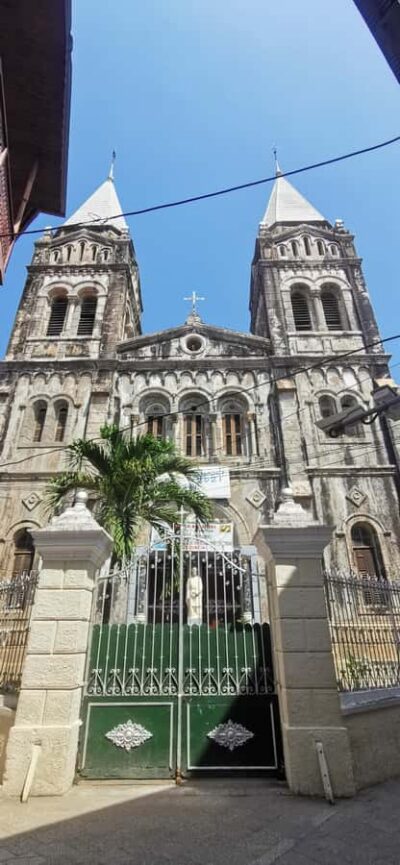
- St. Joseph’s Roman Catholic Cathedral, twin spires and imported French details
- Freddie Mercury Museum, what you should plan for
- The market part, where Stone Town feels like Stone Town
- Guides and pacing, the big reason people feel happy after
- Price and what you are actually buying with $43
- Who this tour fits best
- Should you book this Stone Town walking tour?
- FAQ
- How long is the Stone Town walking tour?
- Is the tour private?
- What is included in the price?
- Which entrances are free, and which are extra?
- Where does the tour start and end?
- What if the weather is bad, or I need to cancel?
Quick hits for this Stone Town walking tour
- Private guide, 3 hours: made for your pace, with only your group.
- House of Wonders stop: includes time at Beit-el-Ajaib, known for Zanzibar’s 19th-century ambitions.
- Old Fort in the mix: a former Portuguese-Arab fort now used for culture and festivals.
- Former slave market context: you’ll visit the Anglican Cathedral site where the slave trade operated.
- Cathedrals side by side with other faith sites: St. Joseph’s Roman Catholic Cathedral adds major skyline views.
- Budget for Freddie Mercury: the museum entrance is listed as not included.
Other Stone Town walks we followed
- Stonetown: Food Markets and Street Food Walking Tour★ 4.7 · 151 reviews
- Zanzibar Stone Town Walking Tour★ 5.0 · 145 reviews
- Stone Town Historical Walking Tour★ 5.0 · 143 reviews
- Spice Tour + Stone Town Tour + Prison Island★ 4.5 · 130 reviews
Why Stone Town’s lanes are a great match for a 3-hour private walk
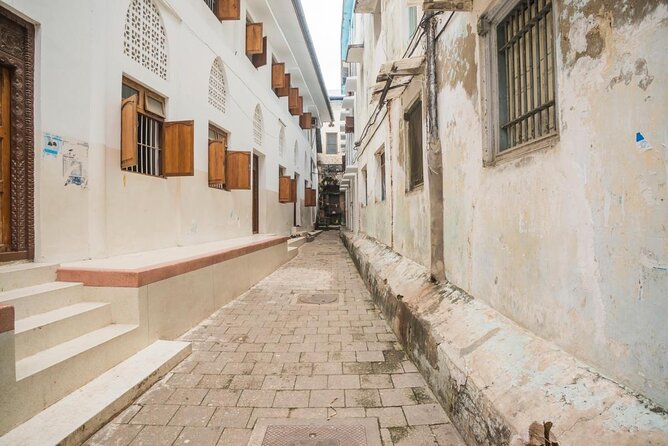
Stone Town is the heart of Zanzibar, and it feels different street by street. This tour is built for walking, so you spend your time where the stories are, in narrow lanes where architecture, faith, and daily commerce sit close together.
The big win here is focus. In about 3 hours, you hit a lineup of major stops without turning it into a marathon, and you get a guide to connect the dots between what you see, and why it matters. If it’s your first time in Stone Town, this kind of structure can help you get your bearings fast.
Old Fort start point, and how the meeting setup helps
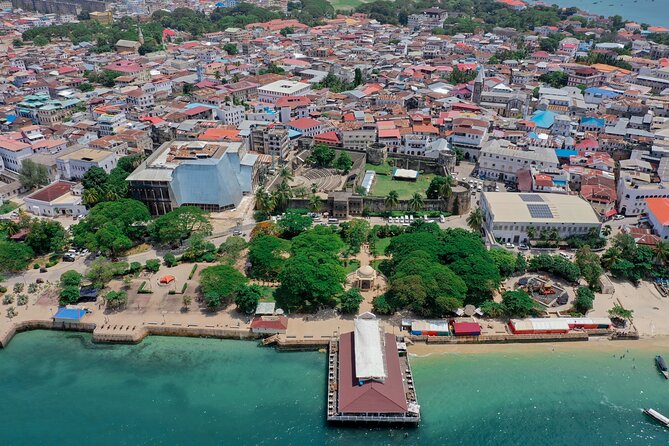
You meet at the Old Fort area on Mizingani Road, and the tour ends back at the same meeting point. That matters because Stone Town streets can be confusing, and having a clean start and finish reduces stress.
Also, this starts in a central spot. The experience notes it is near public transportation, which is helpful if you are hopping between parts of the island during your trip planning.
House of Wonders (Beit-el-Ajaib), the 1883 power move
The House of Wonders is the first stop, and it’s an easy one to understand once you’re standing there. Beit-el-Ajaib is tied to Zanzibar’s status as a trading power, and the story centers on early modern features that were described as rare for East Africa at the time.
You’ll get about 30 minutes here. The highlights are the claims around what set it apart for the era, electricity, water systems, and even an elevator that was described as extraordinary because other houses did not have similar things.
What I like about starting with this stop is the way it frames your visit. Before you move into forts and cathedral sites, you already understand that Stone Town was not just old, it was also ambitious, and connected to world events.



Old Fort (Ngome Kongwe), from Portuguese walls to festival courts

Next is the Old Fort, Ngome Kongwe, a building that compresses centuries of Zanzibar into one place. You’re looking at a structure first used by the Portuguese, then rebuilt by the Omanis later on, with later life as a train station and then a cultural center.
This stop is also about 30 minutes, and it’s listed as free to visit. What makes it more than a quick look is the way the fort functions today. The fort hosts major festivals such as Sauti za Busara and the Zanzibar International Film Festival, which gives the site a living soundtrack, not just a museum label.
A practical benefit: this stop is a natural pause point. You can sit with your guide’s explanation, take in the layout, then move toward heavier history with more context in your head.
Christ Church and the old slave market site, history with a marker you can’t miss

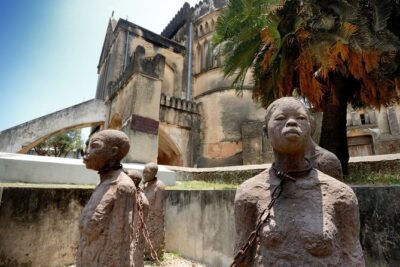
This is the emotional anchor of the tour. You’ll visit the old slave market area at the site of the Anglican Cathedral of Christ Church, and the place is marked outside with a stone monument showing four people enchained by their necks.
That visual is important because it keeps the story from becoming abstract. This area ties Europeans and plantation systems in the Indian Ocean world to African rulers through the slave trade, and it also highlights how Zanzibar’s position in the ocean network made it a major hub in the 19th century.
The tour gives this stop about 40 minutes. The guide-led experience here includes the entrance fee for the slave market area, even though the museum-style ticket details can vary by listed components. If you’re sensitive to heavy topics, plan your energy for this segment, because it is direct.
For context, the information shared here includes estimates of about 600,000 people sold between 1830 and 1873, plus thousands more who visited temporarily. That’s a staggering figure, and having a guide to keep the timeline clear makes the experience easier to process.
St. Joseph’s Roman Catholic Cathedral, twin spires and imported French details
After the slave trade site, the tour shifts to St. Joseph’s Roman Catholic Cathedral in the Baghani area. This stop is shorter, about 15 minutes, and it’s listed as free to visit.
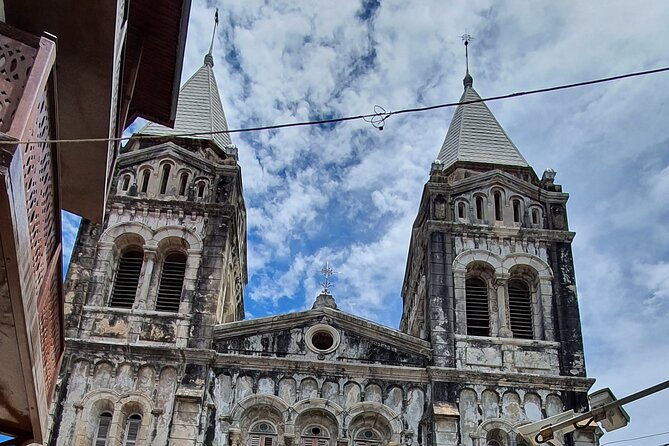
The standout details are architectural. The cathedral has twin spires similar to those associated with Marseille, and they are prominent in Stone Town’s skyline so you can often spot the church’s shape from off the coast. Inside, you’ll see murals from the Old Testament, plus stained glass and tiles described as imported from France.
This is also a practical stop for the senses. You get a clear change of pace from the heavy history, and it adds a different kind of Stone Town layering, the way different faith communities built visible landmarks next to each other.
Freddie Mercury Museum, what you should plan for
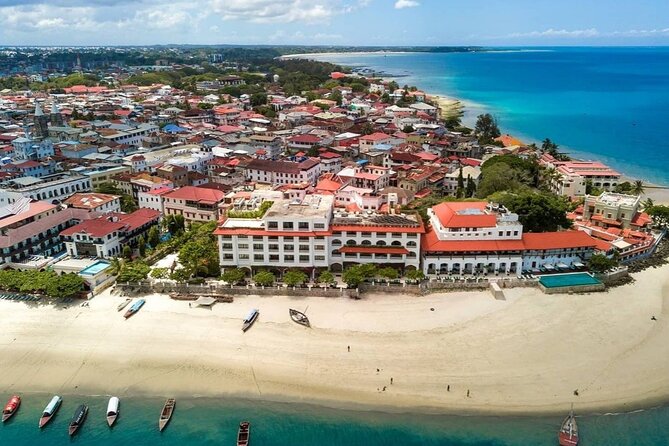
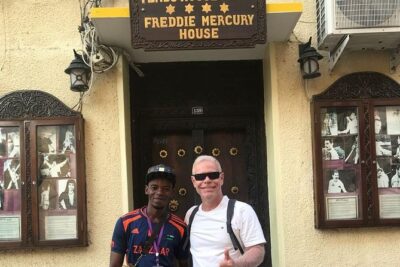
Freddie Mercury was born in Zanzibar, and the tour includes the Freddie Mercury Museum area as the final named stop. You’ll spend about 20 minutes here.
The key detail for your budget is that the Freddie Mercury Museum entrance is listed as not included. So while you’ll reach the site and can see what the visit offers, you should be ready for an extra fee if you want to go inside.
If you’re a music fan, this stop often becomes the lighter, more personal ending to a tour that started with grand royal ambition and moved through forts and churches. It also ties Stone Town to global culture, without replacing the older stories you just learned.
The market part, where Stone Town feels like Stone Town
Stone Town is not only architecture. It’s people, and it’s shopping, and it’s the everyday noise that makes the city feel real.
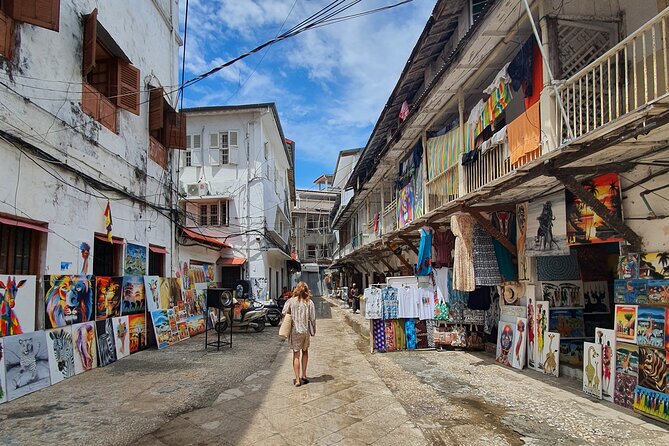
Your walk is designed to include the local market area, and along the way you may pass sections like the fish stalls and the main market streets. This is where you see how the heritage sites connect to daily life, even if you are mostly there for history and monuments.
This is also where the private guide matters. With only your group on the schedule, it’s easier to take a few minutes for photos, stop and ask questions, or spend a bit of time browsing rather than rushing past everything.
Guides and pacing, the big reason people feel happy after
The most praised part of this experience is the guide. Names that come up again and again include Osman, Mohammed, and Saïd, and the common thread is clear explaining, strong historical context, and a friendly pace.
In practice, that means you’re not just reading plaques. You get a human guide to connect influences behind the architecture and to keep the timeline understandable as you move from stop to stop. One pattern that shows up with Saïd is being willing to adjust the tour flow based on what you care about, including making time for shopping if you want it.
Language can also be a comfort factor. French-speaking visitors have highlighted how much they appreciated the guide’s French, which can make the experience smoother if you prefer that.
Price and what you are actually buying with $43
At $43 per person, you’re paying for a private guided walk that lasts around 3 hours. For that price, the tour includes a professional tour guide and a bottle of water, plus the entrance fee for the slave market area.
A smart way to judge value is to look at what’s free versus what costs extra. House of Wonders is listed as free to enter, Old Fort is free, and St. Joseph’s Cathedral is free. The Freddie Mercury Museum is listed as not included, so that’s the main extra you may add depending on your interests.
So the real question for you is simple. If you want the museum finish, you’ll pay a bit more on the side. If you are mainly there for Stone Town landmarks and the deeper historical stops, the core tour is strong value.
Who this tour fits best
This is a good match if you:
- want a structured introduction to Stone Town in a short time
- care about architecture details like the door styles and the way faith sites sit close together
- prefer private guidance over wandering on your own
It’s less ideal if you:
- only want fully included paid attractions
- get uncomfortable with the slave trade history segment and would prefer a lighter, entertainment-focused tour
Also note that this experience requires good weather. If conditions are poor and the tour is canceled, you should expect a date change or a refund option based on what’s offered for weather issues.
Should you book this Stone Town walking tour?
I think you should book it if this is your first or second day in Stone Town and you want the key stops without a chaotic self-planning day. The price is reasonable for a private 3-hour guided route, and the included water plus the slave market entrance keeps the essentials covered.
Before you confirm, decide whether you want the Freddie Mercury Museum. If yes, budget extra so there are no surprises at the end. If your focus is Stone Town’s monuments, street-level context, and the story behind the doorways and faith landmarks, this is one of the cleaner ways to do it.
FAQ
How long is the Stone Town walking tour?
It lasts about 3 hours.
Is the tour private?
Yes. Only your group participates.
What is included in the price?
The tour includes a professional tour guide, a bottle of water, and the entrance fee at the Slave Market area.
Which entrances are free, and which are extra?
House of Wonders (Beit-el-Ajaib), Old Fort (Ngome Kongwe), and St. Joseph’s Roman Catholic Cathedral are listed as free. The Freddie Mercury Museum is listed as not included. The slave market area includes an entrance fee as part of the tour.
Where does the tour start and end?
It starts at the Old Fort on Mizingani Rd, Zanzibar, Tanzania, and ends back at the same meeting point.
What if the weather is bad, or I need to cancel?
This experience requires good weather. If it is canceled due to poor weather, you will be offered a different date or a full refund. Free cancellation is available up to 24 hours before the start time for a full refund, and changes within 24 hours are not accepted.
Stone Town, Street by Street
- Zanzibar; Prison Island, Nakupenda, StoneTown Tour with BBQ
★ 4.3 · 457 reviews - Stonetown: Food Markets and Street Food Walking Tour
★ 4.7 · 151 reviews - Zanzibar Stone Town Walking Tour
★ 5.0 · 145 reviews - Stone Town Historical Walking Tour
★ 5.0 · 143 reviews - Spice Tour + Stone Town Tour + Prison Island
★ 4.5 · 130 reviews
Just added from around Zanzibar






Stone Town Heritage Walks, compared.
 ★ 4.4Zanzibar: Stone Town, Spice Tour, Prison Island with LunchFrom $681,219 reviews
 ★ 4.5Zanzibar: Prison Island, Stone Town, & Spice Farm TourFrom $70579 reviews
 ★ 4.3Zanzibar; Prison Island, Nakupenda, StoneTown Tour with BBQFrom $71457 reviews
★ 4.6Zanzibar: Stone Town, Spice tour & Prison Island with LunchFrom $55453 reviews
★ 4.3Zanzibar; Prison Island, Nakupenda, StoneTown Tour with BBQFrom $71457 reviews
★ 4.6Zanzibar: Stone Town, Spice tour & Prison Island with LunchFrom $55453 reviews
 ★ 5.0Stone Town Private Walking TourFrom $26371 reviews
 ★ 4.6Zanzibar: 3 Hours Private Stone Town walking Tour with GuideFrom $24301 reviews
 ★ 4.5Full-Day Private Stone Town +Spice Farm and Prison Island TourFrom $100216 reviews
 ★ 4.5Zanzibar: Stone Town Historical Cultural Walking Guided TourFrom $21179 reviews
Browse the lists this tour appears in