

REVIEW · STONE TOWN HERITAGE WALKS
Guided Stone Town Tour In Zanzibar
Stone Town hits you fast, then keeps talking. In just 2 to 3 hours, this guided walk threads Zanzibar history through the streets, doors, and famous corners that shaped the city. I like that the pacing stays manageable, and you get a licensed guide telling the story as you go.
I also love the mix of stops: markets for everyday life, plus monuments and architecture that explain how Zanzibar became what it is. From the former slave market area to the curved Swahili doors viewpoint, you see the city on multiple levels, not just postcard spots.
One thing to consider is that not every attraction fee is included, and you’ll be without a full lunch break. If you’re on a tight schedule or sensitive to time in churches and museums, plan your priorities before you book.
In This Review
- Key highlights worth planning for
- Where Stone Town tells its story in walking distance
- Price and what you actually get for $23.44
- Meeting at Mizingani Seafront and how the group stays on track
- Stop 1: Old Slave Market and the Anglican Cathedral area
- Stop 2: Darajani Bazaar for fish, spices, and real daily movement
- Stop 3: Freddie Mercury Museum stop, with the $8 fee
- Stop 4: Forodhani Gardens photo break and a calmer pause
- Stop 5: The Old Fort (Ngome Kongwe) and why forts matter
- Stop 6: House of Wonders and architecture you can read
- Stop 7: Jaws Corner café stop for local coffee and culture talk
- Stop 8: Saint Joseph’s Cathedral and when to go inside
- Stop 9: The Swahili House, curved doors, and a rooftop view
- Stop 10: Emerson Spice architecture stop and quick inside peeks
- What makes a good guide matter here (and how you’ll feel during the walk)
- Tips to make the most of these 2 to 3 hours
- Who should book this Stone Town guided tour
- Should you book this tour?
- FAQ
- How long is the Guided Stone Town Tour in Zanzibar?
- What is the price per person?
- Is pickup offered?
- Where does the tour start and end?
- Is this tour private?
- What tickets or entrance fees are included?
- Is lunch included?
- Can I taste coffee during the tour?
- What if the weather is bad, or I need to cancel?
Key highlights worth planning for
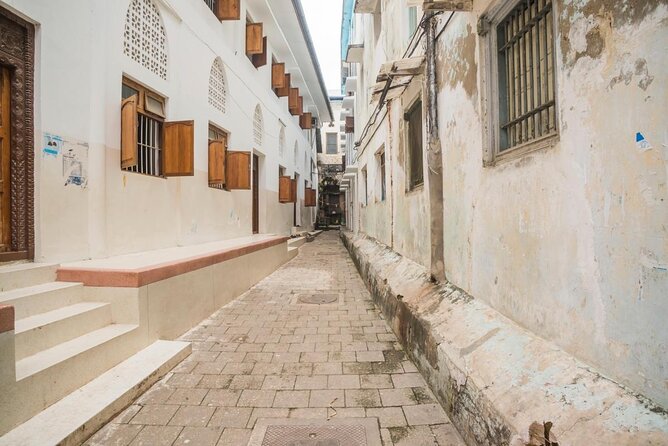
- Former slave market and Anglican Cathedral area with slave chambers and a memorial context
- Darajani Bazaar for a quick hit of fish, spices, food, and fruit
- Freddie Mercury Museum stop with an $8 entrance fee not included
- Forodhani Gardens and photo break to step back and catch the view
- Stone Town doors and rooftop viewpoint linking Swahili, Indian, and Arab influences
- A café culture stop at Jaws Corner where you can try local coffee
Other Stone Town walks we followed
- Stonetown: Food Markets and Street Food Walking Tour★ 4.7 · 151 reviews
- Zanzibar Stone Town Walking Tour★ 5.0 · 145 reviews
- Stone Town Historical Walking Tour★ 5.0 · 143 reviews
- Spice Tour + Stone Town Tour + Prison Island★ 4.5 · 130 reviews
Where Stone Town tells its story in walking distance
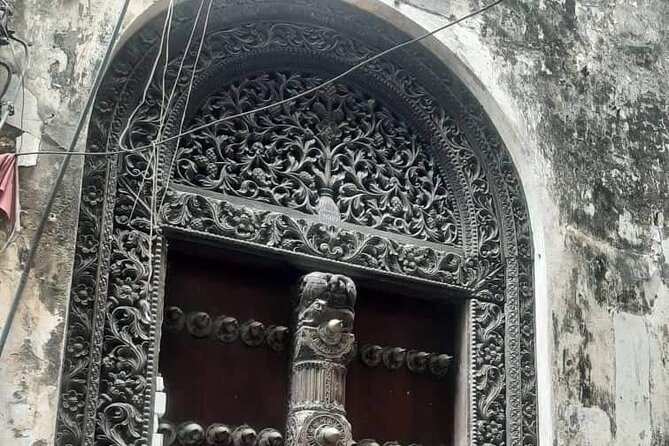
Stone Town is one of those places where the streets feel like chapters. One minute you’re seeing daily life at a market edge, the next you’re standing in a square where history was written in brutal ways. This tour is built for that contrast, using a short sequence of stops that keep you moving but still let the guide explain what you’re looking at.
The best part is how practical the walk is. You’re not just collecting sights. You’re getting context for each location, including how the city evolved over time, and why particular buildings and door styles matter. That is what turns a collection of photos into real understanding.
The duration is also realistic. Two to three hours is enough to get a solid first overview of Stone Town without exhausting your day, especially if you plan to explore more on your own afterward.
Price and what you actually get for $23.44
At $23.44 per person, this tour sits in the value range for Zanzibar. The key reason is that you get an official licensed guide and a route that covers several iconic areas rather than one museum or one neighborhood.
Also, it is a private tour for your group, so you’re not stuck with a mismatched pace. That tends to matter in Stone Town, where some streets are slow walking and some spots require a bit of explanation to make sense.
Now the tradeoff: the Freddie Mercury Museum entrance fee is not included. That is an add-on you’ll want to budget, and you might decide whether you want to pay and go in based on your interests. If you are a music fan, it is usually worth it. If you are more into architecture and markets, you may enjoy the exterior and the guide’s story just as much.
Meeting at Mizingani Seafront and how the group stays on track

You start at Mizingani Seafront Hotel (R5RR+9MJ, Mizingani Rd). The tour returns you back to the same meeting point, which is a huge convenience when your Stone Town day is already full.
Pickup is offered, and you also get a mobile ticket. That removes some hassle, especially in a place where you may be bouncing between tours, ferries, and taxis.
Timing-wise, the stops are short and focused. You can expect a gentle flow, with most segments running around 10 to 40 minutes depending on the site, and a quick photo break at Forodhani Gardens.
If you want one practical strategy, it’s this: go with a light plan for the rest of your day. Stone Town can be sticky with wandering. If you leave too much pressure afterward, you’ll end up cutting your own exploration short.



Stop 1: Old Slave Market and the Anglican Cathedral area
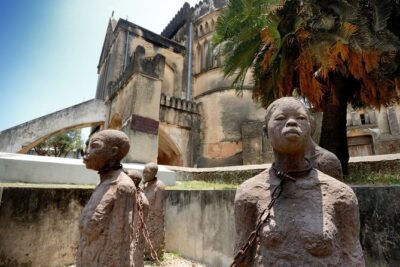
This is the emotional anchor of the tour. You go to the area connected to the former slave market, and the guide explains the history of slavery, including slave chambers and a monument.
You should know this before you book, because the content is serious. You are not there for a feel-good photo session. What you’ll take away is understanding, including how Stone Town’s wealth and power were tied to the slave trade and the wider trading networks of the Indian Ocean world.
There’s also an Anglican Cathedral nearby that helps show how the area developed over time, with different layers of religious and civic life forming around older parts of the city.
You’ll have about 40 minutes here, and a ticket is included. That extra time helps, because the guide’s explanation makes the walls and spaces feel specific, not generic.
Stop 2: Darajani Bazaar for fish, spices, and real daily movement
Next you hit Darajani Bazaar, a local market zone where the energy is everyday, not staged. The guide shows what’s available, with fish, spices, food, and fruits all part of the picture.
This stop is short, around 15 minutes, but it works as a reset after the heaviness of the first location. Markets are how you see a city’s present tense. Even if you do not buy anything, you’ll start noticing how people move through the space, how goods are arranged, and how the economy shapes street life.
The ticket here is free, so you’re paying mostly for interpretation and orientation. That matters if you’re not the type to wander markets for hours.
Tip: wear comfortable shoes. You’ll be walking and changing lanes with crowds and vendors.
Stop 3: Freddie Mercury Museum stop, with the $8 fee
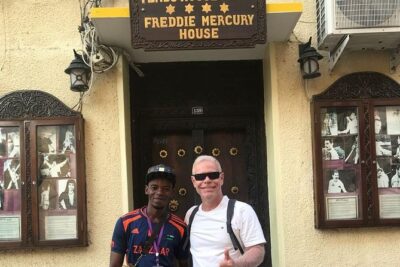
You then reach the Freddie Mercury Museum area, specifically his house. The guide shares a short history of Freddie Mercury and the connection to Stone Town.
Here’s the practical part: the museum entrance fee is not included, and it’s listed as $8. That means you’ll likely spend your time at the doorway and nearby viewing area unless you choose to pay and go in.
I like this setup because it gives you control. If you are a big fan, you can pay for the inside experience. If you’re more curious about architecture and neighborhoods, you can still get the story without the extra cost.
Either way, the guide’s context helps. It keeps it from becoming a quick celebrity stop and turns it into a doorway into how Stone Town produced global talent.
Stop 4: Forodhani Gardens photo break and a calmer pause
At Forodhani Gardens, the guide gives a short brief and then builds in a break for about 5 minutes. This is your chance to take photos, relax, and catch your breath.
Forodhani is useful in a tour like this because it adds open space after tighter streets and market aisles. It also gives you a moment to absorb what you’ve learned so far, before you move into forts and major buildings again.
No ticket is required here, so you’re just benefiting from the pause.
If you want better photos, use the short break well. Pick one or two angles, then move on. In Stone Town, light and crowds change quickly, and you don’t want to lose the rest of the route waiting for the perfect shot.
Stop 5: The Old Fort (Ngome Kongwe) and why forts matter
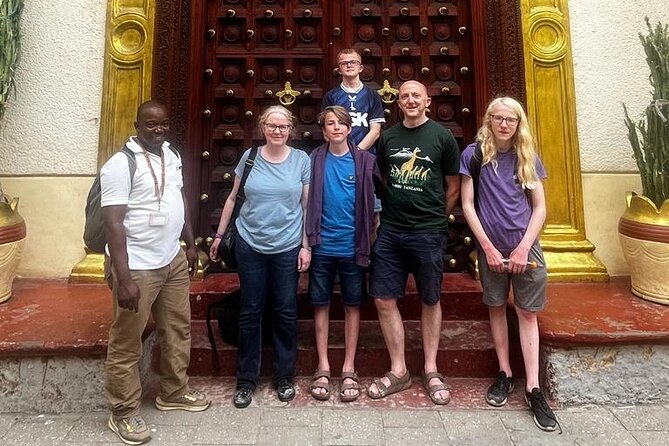
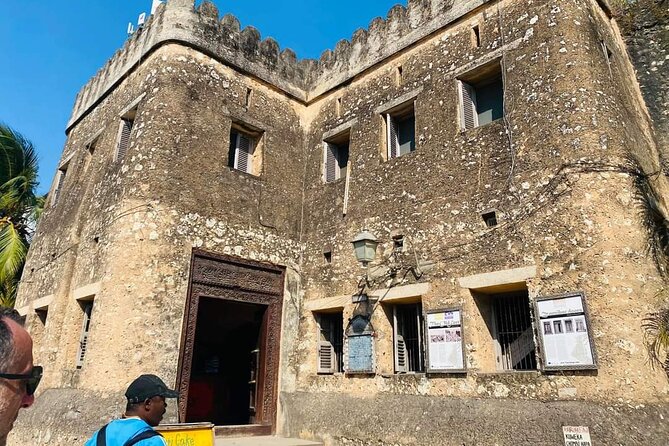
The tour continues to The Old Fort (Ngome Kongwe). You get a short history and then a guided walk that points out important places in the area.
Forts are not only defensive structures. They tell you who held power and how they managed trade and access. In Stone Town, the fort connection helps explain why certain zones developed as hubs, and how the city organized itself around protection and movement.
This stop runs about 15 minutes, and it is ticket-free. That makes it a smart inclusion because it gives you a quick but meaningful architectural and political layer, without adding major time or cost.
Stop 6: House of Wonders and architecture you can read
Then comes the House of Wonders. The guide shares a short history and shows you around.
Even if you do not go super deep into architecture on vacation, this kind of stop is useful because it trains your eye. The guide’s explanation helps you notice proportions, details, and design choices that you might otherwise miss while walking fast.
It’s also ticket-free here, so you’re getting the benefit of context without the added cost.
Stop 7: Jaws Corner café stop for local coffee and culture talk
At Jaws Corner, you get a short stop with your guide at a local cafe. The guide talks about cafe culture and Zanzibar in general, and you may taste local coffee.
This is not a long sit-down meal. It’s about flavor and conversation, about understanding how people experience the city beyond the major monuments.
It also helps you pace the tour. After several historical and architecture stops, this break lets you reset. You’ll likely come away with clearer questions for the rest of your day, like what neighborhood to explore next and what kinds of buildings to look for as you walk on your own.
No ticket is required for this stop.
Stop 8: Saint Joseph’s Cathedral and when to go inside
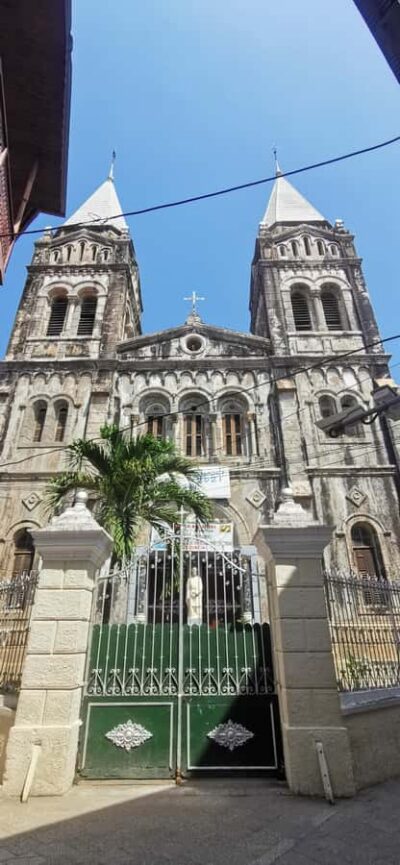
Next is Saint Joseph’s Cathedral. The guide tells the history of the cathedral, and you may get inside if you’re interested.
This is another spot where you can decide your pace. If you’re curious, step in. If you’re more focused on the city streets, you can stay outside and still get the story.
The stop is about 10 minutes and it is ticket-free. That makes it an efficient addition, because it supports the tour theme of Zanzibar’s evolving cultural layers.
Stop 9: The Swahili House, curved doors, and a rooftop view
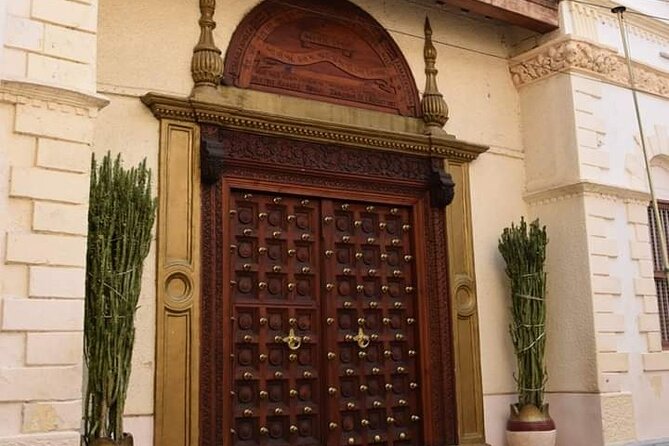
One of the most memorable parts of Stone Town is door design, and this tour makes sure you don’t miss it. At the Swahili House, the guide focuses on Zanzibar doors with well curved shapes, reflecting Indian and Arab styles.
Then you go up to one of the rooftop terraces to see a view of Stone Town.
This combination is brilliant for first-time visitors. Doors are small, but they carry big meaning. They show trade connections, craftsmanship, and how styles fused over time. The rooftop view then ties it together, showing you how the city’s layout, rooftops, and street grid come together.
The stop runs about 10 minutes and requires no ticket, but it can still become one of your standout moments because it changes how you look at the rest of the city.
Stop 10: Emerson Spice architecture stop and quick inside peeks
The final stop is Emerson Spice, where the guide explains different architectures found in Stone Town and Zanzibar overall. You’ll also be accompanied inside some buildings to see architectural details.
This is a useful endcap, because it brings you back to the big theme of the day: Zanzibar is not one style. It is many influences layered together, expressed through building form, ornament, and the way people constructed space for daily life.
This stop is about 10 minutes and is ticket-free, but the inside peeks are what make it feel like more than a roadside explanation. It gives you a chance to look closely, not just at facades.
What makes a good guide matter here (and how you’ll feel during the walk)
This tour lives or dies on interpretation. The itinerary is structured, but the guide’s storytelling is what turns the route into something you can remember.
One highlight from real tour experiences is how guides handle timing. If you’re delayed in arriving, you can still have a smooth start. For example, one guide named Ali waited when people were late, and kept everything easy. That kind of calm makes the difference between a tense scramble and a relaxed walk.
Also, guides don’t just recite dates. They point out why places mattered, from slavery-era areas to market streets and cathedral history. You end up with a mental map of Stone Town that you can use afterward.
Tips to make the most of these 2 to 3 hours
If you want your Stone Town tour to feel effortless and not rushed, do these things:
- Wear comfortable shoes for market areas and uneven streets.
- Bring a little cash in case you decide to pay the Freddie Mercury Museum entrance fee.
- Don’t schedule heavy plans right after. Stone Town is designed to steal extra time.
- Pay attention to door details when you pass other entrances. The Swahili door lessons will stick.
- Use Forodhani Gardens fast for your photos, then move on while your guide keeps momentum.
If you’re traveling with kids, this route may work best if they can handle historical content and short walks. If your group prefers only light topics, you might want to be ready for the slavery context at Stop 1.
Who should book this Stone Town guided tour
This tour fits best if you want:
- a first overview of Stone Town
- history explained at a human walking pace
- a route that mixes monuments, markets, and architecture
- a guide who helps you understand what you’re seeing in context
I think it’s ideal for couples, solo travelers, and small groups who like structure but still want freedom afterward. It also suits anyone who plans to do additional exploring on their own because you’ll learn what to look for once the tour ends.
If you only want one or two major attractions, you might prefer a more focused plan. But if you want an organized way to get grounded in Stone Town quickly, this works well.
Should you book this tour?
Yes, book it if you want a guided walk that gives you a clear Stone Town orientation and ties the big sights to how the city formed. For $23.44, the licensed guide, the structured route, and the door-and-rooftop viewpoint are strong value, especially when several stops are ticket-free.
Book it with one caveat: budget the extra $8 if you want to go into the Freddie Mercury Museum. Also, since there’s no lunch included, plan a meal either before or after, so you’re not trying to solve food while still absorbing history.
If your goal is to leave Stone Town with more than photos, this tour gives you that, fast.
FAQ
How long is the Guided Stone Town Tour in Zanzibar?
The tour runs about 2 to 3 hours.
What is the price per person?
The price is $23.44 per person.
Is pickup offered?
Yes, pickup is offered, and the tour also starts at Mizingani Seafront Hotel.
Where does the tour start and end?
It starts at Mizingani Seafront Hotel (R5RR+9MJ, Mizingani Rd, Zanzibar) and ends back at the same meeting point.
Is this tour private?
Yes, it is private. Only your group participates.
What tickets or entrance fees are included?
The Old Slave Market/Anglican Cathedral stop includes an admission ticket. The Freddie Mercury Museum entrance fee is not included (listed as $8). Other stops are free based on the tour details.
Is lunch included?
No, lunch is not included.
Can I taste coffee during the tour?
Yes, there is a stop at Jaws Corner where you may taste local coffee.
What if the weather is bad, or I need to cancel?
The experience requires good weather. If it is canceled due to poor weather, you’ll be offered a different date or a full refund. Cancellation is free up to 24 hours in advance for a full refund.
Stone Town, Street by Street
- Zanzibar; Prison Island, Nakupenda, StoneTown Tour with BBQ
★ 4.3 · 457 reviews - Stonetown: Food Markets and Street Food Walking Tour
★ 4.7 · 151 reviews - Zanzibar Stone Town Walking Tour
★ 5.0 · 145 reviews - Stone Town Historical Walking Tour
★ 5.0 · 143 reviews - Spice Tour + Stone Town Tour + Prison Island
★ 4.5 · 130 reviews
Just added from around Zanzibar






Stone Town Heritage Walks, compared.
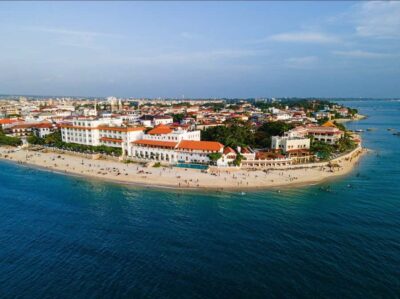 ★ 4.4Zanzibar: Stone Town, Spice Tour, Prison Island with LunchFrom $681,219 reviews
 ★ 4.5Zanzibar: Prison Island, Stone Town, & Spice Farm TourFrom $70579 reviews
 ★ 4.3Zanzibar; Prison Island, Nakupenda, StoneTown Tour with BBQFrom $71457 reviews
★ 4.6Zanzibar: Stone Town, Spice tour & Prison Island with LunchFrom $55453 reviews
★ 4.3Zanzibar; Prison Island, Nakupenda, StoneTown Tour with BBQFrom $71457 reviews
★ 4.6Zanzibar: Stone Town, Spice tour & Prison Island with LunchFrom $55453 reviews
 ★ 5.0Stone Town Private Walking TourFrom $26371 reviews
 ★ 4.6Zanzibar: 3 Hours Private Stone Town walking Tour with GuideFrom $24301 reviews
 ★ 4.5Full-Day Private Stone Town +Spice Farm and Prison Island TourFrom $100216 reviews
 ★ 4.5Zanzibar: Stone Town Historical Cultural Walking Guided TourFrom $21179 reviews
Browse the lists this tour appears in