
REVIEW · WATERFALLS AND COFFEE FARM TOURS
Arusha: Coffee Tour
Coffee in Arusha is one thing. Making it is another. This near-Lake Duluti tour turns bean-to-brew into a hands-on morning where you get to do the work, not just watch.
What I like most is the step-by-step feel, from picking on an organic plantation to roasting over an open flame, then finishing with a fresh cup you helped create. The second big win is that you’re not stuck inside a classroom, an English-speaking guide like Imran (when assigned) keeps it practical and friendly, and the farm owners like Richard add real local context.
One thing to consider: you should be ready for farm-style conditions, dirt paths and open-air steps, plus some physical grinding. If you prefer everything hands-off, this may feel a little too active for a half day.
In This Review
- Key Things I’d Put on Your Must-Do List
- Arusha and Lake Duluti: The Setting That Makes Coffee Taste Better
- The Start on an Organic Plantation: What You Learn Before Touching Anything
- Hand Harvesting and Sun-Dried Beans: Why the Basics Matter
- Grinding in a Giant Mortar and Pestle (Yes, With Songs)
- Roasting Over an Open Flame: Smell the Difference Before You Brew
- Brewing Your Own Cup: The Part That Turns Learning Into a Memory
- Village Time and Lunch: Culture Without the Rush
- Optional Mangalia Waterfalls: A Simple Nature Bonus If You Want More
- Price and Value: What $55 Buys You in Real Terms
- Getting the Most From the Tour: Small Choices That Matter
- Who This Coffee Tour Is Perfect For (And Who Might Skip)
- Should You Book the Arusha Coffee Tour Near Lake Duluti?
- FAQ
- How long is the Arusha coffee tour?
- What is included in the price?
- Is lunch included?
- Do I get hotel pickup and drop-off?
- Can I buy coffee to take home?
- Is the tour free to cancel if plans change?
Key Things I’d Put on Your Must-Do List
- Hands-on roasting and brewing, not just a tasting
- Organic plantation learning, focused on how coffee is grown and harvested
- Giant mortar and pestle grinding, with songs that make it feel social
- Open-flame roasting, so the smell is part of the lesson
- Lunch included, so the morning stays relaxed
- A village stop, for a quick look at local community life
More waterfall and coffee farm mornings
- Arusha: Coffee Tour★ 4.8 · 8 reviews
Arusha and Lake Duluti: The Setting That Makes Coffee Taste Better
This is the kind of Arusha experience that makes sense because of location. You’re not commuting far through the city. The tour runs near Lake Duluti, so the morning feels like it’s moving through farmland and nature rather than traffic and noise.
And that matters. Coffee tastes stronger when you understand what changed from cherry to bean, and you notice the environment where the beans are grown. You’ll also get the fresh-air reset you want when you are in northern Tanzania, especially if your itinerary has lots of driving days.
If you’re the type who likes your activities to feel real, not staged, this one fits. The day centers on practical steps you can actually repeat at home, even if your kitchen does not have an open-flame roast setup.
The Start on an Organic Plantation: What You Learn Before Touching Anything
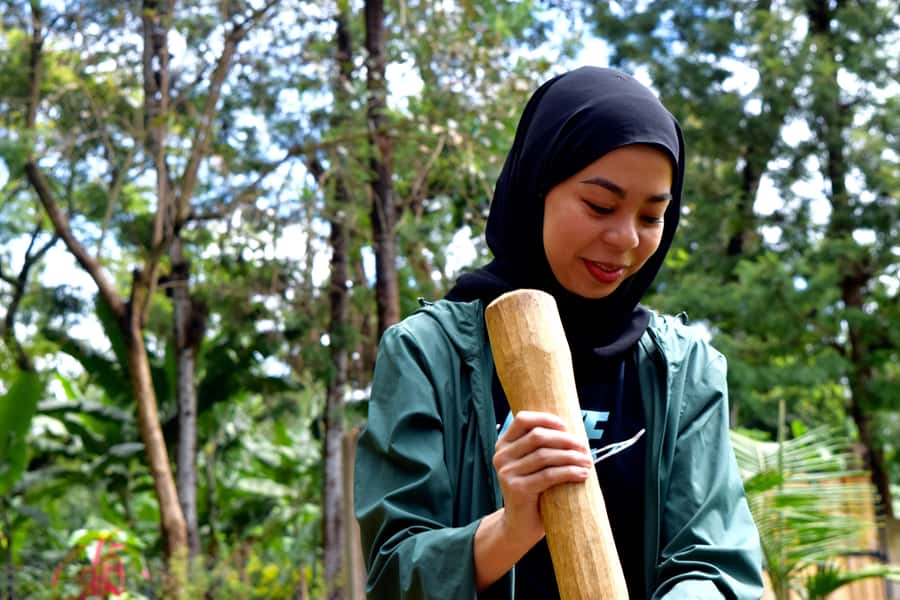
The tour begins at a local organic coffee plantation, where you learn how coffee grows and how people harvest it by hand. This is where your brain shifts from coffee as a product to coffee as a plant cycle.
You’ll follow the basics of the crop, what farmers pay attention to, and how the harvest happens. Since it is organic, the focus tends to be about growing and protecting coffee plants without relying on chemicals. That theme shows up in the explanations you get on the day, including the kind of practical, no-nonsense guidance that makes you feel like you understand the process, not just the storyline.
This portion is also a good test for yourself. If you enjoy farming and want a calmer pace, you’ll like the early walk. If you are mainly there for roasting and tasting, you’ll still benefit, because the later steps make more sense once you know what the beans started as.
Hand Harvesting and Sun-Dried Beans: Why the Basics Matter
After you see the plantation side, the tour moves you into the processing steps. One key detail is that you work with sun-dried beans, which changes flavor and texture. When you grind or roast later, you can feel the difference compared with green coffee or commercially processed beans.
You also learn how harvest and drying connect. If coffee cherries are handled well and then dried properly, the roasting stage becomes more predictable, and the final cup has clearer flavor. That is the kind of connection you might otherwise miss if you only do tastings.
This is one place where a guide’s tone helps. An English-speaking guide such as Imran in one of the described experiences keeps things friendly and explanatory, so you don’t need to be a coffee nerd to get something out of it.




Grinding in a Giant Mortar and Pestle (Yes, With Songs)
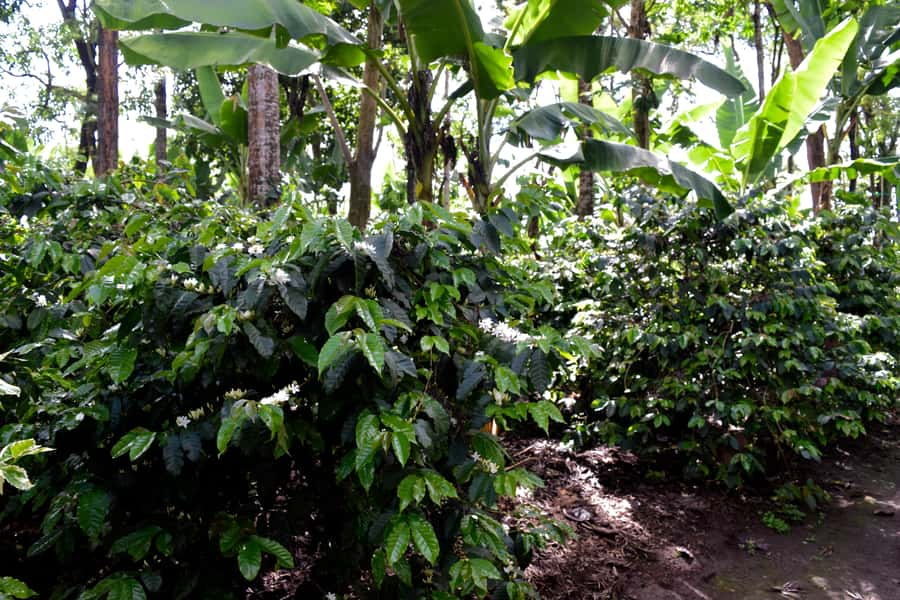
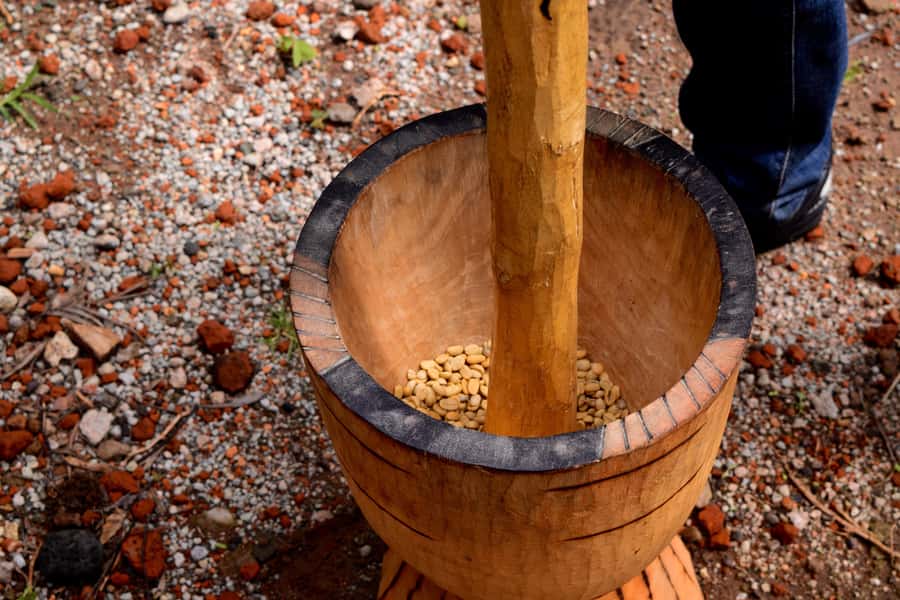
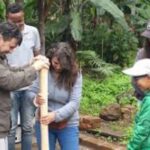
Here is where the tour stops being educational and starts being fun. You’ll grind sun-dried coffee beans using a giant mortar and pestle, which is a very physical, very visual way to see coffee transform.
The best part is the rhythm. The process is tied to traditional songs, and singing along is encouraged. Even if your voice is more polite than powerful, you’ll likely end up participating because the whole group mood runs that way.
This step also gives you a real appreciation for effort. When you grind by hand, you notice how slow and uneven that can feel compared to machines. Later, when you brew, you understand why grind size and consistency matter.
Practical tip: wear shoes you trust on dirt and uneven ground. Your feet will do most of the work while your arms do the rest.
Roasting Over an Open Flame: Smell the Difference Before You Brew
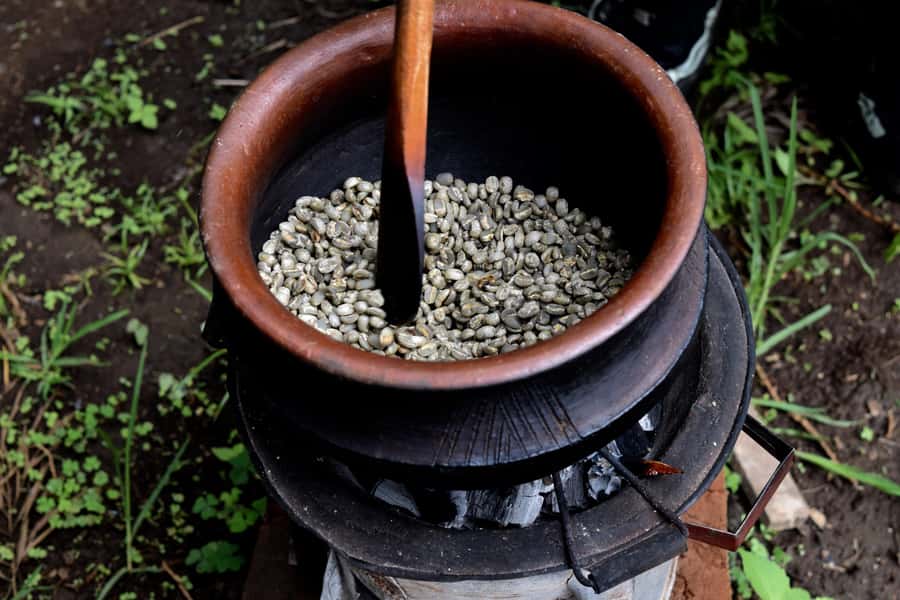
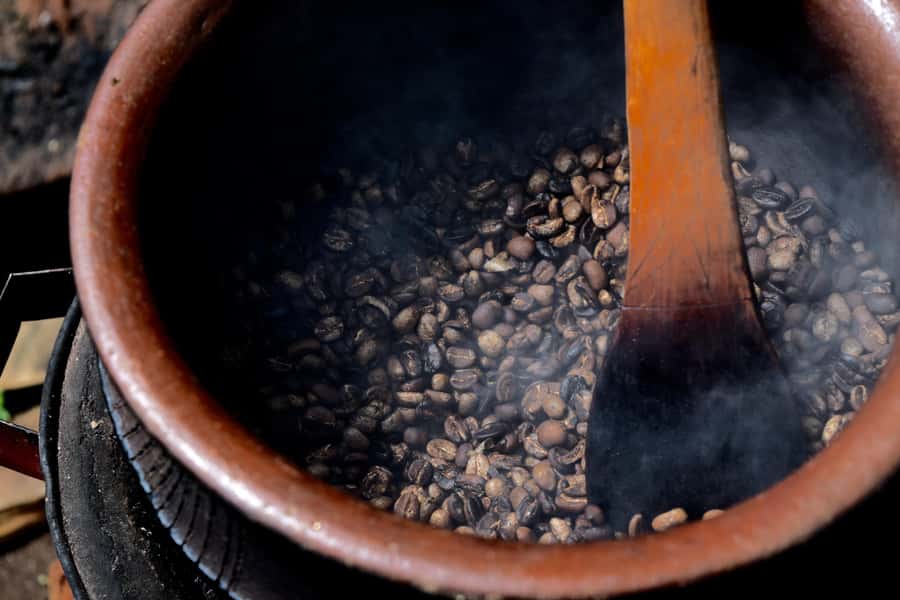
Next comes roasting over an open flame, and this is the moment where coffee stops being an activity and becomes an atmosphere. Heat brings out aroma fast, and you’ll see how quickly beans move from raw smell to toasted coffee scent.
Roasting on an open flame is not just a novelty. It teaches the logic behind roast levels: time, heat, and attention. You get a front-row seat to how roasting decisions affect the final cup, and you also learn why farmers and processors care about consistency.
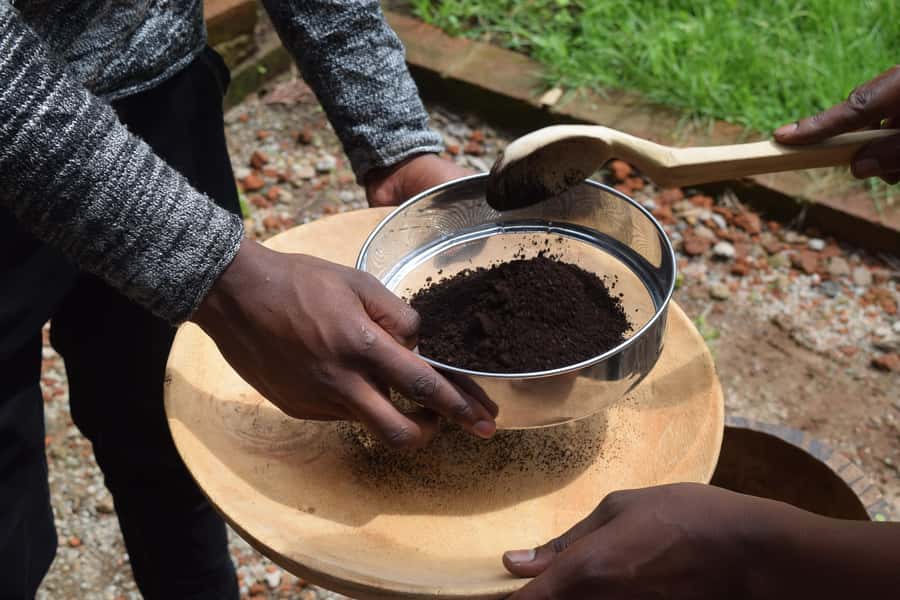
You then grind again, which is important. Your first grind is part of the step-by-step learning, but the second grind is what sets you up for brewing. If you like understanding cause and effect, this structure works well.
A small caution: open-flame roasting means there are hot tools and heat close to people. It is still managed as a guided activity, but keep your hands and focus where the guide indicates.
Brewing Your Own Cup: The Part That Turns Learning Into a Memory

After you roast and grind, you brew your work into a cup of coffee. The tour is built around the idea that the freshest cup is the one you just made with your own hands.
This is where your earlier steps pay off. When you brew, you’re tasting the harvest, drying, roasting, and grinding choices you participated in. That makes it feel more personal than a standard tasting menu where you get one sip and then move on.
You’ll likely come away with a better sense of what tastes you prefer, whether you lean toward lighter, more aromatic profiles or deeper roasted flavor. And if you are the type who always asks why coffee tastes different from café to café, this is the clearest answer you’ll get in a morning.
If you want to bring the experience home, bagged coffee is available for purchase. The tour also mentions you can buy coffee to take away, so plan a little space in your daypack if you like the idea of supporting the farm.
Village Time and Lunch: Culture Without the Rush

The tour includes a local lunch and also includes a visit to a local village. This is where you get more than just agriculture and get a sense of everyday community life around the farm.
The lunch part is simple but valuable. A half day can feel long if you’re doing active steps and then waiting to eat later. Having lunch included means you don’t have to hunt for food or guess whether it will arrive quickly enough.
As for the village stop, it’s usually brief in half-day formats, but it helps connect the dots. You see that coffee farming is not a separate world. It is tied to land, family, and local routines.
In one described experience, the group ate in a restaurant after additional stops, with the organizer and guide joining the day. That suggests some flexibility in how the afternoon flows, depending on timing and group size.
Optional Mangalia Waterfalls: A Simple Nature Bonus If You Want More
If you want to stretch the day from coffee into nature, the tour offers an add-on visit to the nearby Mangalia Waterfalls. This is a good option if your travel style includes short outdoor breaks, and you want a scenic finish after the hands-on farm work.
Waterfalls also help balance the senses. Coffee is warm, earthy, and aromatic. Then you shift to cooler air, water sounds, and wider views. Even if you only get a short time there, it can turn the experience into a “full memory” day instead of a single-activity outing.
If you’re booking this as a standalone half day, keep an eye on your energy. The coffee steps are active, and waterfalls mean additional walking, even if it is not extreme.
Price and Value: What $55 Buys You in Real Terms
The price is $55 per person for a 3.5 to 4 hour experience, and the value is in the full participation. You’re not paying mainly for a guide and a drive. You’re paying for the steps themselves: plantation visit, hand-harvesting context, grinding, roasting over open flame, brewing, coffee tasting, and lunch.
Hotel pickup and drop-off are included, which helps in Arusha where time is often lost to finding the right starting point. An English-speaking guide is included too, which matters because coffee processing can be confusing if someone only gives general statements.
Fresh coffee is part of the deal, and that is the point. You’ll taste what you made, not just what someone hands you in a cup. And bagged coffee is available for purchase, giving you an easy way to take something home.
Is $55 a bargain? In a place like Tanzania, it’s priced as a real hands-on tour, not a souvenir workshop. If you enjoy interactive experiences, coffee lovers will feel it is fair. If your goal is purely sightseeing with minimal effort, it may feel a bit pricey compared to a shorter, passive activity.
Getting the Most From the Tour: Small Choices That Matter
A few habits will help you enjoy it more:
- Bring water and something light to snack on if you get hungry before lunch.
- Wear clothes that can handle farm dust and sun.
- Expect to get near heat during roasting and use your hands during grinding.
- If you’re sensitive to strong aromas, know that roasting smells intense and spreads fast.
Also, pay attention to how the guide explains the why behind each step. The tour works best when you treat the process like a chain. Harvesting affects drying. Drying affects roasting behavior. Roasting affects grind feel. Grind affects brewing extraction. You do not need to memorize it all, but you will taste the results.
If your group gets Richard as the farm owner who guides the process, expect a warm, welcoming, family-run approach. In one described experience, his family played a role, and the energy came through as “people who love what they do.”
Who This Coffee Tour Is Perfect For (And Who Might Skip)
This tour is ideal for you if you want an active, cultural farm day that stays practical. It suits coffee lovers, food-focused travelers, and anyone who likes learning by doing.
It also fits well if your Arusha days need balance. If you have been doing wildlife drives or long transit, this is a calmer, hands-on break that still feels like a story you can tell later.
You might skip this if you dislike physical tasks. Grinding in a mortar and pestle is work. Roasting is close to heat and requires attention. And you should expect a rural setting where comfort is practical, not hotel-like.
If you prefer fully seated activities and don’t want to get involved in processing, there are other Arusha options that keep you more passive. But if you want to leave with a cup that tastes like effort, this one delivers.
Should You Book the Arusha Coffee Tour Near Lake Duluti?
I’d book it if your idea of a great half day is learning coffee from the ground up, literally. You get the best kind of souvenir, the kind you can drink. You also get a clear cultural link between local farming and community life, plus lunch so you are not forced to rush.
If you are on the fence, decide based on one question: do you want to participate? If yes, this tour is well matched to your style. If you prefer only tasting with zero hands-on work, you may find it less satisfying.
FAQ
How long is the Arusha coffee tour?
The tour lasts about 3.5 to 4 hours.
What is included in the price?
The tour includes hotel pickup and drop-off, the coffee tour and experience, fresh coffee, an English-speaking guide, and lunch.
Is lunch included?
Yes, lunch is included.
Do I get hotel pickup and drop-off?
Yes, pickup and drop-off are included. The provider contacts you to set up the pickup time and location.
Can I buy coffee to take home?
Yes. Bagged coffee is available for purchase.
Is the tour free to cancel if plans change?
Free cancellation is available up to 24 hours in advance for a full refund.
Waterfalls and Coffee, Keep Going
- Arusha: Coffee Plantation Tour with Tasting and Hands-On …
★ 5.0 · 4 reviews
Just added from around Tanzania




Waterfalls and Coffee Farm Tours, compared.
 ★ 5.0Materuni Waterfalls, coffee tour & Kikuletwa Hot SpringsFrom $100643 reviews
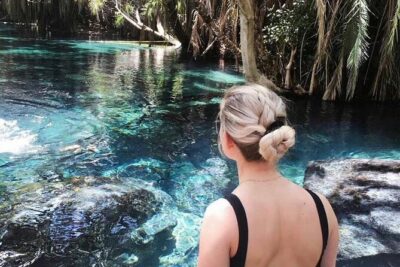 ★ 5.0Materuni Waterfalls & Chemka Hotsprings Day TripFrom $100214 reviews
 ★ 5.0Materuni waterfalls coffee tour & Chemka hot springs Day tripFrom $95131 reviews
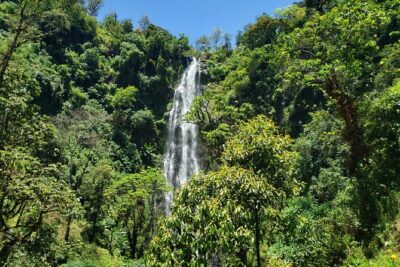 ★ 5.0Materuni Waterfall, Coffee Tour and Picnic Hot LunchFrom $70128 reviews
 ★ 4.5Maasai village visit, Materuni waterfalls & coffee experienceFrom $15495 reviews
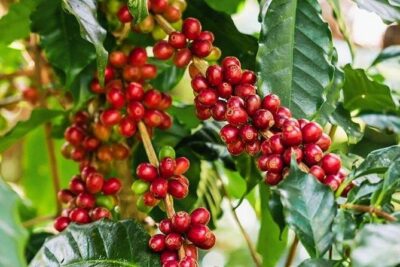 ★ 5.0Materuni Waterfalls & Coffee Tour from MoshiFrom $6092 reviews
 ★ 4.8Arusha or Moshi : Hot Spring, Waterfall & Coffee Farm TourFrom $5380 reviews
 ★ 4.8Arusha: Materuni Waterfalls, Coffee, and Hotsprings TourFrom $10078 reviews
Browse the lists this tour appears in