
REVIEW · MULTI-DAY NORTHERN CIRCUIT SAFARI PACKAGES
2 DAY-ADVENTURE SAFARI IN TANZANIA
Two days, and Tanzania grabs you fast. From Tarangire National Park to Ngorongoro Crater, this safari is built for big wildlife moments, with the chance to spot wildebeest on the move and see classic African animals in some unforgettable country. I love the straightforward rhythm, early starts, long game drives, and how the guide’s eyes help you notice what matters in the bush.
My other favorite part is the creature density. Ngorongoro’s crater rim and descent put you in the same day view for serious chances at the Big Five, plus the iconic acacia tree plains that make photos look like movie stills. One thing to consider: the experience depends on smooth logistics and clear communication, and one review noted pickup timing and cash handling issues.
In This Review
- Key Safari Highlights at a Glance
- The Real Charm of a Tight 2-Day Safari
- Day 1 Tarangire National Park: Elephants, Baobabs, and the Bird Noise You’ll Miss Later
- A small practical note from the real world
- Day 2 Ngorongoro Crater: Big Five Concentration and a Picnic Lunch in the Caldera
- What to watch for during the crater drive
- The Great Migration Claim: How to Think About Wildebeest on a Short Safari
- Maasai Cultural Heritage: What It Adds and What You Should Confirm
- Camping Setup: Tents, Mattress, Sleeping Bag, and Comfort You Can Actually Plan For
- Price and Value: Is $400 Fair for Tarangire and Ngorongoro?
- Logistics That Matter: Pickup Time, Cash, and Guide Communication
- Best For Who: The Right Fit for This Safari
- Should You Book This 2-Day Safari?
- FAQ
- What parks are included in the 2-day safari?
- Where does pickup start from?
- Is the safari price $400 per person?
- What is included in the tour price?
- Are national park fees included?
- Are meals provided?
- What should I bring with me?
- Is alcohol included?
Key Safari Highlights at a Glance
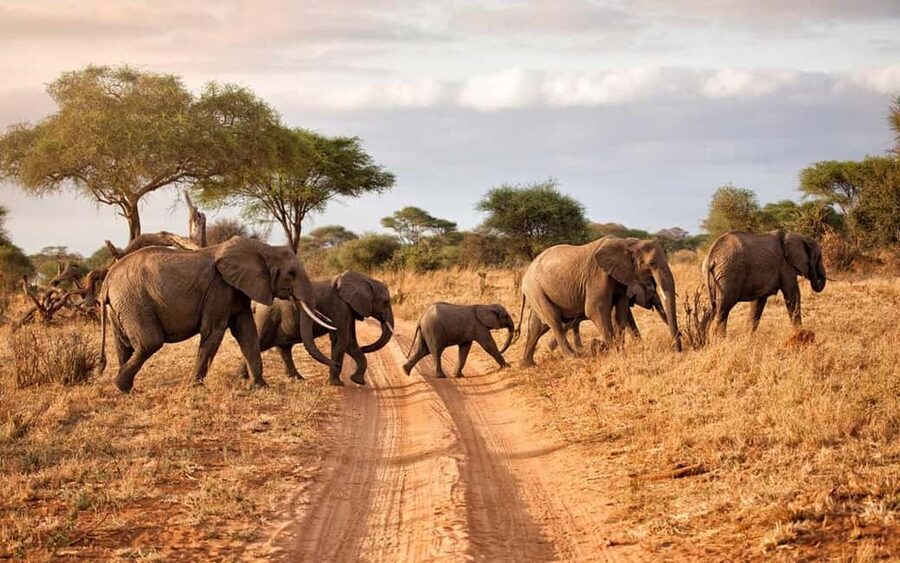
- Tarangire’s elephant energy with large herds and baobab trees for classic wildlife scenes
- Ngorongoro Crater’s Big Five odds during a half-day game drive with picnic lunch in the crater
- Wildebeest migration viewing tied to timing, so you’ll want to be ready for what you actually see
- Maasai cultural heritage time added to the safari so it is not only animals and dust
- Camping comfort included with tents, a mattress, sleeping bag, and camping equipment
- English-speaking guide support plus guided drives and meals included
The Real Charm of a Tight 2-Day Safari
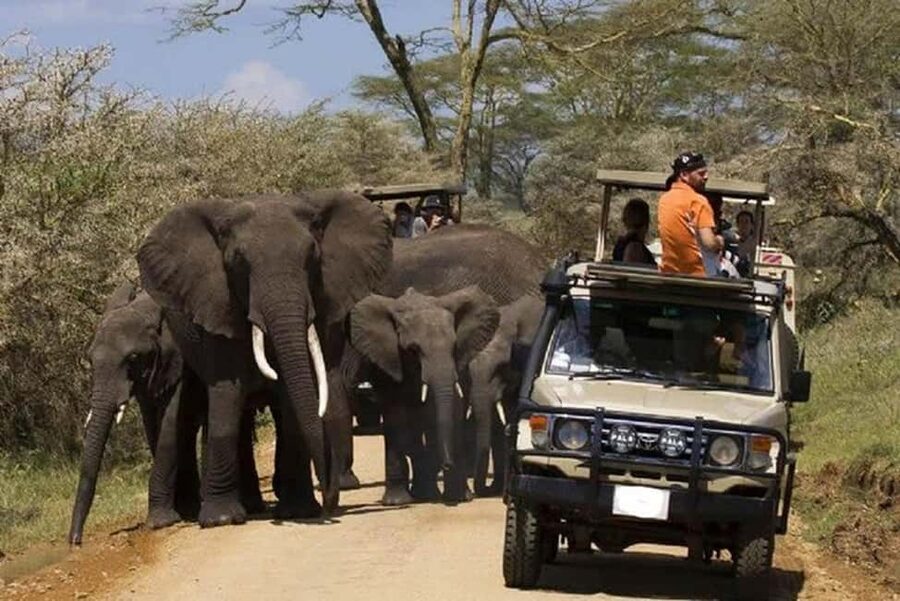
A short safari can feel like a speedrun. This one avoids that trap by focusing on two places that do big work in a small time window: Tarangire for elephants and variety, then Ngorongoro for wildlife concentration.
You also get a practical base plan. Pickup is arranged from Arusha (and Moshi has a transfer cost), you ride in a vehicle with a professional English-speaking guide, and you keep moving with early starts that actually match animal activity. If you only have a couple days, this is a sensible way to maximize wildlife time without turning your trip into constant airport stress.
Value-wise, $400 per person is not cheap, but it is also not trying to sell you luxury extras you might not need. The included package covers guided game drives, transport, meals, drinking water, and camping gear. The big things to budget separately are the park fees and anything personal like alcohol.
Day 1 Tarangire National Park: Elephants, Baobabs, and the Bird Noise You’ll Miss Later
Your day begins with an early pickup from your hotel in Arusha or Moshi, then a 2 to 3 hour drive into Tarangire National Park. The long-ish transfer matters. It buys you more time in the park, and it gives your guide space to set context: what to look for, how to read animal behavior, and where sightings tend to cluster.
Once you arrive, you get a packed lunch and then a game drive that runs through prime viewing hours. Tarangire is especially famous for its large elephant herds. That matters because elephants are not just “one more animal.” They reshape the whole feel of a drive. When a herd moves, you get a chain reaction of other sightings: predators watching from a distance, birds mobbing intruders, and smaller grazers using the gaps.
Tarangire also has that signature mix of baobab trees and open plains dotted with acacia. The trees are not just scenery, they are landmarks. In a landscape of similar-looking bush, these features help your guide explain why certain animals choose certain spots. You’ll also likely see giraffes and zebras, plus plenty of birds. And if your camera battery tends to drain fast, plan for lots of short photo bursts. These animals show up, pause, and move again.
Overnight is at a lodge or campsite near the park, with dinner and a restful night. The important part here is that the safari is designed as a real two-day flow, not “arrive, drive, sleep, repeat without energy.” You’re meant to settle in, then head to Ngorongoro early.
A small practical note from the real world
One review flagged that organization can vary. It is worth confirming your pickup time and payment method for park fees ahead of time. If you like a smooth day one, you’ll feel better when you do not have to scramble.
Day 2 Ngorongoro Crater: Big Five Concentration and a Picnic Lunch in the Caldera
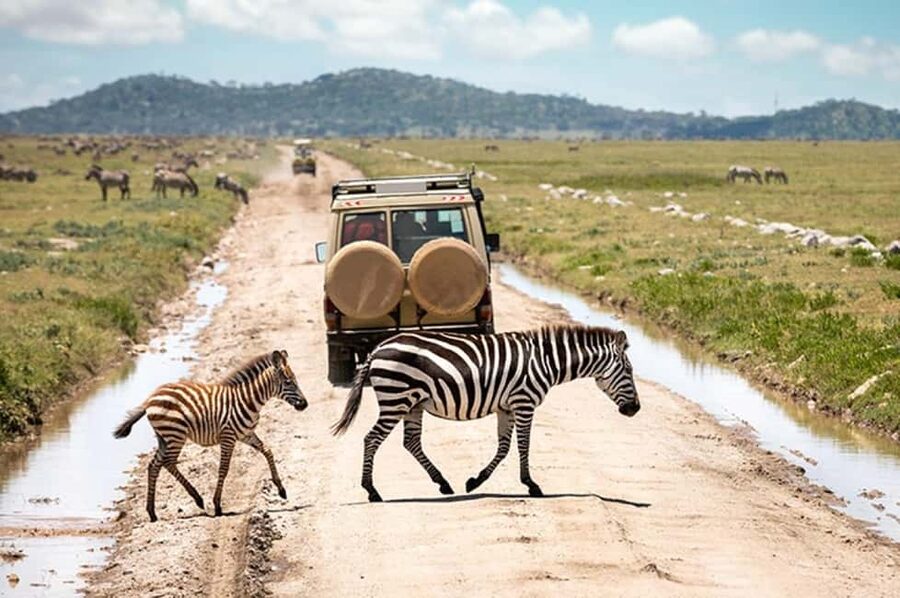
After an early breakfast, you drive about 1.5 to 2 hours to Ngorongoro Crater. On the way, you get highland views that shift as you descend in elevation. That drive is more than travel time. It is a warm-up for what changes in the crater itself, light, vegetation, and animal behavior.
At the crater rim, you descend into the caldera for a half-day game drive. Ngorongoro is a UNESCO World Heritage Site, and it earns the hype because the wildlife concentration is intense. This is where your Big Five chances become very real. The crater is known for lions, elephants, buffalo, leopards, and rhinoceros all living within a small, protected system. Your guide’s job is to keep you positioned where animals might appear, rather than aimlessly chasing sightings.
Then comes a highlight that safari people remember for years: a picnic lunch in the crater. Eating there is a simple pleasure, but it also changes your whole rhythm. You stop moving long enough to notice smaller details: tracks near the picnic area, birds settling into routines, and how animals react to human presence. It is also a good mental reset. After that, you return up to the rim and head back toward Arusha or the airport for departure.
What to watch for during the crater drive
Ngorongoro game drives work best when you stay patient and let your guide do the steering. Big animals often appear in clusters, and you might have long stretches where it looks quiet. Then suddenly, horns, movement, and attention from multiple animals will point you toward what’s happening.
If you are hoping specifically for leopards or rhinos, understand that these are not guaranteed in a short window. The value is in being in the right place, with the right guide mindset.
The Great Migration Claim: How to Think About Wildebeest on a Short Safari
This safari advertises a chance to witness wildebeest migration, and the idea is exciting for obvious reasons. Those plains-level movements are dramatic, loud, and full of energy. But with migration, timing matters.
Here is the way I’d plan your expectations in a helpful way: focus on the experience of being in the migration corridor and watching herds, even if what you see is not the exact classic scene you imagined. A short safari can still deliver incredible herds, dust, and predator activity around moving prey.
Your best advantage is your early starts and guided positioning. If wildebeest are active during your specific travel window, you’ll likely catch it. If not, you still get big Tarangire and big Ngorongoro wildlife, including plenty of the iconic African animals the package is built around.
Maasai Cultural Heritage: What It Adds and What You Should Confirm
This safari includes immersion in Maasai cultural heritage. In real life, that usually means a planned cultural component that is meant to add context beyond the parks. It can help you understand how people historically used the land, why certain wildlife areas mattered, and how local communities interpret the bush.
Because the details of the cultural segment are not specified here, I recommend you ask your guide or organizer what exactly is included on your dates. Will it be a visit, a conversation, or a structured introduction? Knowing that upfront helps you avoid the awkward feeling of arriving and realizing you only have a short or informal interaction.
In general, I like cultural additions when they are respectful and practical, not rushed. If this is run well, it turns your safari into a fuller Tanzania snapshot.
Camping Setup: Tents, Mattress, Sleeping Bag, and Comfort You Can Actually Plan For
This tour includes accommodation in tents, plus camping equipment, a sleeping bag, and a mattress. That is a big deal for value and comfort. Some budget safaris hand you a blanket and a smile. Here, you are given the basics you need to sleep without improvising everything yourself.
Still, camping in Tanzania is not the same as a hotel. Nights can be cool, and you’ll want to be ready for outdoor sounds. Bring a clear headlamp or phone flashlight, and use your packing space wisely.
Also, think about what you wear during day drives. You’ll likely spend hours in open vehicle seating. Temperature swings can happen. Dress in layers, and keep your camera accessible because photo opportunities can pop up fast when your guide spots movement.
One review also praised overnight comfort and food. That suggests the camping style can feel more like a functional base than a hardship.
Price and Value: Is $400 Fair for Tarangire and Ngorongoro?
Let’s talk money like adults. The listed price is $400 per person. You are getting:
- Guided safari tours with a professional English-speaking guide
- Transportation to and between the parks
- Meals and drinking water
- Camping essentials like tents, camping equipment, sleeping bag, and mattress
Not included are national park fees, travel insurance, and alcohol.
So what makes it good value? You are not paying separately for a guide and transport that would be hard to assemble quickly. Two full safari days also cost more in time than they look on paper. You’re buying logistics plus access to places most people cannot self-drive comfortably.
Where cost can surprise you: park fees. One review described an issue where fees expected to be payable by card turned out to require cash, which forced an ATM stop and wasted time. To protect yourself, bring enough cash in advance.
If you are a solo traveler or short on time, this package can be a clean deal. If you already have private transport and strong guiding skills, you might spend less piecing it together. But most travelers benefit from the included guidance.
Logistics That Matter: Pickup Time, Cash, and Guide Communication
Even the best parks can be ruined by messy coordination. This tour can run smoothly, and some experiences are clearly excellent. One guide was specifically praised by name, and another review highlighted detailed explanations and patience on the road.
At the same time, one review mentioned:
- Pickup being about an hour late versus the expected time
- Trouble with card payment for fees when cash was required
- A guide who did not introduce himself or explain the plan, leaving the group disoriented
- A lodge mix-up for one person without clear explanation
That combination is rare, but it tells you what to watch.
Here is how you can reduce the risk fast:
- Confirm pickup time the day before and allow extra buffer in the morning.
- Bring cash for park fees, even if you think you can pay by card.
- Ask your guide at the start of the day to run through the itinerary and what animals you should prioritize.
- Double-check your lodge or campsite details, especially if group members are staying at different spots.
If the tour runs well, you’ll feel taken care of. If it does not, these steps help you regain control quickly.
Best For Who: The Right Fit for This Safari
This two-day adventure is a great fit if you want:
- A classic Tanzania intro without burning a week
- A strong chance at iconic wildlife, including Big Five viewing within Ngorongoro
- Camp-style accommodation that is included, with sleeping essentials provided
- A guided experience in English with practical interpretations of what you are seeing
You might want a different format if you are very schedule sensitive or hate cash-based payment systems. Also, if you expect a super polished, all-singing and all-dancing briefing every single minute, your mileage may vary depending on how your specific guide and crew handle introductions.
Should You Book This 2-Day Safari?
I’d book it if your priority is seeing Tarangire and Ngorongoro in a short window and you want the included guidance to do the heavy lifting. The combination is strong: elephants and baobabs in Tarangire, then a crater day where wildlife concentration makes the Big Five feel close.
But book with eyes open. Bring cash for park fees. Ask about the exact cultural component timing. Confirm pickup time. If you do those things, you’ll maximize the chance that your days feel smooth and your wildlife moments feel like they were planned, not improvised.
If your dream Tanzania trip is about animals first, with just enough cultural context to make it meaningful, this package is a solid pick.
FAQ
What parks are included in the 2-day safari?
You’ll visit Tarangire National Park on day one and Ngorongoro Crater on day two.
Where does pickup start from?
Free pickup from your hotel starts from Arusha. Pickup from Moshi requires you to pay for the transfer.
Is the safari price $400 per person?
Yes, the price is listed as $400 per person.
What is included in the tour price?
It includes accommodation in tents, guided safari tours, a professional English-speaking guide, transportation, meals, drinking water, camping equipment, a sleeping bag, and a mattress.
Are national park fees included?
No. National park fees are not included.
Are meals provided?
Yes. Meals are included in the tour.
What should I bring with me?
Bring a camera, cash, a daypack, and a power bank.
Is alcohol included?
No. Alcoholic beverages are not included.
Multi-Day Northern Circuit Safari Packages, compared.
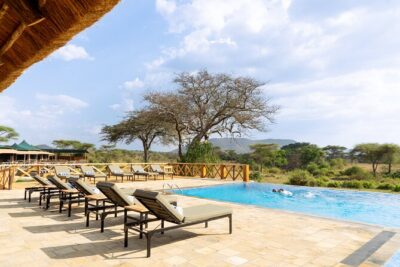 ★ 5.07-Day Premium Luxury Tanzania Safari All-InclusiveFrom $4,840426 reviews
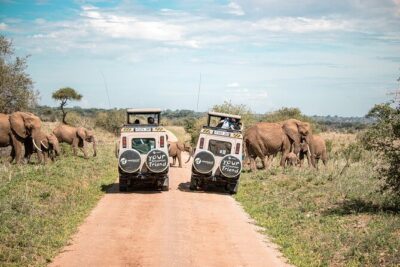 ★ 5.0Tanzania Wildlife Encounters – 6 DaysFrom $3,413277 reviews
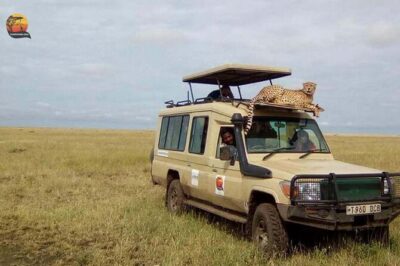 ★ 5.0Group Safari 7 Days in Tanzania’s Main ParksFrom $3,000240 reviews
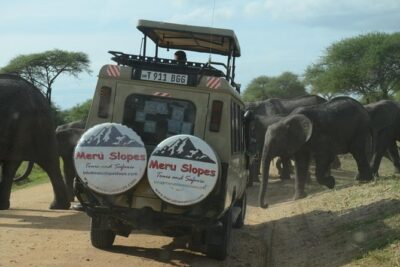 ★ 5.04 Days Join Group tour Tarangire Serengeti and Ngorongoro craterFrom $1,090219 reviews
 ★ 5.05-Day Private Northern Tanzania Safari from ArushaFrom $2,780182 reviews
 ★ 5.05 Days Best of Tanzania Luxury Safari Northern CircuitFrom $3,744174 reviews
 ★ 5.08 Day Spectacular Migration Serengeti mid -Range Tanzania SafariFrom $4,257161 reviews
 ★ 5.0Multi-Day Tanzania Odssey Safari from ArushaFrom $4,164120 reviews
Browse the lists this tour appears in