
REVIEW · THE ROCK RESTAURANT KUZA CAVE AND PAJE
Jambiani Village Women at work and play
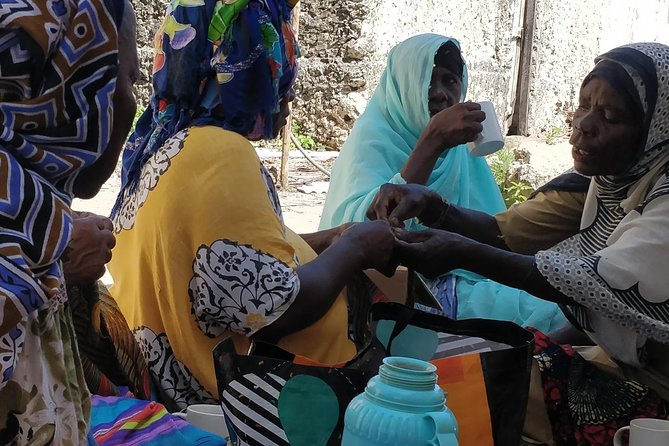
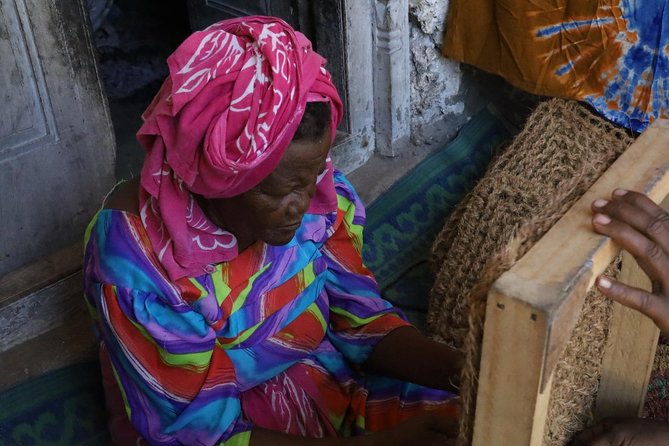
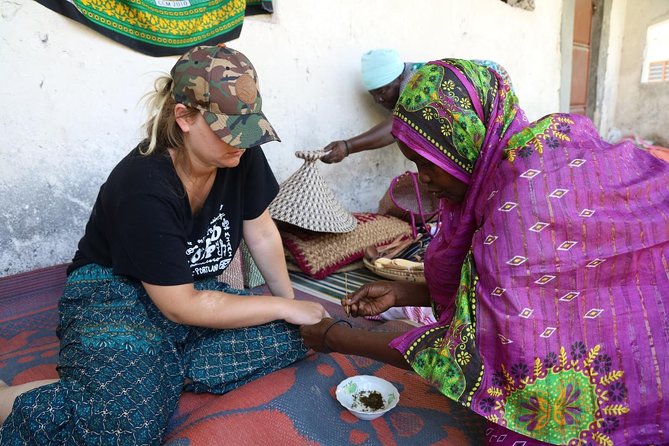
Women shape the coast here. In Jambiani, you walk with Ameir, a guide from the village, and get a close look at how women’s work, creativity, and community life connect. I especially love the craft demonstrations, like coconut husk rope, and the cultural moments, like learning how to wear a kanga and getting the chance to try henna painting.
One key consideration: this isn’t for people who can’t walk more than about 2 km. If you are comfortable on uneven footpaths, it’s a friendly, personal way to see Jambiani up close without the big-tour feel.
In This Review
- Key highlights at a glance
- Why this Jambiani women’s village visit feels different
- Meeting Ameir and understanding how your visit flows
- Jambiani’s beach stop: sea weed cultivation you can actually see
- Coconut husks, rope, and doormats: the material-to-product lesson
- Weaving, makuti, and kofia sewing: more skills than you expect
- Kanga lessons and henna painting: small cultural moments, big payoff
- Timing and walking realities: how to plan your half-day
- Price and value: what $32.65 buys you on the ground
- Optional lunch in a women’s house: easy if you plan, risky if you don’t
- Who should book this and who should skip it
- Should you book? My decision checklist
- FAQ
- How long is the Jambiani village women tour?
- What is included in the tour price?
- Is pickup from Stone Town included?
- Do I need to bring a paper ticket?
- Can I add lunch during the tour?
- How much notice is needed for lunch, and what about dietary restrictions?
- Is the tour private?
- What is the walking requirement?
- Does the tour run in bad weather?
- What is the cancellation policy?
- When will I get confirmation after booking?
Key highlights at a glance
- A village guide, Ameir: You’re not hearing generic facts, you’re hearing local context.
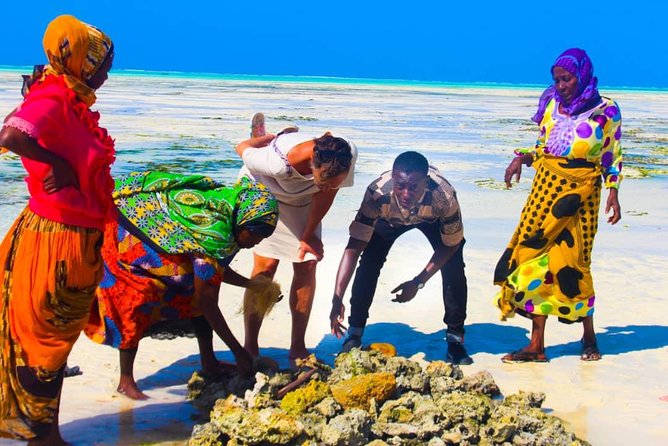
- Beach seaweed work: You’ll see women collecting sea weed and talk through how it is cultivated.
- Coconut husk to rope and doormats: Watch the full material story from beach waste to useful goods.
- Makuti and palm leaf weaving: You’ll see how local fibers become practical roof and craft materials.
- Kofia sewing and weaving crafts: The variety of skills is part of what makes this visit special.
- Kanga styling and henna: You get cultural practice, not just sightseeing.
More of the southeast coast in one day
- Zanzibar: The Rock, Paje Beach, Jozani Forest, Salaam Cave★ 4.7 · 57 reviews
- Zanzibar: Rock Restaurant and Cave Tour Visit★ 4.5 · 50 reviews
- Half-Day Kuza Cave Swimming Adventure and Cooking Class★ 4.5 · 44 reviews
- Dolphin Tour, Jozani Forest Tour, Kuza Cave Tour, Paje Beach,The Rock Restaurant★ 4.5 · 37 reviews
Why this Jambiani women’s village visit feels different

Zanzibar’s postcard side is great, but it can blur into the same shops and the same photos. This tour slows you down. You’re walking through Jambiani with a guide who lives there, and the focus is clear: the women, their materials, and the rhythm of daily life.
You’ll move through several women’s homes. That matters. Homes are where people actually spend their time, not where crafts are staged for a quick sale. And because the guide is local, you can ask questions in a way that feels natural, not like you’re interviewing someone behind glass.
Then there is the craft-and-survival mix. Coconut husks are everywhere on this coast, and sea weed is a key resource. Seeing how those raw materials turn into rope, doormats, woven items, and sewn pieces makes the visit click fast. It turns a pretty beach into a working landscape.
Meeting Ameir and understanding how your visit flows
This is a private tour, so you’re not shuffled into a crowd. You’re with just your group and Ameir can pace the walk and the conversations. That’s a real value point, especially if you like to ask practical questions.
The visit is organized around a sequence of small, connected stops in one area. You’ll visit women’s homes, then head to the beach to see sea weed collection and cultivation. After that, you’ll watch how products are made from the materials they harvest and gather.
Keep expectations realistic. The tour is built around demonstrations and conversations. You’ll get the chance to experience certain cultural steps, like learning how to wear a kanga and trying henna, but most of the craft time is about watching skilled makers at work.
If you enjoy handmade processes, you’ll be in good shape here. If you want a hands-on workshop where you leave with a finished item, you might still enjoy the visit, but plan to treat it more like a guided look inside the process than a craft class.
Jambiani’s beach stop: sea weed cultivation you can actually see
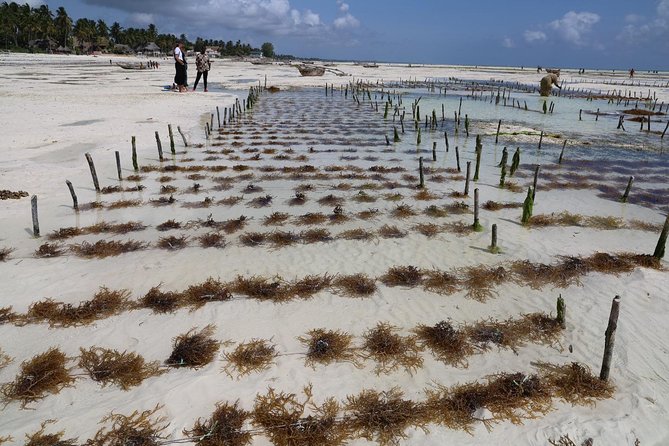
One of the most memorable parts is the beach segment. You’ll go down to see women collecting sea weed, and you’ll learn about how sea weed cultivation works in this area. This is the kind of detail that adds weight to everything else you see on Zanzibar.
Why it matters for your trip: it gives you a cleaner picture of what people are doing day-to-day beyond tourism. Sea weed is not a symbolic “Zanzibar thing.” It’s an active livelihood that supports local production and household income.
Also, it sets up the craft story. The tour ties back to materials, not just culture. When you later see items made from coconut husks, palm leaf, and woven fibers, it feels like a coherent system, not random crafts thrown together for visitors.




Coconut husks, rope, and doormats: the material-to-product lesson
If you like learning where everyday objects come from, this is your stop. You’ll watch women make coconut husk rope and doormats using coconut husks collected from the beach.
It’s a simple cycle, but it’s also genius. Beach-gathered husks become strong rope. Fibers become woven surfaces for practical use. The tour helps you connect the dots between environment, raw material, and useful household goods.
You can also appreciate how local design choices show up in the products. In many places, crafts become decorative souvenirs. Here, you’ll likely see items that also make sense as tools and home goods, not only as “cute things for tourists.”
Pro tip: this is a good time to slow down and look closely at textures. When you see rope fiber by fiber and watch how weaving and tying steps work, the craft feels earned, not just observed.
Weaving, makuti, and kofia sewing: more skills than you expect
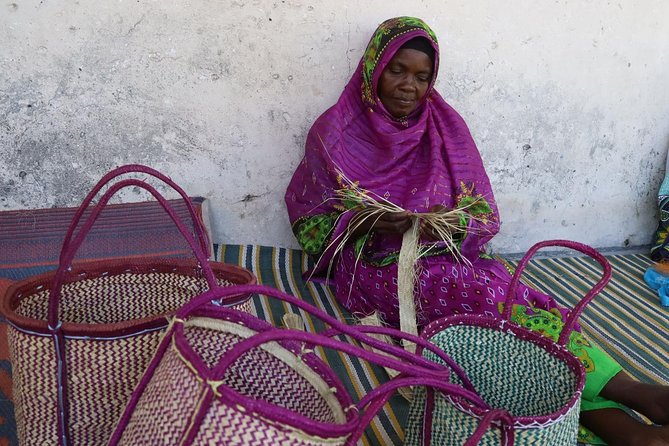
A big surprise is how many different craft types you’ll run into. Beyond coconut-fiber rope and doormats, you’ll see palm leaf and makuti weaving, plus traditional handmade kofia sewing.
Makuti weaving is especially interesting because it’s tied to how buildings and roofs are traditionally made in coastal areas. Even if you’ve never heard the term before, you’ll get the idea quickly once you see the fibers and the weaving steps.
The kofia sewing also adds variety. Instead of a single craft, you’re seeing specialization across women and across tasks. That variety is part of the value. You get a sense that this isn’t one person’s hobby. It’s a set of skills that live inside the community.
There’s a practical takeaway here for your own shopping later. You can tell the difference between materials and techniques when you’ve seen what goes into them. You’ll also know what questions to ask if you decide to buy something.
Kanga lessons and henna painting: small cultural moments, big payoff
The tour isn’t only about production and fibers. You also get a cultural practice moment with the kanga garment.
You’ll learn how to wear a kanga, which is one of those details that seems simple until you see how people actually style it. This kind of guidance helps you understand that clothing on the coast is more than color. It can be a meaningful part of everyday life.
Then there is henna painting. The tour includes the chance to experience henna painting, which is both fun and visually rewarding. Even if you don’t keep designs for long, you’ll still have the memory of being taught by someone who knows the context.
One thing I like about these cultural moments is that they don’t require buying anything. You’re learning and participating, which makes the experience feel more respectful and less transactional.
Timing and walking realities: how to plan your half-day
The tour runs about 2 to 3 hours. That’s the on-the-ground window, not counting extra travel time if you start from Stone Town.
Here’s the practical part: if you need pickup, it starts at $45 extra from your Stone Town hotel. Even with pickup, factor in Zanzibar driving time since that can stretch your day. If you’ve scheduled lunch plans or other tours right after, keep a buffer.
Also pay attention to the walking note. This isn’t a sit-everywhere experience. The tour includes walking between women’s homes and to the beach. It’s not recommended if you can’t walk more than about 2 km.
What to wear: comfortable shoes with grip. Zanzibar footpaths can be uneven, and you’ll be moving on real ground, not smooth indoor floors. Bring sun protection too, since beach time can mean direct light.
Finally, plan around weather. This experience requires good weather. If conditions are poor, you’ll be offered another date or a full refund.
Price and value: what $32.65 buys you on the ground
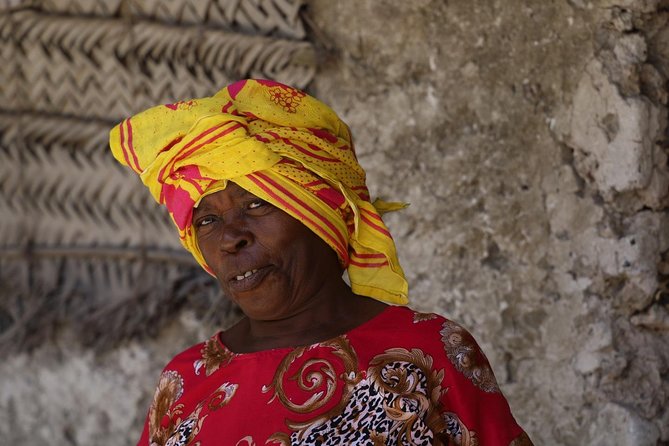
At $32.65 per person, you’re paying for a private local guide and access to the women’s spaces where the crafts are made and explained. Admission ticket is listed as free, so you’re not stacking entry fees on top.
Where the value shows up is in the structure:
- You are not just seeing crafts in a stall.
- You are meeting artisans in their working environment.
- You’re seeing multiple craft categories linked by materials like coconut husks and sea weed.
You also get flexibility because it’s private. That means less waiting around, and more time for questions that actually matter to you.
Two money-saving notes:
- Group discounts are available, which can make it much cheaper if you’re traveling with friends or family.
- Pickup from Stone Town costs extra starting at $45, so if you can reach the meeting area on your own, you can keep costs down.
Optional lunch in a women’s house: easy if you plan, risky if you don’t
You have the option to enjoy lunch at extra cost in one of the ladies’ houses. But there’s a big catch: you need at least 48 hours notice to prepare lunch, and you’ll need to share any dietary requirements.
This matters for your travel planning. If you wait until the day of, lunch may not be possible. If you want it, decide early and communicate clearly about what you can and cannot eat.
The value of lunch is that it likely turns the visit into a fuller snapshot of daily life. You’re not just watching work and craftsmanship, you’re also sharing a meal in a household setting. For many people, that’s the part that makes the tour feel personal.
If you have special diets, don’t assume it will be handled last minute. The tour notes that dietary requirements are needed, so make sure you provide them when you arrange lunch.
Who should book this and who should skip it
This tour is a great fit if you want:
- A women-centered view of Zanzibar that goes beyond tourist shopping
- Real craft demonstrations using local materials like coconut husks, palm leaf, and woven fibers
- Cultural practice moments like kanga styling and henna painting
- A private setup with a guide from the village
It’s not a great fit if:
- You cannot walk more than about 2 km
- You dislike weather-dependent plans, since good weather is required
If you like craft and community, you’ll probably enjoy the pace and variety. If you only want big sights and minimal walking, you may feel it’s too “slow and local” for your style.
One more quick thought: if you’re the type who hates feeling like a customer, you might relax here. The experience is built around learning and meeting people, not staging a production.
Should you book? My decision checklist
Book this tour if you want an authentic Jambiani experience that explains how daily life connects to sea weed, coconut husk crafts, weaving, and sewing. The strongest reasons to go are the combination of a local guide, multiple craft categories, and the chance to try kanga and henna.
Skip it if your schedule is too tight, you can’t handle walking more than about 2 km, or you only have interest in fast, purely scenic sightseeing. The tour is a people-and-process visit, not a beach lounge stop.
If you’re on the fence, here’s the simplest test: ask yourself whether you’d enjoy learning what goes into rope, doormats, makuti weaving, and sewn items using materials gathered locally. If that sounds interesting, this is the right kind of tour for you.
FAQ
How long is the Jambiani village women tour?
The duration is listed as about 2 to 3 hours.
What is included in the tour price?
The tour includes a Jambiani private local guide.
Is pickup from Stone Town included?
Pickup from your Stone Town hotel is not included. It is available for an extra charge starting at $45.
Do I need to bring a paper ticket?
You’ll use a mobile ticket.
Can I add lunch during the tour?
Yes, lunch can be arranged in advance for an extra cost.
How much notice is needed for lunch, and what about dietary restrictions?
You need 48 hours notice to prepare lunch, and you must share any dietary requirements.
Is the tour private?
Yes. It is a private tour, meaning only your group participates.
What is the walking requirement?
It is not recommended if you cannot walk more than 2 km.
Does the tour run in bad weather?
This experience requires good weather. If canceled due to poor weather, you’ll be offered a different date or a full refund.
What is the cancellation policy?
You can cancel for free up to 24 hours in advance for a full refund.
When will I get confirmation after booking?
Confirmation is received within 48 hours of booking, subject to availability.
The Southeast Coast Circuit
- From Zanzibar: Starfish, Blue Lagoon, & The Rock Restaurant
★ 4.5 · 68 reviews - Zanzibar: The Rock, Paje Beach, Jozani Forest, Salaam Cave
★ 4.7 · 57 reviews - Zanzibar: Rock Restaurant and Cave Tour Visit
★ 4.5 · 50 reviews - Half-Day Kuza Cave Swimming Adventure and Cooking Class
★ 4.5 · 44 reviews - Dolphin Tour, Jozani Forest Tour, Kuza Cave Tour, Paje Beach,The Rock Restaurant
★ 4.5 · 37 reviews
Just added from around Zanzibar



The Rock Restaurant Kuza Cave and Paje, compared.
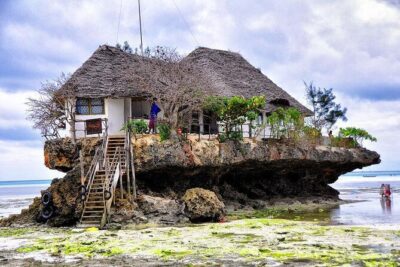 ★ 4.5Dolphin tour, Jozani Forest, Jambiani Kuza Cave, Paje Beach &The Rock restaurentFrom $130164 reviews
 ★ 4.5Zanzibar: Mnemba Island, Prison Island and Salaam Cave TourFrom $150150 reviews
 ★ 4.2SWIMMING WITH TURTLES AT SALAAM CAVE AT KIZIMKAZI ZANZIBARFrom $50112 reviews
 ★ 4.2Zanzibar: Sea Turtle Swim at Kizimkazi Salaam Cave TourFrom $4878 reviews
 ★ 4.2Zanzibar: Jozani Forest, Salaam Cave & The Rock RestaurantFrom $10577 reviews
 ★ 4.4Swim with Sea Turtles, Kuza Cave, Paje Beach, The Rock LunchFrom $15077 reviews
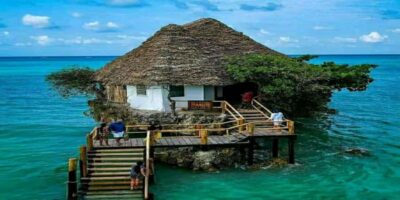 ★ 4.5From Zanzibar: Starfish, Blue Lagoon, & The Rock RestaurantFrom $11068 reviews
 ★ 3.7From Paje/Jambian: Safari Blue Snorkelling with LunchFrom $9067 reviews
Browse the lists this tour appears in